
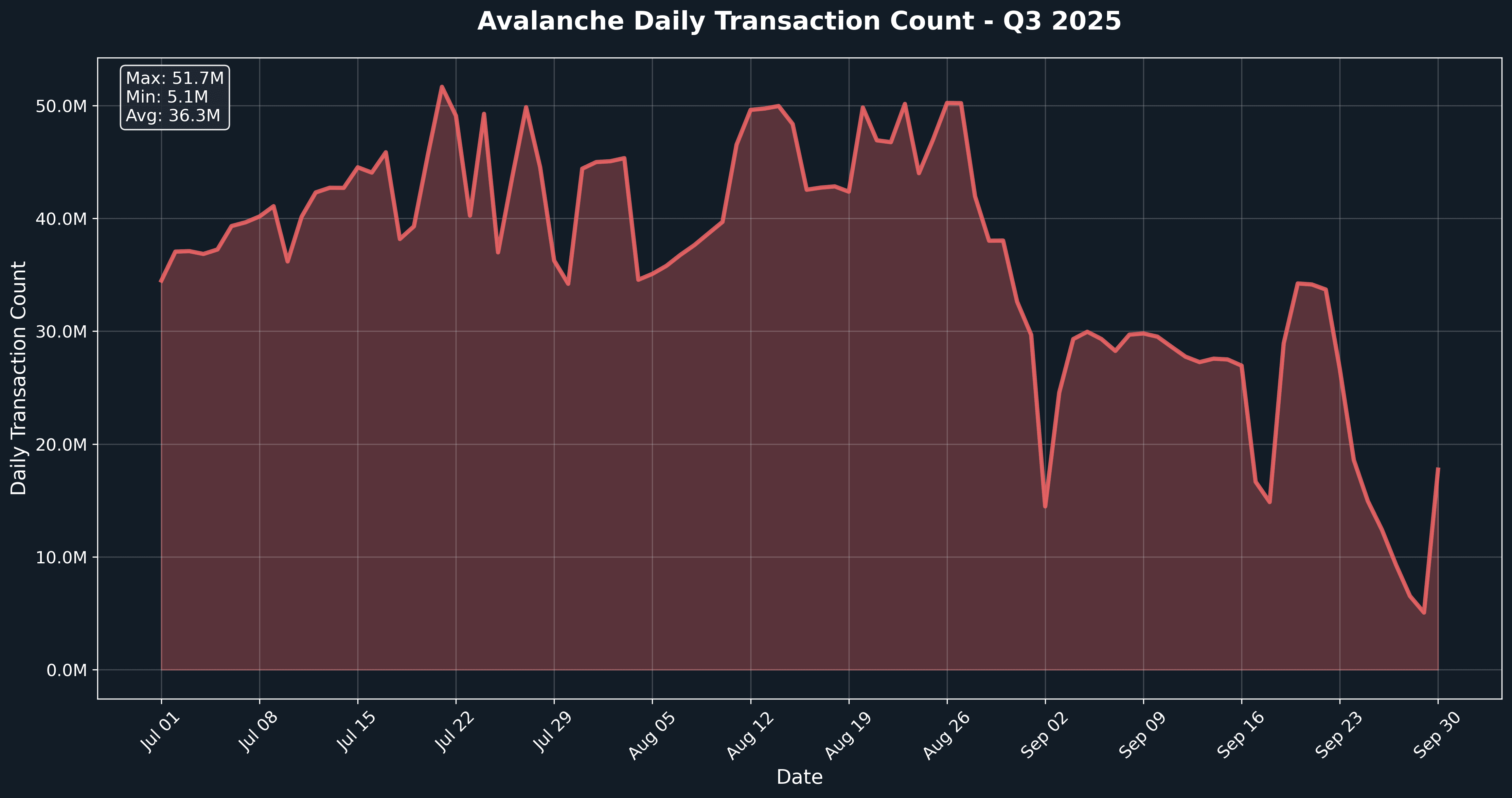
In an era where banks and asset managers seek blockchain solutions that balance innovation with ironclad compliance, Avalanche's custom subnets emerge as a prudent choice. With AVAX holding steady at $10.03 amid a 24-hour dip of $0.0100 or -0.1000%, reaching a high of $10.22 and low of $9.55, the network's appeal lies in its ability to deliver sub-second finality and low fees without compromising regulatory demands. Institutions like Grove Finance are committing $250 million to tokenize real-world assets via partnerships with Centrifuge and Janus Henderson, signaling a shift toward bank custom subnets that prioritize sovereignty and security.
This momentum underscores Avalanche's maturation. Traditional finance players, long wary of public chains' volatility, now eye permissioned validators Avalanche setups for their controlled environments. As a risk manager who's hedged DeFi exposures for over a decade, I see these subnets not as speculative bets but as calculated infrastructure plays, mitigating counterparty risks while unlocking tokenized efficiencies.
Architecting Compliance into Avalanche Subnets
Avalanche subnets grant enterprises granular control over network parameters, from validator sets to gas mechanics, enabling KYC subnets tailored for institutional workflows. Unlike monolithic public chains, these Layer 1 blockchains support multi-tier permissioning, ensuring only vetted participants engage. For asset managers handling sensitive portfolios, this means private trading networks with instant settlement, as highlighted in guides from Metaschool. Banks can enforce data residency rules, crucial in jurisdictions like the EU with stringent GDPR mandates.
Consider the Intain Subnet, dedicated to tokenized asset-backed securities, exemplifying sectoral customization. Sygnum Bank's analysis notes Avalanche's 25 active subnets serving diverse needs, from fintech to capital markets. Yet, caution tempers enthusiasm: while customizable, subnets demand rigorous validator vetting to avert centralization risks. Poorly configured permissioning could invite regulatory scrutiny, underscoring the need for FRM-level oversight in deployment.
Evergreen Subnets: Bridging Public and Private Realms
Ava Labs' Evergreen Subnets represent a pivotal evolution, blending public chain scalability with private compliance features. These permissioned blockchains incorporate KYC enforcement and restricted validator pools, ideal for asset manager blockchain applications. Reflexivity Research details how they leverage Avalanche's architecture for hybrid advantages, allowing institutions to maintain sovereign control without isolating from the broader ecosystem.
David Dobrovitsky's Medium piece on Avalanche's six-year milestone emphasizes Evergreen's role in fostering compliance-ready chains. Galaxy's 2024 protocol overview predicts accelerated subnet proliferation under new frameworks, enabling self-regulated security for enterprise L1s. For banks, this translates to hedging tools like custom staking, reducing volatility exposure in tokenized funds. I've advised firms on similar setups, where restricted access slashed settlement times from days to seconds, yet always with fallback oracles to guard against oracle failures.
CMCC Global highlights Avalanche's flexibility for molding compliant environments, a boon for operations demanding audit trails and reversible transactions under duress. Still, institutions must weigh interoperability trade-offs; while Avalanche eyes 100,000 subnets, exchanges need unified bridges to avoid fragmentation pains.
Institutional Pilots Paving the Path Forward
Spruce testnet draws heavyweights like T. Rowe Price, WisdomTree, Wellington Management, and Cumberland, testing on-chain trade execution across assets. This collaboration validates Avalanche's traction in tokenization, where subnets enforce AML checks natively. Blockchain App Factory positions Avalanche as a leader, empowering banks with full rule sovereignty over participant permissions.
Zeeve's ecosystem rundown lists burgeoning L1s, from Intain to others, aiding fintech startups and incumbents alike. Avax. network touts privacy solutions and custom gas, vital for high-volume asset managers. Amid AVAX at $10.03, this adoption buoys confidence, though I advise positioning via staked positions to capture subnet yields while hedging downside.
Avalanche (AVAX) Price Prediction 2027-2032
Forecasts amid RWA tokenization growth, institutional inflows, and compliant custom subnets adoption (Baseline: $10.03 in 2026)
| Year | Minimum Price | Average Price | Maximum Price | YoY % Change (Avg from Prior) |
|---|---|---|---|---|
| 2027 | $12.00 | $25.00 | $50.00 | +150% |
| 2028 | $20.00 | $40.00 | $80.00 | +60% |
| 2029 | $30.00 | $60.00 | $110.00 | +50% |
| 2030 | $45.00 | $90.00 | $160.00 | +50% |
| 2031 | $65.00 | $130.00 | $230.00 | +44% |
| 2032 | $90.00 | $180.00 | $320.00 | +38% |
Price Prediction Summary
AVAX is positioned for robust growth due to its leadership in compliant subnets for banks and asset managers, RWA tokenization (e.g., Grove Finance $250M), and institutional pilots (T. Rowe Price, WisdomTree). Average prices could reach $180 by 2032 in bullish scenarios, with min/max reflecting bearish regulatory hurdles vs. accelerated adoption.
Key Factors Affecting Avalanche Price
- Institutional adoption via Evergreen Subnets and Spruce testnet
- RWA tokenization expansion with low fees and compliance (KYC/AML)
- Sub-second finality and customizable L1s attracting TradFi
- Market cycles, Bitcoin halving spillovers, and AVAX supply dynamics
- Regulatory clarity for tokenized assets boosting inflows
- Competition from Solana/Ethereum and potential macro downturns
Disclaimer: Cryptocurrency price predictions are speculative and based on current market analysis. Actual prices may vary significantly due to market volatility, regulatory changes, and other factors. Always do your own research before making investment decisions.
These pilots aren't mere experiments; they're blueprints for scalable compliant avalanche subnets. Grove's $250 million RWA deployment exemplifies how partnerships amplify Avalanche's enterprise appeal, with AVAX steady at $10.03 despite minor fluctuations between $9.55 and $10.22 over 24 hours. Asset managers gain from subnets' ability to embed compliance natively, sidestepping the pitfalls of retrofitting public chains.
Key Advantages for Banks and Asset Managers
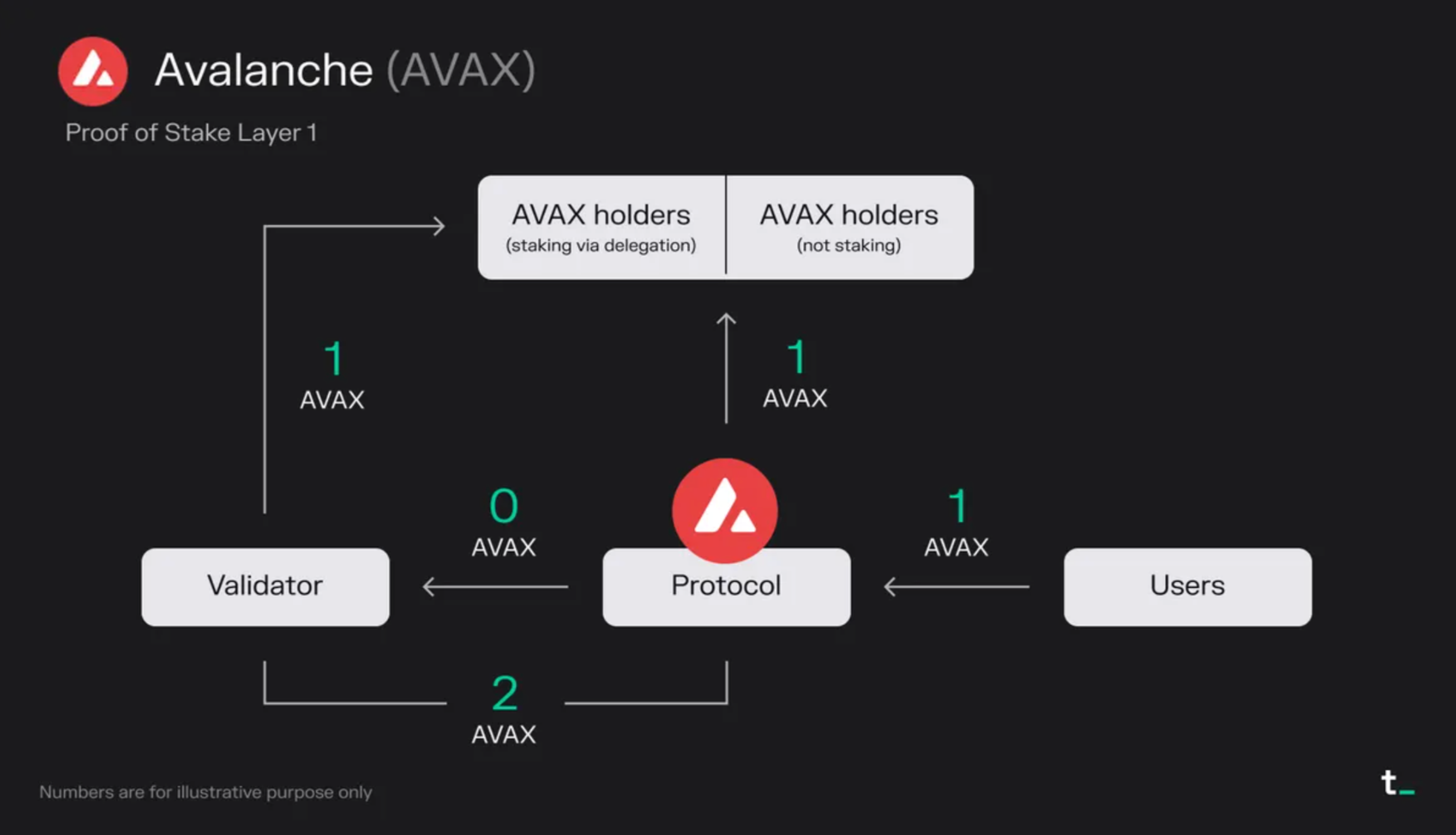
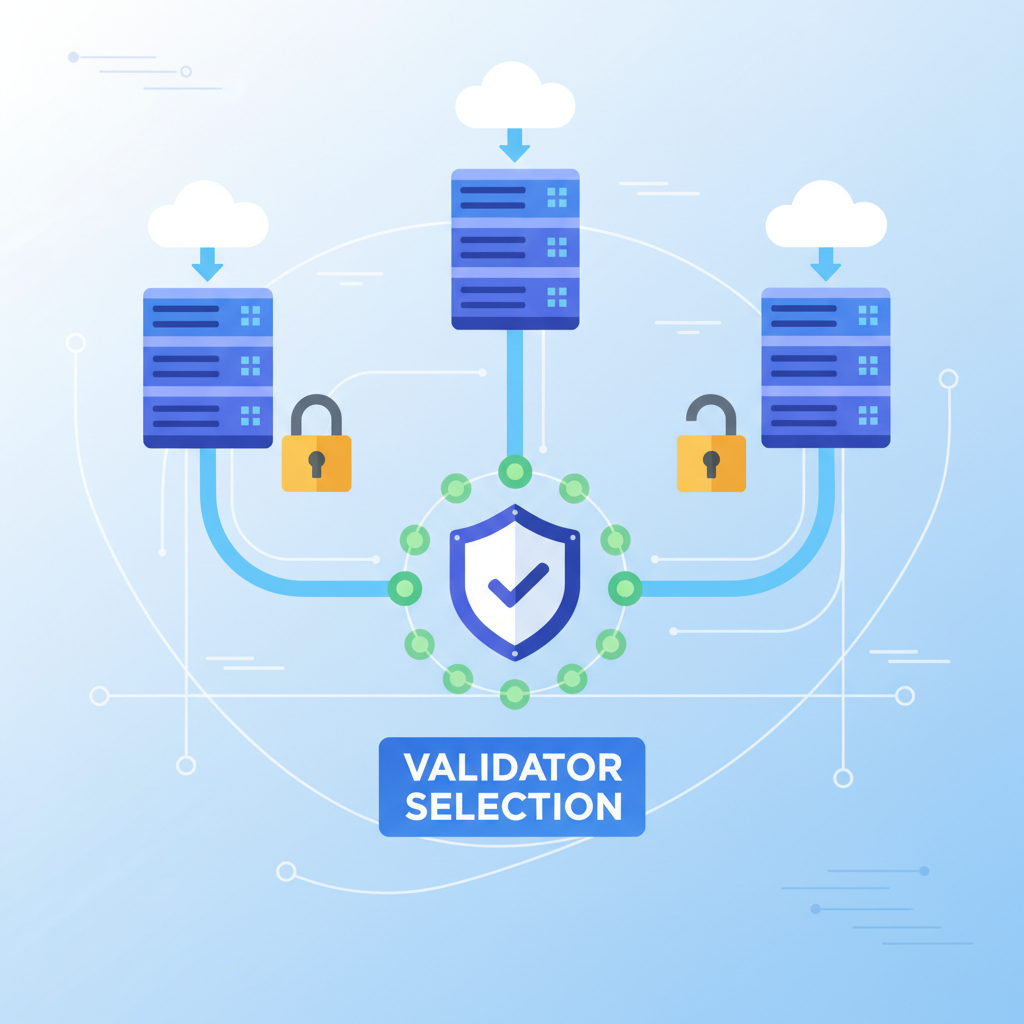
From a risk perspective, permissioned validators Avalanche configurations minimize sybil attacks and enhance auditability, critical for Basel III adherents. Custom gas tokens align costs with institutional budgets, while privacy layers shield proprietary strategies. I've seen firms cut clearing costs by 80% through subnet instant finality, yet always stress diversified validator pools to avoid single points of failure.
Top 5 Subnet Benefits for Banks
- Permissioning: Customizable multi-tier permissioning and restricted validator sets enable banks to control network access and participants, as seen in Evergreen Subnets.
- KYC Enforcement: Built-in compliance tools enforce KYC/AML checks on permissioned blockchains, ensuring regulatory adherence for institutional use.
- Low Fees: Sub-second transactions with minimal gas costs reduce operational expenses compared to legacy systems.
- Instant Settlement: Achieve sub-second finality for private trading networks, accelerating asset-backed securities settlement.
- Data Sovereignty: Tailored subnets ensure data residency and privacy, meeting strict jurisdictional requirements.
Still, interoperability looms as a challenge. Solana Compass notes Avalanche's ambition for 100,000 subnets demands robust bridges, lest silos emerge. Enterprises must prioritize EVM compatibility for seamless dApp migration, balancing isolation with ecosystem access.
Practical Deployment: Steps to Launch Your Bank Custom Subnet
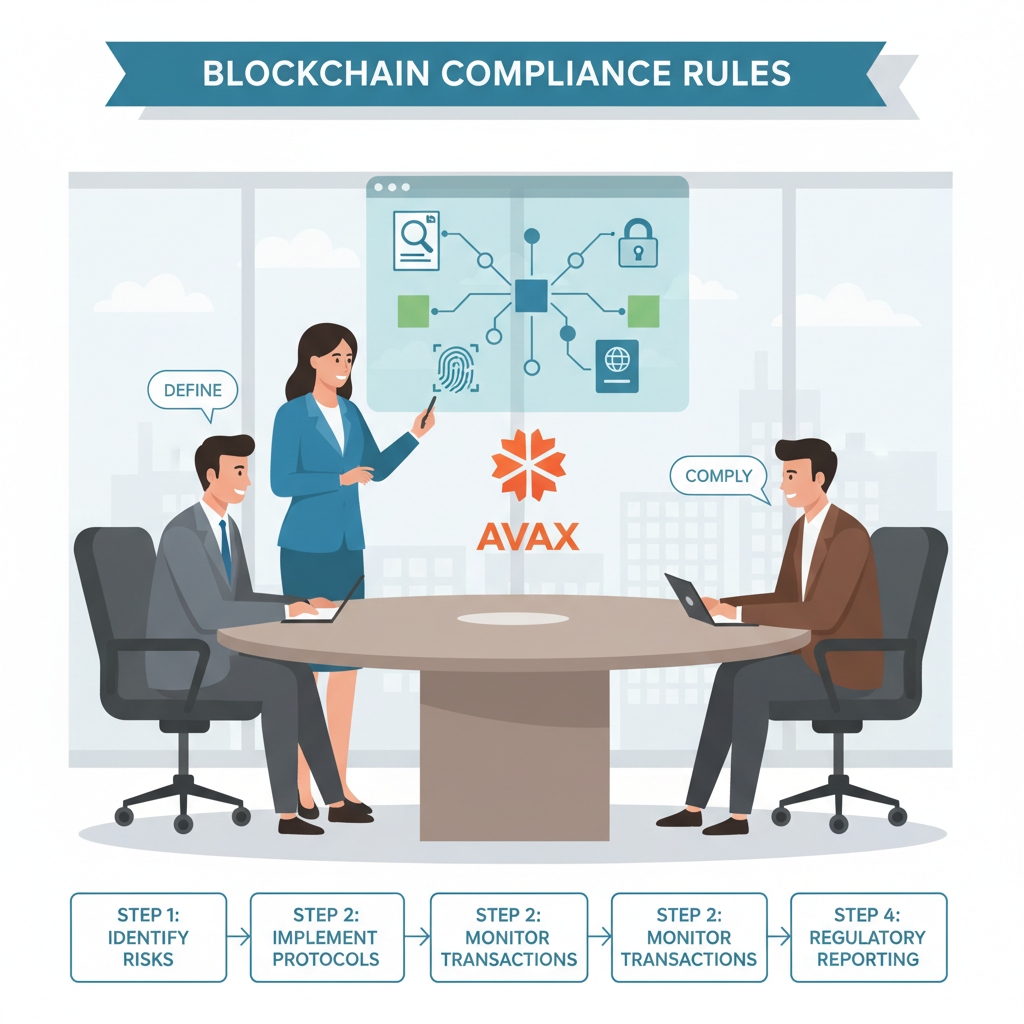
Launching demands precision, blending technical prowess with regulatory foresight. Ava Labs equips teams with tools for rapid prototyping, but success hinges on upfront compliance mapping.
Banks' Blueprint: Launching Compliant Avalanche Subnets
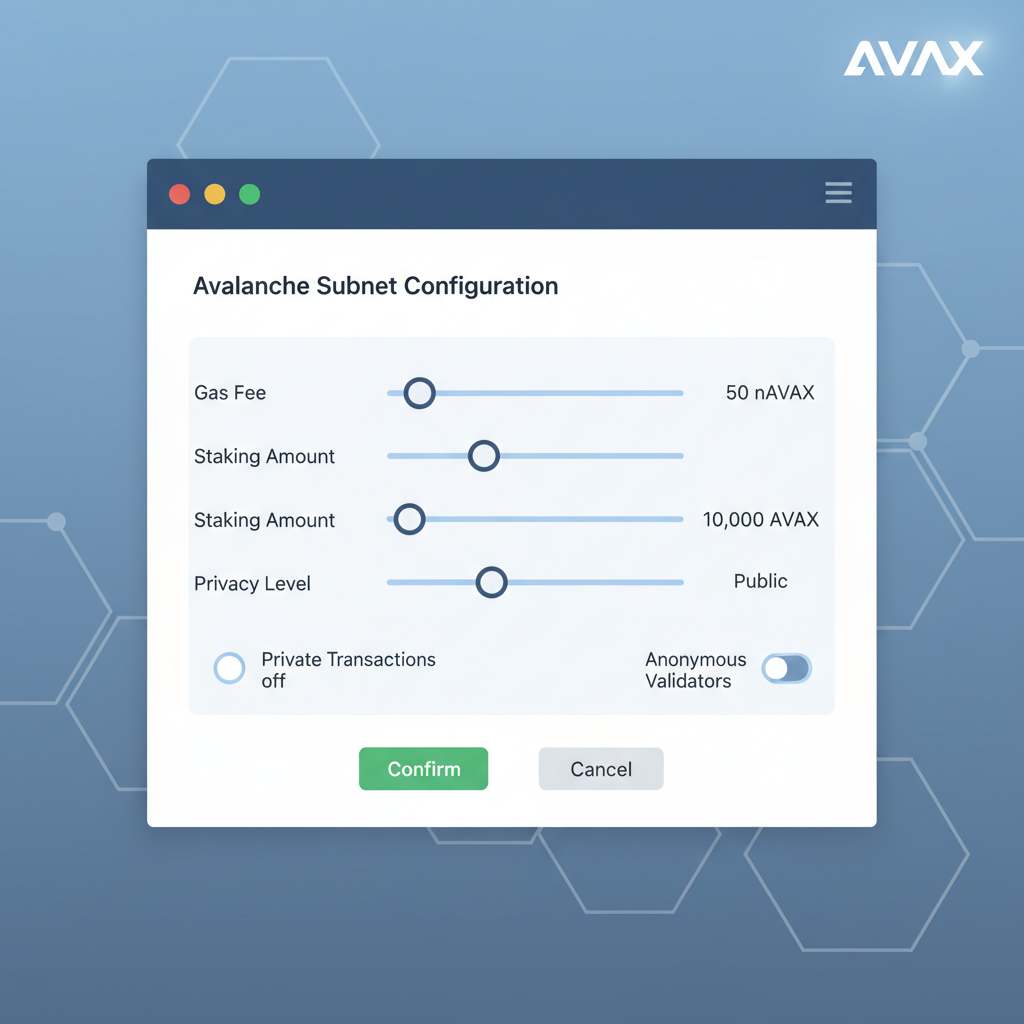

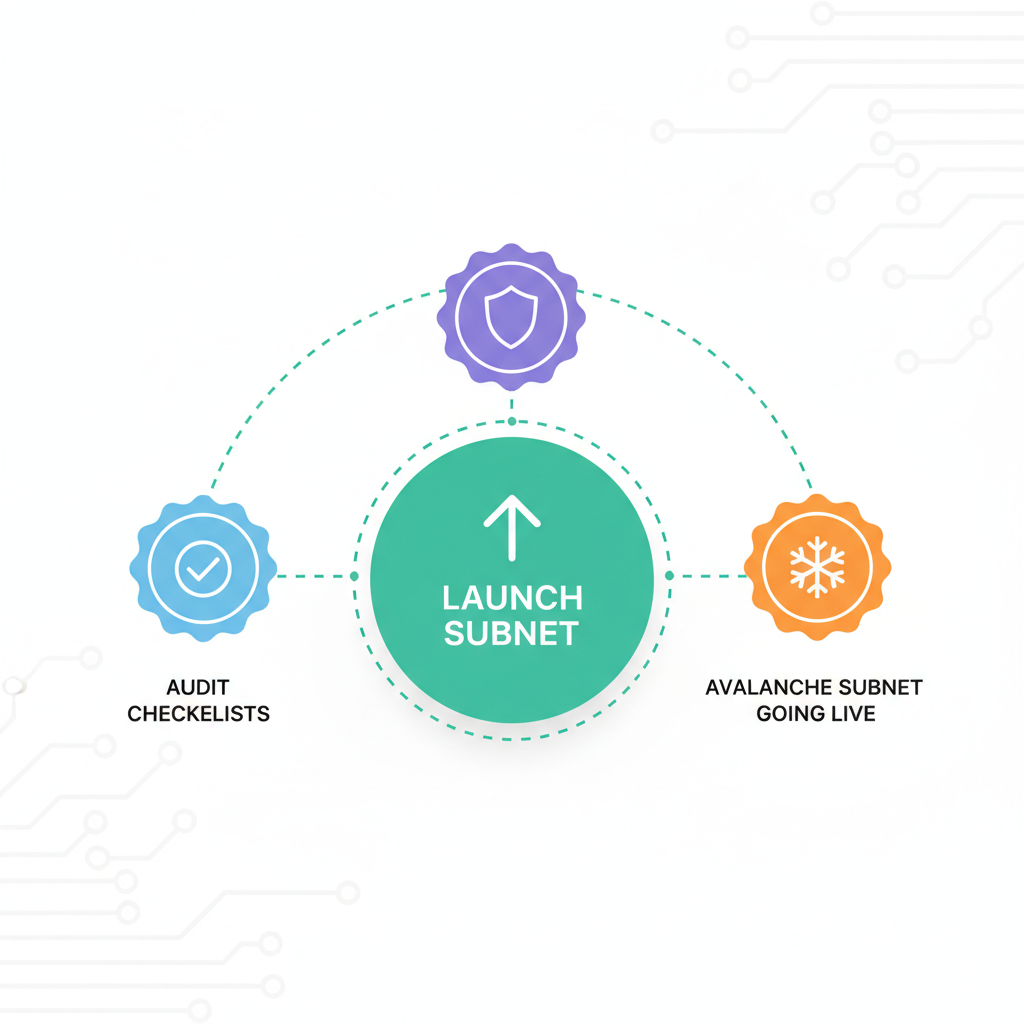
Post-launch, monitoring validator performance and staking yields becomes routine. With AVAX at $10.03, staking offers yields hedging inflation risks, a tactic I've deployed to stabilize enterprise treasuries amid market dips.
Institutions like those on Spruce testnet illustrate real traction. T. Rowe Price and peers explore settlement for funds and derivatives, leveraging subnets' throughput exceeding 4,500 TPS. This isn't hype; it's measured progress toward tokenized capital markets, where asset manager blockchain infrastructures reduce T and 2 to T and 0.
Navigating Risks in Subnet Adoption
Caution defines my counsel: subnets amplify control but invite misconfiguration traps. Overly restrictive permissioning stifles liquidity; lax KYC invites fines. Regulatory flux, from MiCA to SEC scrutiny, necessitates agile governance. Mitigation? Embed oracle redundancies and conduct war-game simulations, as I've guided clients through DeFi stress tests.
Evergreen Subnets mitigate some risks via standardized compliance templates, yet custom tweaks require legal vetting. Galaxy's outlook on self-regulated L1s excites, but only with robust slashing mechanisms to deter malice.
Looking ahead, Avalanche's subnet ecosystem, now at 25 and climbing, positions it for institutional dominance. Grove's move and Spruce validators signal tipping points. For forward-thinking banks and managers, deploying bank custom subnets isn't optional; it's a hedge against disruption. With AVAX's resilience at $10.03, the risk-reward skews favorably for those who architect prudently. Sovereign chains await those bold yet measured enough to claim them.




No comments yet. Be the first to share your thoughts!