
In February 2026, as Avalanche (AVAX) trades at $8.53 after a 9.93% dip over the past 24 hours, enterprises are doubling down on its Layer 1 blockchains, previously known as subnets. This price pullback from a high of $9.63 underscores the volatility inherent in public chains, yet it masks a quieter revolution: institutions building sovereign blockchains on Avalanche that prioritize compliance over speculation. These custom networks offer full control over validators, data privacy, and regulatory alignment, making them ideal for risk-averse organizations entering blockchain.
From my vantage as a risk manager who's hedged billions in DeFi exposures, this shift feels like a maturing asset class. Public chains like Avalanche's Primary Network deliver speed and scalability, but enterprises crave sovereignty. Subnets - or L1s as they're now termed - let firms define membership rules, tokenomics, and even KYC enforcement, bridging the gap between permissionless innovation and institutional guardrails.
Why Enterprises Demand Sovereign Control in 2026
Regulatory scrutiny has evolved sharply by 2026, with frameworks like MiCA in Europe and evolving SEC guidelines in the U. S. demanding verifiable compliance. Traditional enterprise chains often sacrifice interoperability for privacy, but enterprise Avalanche subnets flip this script. They inherit Avalanche's sub-second finality and 4,500 and TPS capacity while allowing bespoke rules - think whitelisted validators for financial institutions or encrypted data layers for SaaS providers.
Avalanche's architecture shines here: sovereign networks maintain independence yet tap the Primary Network for cross-chain messaging via Avalanche Warp Messaging. This isn't mere scaling; it's custom Avalanche subnets for institutions that hedge against systemic risks. In volatile markets, where AVAX hovers at $8.53, these deployments insulate enterprises from retail-driven swings, focusing instead on throughput and uptime guarantees.
Compliance Meets Customization: The Subnet Edge
Diving deeper, Avalanche subnets enable sovereign blockchains on Avalanche with granular controls. Validators can enforce geographic restrictions, asset tokenization standards, or even integrate with legacy systems via APIs. Unlike monolithic platforms, subnets support unlimited horizontal scaling - spin up one for supply chain tracking, another for tokenized securities, all interoperable.
Take Akave Cloud: launched on an Avalanche L1, it delivers decentralized storage that's encrypted, programmable, and verifiable. Perfect for enterprise SaaS or decentralized AI, where data sovereignty trumps cloud lock-in. Then there's Avalanche Evergreen Subnets, blending public liquidity with private chain features. These aren't hype; they're deployed solutions addressing the permissioned dApps that regulatory hurdles once confined to silos.
Insightfully, this model mitigates oracle risks and front-running exploits plaguing unified chains. Enterprises gain audit trails indistinguishable from public ledgers, yet with tailored visibility. As AVAX sits at $8.53, down from $9.63 highs, such infrastructure positions adopters to capture upside when institutional inflows resume.
Institutional Bridges: From Gaming to Finance
Avalanche's ecosystem proves subnets' versatility. Luganodes notes their role as institutional bridges - compliant for finance, flexible for gaming universes. Projects like those in Zeeve's ecosystem showcase innovations from DeFi to real-world assets, all on sovereign networks defining their own economics.
Instanodes emphasizes application-specific blockchains maintaining sovereignty while leveraging Avalanche's consensus. For risk managers like me, this means hedging volatility through diversified L1s: one subnet for high-frequency trading, another for compliant RWAs. By 2026, Avalanche subnets enterprise adoption is no longer nascent; it's operational, with AVAX's $8.53 price reflecting short-term noise amid long-term enterprise momentum.
Avalanche (AVAX) Price Prediction 2027-2032
Forecasts based on enterprise L1 (Subnet) adoption, institutional inflows, and market cycles | Baseline 2026 Avg: $15
| Year | Minimum Price | Average Price | Maximum Price | YoY Growth (Avg from Prior Year) |
|---|---|---|---|---|
| 2027 | $12 | $25 | $45 | +67% |
| 2028 | $18 | $40 | $75 | +60% |
| 2029 | $25 | $65 | $120 | +63% |
| 2030 | $35 | $100 | $200 | +54% |
| 2031 | $50 | $160 | $320 | +60% |
| 2032 | $70 | $250 | $500 | +56% |
Price Prediction Summary
AVAX is projected to experience robust growth from 2027-2032, with average prices climbing from $25 to $250, driven by enterprise adoption of sovereign L1 blockchains (formerly Subnets), institutional inflows, and ecosystem expansion in DeFi, gaming, and AI. Bullish maxima reflect optimal adoption scenarios, while minima account for market corrections and regulatory risks.
Key Factors Affecting Avalanche Price
- Enterprise L1/Subnets adoption for compliant, sovereign blockchains (e.g., Akave Cloud, Evergreen Subnets)
- Institutional inflows and partnerships boosting liquidity and credibility
- Technological upgrades enhancing scalability, speed, and interoperability
- Crypto market cycles, with potential bull runs post-2026 recovery
- Regulatory developments favoring compliant enterprise solutions
- Competition from other L1s and macroeconomic factors influencing min/max ranges
Disclaimer: Cryptocurrency price predictions are speculative and based on current market analysis. Actual prices may vary significantly due to market volatility, regulatory changes, and other factors. Always do your own research before making investment decisions.
Evergreen Subnets exemplify this evolution, offering institutional-grade deployments that marry public network liquidity with private-chain safeguards. Reflexivity Research highlights how these address regulatory constraints, enabling permissioned dApps without isolation. For enterprises, it's a calculated bet: deploy on proven infrastructure like Avalanche, where AVAX's current $8.53 price signals entry opportunities amid broader adoption.
Risk Mitigation in Sovereign Designs
From a risk management lens - honed over 14 years hedging DeFi and traditional portfolios - custom Avalanche subnets for institutions stand out for their layered defenses. Volatility? Sovereign L1s sidestep Primary Network congestion by ring-fencing validators to trusted nodes, slashing outage risks. Compliance? Built-in rulesets automate KYC/AML, generating immutable audit logs that satisfy MiCA or SEC audits without manual overhead.
Consider oracle dependencies: many chains falter here, but Avalanche Warp Messaging ensures secure cross-subnet data flows, verifiable and tamper-proof. In a market where AVAX dropped to $7.79 lows before rebounding toward $8.53, such features let enterprises focus on alpha generation, not beta exposure. I've seen firms use these for tokenized bonds or supply chain oracles, yielding 20-30% efficiency gains over legacy systems.
Key Advantages of Enterprise Avalanche Subnets
- Sovereignty: Customizable L1 blockchains enable full control over validators, membership rules, and token economics for tailored enterprise needs.
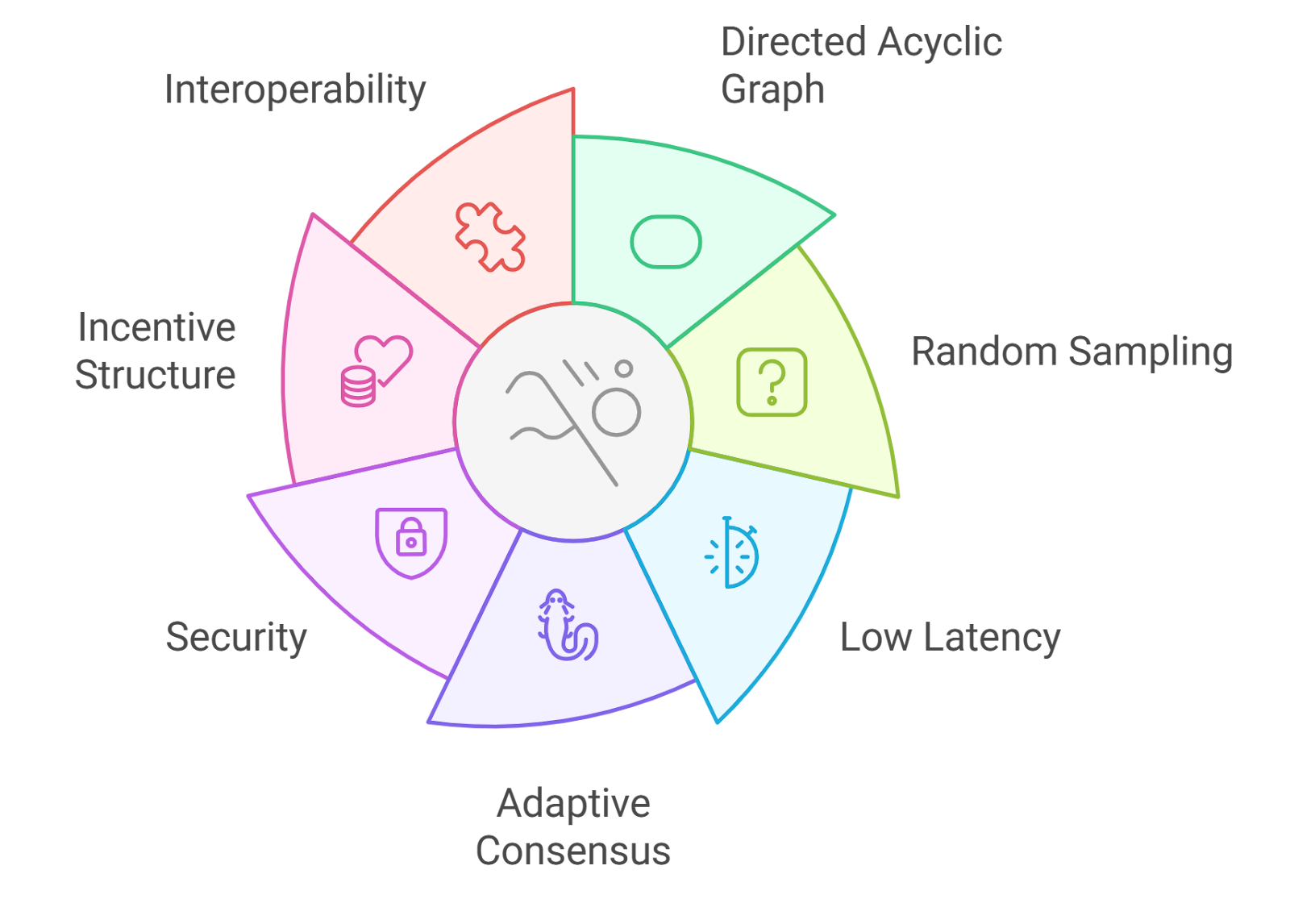
- Compliance Tools: Features like Evergreen Subnets support permissioned networks and regulatory-compliant deployments for institutional use.
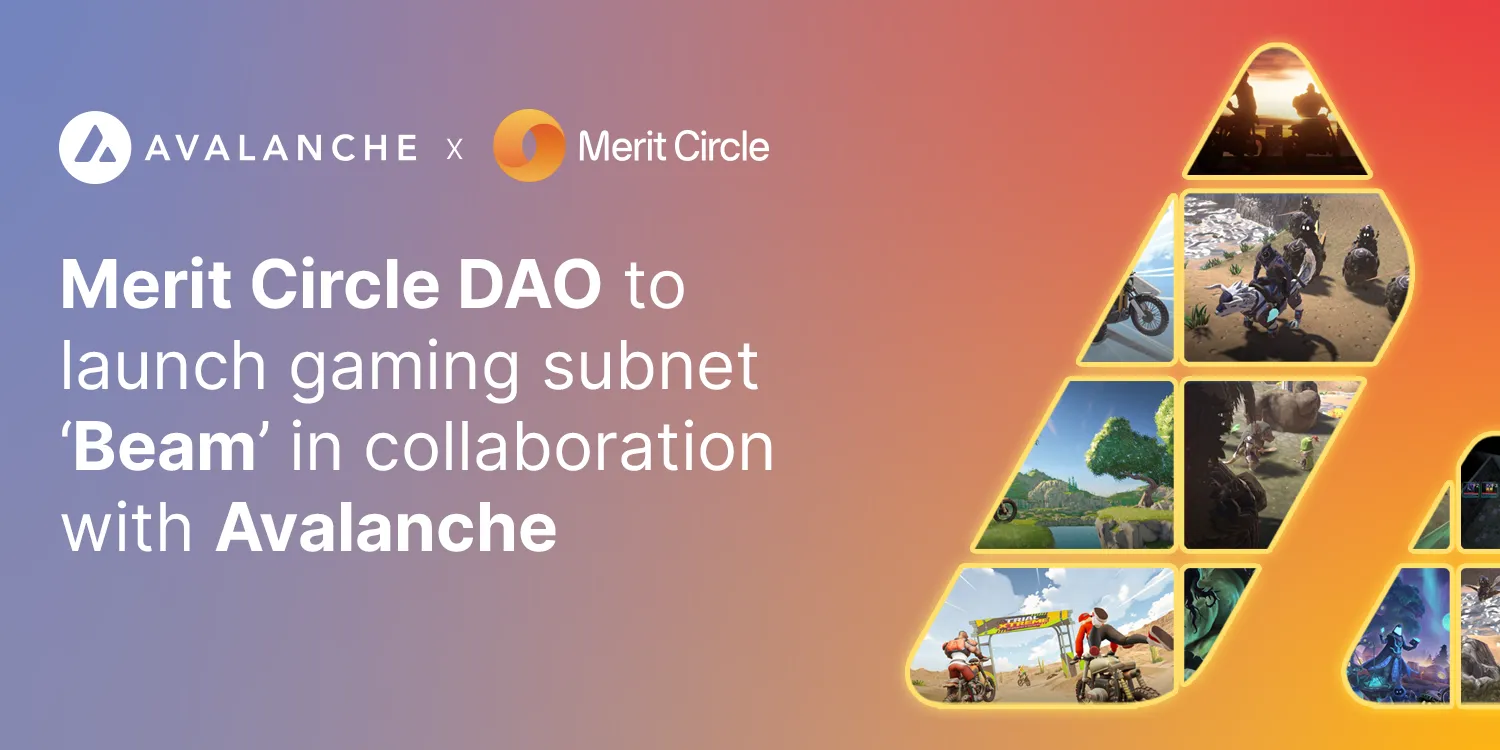
- Sub-Second Finality: Achieves near-instant transaction confirmation, ideal for high-throughput enterprise applications.
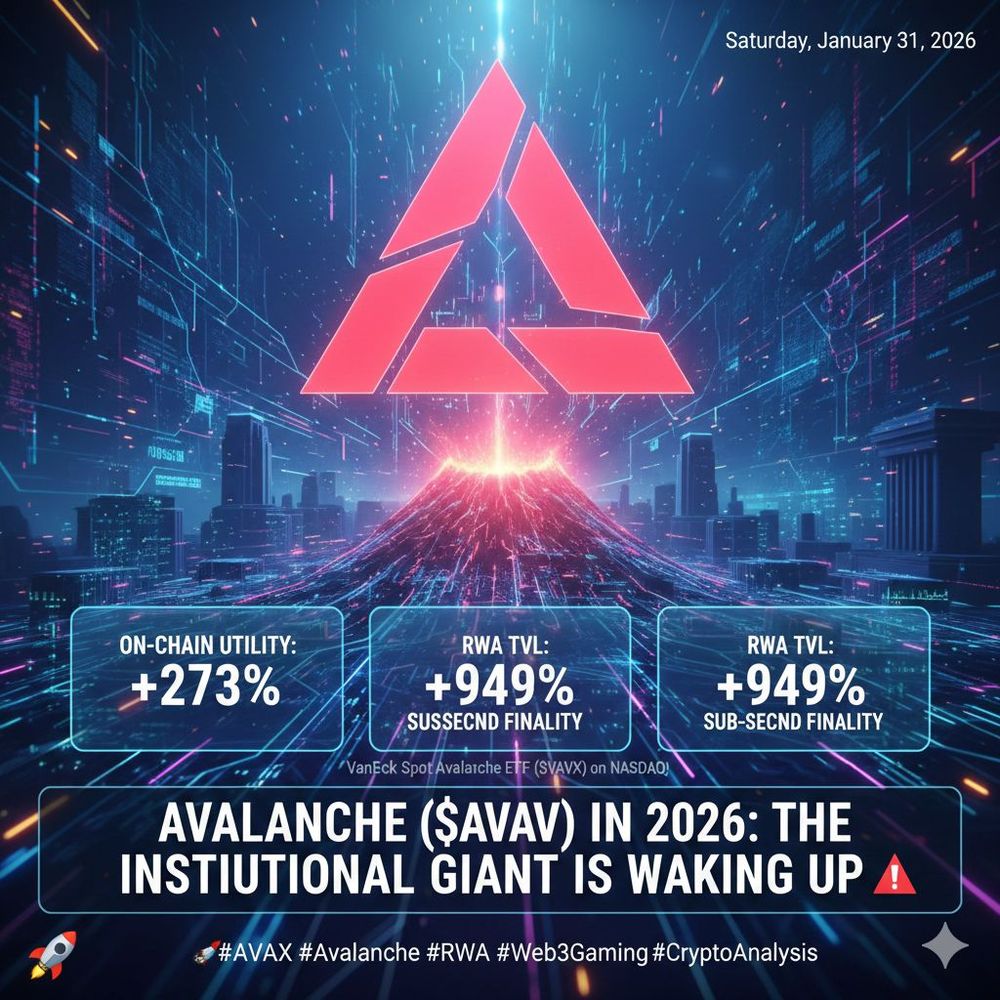
- Unlimited Scaling: Supports horizontal scaling via independent subnets without compromising performance or security.
- Warp Messaging Interoperability: Enables seamless cross-subnet communication for interconnected enterprise ecosystems.
Yet caution tempers optimism. Subnet sovereignty demands rigorous validator selection; poor choices invite centralization risks. Enterprises must balance customization with decentralization, perhaps starting with hybrid models blending public incentives and private oversight.
2026 Roadmap: Enterprise Momentum Builds
Looking ahead, Avalanche9000 upgrades promise even finer scalability, pushing TPS into six figures while Evergreen initiatives target finance and AI verticals. CMCC Global and OKX analyses underscore subnets as sovereign networks with bespoke tokenomics - ideal for RWAs or enterprise consortia. Zeeve's project ecosystem reveals gaming subnets evolving into metaverses with real IP compliance, while Luganodes bridges to TradFi pipelines.
Akave Cloud's traction in decentralized AI storage signals SaaS disruption: imagine verifiable data layers powering compliant ML models, all on an Avalanche L1. As institutional blockchain subnets 2026 proliferate, expect pilots from banks tokenizing private credit or manufacturers tracking provenance. AVAX at $8.53 today? It's undervalued noise; enterprise inflows could catalyze rebounds, much like past cycles rewarded infrastructure bets.
These aren't theoretical; MEXC and LeveX reports confirm real-world tailoring for high-stakes use cases. Instanodes' application-specific chains maintain sovereignty atop Avalanche's consensus, hedging against monolithic failures. For risk managers, the equation is clear: subnets maximize reward by minimizing uncontrolled variables.
Institutions eyeing Avalanche subnets enterprise adoption should prioritize providers versed in FRM-grade hedging - those who stress-test against black swans. In 2026's regulatory thicket, sovereign blockchains on Avalanche aren't a luxury; they're the compliant path to blockchain's promise. With AVAX steadying at $8.53 post-dip, the window for strategic positioning widens, rewarding the cautious over the impulsive.




No comments yet. Be the first to share your thoughts!