

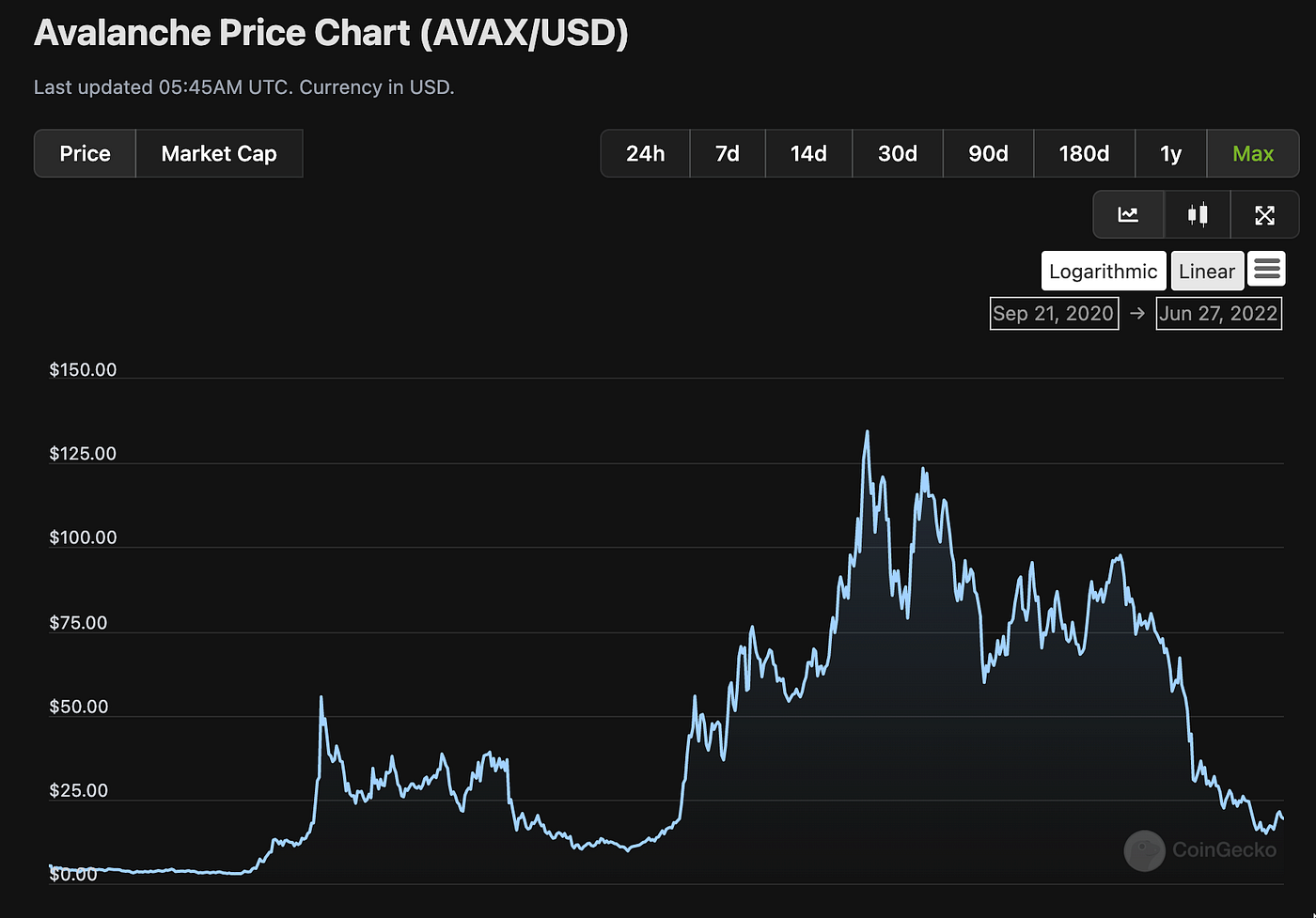
In 2026, with Avalanche (AVAX) holding steady at $8.92 after a 24-hour dip of -3.57%, enterprises are accelerating their shift toward custom Avalanche subnets enterprise solutions. This price resilience underscores the platform's maturing ecosystem, where over 100 active subnets power everything from supply chain tracking for Toyota to tokenized assets for SMBC. As institutional blockchain infrastructure demands sovereignty and scalability, Avalanche's subnet architecture stands out, offering private blockchains that sidestep public network congestion while tapping into high-throughput performance.
Avalanche Subnets Surge as Preferred Framework for Enterprise Private Blockchains
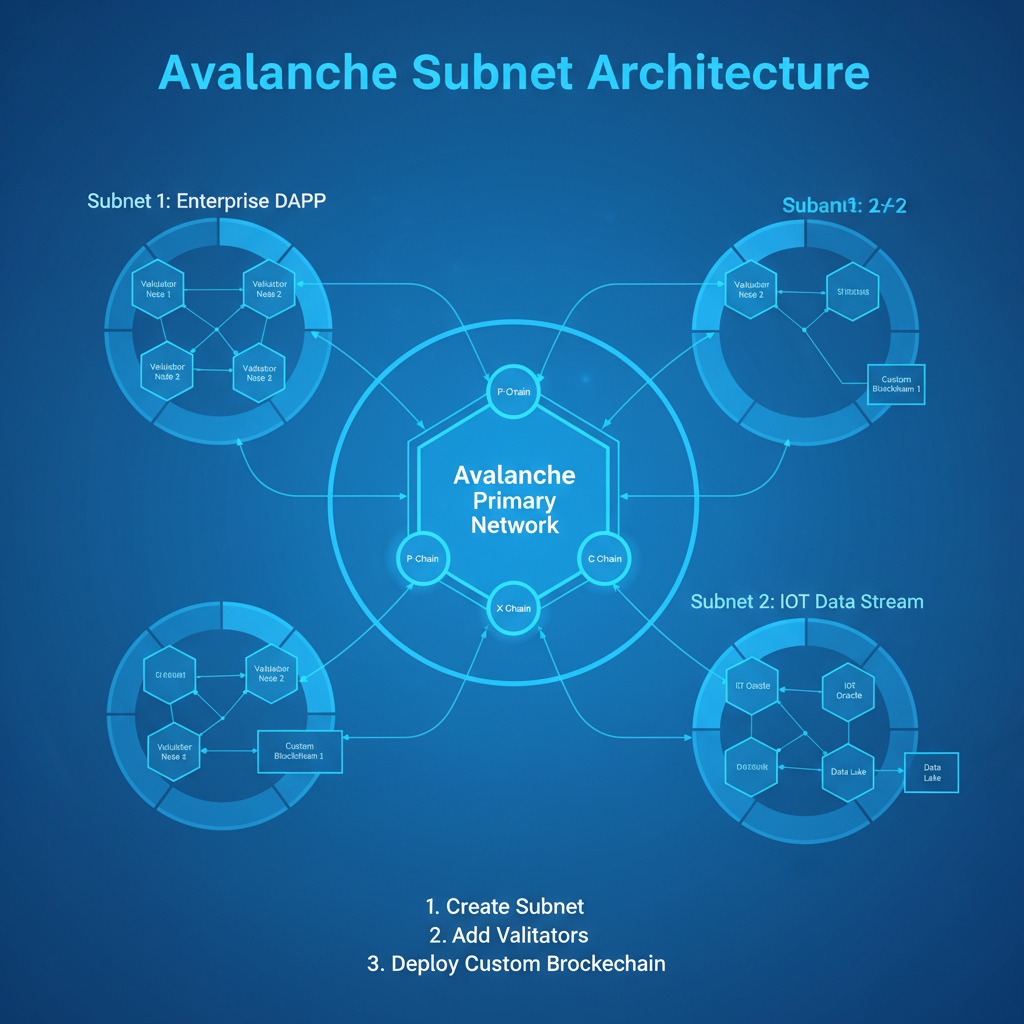
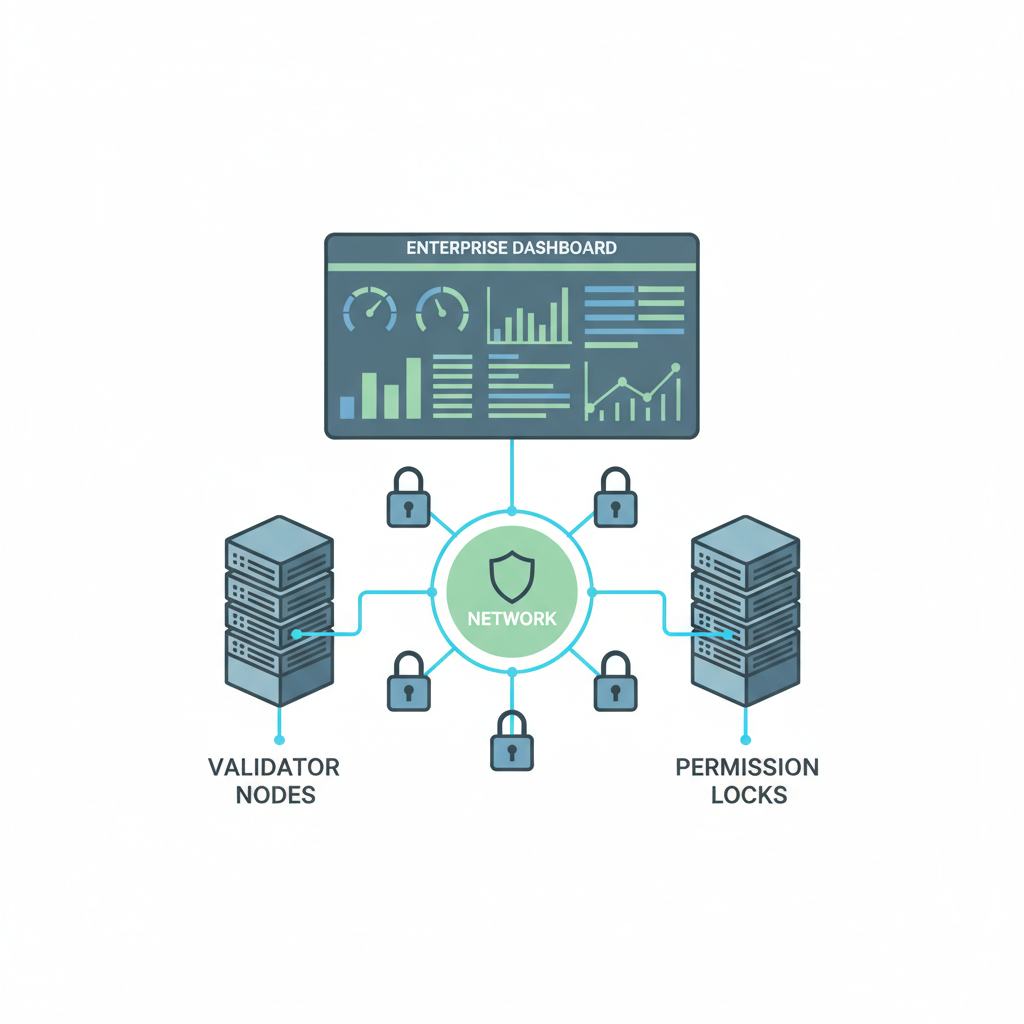
The momentum behind Avalanche subnets deployment 2026 is undeniable. By mid-2025, major players like FIFA joined the fray, deploying subnets for fan engagement and digital collectibles. Fast-forward to February 2026, and Avalanche's 'Evergreen' subnets have solidified its edge, enabling permissioned validators, geofencing for compliance, and seamless EVM compatibility. Unlike rigid public chains, these enterprise private blockchains Avalanche setups let organizations craft tailored networks - think isolated blockchains for internal finance or AI-driven supply chains, all interoperable with the primary network.
From my vantage as an enterprise blockchain consultant, I've seen clients slash deployment times from months to weeks using tools like the ava-labs/subnet-evm GitHub repo. Operational simplicity reigns: spin up a subnet-EVM for custom gas tokens or consensus rules without mainnet limitations. Sources like Instanodes highlight this as the top framework for scalable appchains, crediting Avalanche's routing scheme for flexibility that Zeeve's beginner guides unpack so well.

Unlocking Sovereign Control and High Throughput in Institutional Subnets
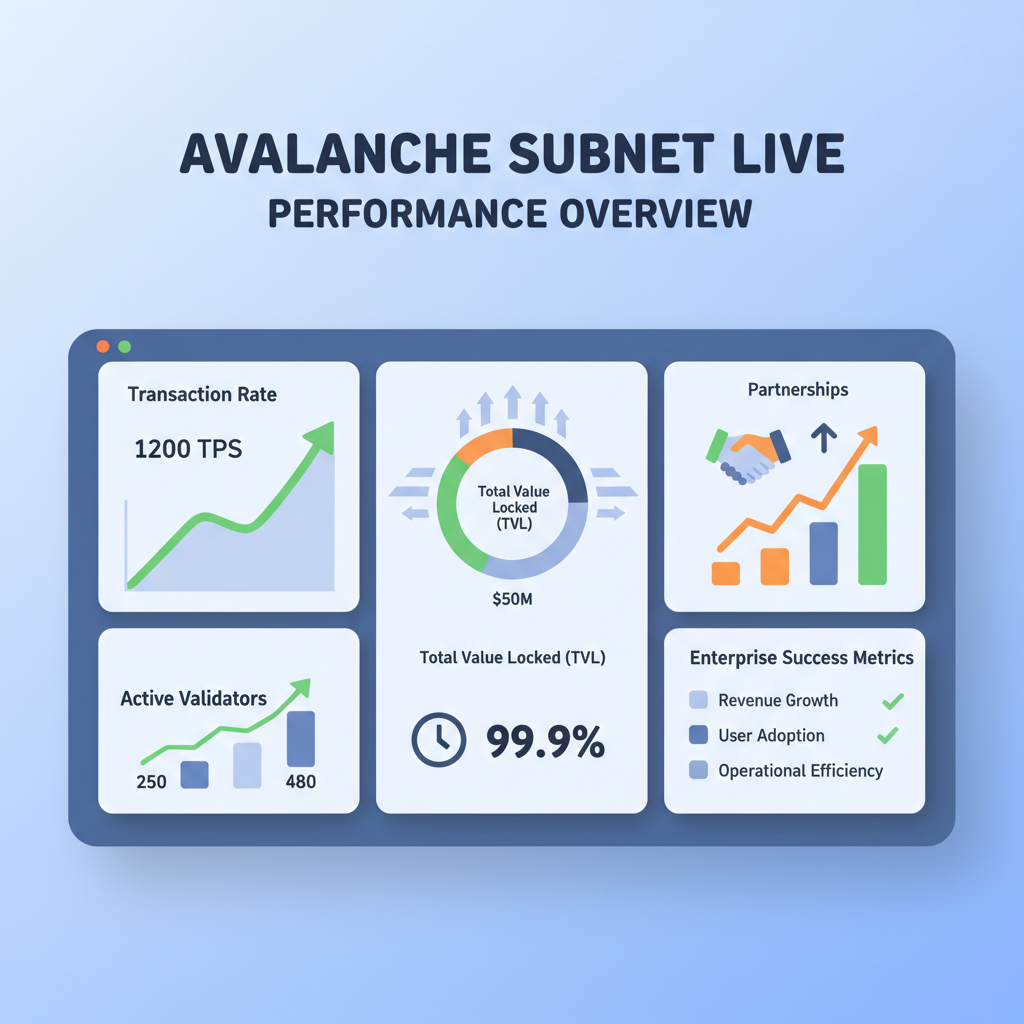
For institutions eyeing sovereign Avalanche subnets institutions, the appeal boils down to control without compromise. Private subnets mean your validators, your rules - no shared infrastructure risks. TokenMinds nails it: ditch crowded public chains for bespoke blockchains handling sensitive data like tokenized financial assets or stablecoin ops. High throughput shines here; Avalanche subnets process thousands of TPS, ideal for enterprise apps where latency kills deals.
Consider the sectors thriving: finance leverages permissioning for KYC-compliant chains, governments geofence for regulatory silos, and AI firms build verifiable data layers. Chainstack's tutorial series demystifies nodes, chains, and wallets, but the real game-changer is customization - subnet-EVM for Ethereum devs, or novel VMs for niche needs. I've advised firms on this, watching costs drop 40-60% versus legacy DLT while boosting efficiency through Avalanche's consensus magic.
Avalanche (AVAX) Price Prediction 2027-2032
Projections amid enterprise subnet adoption and market momentum (Baseline: $8.92 in Feb 2026)
| Year | Minimum Price | Average Price | Maximum Price | YoY % Change (Avg) |
|---|---|---|---|---|
| 2027 | $12.50 | $25.00 | $45.00 | +108% |
| 2028 | $18.00 | $40.00 | $70.00 | +60% |
| 2029 | $25.00 | $60.00 | $100.00 | +50% |
| 2030 | $35.00 | $85.00 | $140.00 | +42% |
| 2031 | $50.00 | $120.00 | $200.00 | +41% |
| 2032 | $70.00 | $170.00 | $280.00 | +42% |
Price Prediction Summary
AVAX is forecasted to see strong upward trajectory from 2027-2032, fueled by enterprise subnet deployments from major players like Toyota and FIFA, institutional adoption, and Avalanche's scalable architecture. Average prices could compound at ~50% CAGR, reaching $170 by 2032 in base scenarios, with max potentials reflecting bull market cycles and min accounting for regulatory or competitive pressures.
Key Factors Affecting Avalanche Price
- Enterprise adoption of custom Avalanche Subnets for private blockchains
- Institutional investments and partnerships (e.g., Toyota, FIFA, SMBC)
- Technological edges in scalability, EVM compatibility, and interoperability
- Favorable regulatory developments for enterprise blockchain
- Crypto market cycles with Bitcoin halving influences
- Competition from Solana/Ethereum but unique subnet differentiation
- Growing use cases in finance, supply chain, AI, and tokenized assets
Disclaimer: Cryptocurrency price predictions are speculative and based on current market analysis. Actual prices may vary significantly due to market volatility, regulatory changes, and other factors. Always do your own research before making investment decisions.
Strategic Planning for Your Custom Subnet Deployment
Deploying high throughput enterprise subnets starts with alignment: define use cases like asset tokenization or supply chain provenance. Assess needs - EVM compatibility? Custom tokens? Map validators to jurisdictional rules. Avax. network emphasizes flexible smart contracts as the hook, letting software teams iterate without mainnet friction.
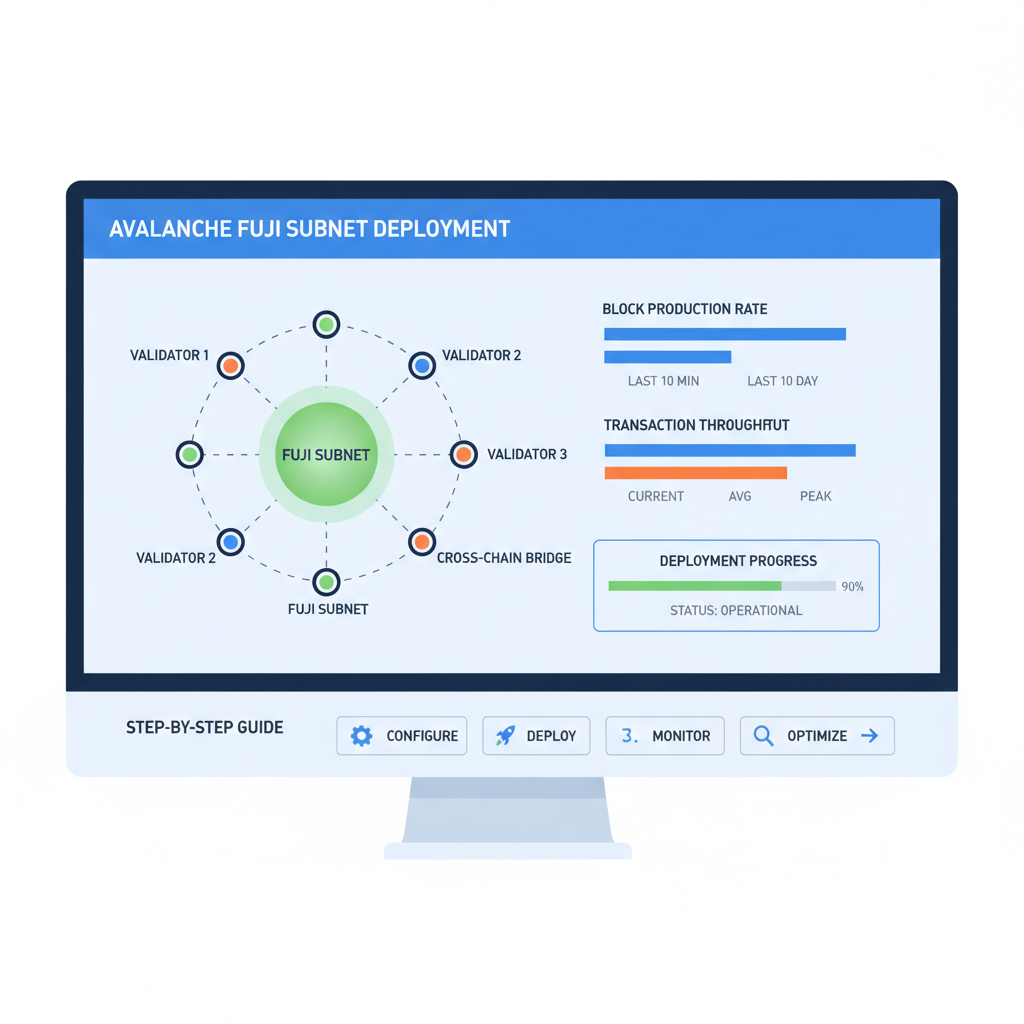
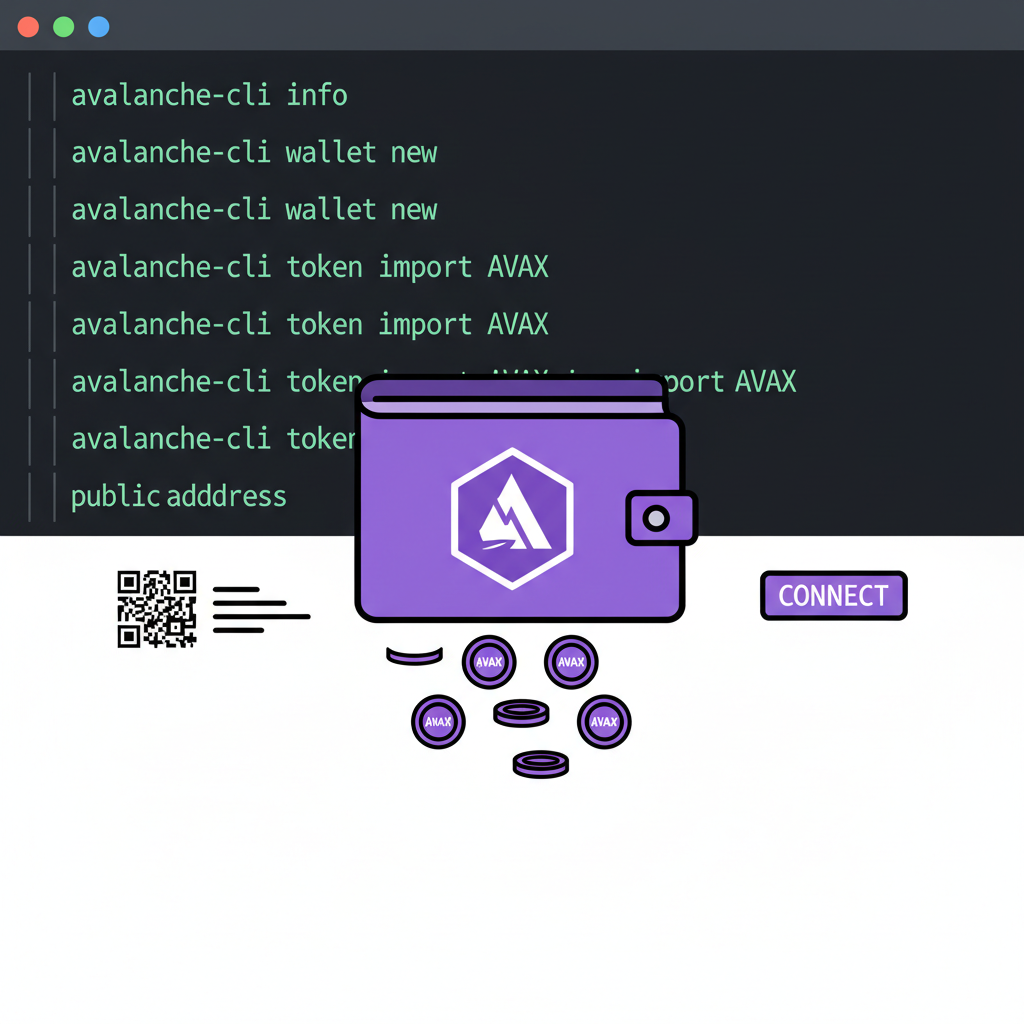
Next, assemble your toolkit. GitHub's subnet-evm offers a launchpad for EVM-based chains; pair it with Chainstack for node ops. Budget for AVAX staking - at $8.92, it's accessible for securing your subnet. Prototype on Fuji testnet, stress-test throughput, then permute validators. My deployments highlight interoperability as key: bridge to C-Chain for liquidity without exposing private data.
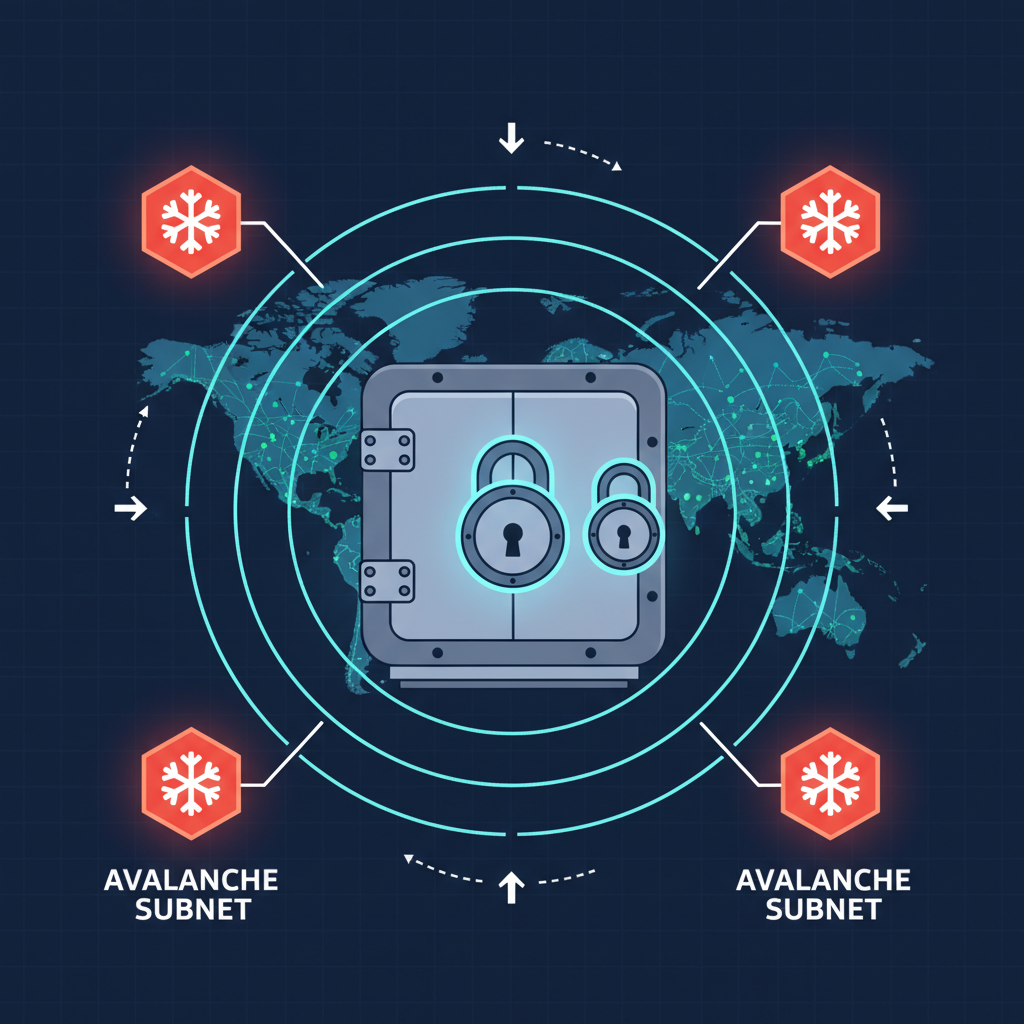
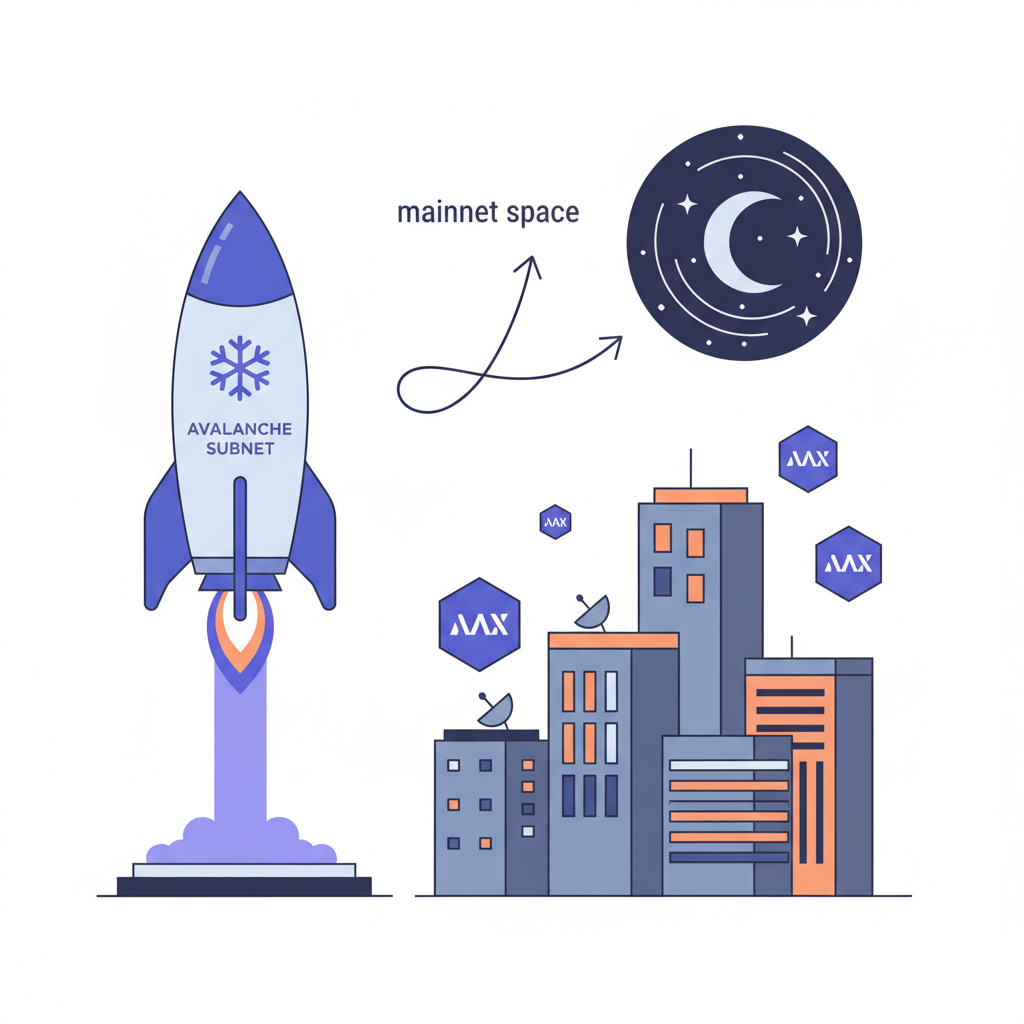
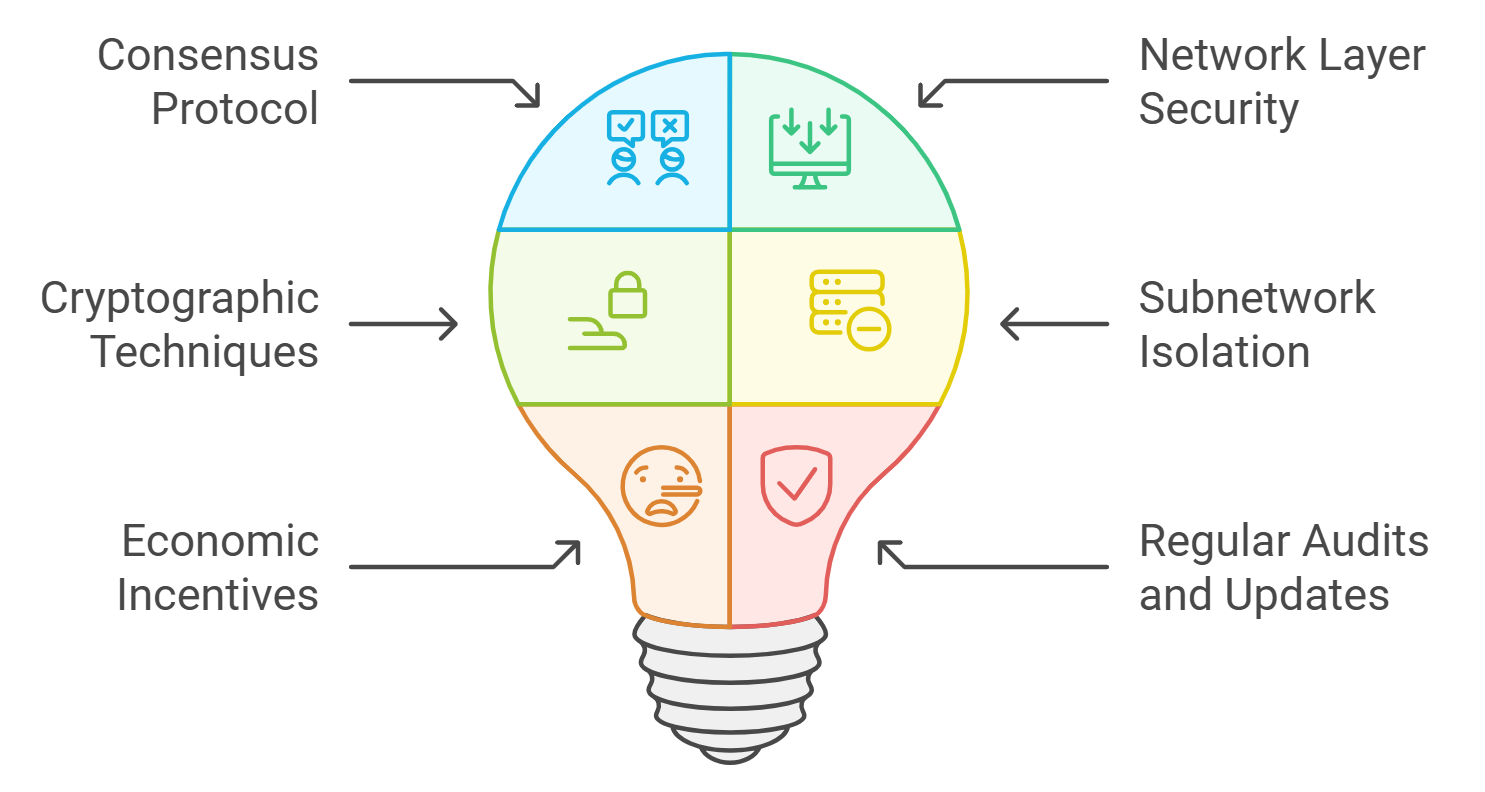
Security layers come next - implement geofencing and permissioned access via Evergreen features to meet compliance demands. I've guided teams through audits, ensuring subnets withstand regulatory scrutiny while maintaining high throughput enterprise subnets at thousands of TPS. Finally, launch on mainnet, monitor with tools from Zeeve or Instanodes, and scale validators as adoption grows.
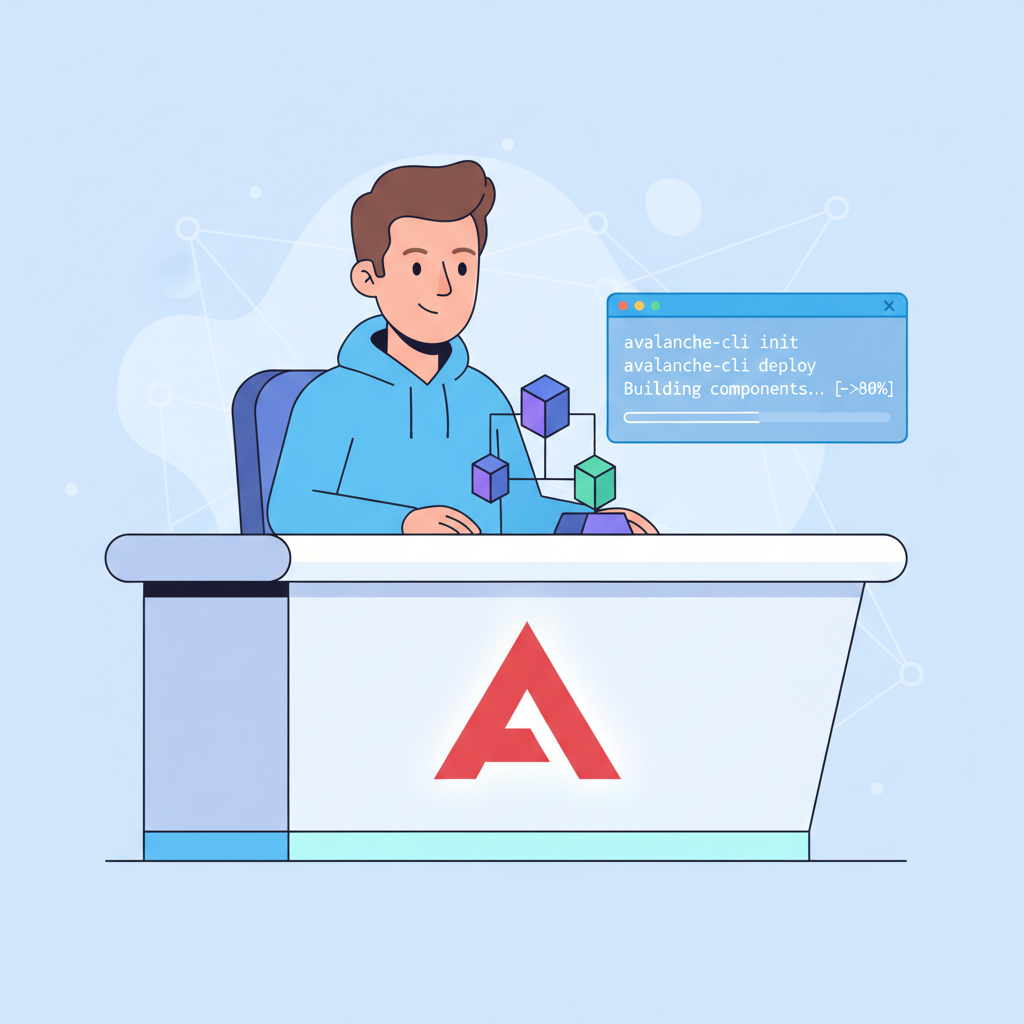
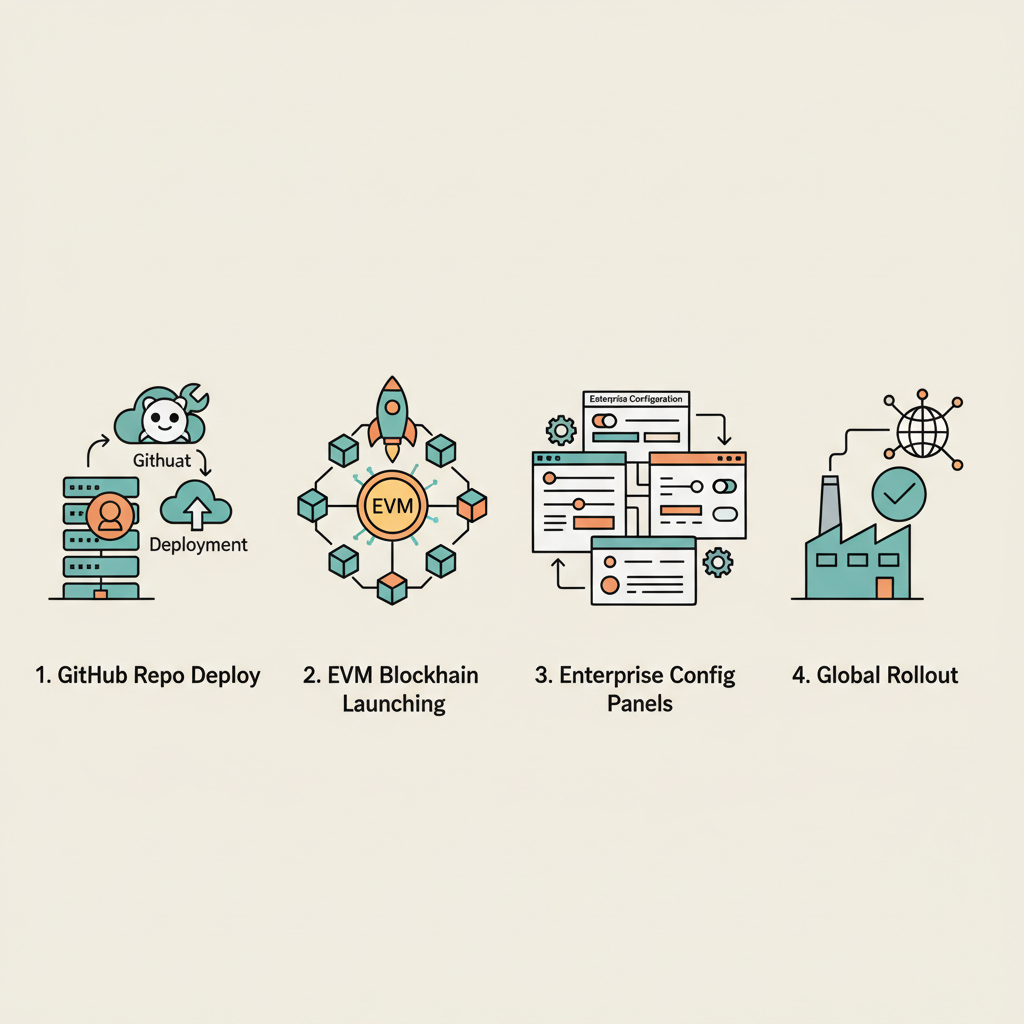
Deploy Your Enterprise Avalanche Subnet: 4 Strategic Steps to Launch in 2026
Real-World Wins: Enterprises Thriving on Custom Subnets
Let's ground this in action. Toyota's subnet tracks parts across global supply chains, verifying provenance without public exposure. FIFA tokenized fan rewards on a dedicated chain, blending engagement with secure NFTs. SMBC experiments with stablecoins, leveraging EVM compatibility for familiar dev workflows. These aren't hypotheticals; they're live proofs of enterprise private blockchains Avalanche delivering ROI. Costs plummet - no more hefty Ethereum gas wars - and sovereignty reigns, with firms controlling their destiny amid AVAX's steady $8.92 perch despite the day's -3.57% dip to a low of $8.92.
From my 11 years in the trenches, the subnet-EVM GitHub repo accelerates this. Fork it, tweak for custom gas or halting rules, deploy nodes via Chainstack tutorials. Blockchain App Factory spotlights subnet-EVM for ventures needing mainnet extras, like specialized oracles or privacy modules. Pair with YouTube deep dives for visual walkthroughs, and you're operational fast.
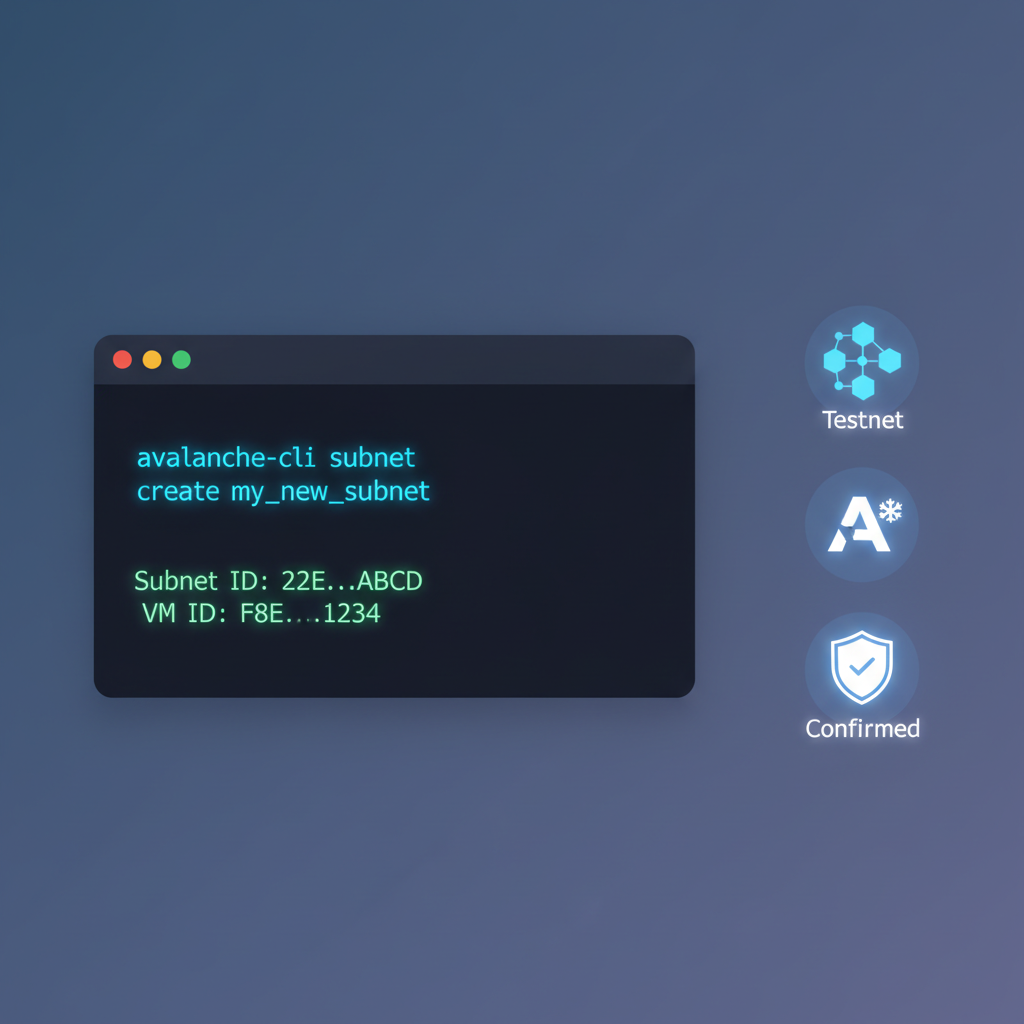
Deploy Enterprise Avalanche Subnets: Your 2026 Step-by-Step Guide
Overcoming Hurdles in Sovereign Subnet Strategies
No path is frictionless. Validator coordination demands trust; geofencing adds ops overhead. Yet Avalanche mitigates with intuitive tools - think automated staking at $8.92 AVAX entry, or interoperability bridges shielding private data. I've coached enterprises past these, prioritizing hybrid models: private core, public liquidity taps. Medium's Ancilar guide echoes this roadmap for 2025-2026 scaling, stressing governance from day one.
Regulatory winds favor this too. With permissioned setups, institutions sidestep SEC ambiguities, focusing on utility over speculation. AI integrations amplify: subnets as verifiable compute layers for models trained on tokenized data. MindDeft's LinkedIn pulse predicts Avalanche dominating 2026 enterprise infra, thanks to deployment speed outpacing rivals.
Key Benefits of Avalanche Subnets
- Sovereign Control: Enterprises customize their own private blockchain with full control over validators, permissions, and network rules, as seen in deployments by Toyota and FIFA.
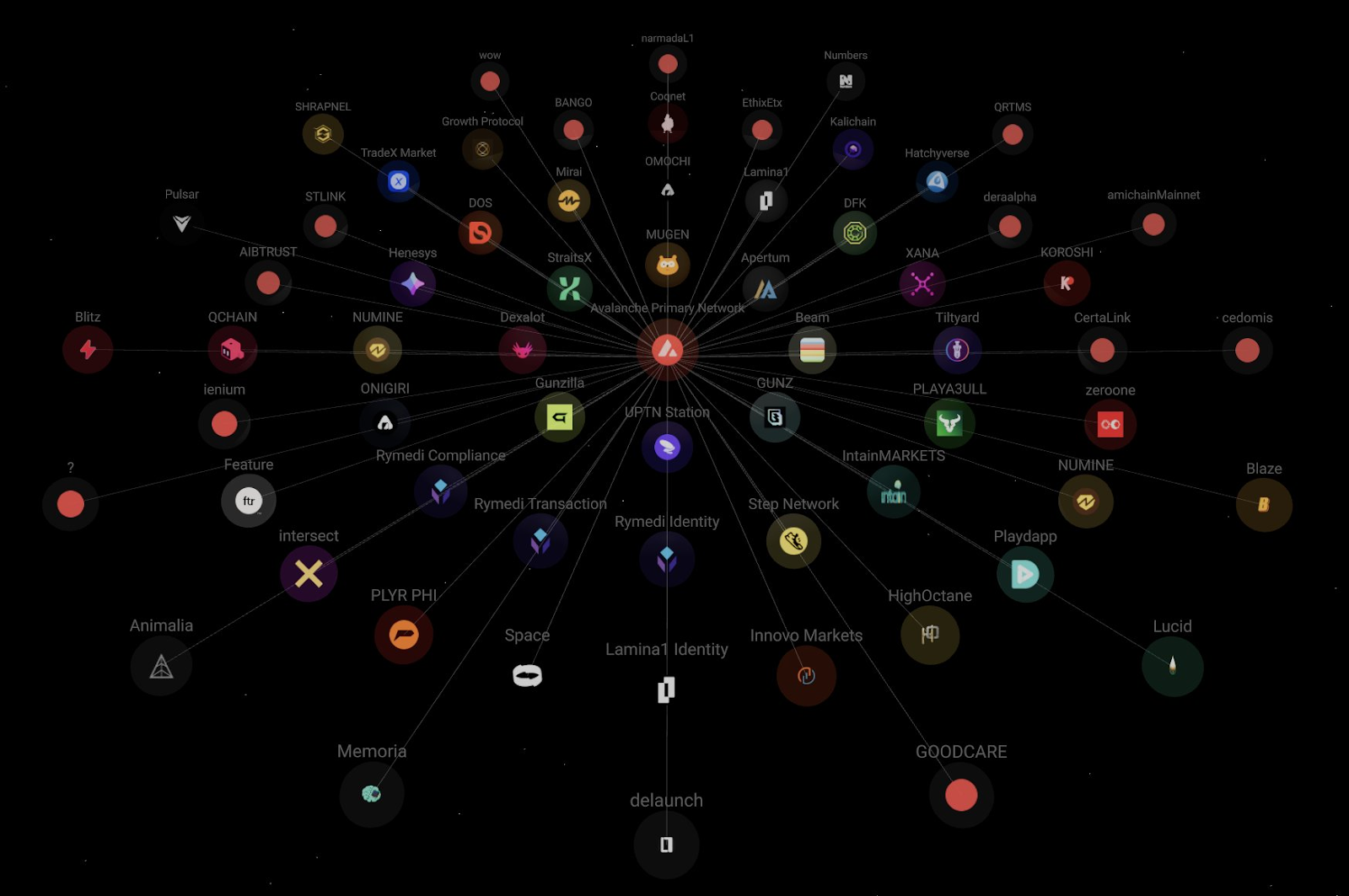
- High TPS Throughput: Subnets deliver exceptional scalability and high transactions per second for demanding enterprise workloads like supply chain management.
- EVM Compatibility: Launch EVM-compatible chains via Subnet-EVM, enabling seamless Ethereum tool integration.
- Cost Savings: Operationally simple and fast deployment reduces infrastructure costs compared to public mainnets or other frameworks.
- Regulatory Compliance via Geofencing: Evergreen Subnets support jurisdictional geofencing and permissioned access for compliance in finance and government sectors.

Charting 2026: Your Edge in Enterprise Web3
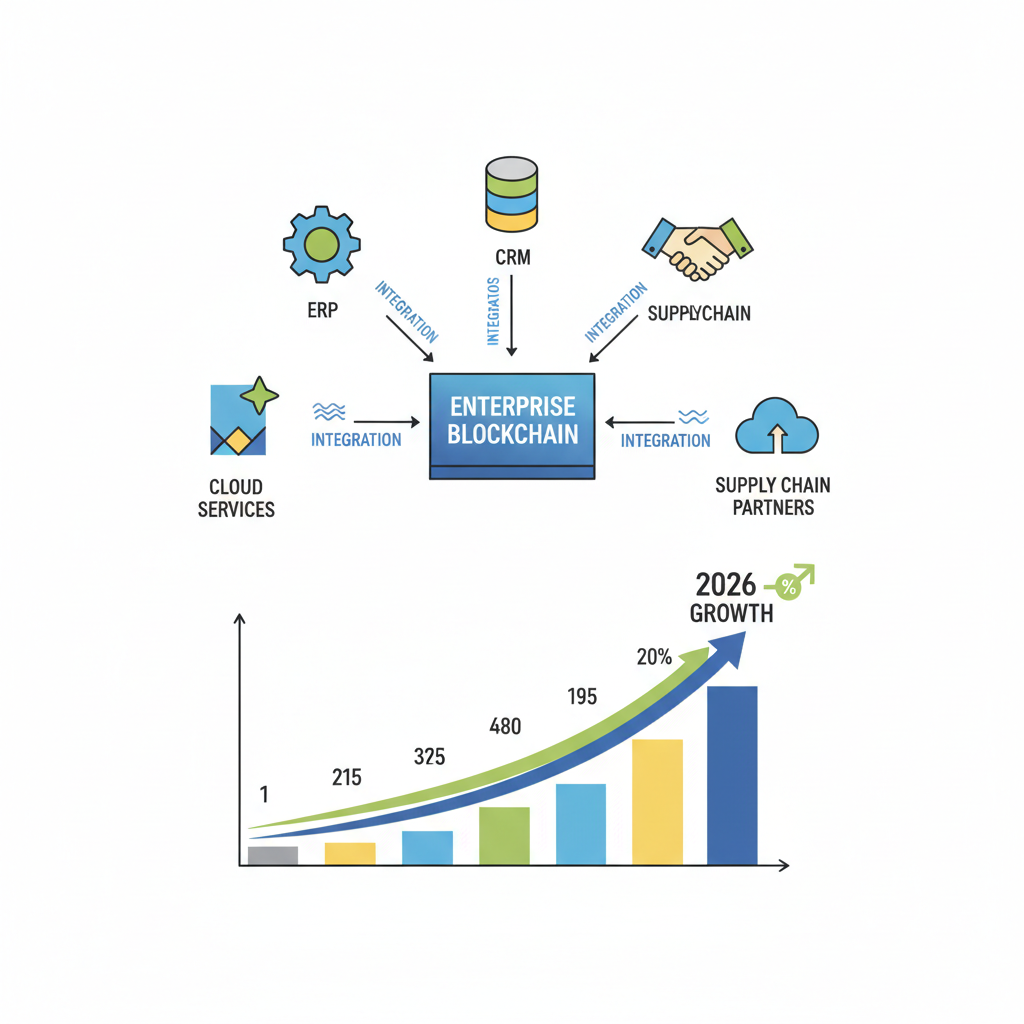
As AVAX holds $8.92 amid market jitters - high $9.26, low $8.92 - subnets position forward-thinkers ahead. Enterprises aren't just adopting; they're architecting futures. Start small: a pilot for internal settlements. Scale to ecosystem plays, bridging suppliers or partners. My mantra holds: secure, sovereign, scalable. Avalanche delivers, turning blockchain from buzzword to balance-sheet booster. Dive into subnet-evm, rally your validators, and claim your slice of this maturing landscape. The tools exist; the momentum surges. Your private blockchain awaits.




No comments yet. Be the first to share your thoughts!