

As Avalanche's native token AVAX trades at $9.16, down 0.97% over the past 24 hours with a high of $9.38 and low of $9.08, the platform's subnet architecture stands out as a beacon for enterprises eyeing sovereign control over their blockchain deployments. In 2025 alone, Avalanche's RWA total value locked skyrocketed nearly 950% year-over-year to over $1.3 billion, fueled by heavyweights like BlackRock's $500 million tokenized fund. This isn't just hype; it's a testament to how custom Avalanche subnets for enterprises deliver the scalability and compliance needed for real-world asset tokenization, all while granting institutions full sovereignty.
Enterprises today demand blockchains that bend to their will, not the other way around. Traditional networks often force compromises on privacy, throughput, or regulatory alignment. Avalanche subnets flip the script, letting organizations spin up dedicated Layer 1 chains with bespoke virtual machines, gas tokens, and validator sets. Picture a hedge fund tokenizing private credit without exposing trades to public scrutiny, or a government digitizing assets with ironclad permissioning. That's the power of enterprise Avalanche subnets RWAs, where sovereignty meets scalability.
Sovereign Subnets: Redefining Institutional Blockchain Control
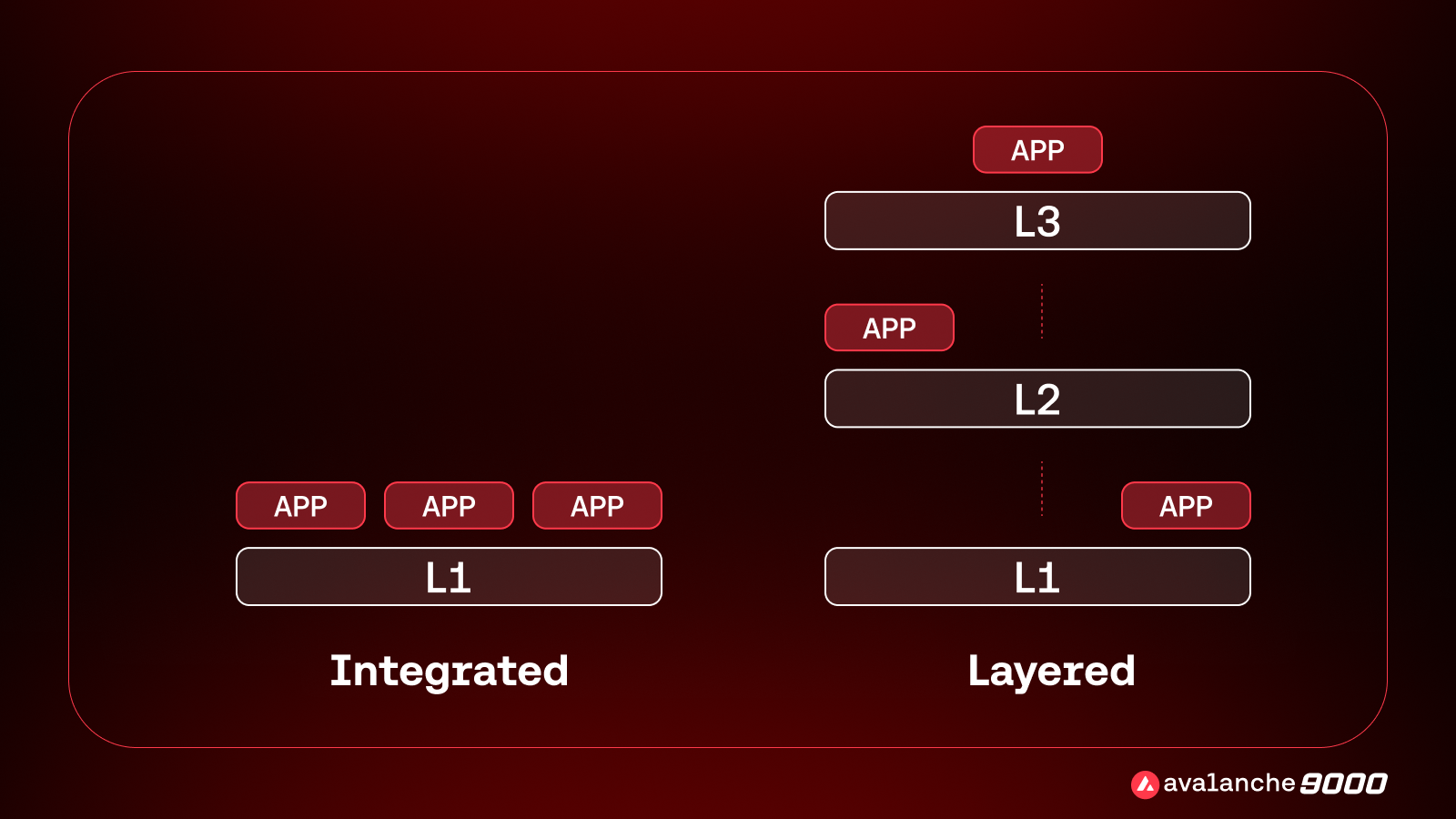
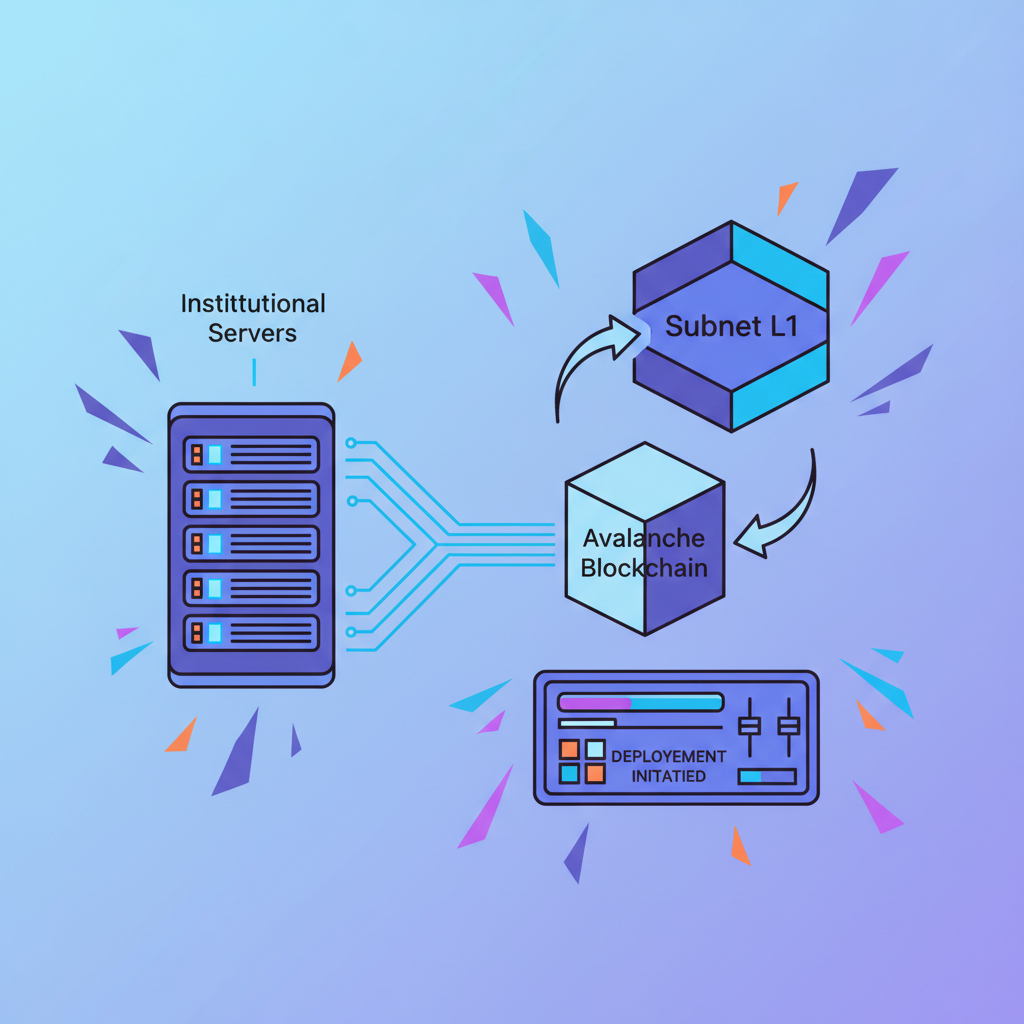
In my nine years analyzing multi-asset portfolios, I've seen few innovations match Avalanche's subnet model for institutional fit. Dubbed L1s in recent parlance, these sovereign subnets institutional blockchain setups allow enterprises to deploy permissioned environments tailored for compliance-heavy use cases. The recent launch of 'Evergreen' Subnets exemplifies this: institutions can now fire up production-ready chains for RWA tokenization or internal settlements with minimal friction.
Why does this matter? Sovereignty means no more begging for mainnet upgrades or navigating congested validators. Enterprises control governance, slashing risks from external actors. Galaxy Research highlights how this customizability supports enterprise DeFi and beyond, while Genfinity notes the surge in Evergreen deployments for custom compliance. For forward-thinking organizations, it's not optional; it's essential for resilient infrastructure.
Avalanche Technical Analysis Chart
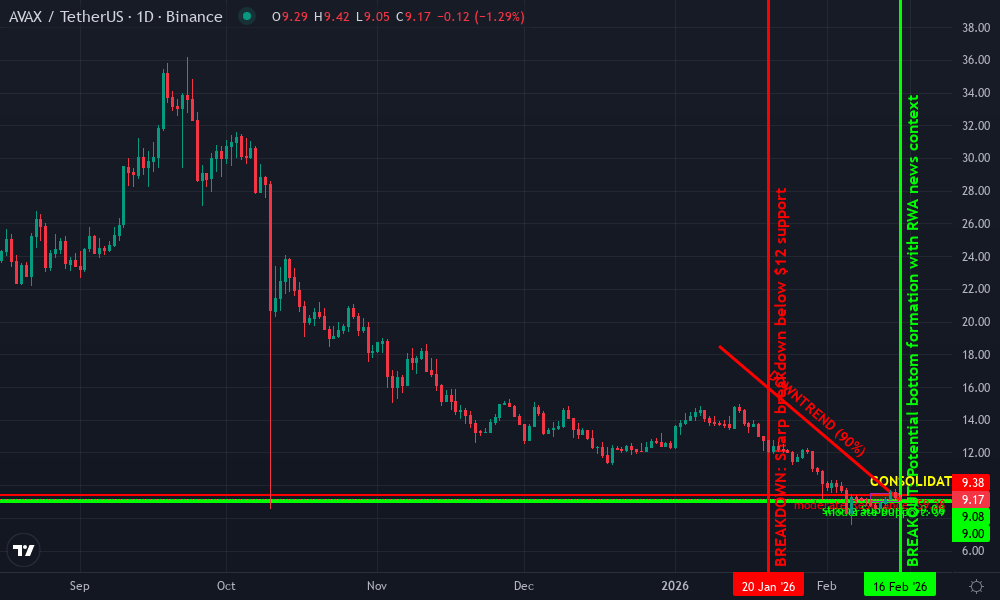
Analysis by Market Analyst | Symbol: BINANCE:AVAXUSDT | Interval: 1D | Drawings: 7
Technical Analysis Summary
Draw a prominent downtrend line connecting the swing high in early January 2026 around $18 to the recent low near $9.08 on February 16, 2026, using 'trend_line' tool in red. Add horizontal support at $9.08 (strong) and $9.38 resistance (moderate). Mark recent consolidation rectangle from Feb 10-16 between $9.00-$9.50. Use fib retracement from recent low to high for potential bounce levels. Add callouts for decreasing volume on pullbacks and MACD bearish crossover. Vertical line for potential bottom on Feb 16. Long entry zone at $9.16 with stop below $9.00, target $10.50. Balanced view: watch for RWA news catalysts amid downtrend.
Risk Assessment: medium
Analysis: Strong downtrend intact but oversold at $9.16 with institutional tailwinds; medium tolerance suits cautious longs
Market Analyst's Recommendation: Scale in longs above $9.16 targeting $10.50, stop $8.90; monitor volume for confirmation
Key Support & Resistance Levels
📈 Support Levels:
- $9.08 - 24h low and chart bottom, strong volume support strong
- $9 - Psychological and extension level below current moderate
📉 Resistance Levels:
- $9.38 - 24h high, immediate overhead moderate
- $10.5 - Prior swing low from mid-Jan, key retrace level weak
Trading Zones (medium risk tolerance)
🎯 Entry Zones:
- $9.16 - Current price basing with green candle, RWA context support medium risk
- $9.3 - Break above 24h high on volume for confirmation low risk
🚪 Exit Zones:
- $10.5 - Fib 38.2% retrace and prior support 💰 profit target
- $8.9 - Below key support invalidates bounce 🛡️ stop loss
Technical Indicators Analysis
📊 Volume Analysis:
Pattern: decreasing on recent pullback, high on decline
Volume climax on drop to $9.08, now drying up signaling potential exhaustion
📈 MACD Analysis:
Signal: bearish but histogram contracting
MACD line below signal with narrowing histogram, possible divergence setup
Applied TradingView Drawing Utilities
This chart analysis utilizes the following professional drawing tools:
Disclaimer: This technical analysis by Market Analyst is for educational purposes only and should not be considered as financial advice. Trading involves risk, and you should always do your own research before making investment decisions. Past performance does not guarantee future results. The analysis reflects the author's personal methodology and risk tolerance (medium).
Scalable RWA Tokenization: Avalanche Subnets Lead the Charge
Tokenizing real-world assets demands speed, security, and liquidity, areas where Avalanche subnets RWA tokenization excels. Unlike Ethereum's gas wars or Solana's outage history, subnets offer sub-second finality and unlimited horizontal scaling via parallel chains. Zeeve argues convincingly that skipping Avalanche L1s for RWAs hampers these very pillars, a view echoed in RWA. io's chain comparisons favoring Avalanche for institutional throughput.
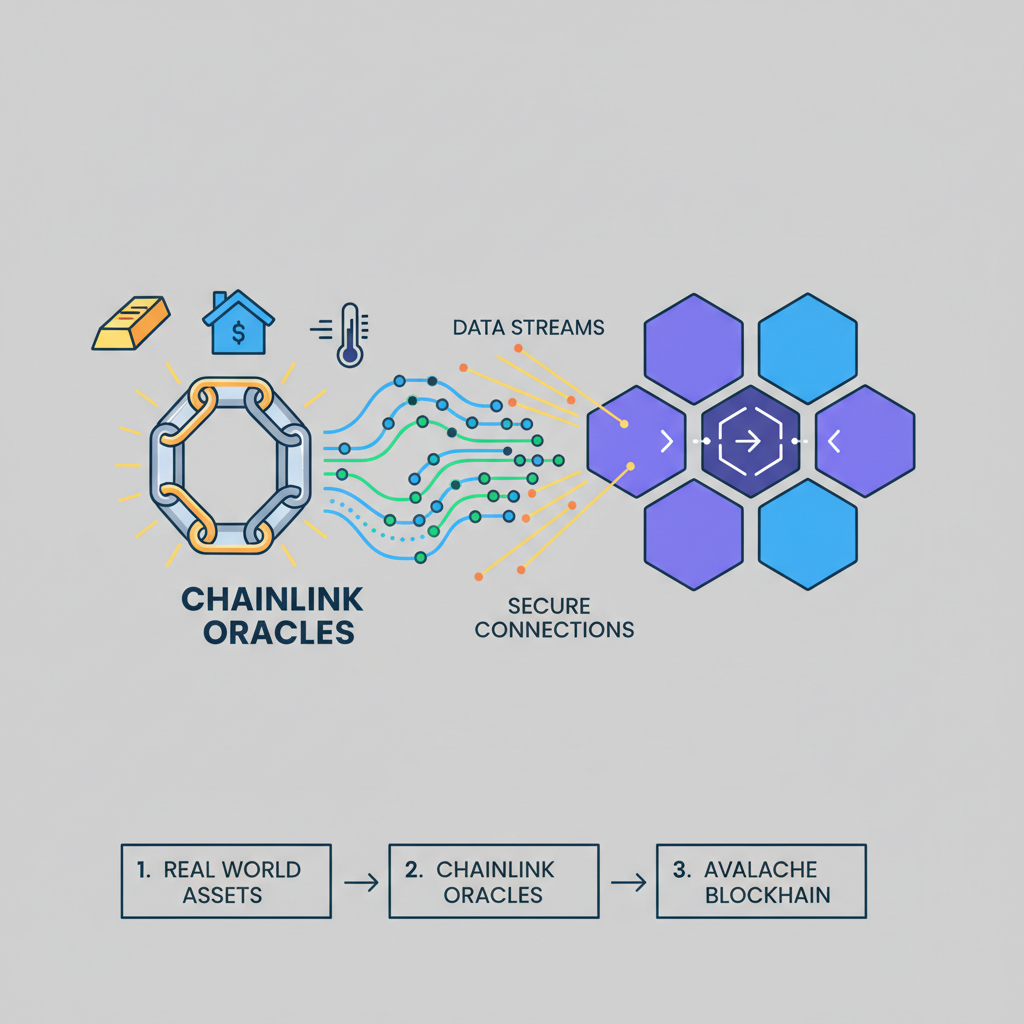
Consider the numbers: Avalanche's RWA TVL, now at $1.3 billion, tokenized $415 million in new capital last year alone, spanning credit, treasuries, and more. BlackRock's fund isn't isolated; SkyBridge Capital brought $300 million in hedge funds onchain, and California's DMV digitized 42 million car titles. Chainlink's guides underscore why Avalanche pairs perfectly with oracles for seamless RWA bridging, blending Web3 efficiency with TradFi rigor.
Avalanche (AVAX) Price Prediction 2027-2032
Forecasts driven by RWA tokenization growth, enterprise subnet adoption, and institutional interest (2026 Baseline: $9.16)
| Year | Minimum Price | Average Price | Maximum Price | YoY % Change (Avg) |
|---|---|---|---|---|
| 2027 | $12.50 | $20.00 | $32.00 | +118% |
| 2028 | $18.00 | $32.00 | $50.00 | +60% |
| 2029 | $25.00 | $48.00 | $75.00 | +50% |
| 2030 | $35.00 | $70.00 | $110.00 | +46% |
| 2031 | $50.00 | $100.00 | $160.00 | +43% |
| 2032 | $70.00 | $140.00 | $225.00 | +40% |
Price Prediction Summary
AVAX is set for substantial appreciation from 2027-2032, fueled by Avalanche's leadership in scalable RWA tokenization and customizable subnets for enterprises. Average prices are projected to rise from $20 to $140, with min/max ranges capturing bearish corrections and bullish adoption surges amid market cycles.
Key Factors Affecting Avalanche Price
- Explosive RWA TVL growth (950% YoY in 2025 to $1.3B, BlackRock $500M fund)
- Evergreen Subnets enabling sovereign, permissioned L1s for institutions
- Proven use cases: $300M hedge funds, 42M car titles tokenized
- Superior scalability and compliance for enterprise DeFi/RWA vs. competitors
- Favorable regulatory developments and institutional inflows
- Alignment with crypto bull cycles and tech upgrades
Disclaimer: Cryptocurrency price predictions are speculative and based on current market analysis. Actual prices may vary significantly due to market volatility, regulatory changes, and other factors. Always do your own research before making investment decisions.
Enterprise Subnet Deployment: From Vision to Reality
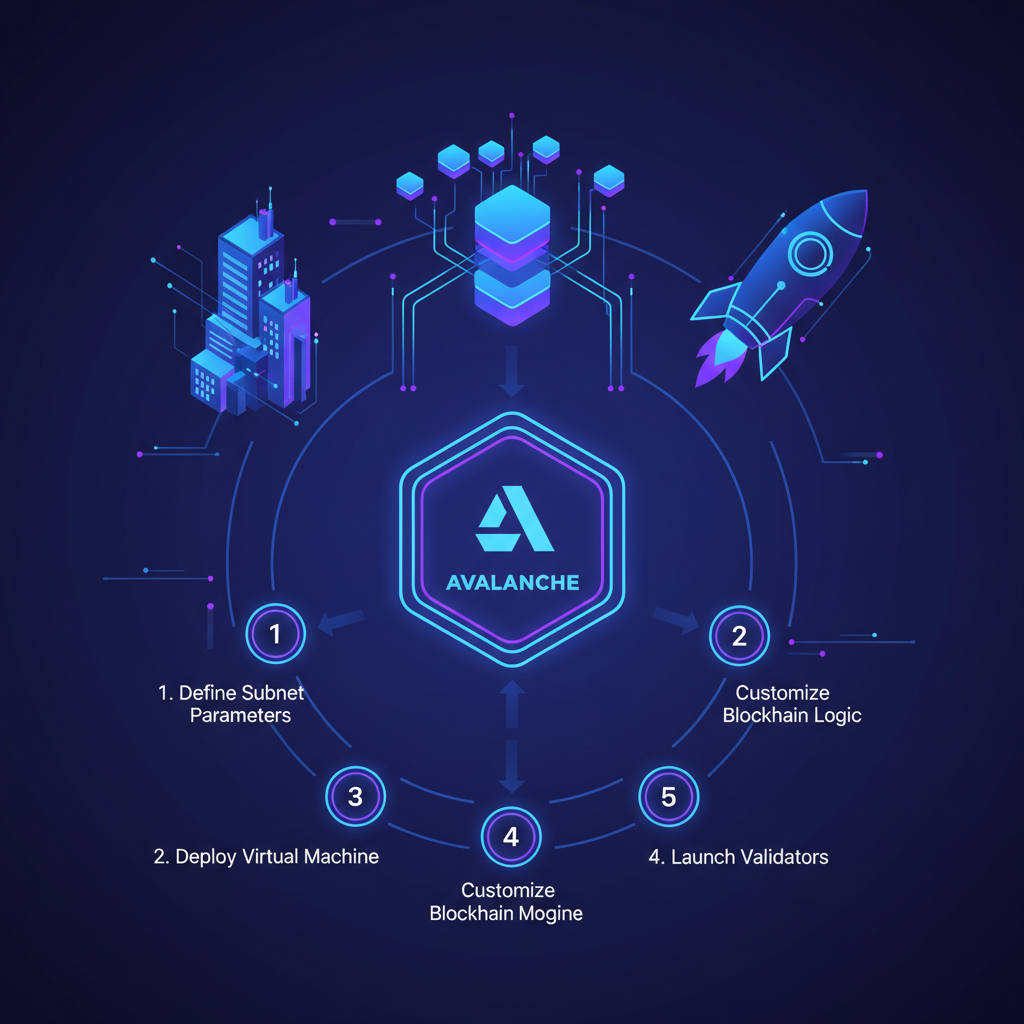
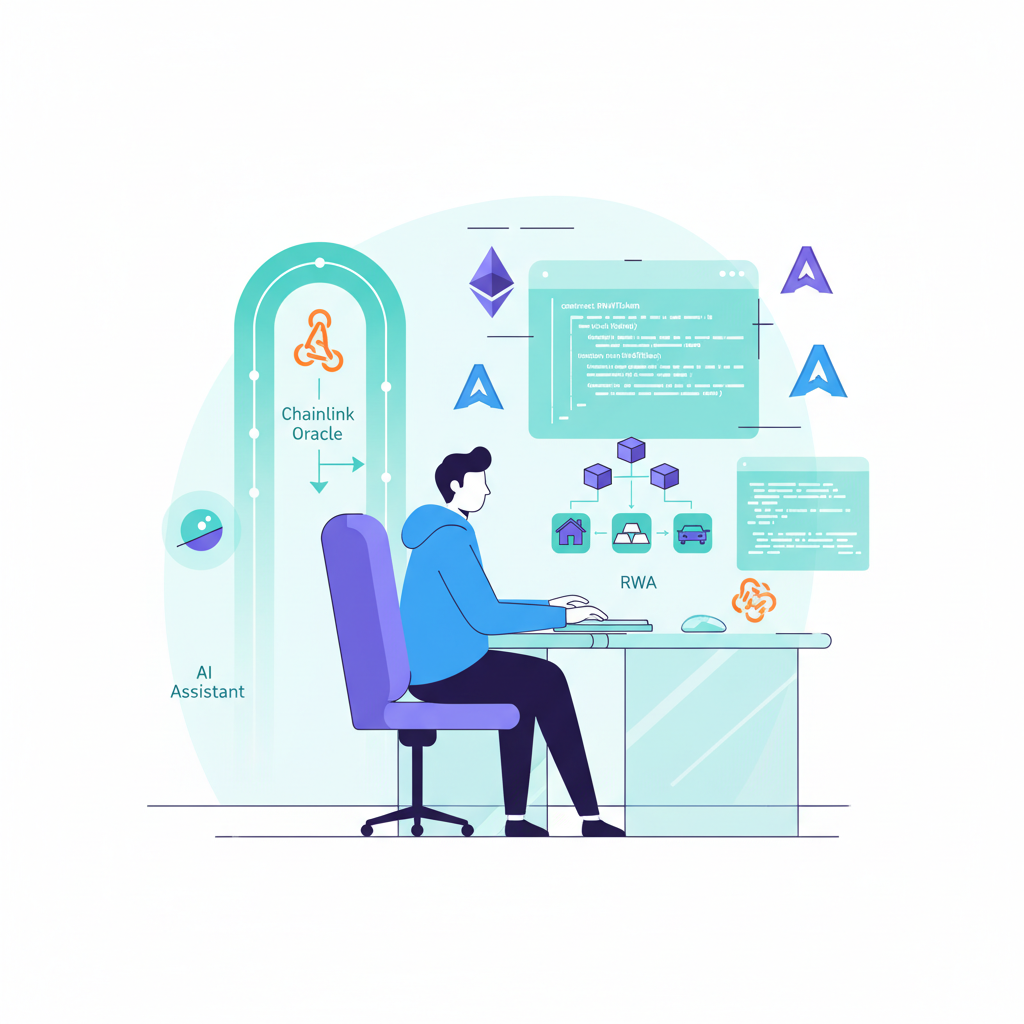
Deploying a subnet isn't rocket science, but doing it right is. Platforms like Subnetsfor. com streamline enterprise subnet deployment avalanche, offering turnkey solutions for high-throughput, secure setups. Start with defining your VM for asset-specific logic, select validators for trust-minimized operation, and integrate compliance hooks like KYC-gated minting.
Government Blockchain Association praises Avalanche L1s for public sector fits, from DeFi to RWAs. Blockchain App Factory details the tech stack: Core consensus for interoperability, Warp Messaging for cross-subnet flows. The result? Cost reductions up to 90% versus legacy systems, per Spydra's impact analysis. Enterprises aren't just adopting; they're transforming operations, one tokenized asset at a time.
From there, it's about orchestration: configuring token standards like ERC-20 or ERC-721 variants optimized for RWAs, and leveraging Avalanche's Warp Messaging for seamless interoperability with the Primary Network or other subnets. Subnetsfor. com takes the guesswork out, providing enterprise subnet deployment avalanche expertise that accelerates time-to-market while embedding security from the ground up. I've advised portfolios where such deployments slashed settlement times from days to seconds, unlocking liquidity that was previously trapped in silos.
Real-World Wins: Case Studies in Enterprise Adoption
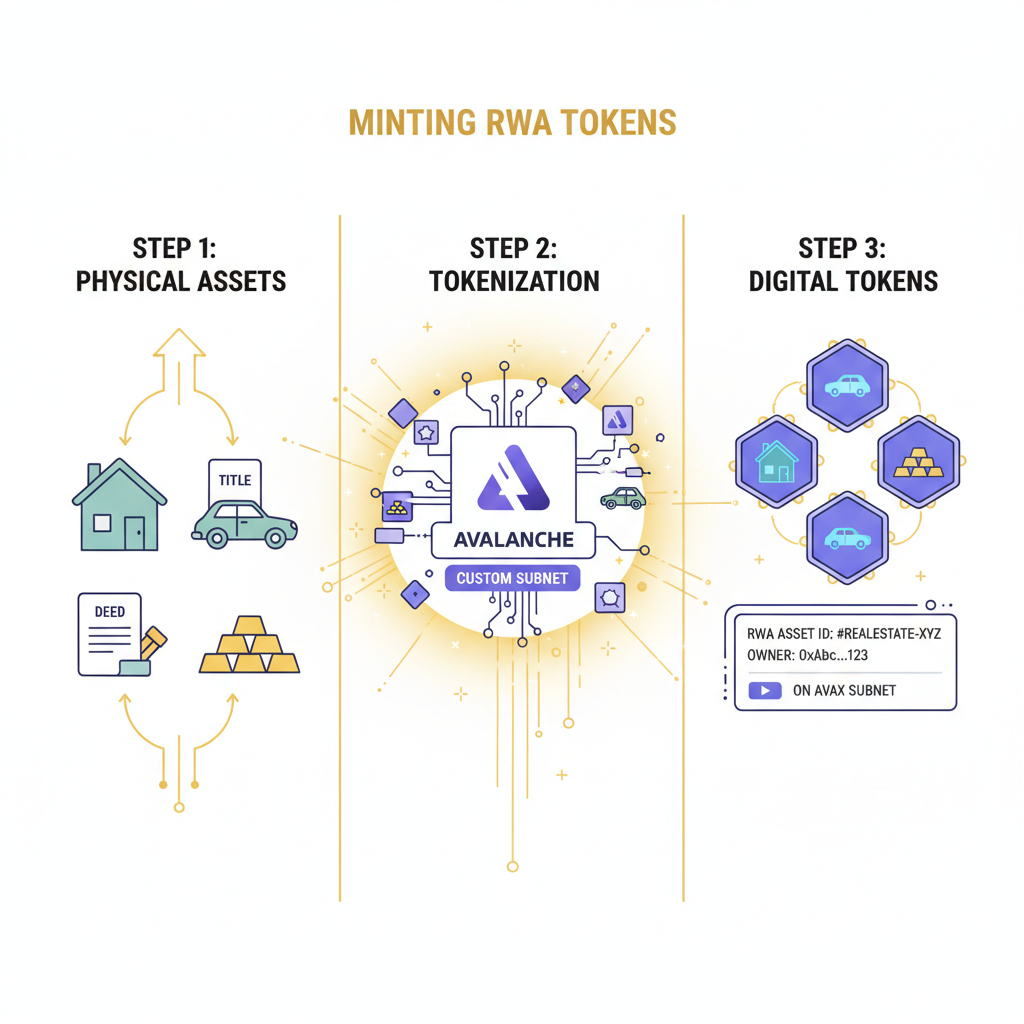
Nothing illustrates the edge of custom Avalanche subnets for enterprises like live implementations. BlackRock's $500 million tokenized fund on Avalanche didn't just boost TVL to $1.3 billion; it set a blueprint for compliant, high-volume RWA issuance. By deploying a permissioned subnet, they ensured investor data stayed shielded, regulatory reporting automated, and yields compounded in real-time. SkyBridge Capital followed suit, tokenizing $300 million in hedge fund shares, granting fractional ownership to qualified investors without the drag of traditional custodians.
Governments are no slouches either. California's Department of Motor Vehicles tokenized 42 million car titles on an Avalanche subnet, creating verifiable digital records that streamline transfers and combat fraud. This isn't theoretical; it's operational resilience in action. As someone FRM-certified with a focus on secure Web3 strategies, I see these as harbingers of broader institutional shifts, where enterprise Avalanche subnets RWAs become the default for asset digitization.
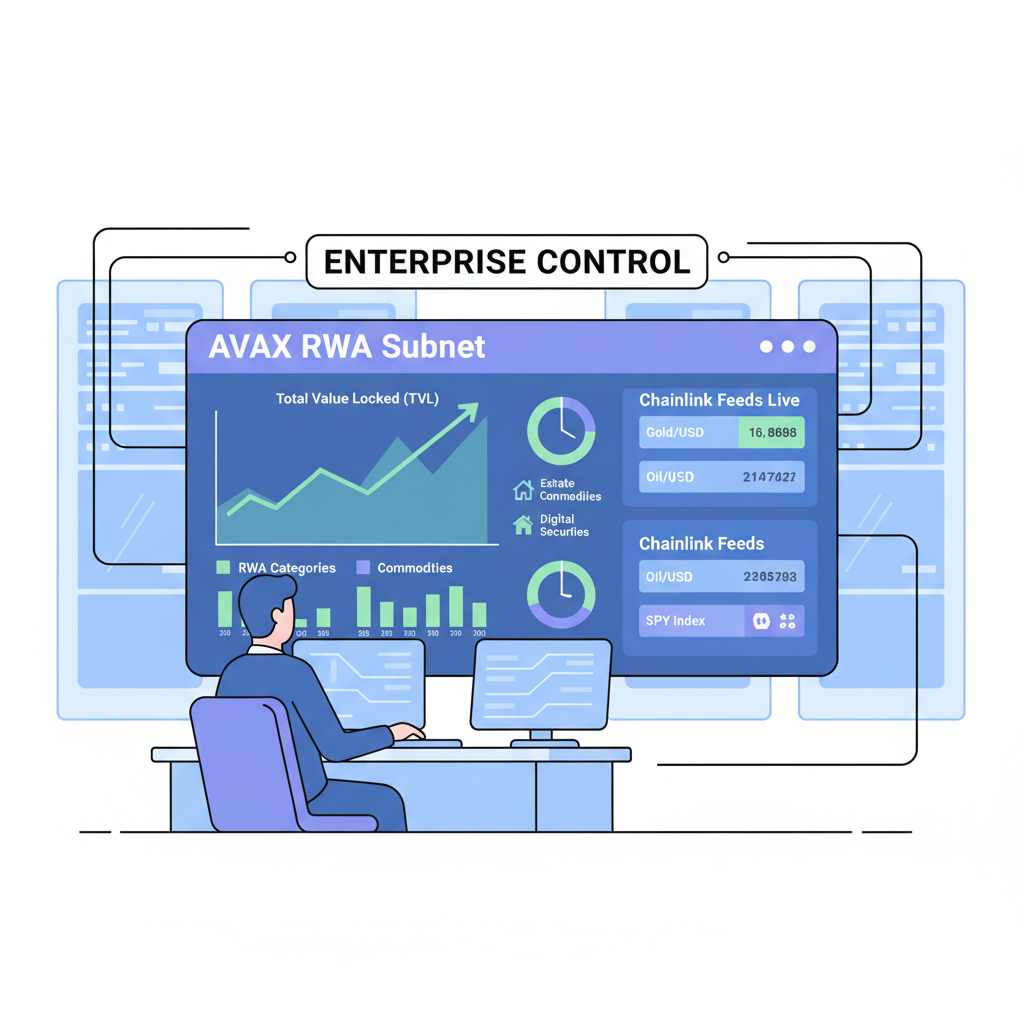
Enterprise RWA Tokenization: Launch Custom Avalanche Subnets with Chainlink
Overcoming Hurdles: Security, Compliance, and Beyond
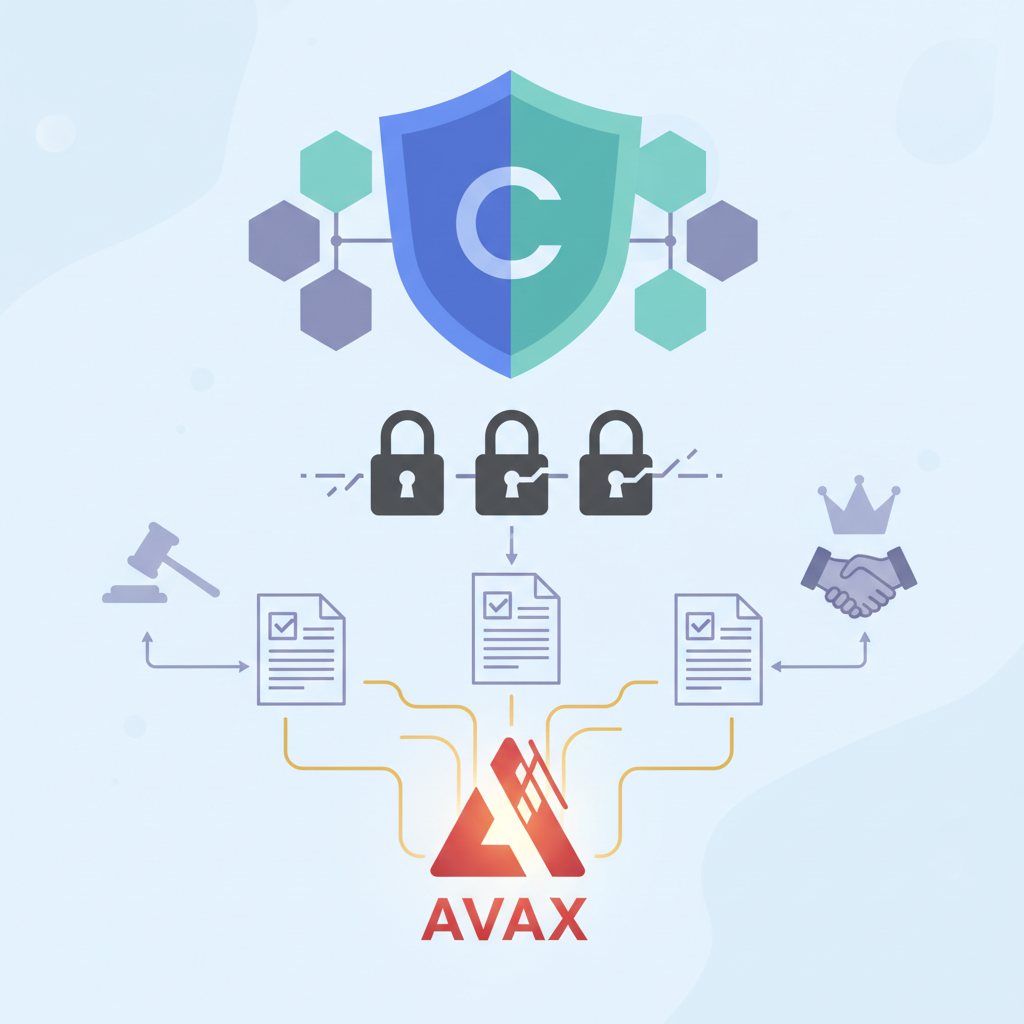
Sovereignty demands safeguards. Avalanche subnets shine here with customizable validator sets, often comprising trusted nodes from the enterprise itself or audited partners. This minimizes centralization risks while enabling features like time-locked governance or multi-sig thresholds. For RWAs, compliance is non-negotiable: integrate zero-knowledge proofs for privacy-preserving KYC, or on-chain AML checks via oracles. Zeeve's analysis nails it, warning that without L1 customization, scalability crumbles under regulatory weight.
Throughput? Subnets parallelize execution, handling thousands of TPS per chain without mainnet bottlenecks. Security audits from firms like Halborn fortify these setups, and Evergreen Subnets add persistent, low-cost dev environments for testing. In portfolios I've managed, blending Avalanche with traditional assets via subnets has delivered uncorrelated returns, especially as AVAX holds steady at $9.16 amid market dips.
| Chain | RWA TVL Growth (2025) | Key Enterprise Strength |
|---|---|---|
| Avalanche Subnets | 950% to $1.3B | Sovereign control and compliance |
| Ethereum | Moderate | Liquidity pools |
| Solana | High speed | Outage-prone scaling |
Charting the Path Forward: Why Enterprises Choose Subnetsfor. com
Looking ahead, Avalanche's trajectory points to explosive RWA expansion. With institutions like BlackRock validating the model, expect more treasuries, real estate, and carbon credits onchain. Subnetsfor. com positions itself as the go-to for this wave, offering tailored sovereign subnets institutional blockchain solutions that prioritize efficiency and uptime. Their services encompass full-stack deployment, from VM customization to ongoing monitoring, ensuring enterprises scale without friction.
In my balanced view, platforms ignoring subnet sovereignty risk obsolescence. Avalanche's architecture, powering Avalanche subnets RWA tokenization at institutional scale, couples innovation with pragmatism. Whether you're a fund manager eyeing tokenized alternatives or a public entity modernizing records, the subnet path delivers measurable ROI: reduced costs, faster operations, heightened trust. As AVAX navigates its current range around $9.16, the real value accrues in the subnets quietly revolutionizing finance from the inside out.
Partnering with experts like those at Subnetsfor. com means collaborative deployment, where your unique needs shape a blockchain that evolves with you. This is institutional Web3 done right: scalable, secure, sovereign.




No comments yet. Be the first to share your thoughts!