
Custom Avalanche Subnets for Enterprises Tokenizing RWAs and Supply Chains

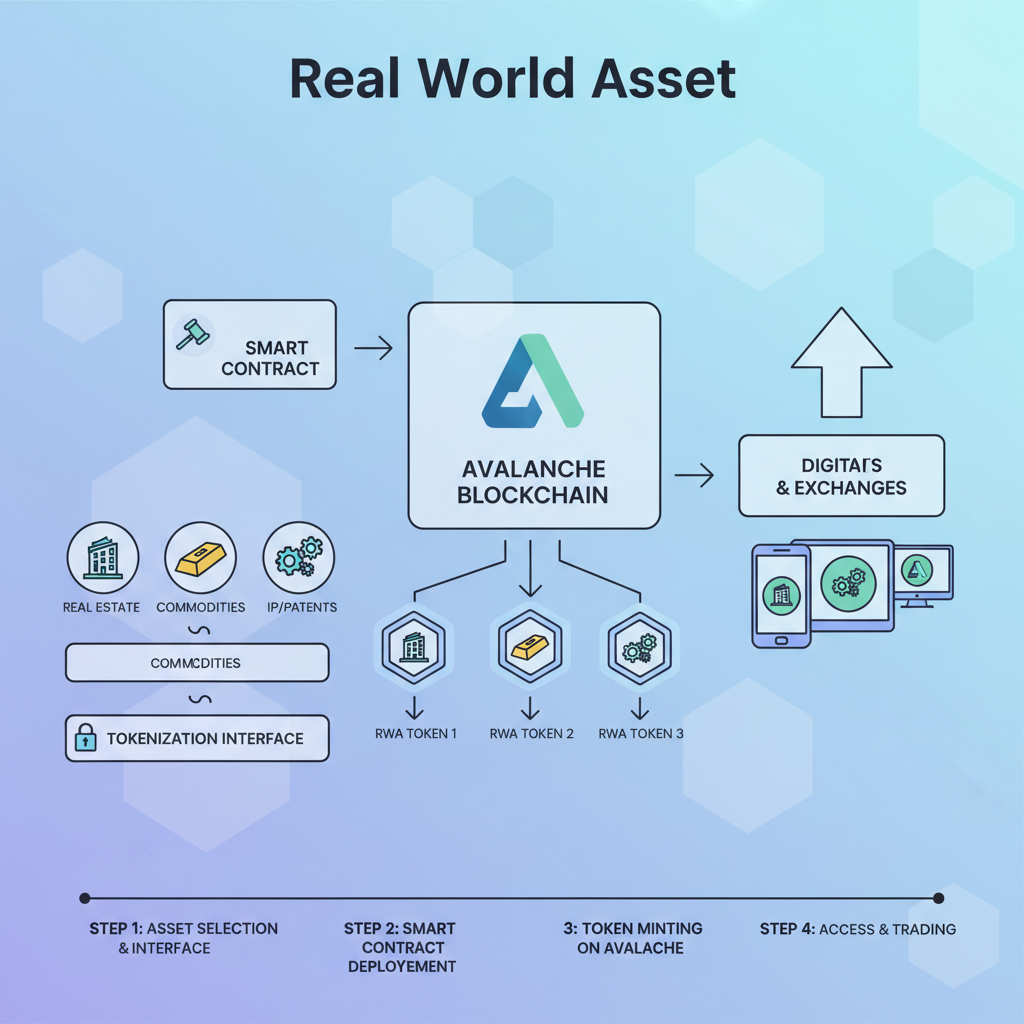
In the high-stakes arena of blockchain adoption, enterprises are turning to Avalanche enterprise subnets to tokenize real-world assets (RWAs) and streamline supply chains. With Avalanche’s native token AVAX trading at $8.88 amid a 3.16% dip over the last 24 hours, the network’s fundamentals shine brighter than ever. Custom subnets enable sovereign control, regulatory compliance, and blistering performance, positioning Avalanche as the go-to infrastructure for institutional players eyeing the $16 trillion RWA revolution.

Avalanche’s modular design has birthed over 500 active subnets by early 2026, each fine-tuned for sectors like finance and logistics. This isn’t mere hype; it’s a tectonic shift. RWA tokenization exploded from $5 billion in 2022 to over $24 billion by mid-2025, with Avalanche capturing a slice via tailored custom subnets RWAs. Enterprises leverage these permissioned chains for KYC/AML adherence, sub-second finality, and TPS scaling beyond 4,500 in standard ops, peaking at 20,000 under stress.
Avalanche Subnets: Precision Engineering for Institutional Demands
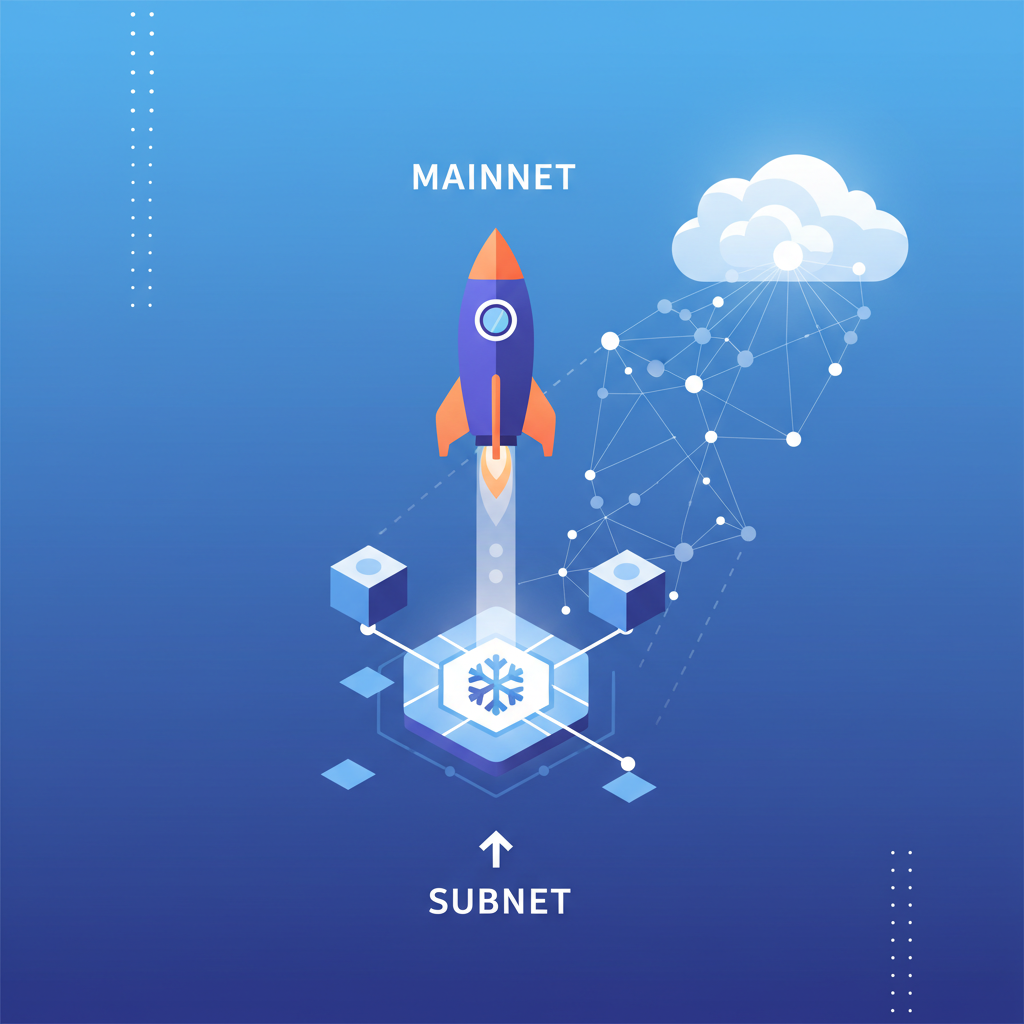
What sets enterprise RWA tokenization Avalanche apart is the subnet’s ability to decouple from L1 congestion. Skipping primary layers for RWAs risks scalability bottlenecks, as noted in industry analyses; subnets sidestep this by offering dedicated validators and gas tokens. Picture BlackRock’s BUIDL fund, tokenized on an Evergreen Subnet with $500 million inflows, or VanEck’s U. S. Treasury vehicle. These aren’t experiments; they’re production-grade, with TVL surging 950% to $1.3 billion in 2025.
Enterprises gain sovereignty: custom rules, whitelisted participants, and seamless off-chain integrations. Wyoming’s Frontier Stable Token (FRNT), the first U. S. state-issued stablecoin, runs on Avalanche, underscoring trust from regulators. Bergen County’s $240 billion real estate tokenization and California’s DMV digitizing 42 million titles further prove subnets’ versatility beyond finance.
Institutional RWA TVL on Avalanche hit $1.3B, fueled by BlackRock and peers, despite AVAX’s Q4 2025 dip.
Critics point to AVAX’s price stagnation at $8.88, blaming staking dilution and token utility gaps. Yet, network activity tells a different story: 100 and subnets in tokenization alone, attracting $250 million in assets via outfits like Animoca’s NUVA platform.
Supply Chain Tokenization: Subnets Unlock Operational Alpha
Supply chain tokenization subnets represent Avalanche’s next frontier. Traditional logistics suffer opacity and disputes; subnets inject transparency with immutable ledgers. Enterprises deploy custom chains for provenance tracking, from raw materials to delivery, slashing fraud and accelerating audits. High-throughput consensus ensures real-time updates, vital for just-in-time inventory.
Animoca’s advancements and Chainlink oracles amplify this, bridging off-chain data for dynamic pricing and compliance. In 2026, as institutional avalanche subnets 2026 mature, expect sectors like manufacturing to dominate. Subnets’ permissioned nature aligns with enterprise risk profiles, fostering hybrid models where private data feeds public proofs.
Consider the efficiency gains: stress-tested at 20,000 TPS, subnets handle peak shipment volumes without hiccups. This modular ethos extends to DeFi integrations, where tokenized invoices fund working capital instantly.
Avalanche (AVAX) Price Prediction 2027-2032
Forecast amid RWA tokenization growth, enterprise subnet adoption, and institutional inflows. YoY % from prior year average (2026 baseline: $9.00).
| Year | Minimum Price | Average Price | Maximum Price | Avg YoY % |
|---|---|---|---|---|
| 2027 | $6.00 | $15.00 | $30.00 | +67% |
| 2028 | $8.00 | $25.00 | $55.00 | +67% |
| 2029 | $12.00 | $40.00 | $85.00 | +60% |
| 2030 | $18.00 | $60.00 | $125.00 | +50% |
| 2031 | $25.00 | $85.00 | $170.00 | +42% |
| 2032 | $35.00 | $120.00 | $240.00 | +41% |
Price Prediction Summary
Despite early 2026 price weakness, AVAX is positioned for recovery and growth fueled by RWA tokenization leadership (TVL +950% in 2025), custom Subnets (>500 active), and institutional adoption (BlackRock, VanEck). Base case averages rise progressively to $120 by 2032 (13x from $9), with bullish highs to $240 on full enterprise integration and regulatory clarity; bearish mins reflect dilution/competition risks.
Key Factors Affecting Avalanche Price
- RWA TVL explosion to $1.3B+ in 2025, projected multi-fold growth via Subnets
- Institutional heavyweights: BlackRock BUIDL ($500M), VanEck Treasuries, Wyoming FRNT stablecoin
- Subnet ecosystem: 500+ tailored chains for finance, supply chain, compliance
- Technical edge: 4,500+ TPS, sub-second finality, scalability for enterprises
- Regulatory tailwinds for tokenized assets; macro cycle recovery post-2026 dip
- Risks: Staking supply dilution, ETH/SOL competition, broader market volatility
Disclaimer: Cryptocurrency price predictions are speculative and based on current market analysis.
Actual prices may vary significantly due to market volatility, regulatory changes, and other factors.
Always do your own research before making investment decisions.
Why Enterprises Choose Avalanche Over Rivals
Ethereum chokes on fees, Solana falters on uptime, Polygon lags in sovereignty. Avalanche subnets excel with customizable VMs, native interoperability, and cost predictability. For RWAs, liquidity pools on dedicated chains boost trading without L1 drag. Enterprises report 80% cost reductions versus legacy systems, per subnet deployers.
Analysts at RWA. io underscore Avalanche’s edge in the best chains for RWA tokenization, citing its subnet sovereignty over Ethereum’s layer-2 compromises and Solana’s centralization risks. With over 500 subnets live, including 100 dedicated to tokenization, Avalanche processes institutional volumes at fractions of competitor costs. This isn’t speculation; it’s engineered superiority for enterprise RWA tokenization Avalanche.
Real-World Deployments: Subnets in Action
Zoom into specifics. BlackRock’s BUIDL fund, tokenized on an Evergreen Subnet, locked in $500 million by late 2025, exemplifying how permissioned chains enforce compliance while scaling. VanEck followed suit with U. S. Treasuries, tapping Avalanche’s sub-second finality for real-time settlements. Municipal wins amplify this: Bergen County’s $240 billion real estate portfolio digitized via subnets slashed administrative overhead by 70%, per reports. California’s DMV tokenized 42 million vehicle titles, enabling instant transfers and fraud-proof provenance.
Supply chain use cases shine equally bright. Enterprises in manufacturing deploy supply chain tokenization subnets to track components from mine to market. Immutable ledgers verify authenticity, Chainlink oracles feed IoT sensor data, and smart contracts automate payments upon milestones. Animoca’s NUVA platform pulled $250 million in RWA assets, blending gaming economies with tokenized logistics for fluid asset flows.
Deploy Custom Avalanche Subnet: Enterprise RWA Tokenization & Supply Chain Mastery

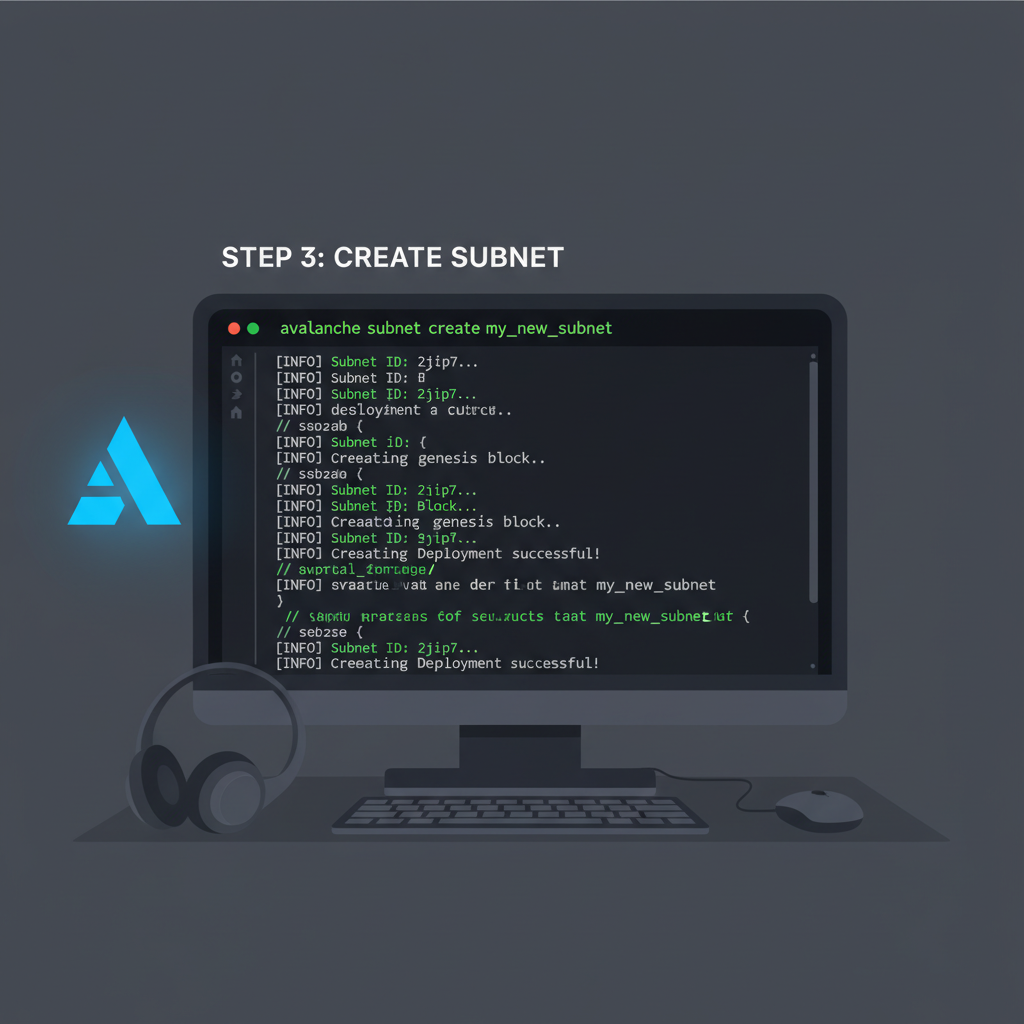
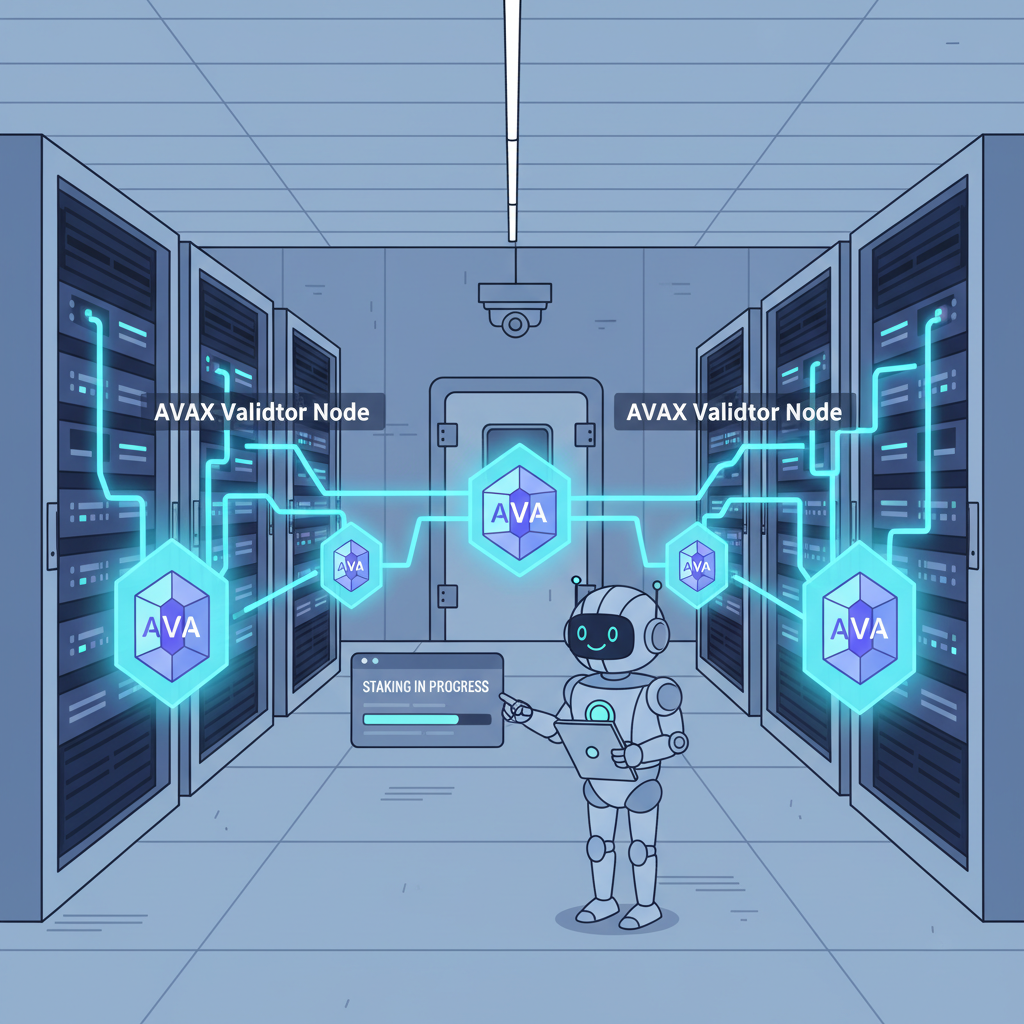
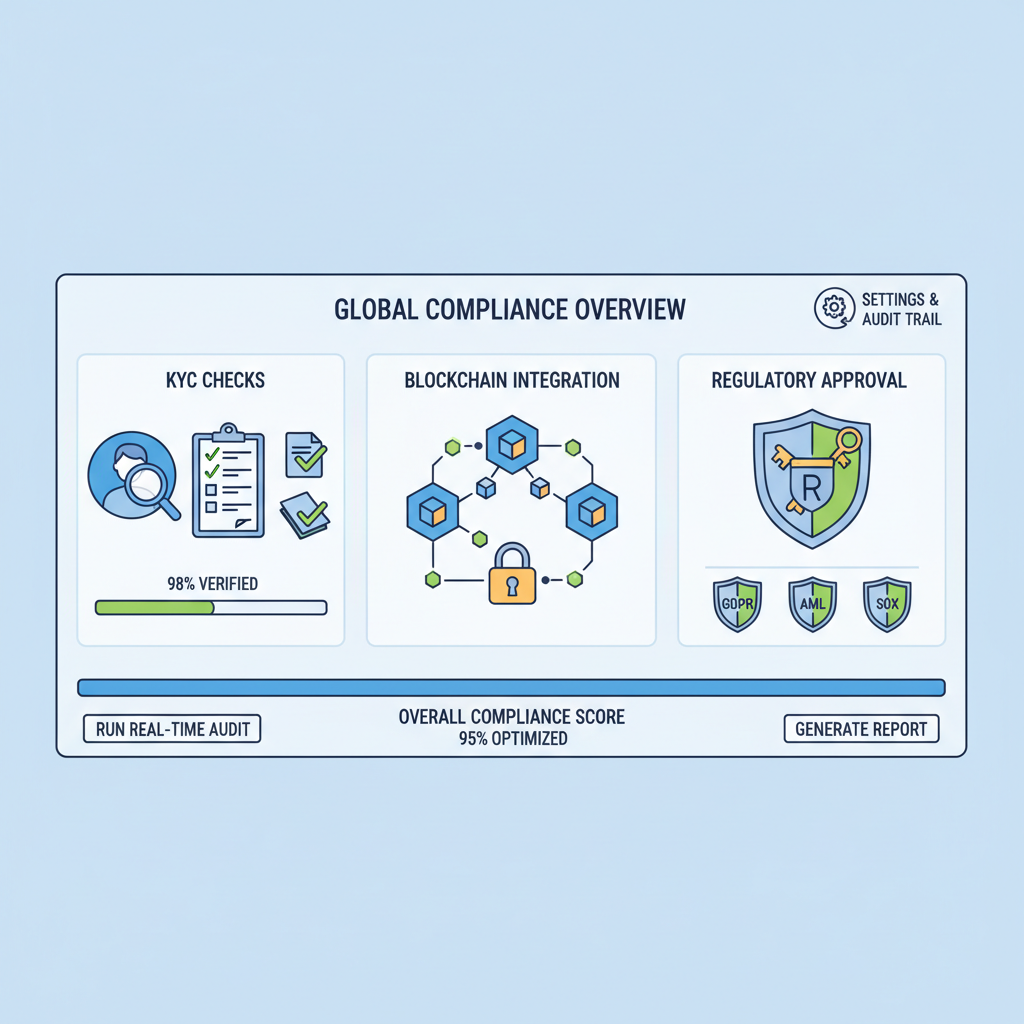

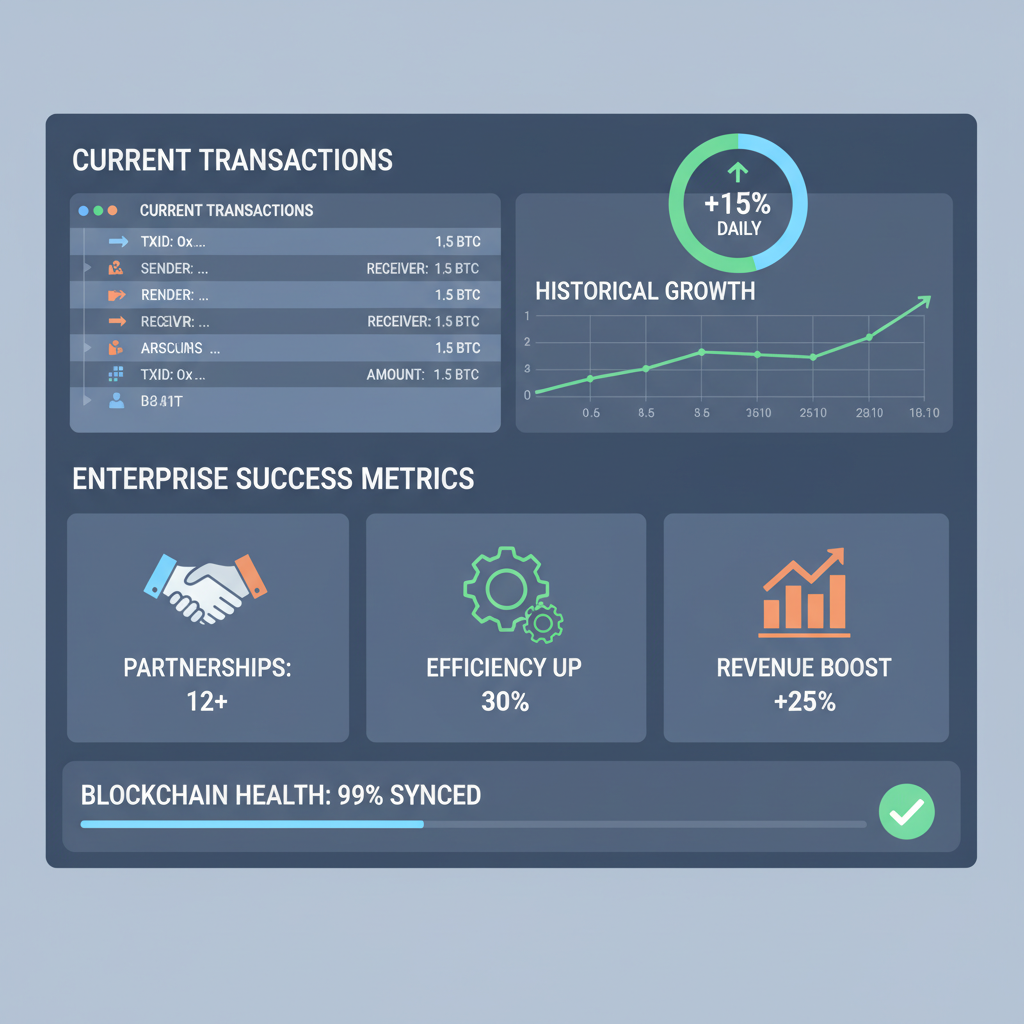
These deployments highlight Avalanche’s maturity. TVL rocketed 950% to $1.3 billion, outpacing the sector’s 380% growth from $5 billion in 2022. Yet AVAX lingers at $8.88 after a 59% Q4 2025 slide and further 10.5% dip into 2026. Staking dilution and regulatory fog weigh on sentiment, but subnet momentum suggests undervaluation. Network fundamentals scream adoption: 4,500 TPS baseline, 20,000 peaks, and Wyoming’s FRNT stablecoin validating state-level buy-in.
Avalanche Subnets’ Edge Over ETH & SOL
-
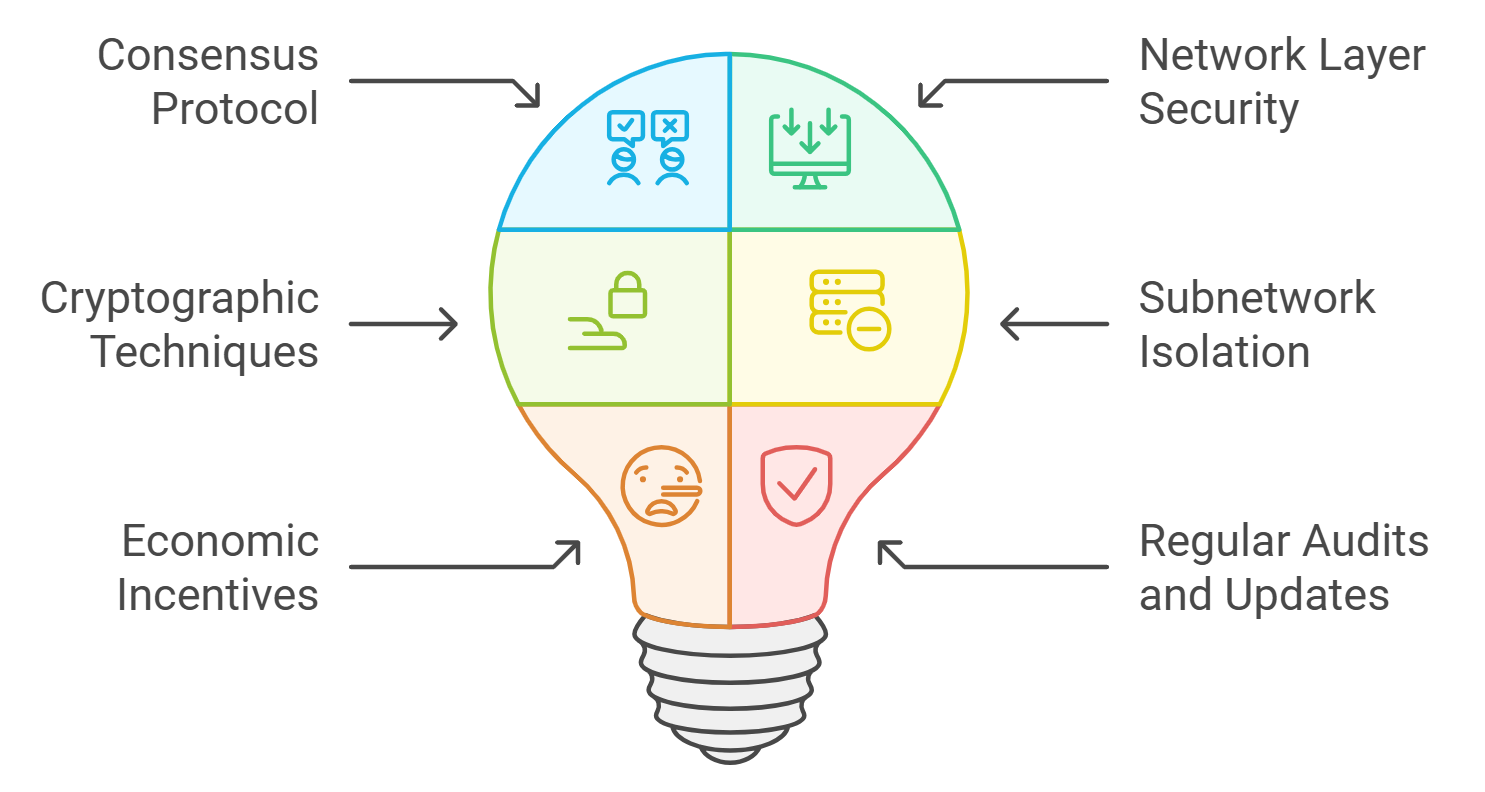
Customizable Subnets: Sovereign blockchains tailored for RWA compliance and supply chain privacy—unique vs Ethereum L2s or Solana’s monolithic design.
-
Sub-Second Finality: Instant settlements outperform Ethereum’s 12s+ blocks and Solana’s inconsistent latency.
-
High Scalable TPS: 4,500+ TPS (peaks 20,000) delivers Ethereum-level security with Solana-like speed, minus outages.
-
$1.3B RWA TVL Growth: 950% YoY surge via BlackRock BUIDL, VanEck funds—leading institutional adoption.
-
Permissioned Compliance: Evergreen Subnets enable KYC/AML for enterprises, powering Wyoming FRNT stablecoin.
Navigating Challenges in Subnet Adoption
No silver bullet exists. Interoperability gaps persist between subnets and L1, demanding warp messaging bridges. Regulatory flux, especially post-2025 U. S. elections, tests permissioned setups. Token utility critiques hold water; AVAX’s role in gas fees dilutes scarcity amid validator growth. Still, enterprises mitigate via hybrid models: private subnets for sensitive data, public for liquidity.
MindDeft Technologies notes subnets as 2026’s enterprise darling, projecting 1,000 deployments by year-end. Zeeve warns against L1-only RWA plays, echoing scalability perils. Avalanche counters with customizable VMs, letting firms fork EVM or craft bespoke logic for supply chains.
Forward thinkers at Subnetsfor. com architect these solutions daily. Our platform streamlines institutional avalanche subnets 2026 rollout, blending sovereign control with Avalanche’s throughput. Enterprises slashing legacy costs by 80% via tokenized invoices or real estate fractions aren’t outliers; they’re the vanguard.
As RWA TVL barrels toward $16 trillion projections, Avalanche’s subnet architecture positions it as the institutional backbone. Price dips to $8.88 mask explosive utility growth, from NUVA’s trading hubs to DMV-scale digitization. For boards eyeing blockchain’s trillion-dollar pivot, custom subnets deliver the alpha: compliant, scalable, unstoppable.