
Avalanche Subnets Reduce Costs for RWAs in Institutional Blockchain 2026
Institutional blockchain adoption hinges on cost efficiency, and Avalanche Subnets deliver precisely that for real-world assets (RWAs) in 2026. With AVAX trading at $10.00, the network’s subnet architecture slashes deployment expenses, enabling financial giants to tokenize assets without the prohibitive fees of legacy systems. This shift isn’t hype; it’s a structural advantage rooted in customizable chains that prioritize sovereignty and speed.

Avalanche’s design allows enterprises to spin up dedicated subnets tailored for RWA workloads, from private credit to real estate tokenization. Traditional blockchains bog down under generalized demands, inflating costs through congestion and high gas fees. Subnets sidestep this by isolating traffic, ensuring predictable economics even at scale. Launch costs have plummeted post-Avalanche9000, now hovering around 0.2 AVAX, a fraction of prior barriers. This democratizes access for institutions eyeing enterprise asset tokenization.
Subnet Economics Reshape Institutional RWA Costs
Consider the mechanics: each subnet draws validators from Avalanche’s Primary Network pool, inheriting robust security without bespoke infrastructure. ACP-77 from the Avalanche9000 upgrade eases hardware thresholds, while ACP-125 slashes C-Chain base gas fees by 96%. The result? Transaction costs that rival off-chain settlement, vital for RWAs demanding high throughput and compliance. For context, Grove Finance is deploying $250 million in RWAs via partnerships with Centrifuge and Janus Henderson, poised to triple Avalanche’s RWA presence. This isn’t speculative; over 1 million AVAX is staked across dozens of live subnets, signaling real traction.
From a strategic lens, these reductions compound over time. Institutions avoid the dilution of shared networks, retaining control over governance and data privacy. Subnet validator economics further incentivize participation: validators earn from subnet-specific fees, fostering a self-sustaining ecosystem. My 18 years in macro finance underscore this: protocols that align incentives with enterprise needs endure. Avalanche’s model positions it for longevity in RWA scaling on Avalanche, where interoperability bridges silos without sacrificing performance.
Avalanche (AVAX) Price Prediction 2027-2032
Forecasts highlighting RWA adoption, Avalanche9000 upgrades, and institutional subnet momentum amid 2026 market conditions (current price: $10.00)
| Year | Minimum Price | Average Price | Maximum Price | Avg YoY % Change |
|---|---|---|---|---|
| 2027 | $12.00 | $28.00 | $55.00 | +180% |
| 2028 | $20.00 | $45.00 | $90.00 | +61% |
| 2029 | $30.00 | $70.00 | $130.00 | +56% |
| 2030 | $45.00 | $105.00 | $180.00 | +50% |
| 2031 | $65.00 | $140.00 | $230.00 | +33% |
| 2032 | $90.00 | $175.00 | $290.00 | +25% |
Price Prediction Summary
AVAX is positioned for robust growth from its 2026 base of $10, driven by cost reductions in subnets (ACP-77/125), $250M RWA inflows from Grove Finance partnerships, and enterprise adoption. Bullish scenarios project averages exceeding $100 by 2030, with conservative mins reflecting market cycles and regulatory risks.
Key Factors Affecting Avalanche Price
- Avalanche9000 upgrades slashing subnet costs (~0.2 AVAX launch) and C-Chain gas fees by 96%
- Institutional RWA tokenization: Grove Finance ($250M), Centrifuge, Janus Henderson tripling Avalanche’s RWA TVL
- Enterprise subnet momentum in finance, gaming, payments; >1M AVAX staked across dozens of subnets
- Bullish market cycles post-2026, competition from Ethereum/Solana, regulatory clarity on tokenized assets
- Technical patterns: Breakout potential above $20 resistance toward $100+ by 2030 per CryptoRank/KuCoin
Disclaimer: Cryptocurrency price predictions are speculative and based on current market analysis.
Actual prices may vary significantly due to market volatility, regulatory changes, and other factors.
Always do your own research before making investment decisions.
Avalanche9000 Catalyzes Enterprise-Grade Efficiency
The Avalanche9000 suite, including Granite for enterprise readiness and Octane for cost optimization, marks a pivot toward institutional priorities. eERC enhancements target niche RWA use cases, like tokenized funds requiring sub-second finality. At $10.00, AVAX reflects undervaluation amid this momentum; neutral forecasts from Binance peg steady adoption pushing toward $50-$70 ranges, driven by SkyBridge and Apex Group initiatives. Yet, the true value lies in operational savings: a subnet for private equity tokenization might cut annual fees by 80% versus Ethereum Layer 2s, per subnet mechanics analyses.
Enterprises benefit from seamless integration too. Subnets support sovereign control, allowing custom virtual machines for compliance-heavy RWAs. Picture a bank tokenizing $100 million in bonds; on Avalanche, it processes at 4,500 TPS with fees under $0.01, versus competitors’ spikes during volatility. This reliability draws players like MindDeft Technologies, touting subnets as 2026’s preferred infrastructure. Patience here pays dividends: as RWA markets mature, early subnet adopters capture liquidity premiums.
Real-World Assets Find a Cost-Effective Home
RWA tokenization unlocks trillions in illiquid assets, but scaling demands efficiency. Avalanche excels by enabling avalanche subnets RWAs enterprise deployments that minimize friction. Grove’s $250 million push exemplifies this: partnering with Centrifuge for tinlake pools on custom subnets ensures regulatory alignment and low-latency redemptions. Institutions face fewer hurdles with institutional RWA costs 2026 dropping sharply, fostering broader participation beyond crypto natives.
Centrifuge’s Tinlake protocol, now optimized for Avalanche subnets, exemplifies how RWA scaling on Avalanche achieves sub-cent fees for asset origination and transfers. This setup allows funds like Janus Henderson to maintain KYC/AML compliance within isolated chains, sidestepping the regulatory minefields of public networks. At current AVAX levels of $10.00, staking yields remain attractive for validators, with subnet-specific rewards compounding network security.
Validator Incentives Drive Sustainable Growth
Subnet validator economics merit close scrutiny. Validators from the Primary Network opt into subnets, earning dual fees: Primary Network rewards plus subnet emissions. Post-Avalanche9000, this model scales without dilution, as launch costs at ~0.2 AVAX enable rapid iteration. Institutions benefit from permissioned validator sets, curating trusted nodes for sensitive RWAs like trade finance. Boston University analyses highlight this: subnets inherit Avalanche’s 4,500 and TPS capacity while capping costs at predictable levels. In macro terms, this mirrors efficient capital allocation; overprovisioned networks waste resources, but Avalanche’s targeted approach maximizes ROI for enterprise asset tokenization.
Key Subnet Benefits for RWAs
-

Cost Reductions: Avalanche9000 upgrades like ACP-77 slash subnet launch costs to ~0.2 AVAX and ACP-125 cuts C-Chain gas fees by 96%, enabling affordable institutional RWA deployments.
-
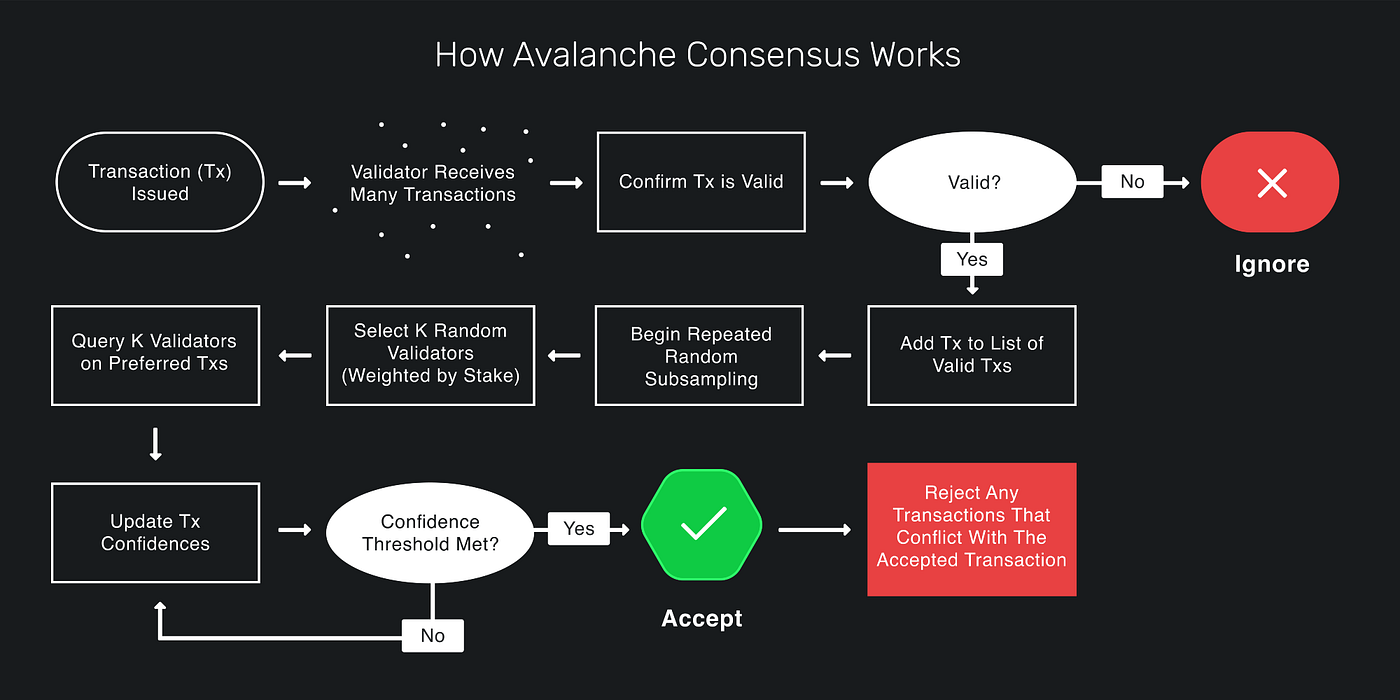
Custom Validators: Subnets select validators from the Primary Network pool, allowing institutions to build secure, tailored validation sets for RWA-specific needs.
-
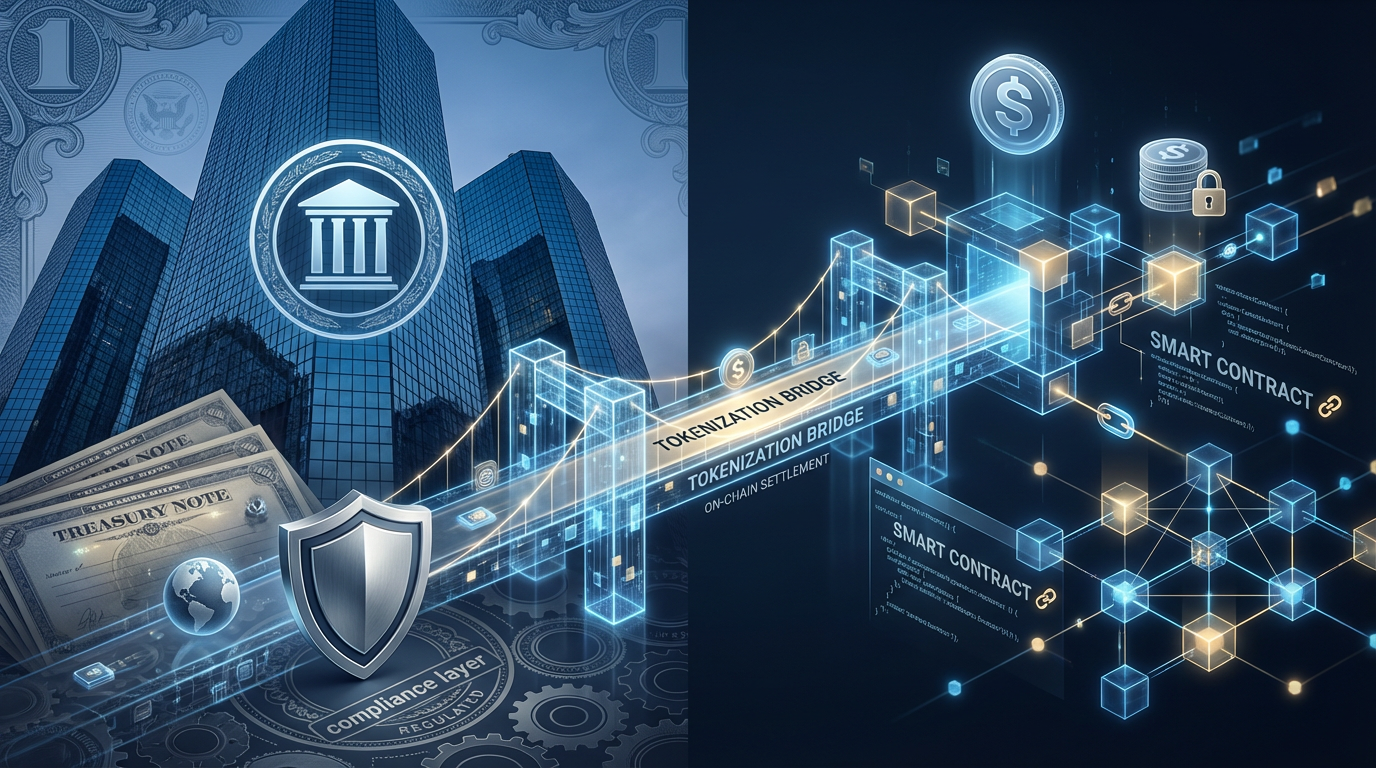
RWA Compliance: Application-specific chains ensure regulatory compliance through customizable rules, attracting firms like Grove Finance with $250M in RWAs via Centrifuge and Janus Henderson.
-
High TPS: Subnets deliver exceptional throughput for fast RWA settlements, supporting high-volume institutional transactions without congestion.
-
Interoperability: Seamless connectivity across subnets and the Primary Network facilitates efficient RWA liquidity and cross-chain operations.
Real estate tokenization offers a tangible case. Platforms like RealT or Propy could deploy subnet-exclusive chains, fractionalizing properties with fees under $0.001 per mint. Compared to Solana’s volatility spikes or Ethereum’s rollup dependencies, Avalanche delivers baseline predictability. Grove’s expansion signals more: expect $750 million in RWAs by mid-2026, per partnership trajectories. This influx bolsters AVAX utility, as staked tokens secure these high-value deployments.
Interoperability seals the deal. Subnets integrate via Avalanche’s Warp Messaging, linking RWAs to DeFi primitives without bridges’ vulnerabilities. Financial institutions tokenize bonds one day, settle cross-chain the next, all at fractions of legacy costs. My experience in macro finance reveals a pattern: protocols thriving on efficiency outlast hype-driven rivals. Avalanche, at $10.00, embodies undervaluation amid enterprise momentum from SkyBridge and Apex Group.
Comparison of RWA Costs: Avalanche Subnets vs Ethereum L2 vs Solana (2026)
| Platform | Deployment Cost | Avg Tx Fee | TPS |
|---|---|---|---|
| Avalanche Subnets | ~$2 (0.2 AVAX) 🤑 | ~$0.0001 💸 | 100,000+ ⚡ |
| Ethereum L2 | ~$10,000+ 📈 | ~$0.05 💰 | ~2,000 🔄 |
| Solana | ~$500 🟢 | ~$0.00025 🚀 | ~65,000 🔥 |
Strategic Positioning for 2026 and Beyond
Looking ahead, Avalanche’s Granite relay enhances enterprise readiness, relaying state across subnets for unified compliance views. Octane’s fee burns introduce deflationary pressure, aligning tokenomics with RWA inflows. CryptoPotato’s 2026 RWA rankings position Avalanche projects prominently, underscoring tokenized assets’ liquidity unlock. Institutions grappling with avalanche subnets RWAs enterprise challenges find solace here: sovereign chains reduce vendor lock-in, fostering innovation in private credit and carbon credits.
Challenges persist, of course. Validator centralization risks demand vigilant governance, yet Avalanche’s decentralized pool mitigates this. Regulatory clarity in 2026, post-U. S. elections, could accelerate flows. Neutral forecasts eye $50-$70 AVAX on steady adoption; bullish paths to $100 hinge on RWA tripling. Patience pays in protocol evolution: subnets aren’t a quick flip but a foundation for institutional blockchain’s next decade. As Grove and Centrifuge scale, Avalanche cements its role, proving cost efficiency as the ultimate adoption catalyst.