

Custom Avalanche Subnets for Enterprise High-Throughput Infrastructure: 100K TPS Deployment Guide

Enterprises pushing the boundaries of blockchain adoption are increasingly turning to Avalanche enterprise subnets for their ability to deliver sovereign, high-performance infrastructure. In an era where financial institutions and large organizations demand scalability without compromise, custom Avalanche subnets stand out by supporting up to 100K TPS deployments tailored for mission-critical applications. This guide dives into the mechanics and strategies for deploying such networks, drawing from recent advancements that position Avalanche as the go-to platform for institutional-grade blockchains.


Avalanche’s subnet model allows businesses to craft permissioned or public L1s with full control over consensus rules, tokenomics, and validator sets. Unlike monolithic chains struggling under enterprise loads, these custom Avalanche subnets 100K TPS leverage the platform’s sub-second finality and horizontal scaling. Institutions like those highlighted in Zeeve’s analysis are deploying them for yield-bearing products and secure data handling, proving their edge over traditional Layer-2 solutions.
Avalanche L1s Capturing Institutional Momentum
The surge in Avalanche L1 deployments reflects a broader shift among global enterprises betting on customizable blockchains. Daily transactions across Avalanche L1s have climbed to 18 million, a sixfold increase since early this year, with smart contract deployments exploding 250 times year-over-year. This momentum stems from subnets’ sovereignty: each operates as an independent network, defining its own membership and economics while tapping into Avalanche’s robust security.
Reports from Delphi Digital and Galaxy underscore Avalanche’s speed, with time-to-finality often under a second thanks to its namesake consensus. For sectors like finance and gaming, where high throughput is non-negotiable, enterprise subnet deployment Avalanche via subnets offers a controlled environment for sensitive data. MindDeft Technologies notes large companies using permissioned subnets to manage proprietary information, bypassing public chain vulnerabilities.
Compared to Layer-2 rollups, Avalanche subnets avoid sequencing bottlenecks, enabling direct L1 scalability. Government Blockchain Association’s breakdown favors subnets for enterprises needing true customization over generalized scaling hacks.
HyperSDK and Vryx: The Engine Behind 100K TPS
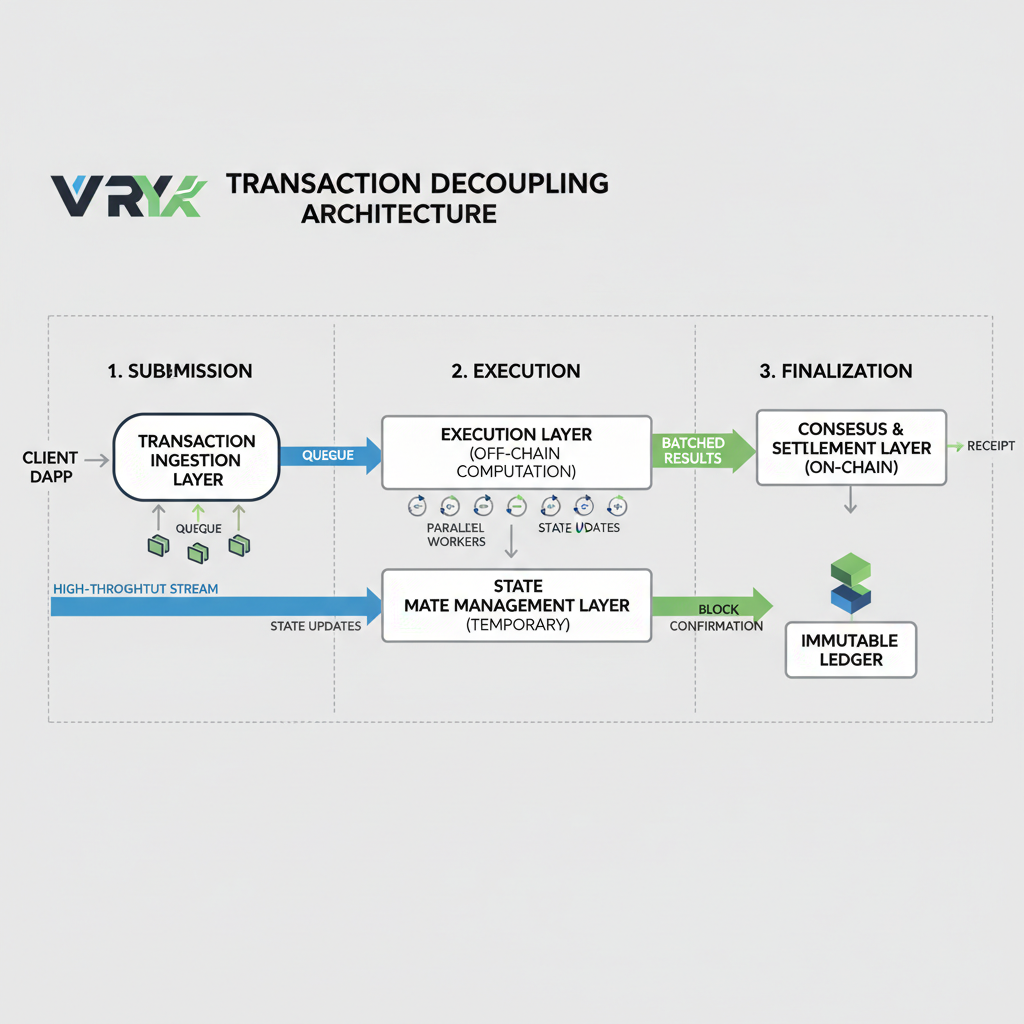
Avalanche’s latest infrastructure push centers on HyperSDK, a framework optimized for custom blockchains with blistering performance. The star innovation here is Vryx, which decouples transaction execution, block building, and replication. Validators process these steps concurrently, shattering previous throughput limits and paving the way for high throughput Avalanche subnets for business.
This setup is game-changing for enterprise use cases. Gaming platforms can handle massive concurrent transactions; trading systems process orders at scale without latency spikes. Yet, it’s not without trade-offs: hitting 100K TPS might demand beefier validator hardware, subtly challenging decentralization ideals. Still, for institutions prioritizing performance, this is a worthy exchange.
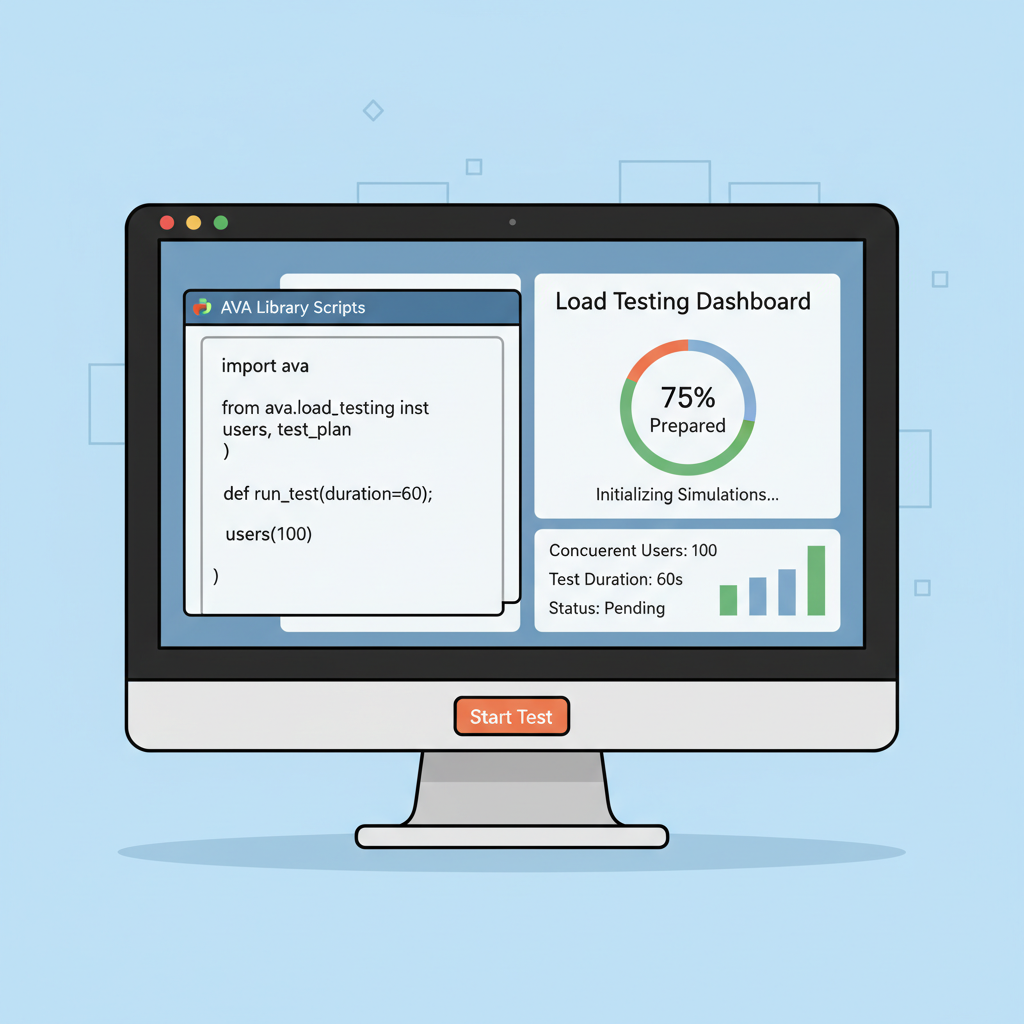
Tools like the Python AVA Library streamline setup, letting developers configure VMs, genesis states, and rules via intuitive scripts. Recent visions from Avalanche point toward 100,000 subnets, each hyper-optimized for specific workloads, as echoed in Solana Compass and 21Shares reports.
Avalanche Technical Analysis Chart
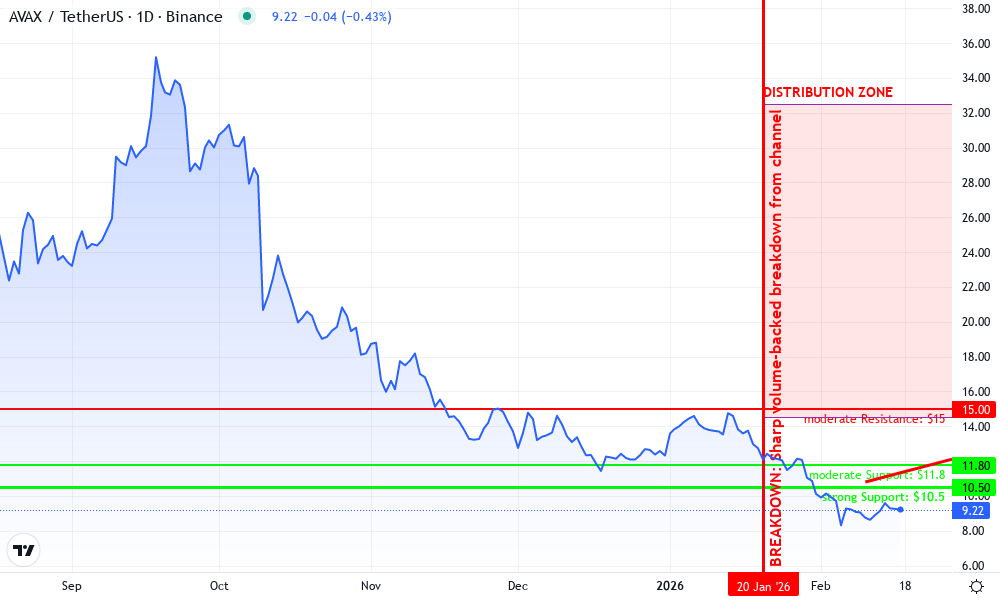
Analysis by David Ramirez | Symbol: BINANCE:AVAXUSDT | Interval: 1D | Drawings: 6
Technical Analysis Summary
As David Ramirez, with my balanced hybrid approach blending technical precision and fundamental awareness of Avalanche’s institutional subnet momentum, I recommend the following drawing instructions on this AVAXUSDT daily chart spanning late 2025 into early 2026. First, draw a prominent downtrend line (red, thick) connecting the swing high at 2026-12-01 32.50 to the recent low at 2026-02-10 10.80, highlighting the dominant bearish channel amid post-peak distribution. Add horizontal support at 10.50 (green, strong) and resistance at 15.00 (red, moderate), with a weaker resistance at 20.00. Use fib retracement from the peak low-pullback: 0.618 at ~18.50 as key hurdle. Mark entry zone long rectangle around 11.00-12.50 with low-risk label. Volume callout on the sharp decline spike around 2026-01-15 noting ‘capitulation volume’. MACD arrow down at bearish crossover mid-January. Price range rectangle for recent consolidation (accumulation) from 2026-02-05 to present, 10.80-13.00. Vertical line at 2026-01-20 for breakdown event. These markings emphasize balanced risk-reward for potential bounce in line with Avalanche’s L1 enterprise adoption narrative.
Risk Assessment: medium
Analysis: Downtrend intact but oversold with fundamental tailwinds; medium tolerance suits measured entries
David Ramirez’s Recommendation: Cautious long on support confirmation, scale in 20-30% position size for portfolio balance
Key Support & Resistance Levels
📈 Support Levels:
-
$10.5 – Strong multi-touch low with volume exhaustion
strong -
$11.8 – Intermediate support from recent wicks
moderate
📉 Resistance Levels:
-
$15 – Key overhead resistance from prior consolidation
moderate -
$20 – Psychological and prior swing low turned resistance
weak
Trading Zones (medium risk tolerance)
🎯 Entry Zones:
-
$11.8 – Bounce from strong support with volume pickup, aligned to medium risk tolerance
low risk -
$12.5 – Confirmation above recent high for dip-buy in accumulation zone
medium risk
🚪 Exit Zones:
-
$18 – Fib 0.618 retracement target
💰 profit target -
$10 – Break below strong support invalidates long
🛡️ stop loss
Technical Indicators Analysis
📊 Volume Analysis:
Pattern: decreasing on downtrend with capitulation spike
High volume on decline confirms distribution, now tapering suggesting reversal potential
📈 MACD Analysis:
Signal: bearish crossover with weakening momentum
MACD line below signal, histogram contracting—watch for bullish divergence
Applied TradingView Drawing Utilities
This chart analysis utilizes the following professional drawing tools:
Disclaimer: This technical analysis by David Ramirez is for educational purposes only and should not be considered as financial advice.
Trading involves risk, and you should always do your own research before making investment decisions.
Past performance does not guarantee future results. The analysis reflects the author’s personal methodology and risk tolerance (medium).
Key Prerequisites for Enterprise Subnet Deployment
Before diving into code, assess your infrastructure needs. Target institutional Avalanche subnet solutions start with validator specs: expect high-core CPUs, ample RAM, and NVMe storage to sustain 100K TPS. Network bandwidth exceeding 10 Gbps per node ensures smooth inter-subnet communication.
Security demands permissioned validator sets for enterprises handling regulated data. Integrate with Avalanche’s Primary Network for optional shared security, or go fully sovereign. Cost models shift dramatically here: subnets slash gas fees through tailored economics, often reducing expenses by orders of magnitude versus congested L1s.
From my vantage bridging TradFi and Web3, diversification across decentralized networks like these subnets hedges against single-chain risks while unlocking hybrid strategies. Littio Network’s yield pots exemplify this, blending DeFi primitives with institutional safeguards.
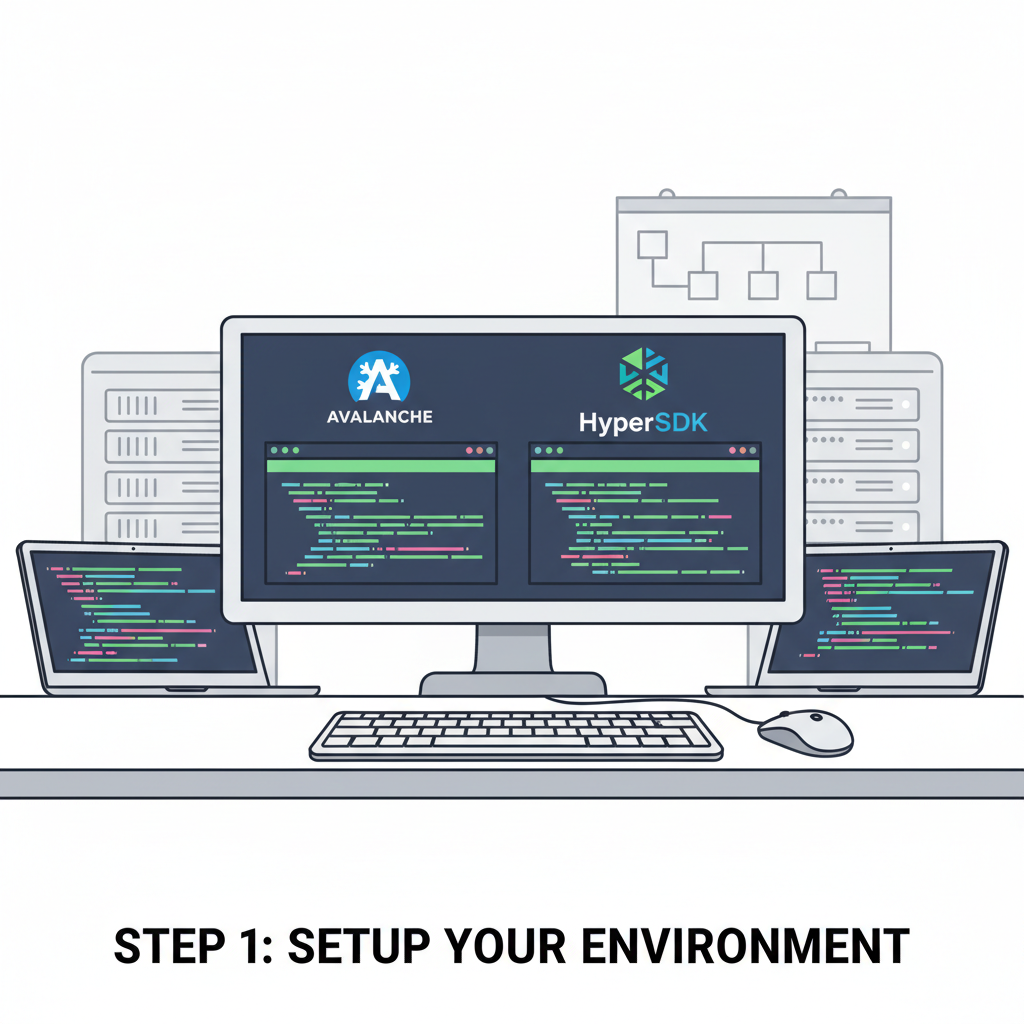
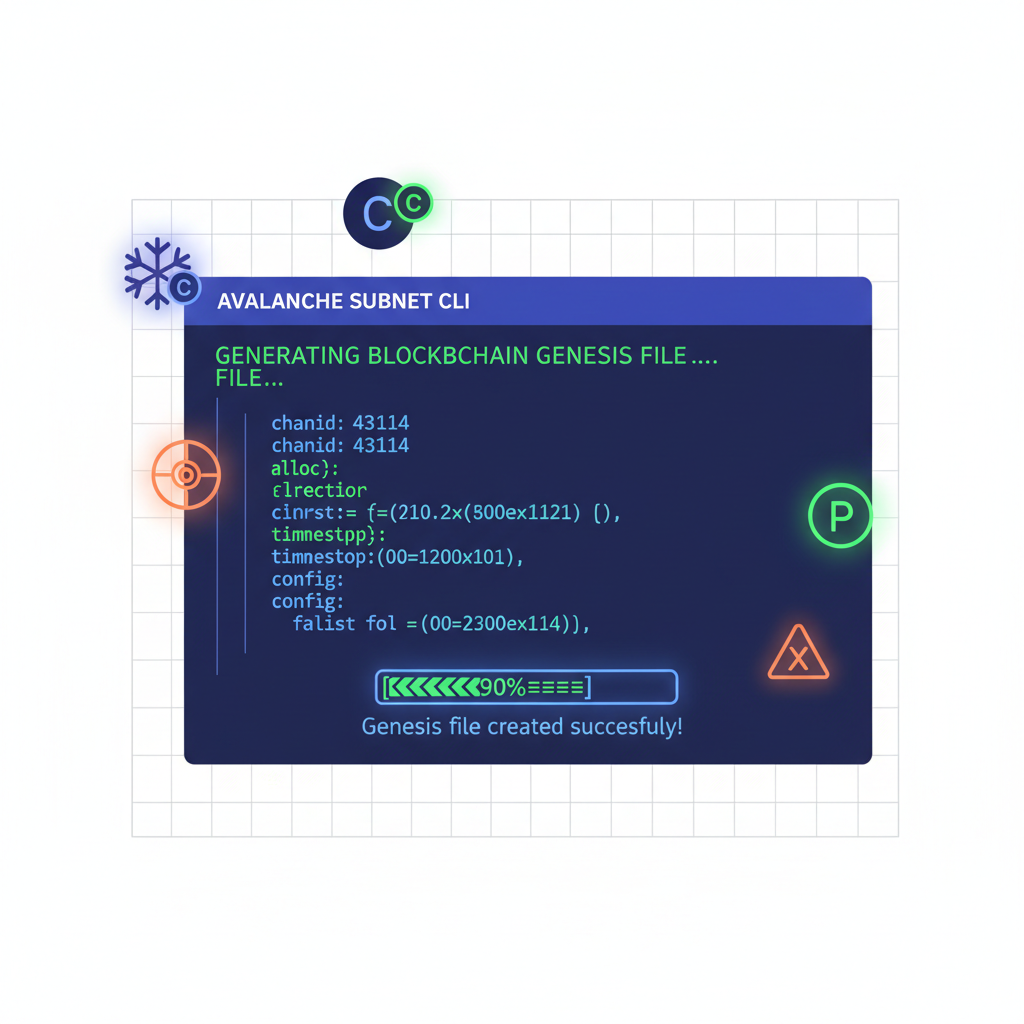
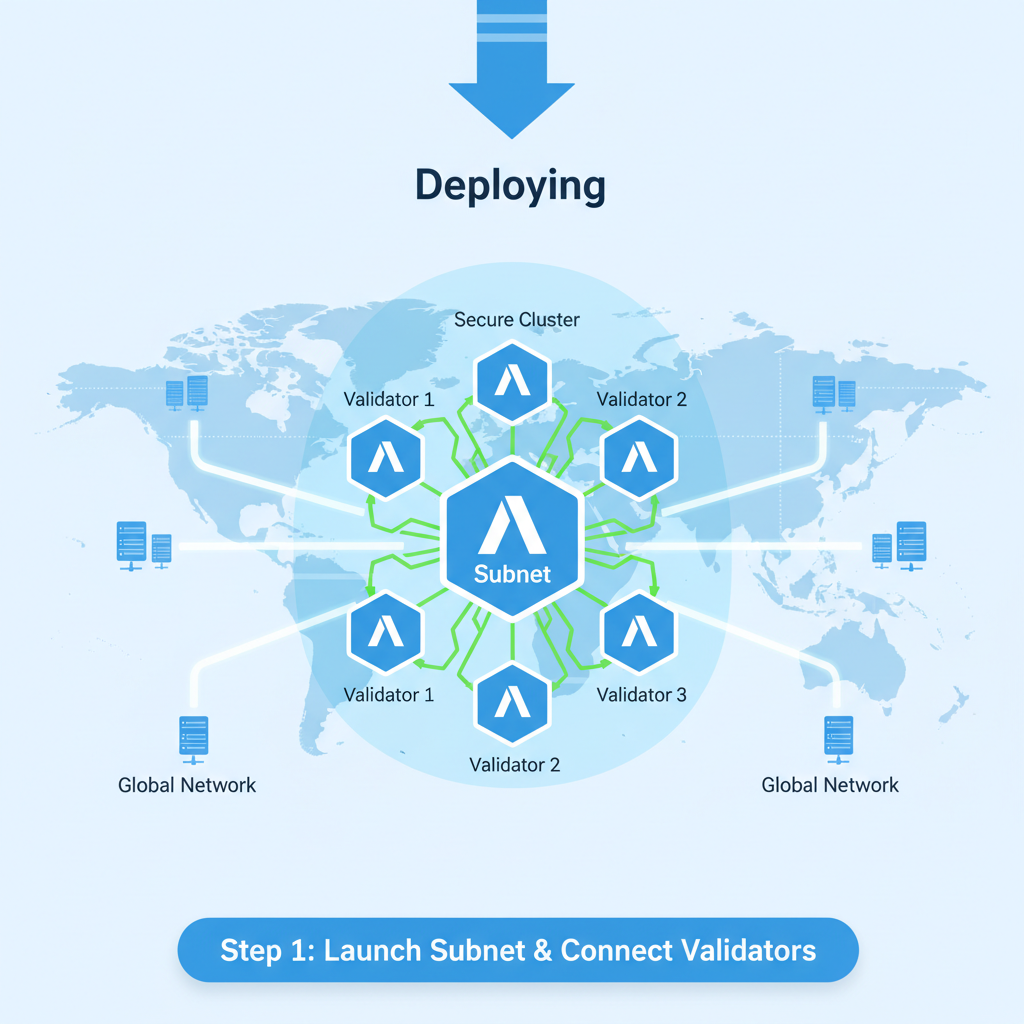
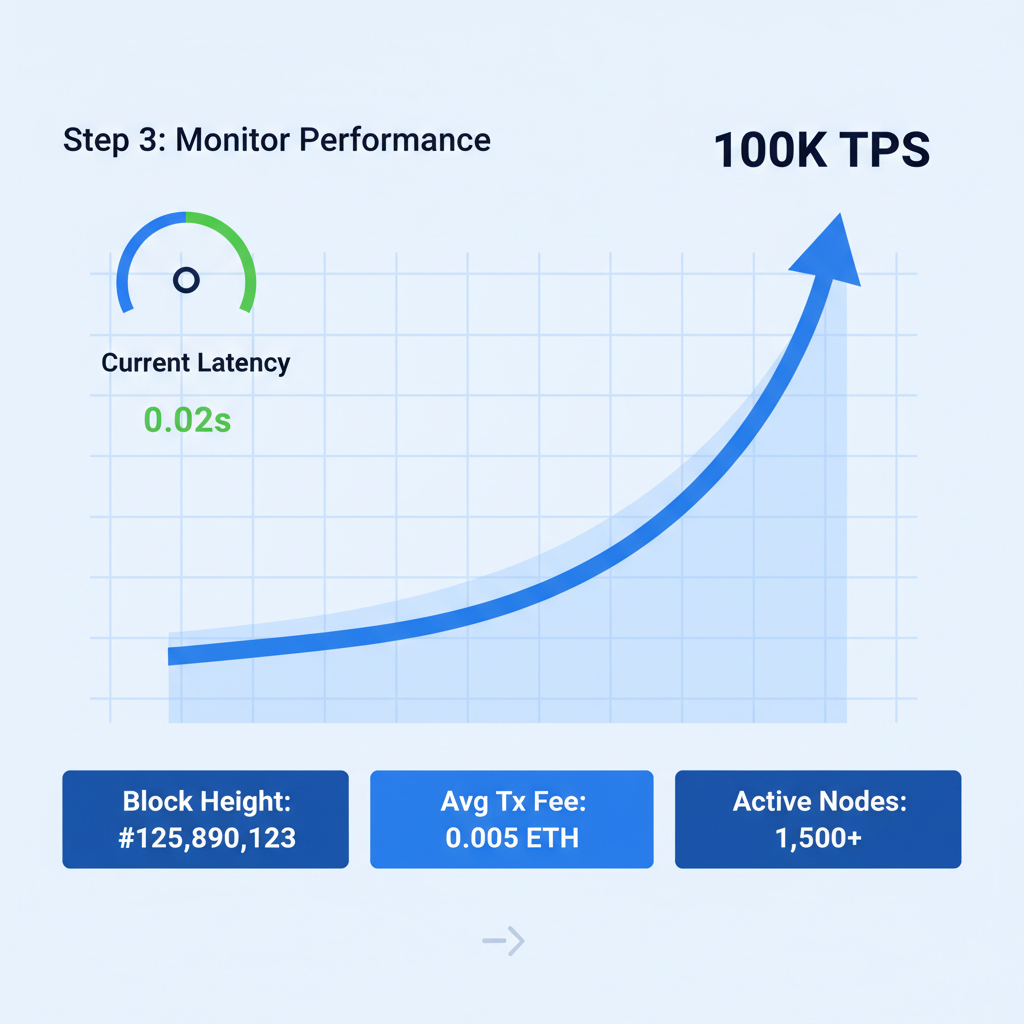
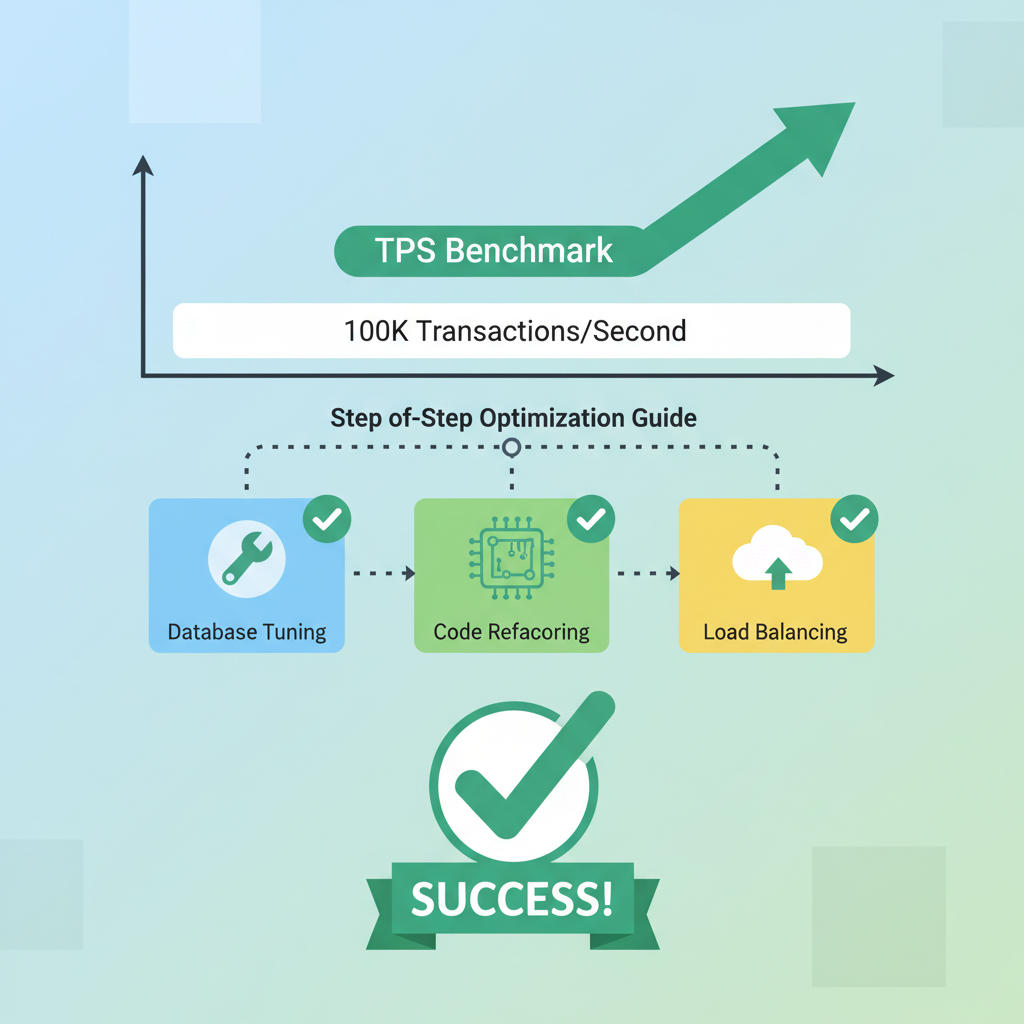
Launching your subnet involves bootstrapping the network with whitelisted validators and testing under load. Fine-tune VM parameters in HyperSDK to prioritize throughput, ensuring Vryx handles the decoupled workflow without bottlenecks. This approach empowers high throughput Avalanche subnets for business, where every millisecond counts in real-time trading or multiplayer economies. Execution demands precision, starting with genesis file generation via the AVA tools. Stake AVAX to your validators, launch the bootstrap node, and invite peers into the permissioned set. Simulate 100K TPS loads using custom benchmarks to validate performance before going live. My experience managing hybrid portfolios shows that rigorous testing here prevents costly pivots later. Post-deployment, monitor via Avalanche’s telemetry dashboards, adjusting stake weights dynamically for optimal consensus speed. Integrate oracles for real-world data feeds, crucial for DeFi or supply chain apps on these institutional Avalanche subnet solutions. Enterprises like those profiled by Zeeve gain sovereignty without isolation, interoperating seamlessly with the Primary Network. Hitting 100K TPS isn’t just about raw speed; it’s architecting for resilience. Permissioned setups mitigate sybil risks, ideal for regulated industries, while sovereign tokenomics control inflation and incentives. Costs plummet compared to Ethereum L1s, with gas optimized per subnet rules, often pennies per thousand transactions. Trade-offs persist: elevated hardware needs could concentrate validation among well-resourced nodes, nudging toward semi-decentralization. Counter this by rotating validators and leveraging Avalanche’s elastic security models. In practice, firms deploying for enterprise data, as MindDeft highlights, prioritize compliance over pure decentralization, securing sensitive ledgers in isolated yet performant chains. Delphi Digital’s data reinforces this edge: 18 million daily L1 transactions signal maturing infrastructure, with interchain messaging exploding. Galaxy’s analysis cements Avalanche’s finality lead, subverting latency woes plaguing competitors. For forward-thinking organizations, enterprise subnet deployment Avalanche via these tools translates to competitive moats. Gaming studios simulate worlds at scale; banks settle cross-border payments instantly. Littio’s yield pots demonstrate hybrid innovation, fusing TradFi yields with Web3 composability on subnets. Looking ahead, Avalanche’s 100,000-subnet ambition, powered by HyperSDK evolutions, promises an ecosystem where enterprises dictate terms. Diversify thoughtfully across these networks, blending them with legacy systems for resilient strategies. Subnetsfor. com stands ready to architect your deployment, ensuring sovereign control meets institutional demands. Deploying Your 100K TPS Enterprise Subnet
Deploy 100K TPS Avalanche Subnet: HyperSDK + Vryx Guide

Balancing Performance, Security, and Costs
Metric
Avalanche Subnets
Layer-2 Rollups
Throughput
100K and TPS sovereign
Sequencer-limited
Customization
Full rules/tokenomics
Inherited L1 rules
Finality
Sub-second
Batch-dependent