

Enterprise Guide to Custom Avalanche Subnets for Compliant RWA Tokenization

Institutional players are flocking to Avalanche for real-world asset (RWA) tokenization, and it’s no surprise why. With AVAX trading at $8.30 after a 24-hour dip of -1.19% (high $8.75, low $8.29), the network’s momentum remains strong amid surging RWA activity. Enterprises like FIFA Collect, Toyota Blockchain Group, and SMBC are deploying custom Avalanche subnets to tokenize everything from collectibles to treasuries, prioritizing compliance and control. By early 2026, Avalanche crossed $1.3 billion in RWA issuance, fueled by regulated partners and subnet flexibility that public chains can’t match.

This isn’t speculative hype; it’s pragmatic infrastructure meeting regulatory demands. Custom subnets let enterprises craft sovereign blockchains tuned for specific assets and jurisdictions, slashing costs while boosting throughput. Think dedicated environments for tokenizing property deeds or hedge funds without the noise of retail DeFi.
Avalanche Subnets Unlock Compliant RWA Tokenization at Scale
Avalanche enterprise subnets stand out because they deliver Layer-1 performance with enterprise-grade isolation. Unlike shared chains where compliance risks bleed across users, subnets offer sovereign control. You define validators, gas tokens, and VM rules, ensuring KYC/AML baked in from genesis. For RWAs, this means tokenizing AAA-rated securities or US Treasuries without exposing them to unregulated liquidity pools.
Data backs the shift: Avalanche’s RWA footprint exploded post-2025, with Grove Finance partnering Centrifuge and Janus Henderson to deploy $250 million in tokenized loan collateral and T-bills on a subnet. Evolve’s public testnet launch in December 2025 further tested productive RWA-DeFi integrations, drawing developer feedback to refine institutional tools. Bergen County’s migration of 370,000 property deeds? Pure subnet magic, proving real scalability for legacy assets.
Institutional conviction is moving on-chain for efficiency, transparency, and liquidity.
SkyBridge Capital’s $300 million hedge fund tokenization exemplifies how subnets bridge TradFi and blockchain, attracting capital that demands audited, permissioned rails.
Why Custom Subnets Beat Generic Chains for Enterprises
Public blockchains falter under enterprise scrutiny; they’re too permissionless for RWAs needing granular compliance. Custom subnets for RWA tokenization flip the script. Enterprises get high-throughput chains (4,500 and TPS) with finality under two seconds, all while enforcing jurisdiction-specific rules. No more wrestling with Ethereum’s congestion or Solana’s outages during compliance audits.
Bank of America spotlighted this in their Avalanche analysis: subnets are the next-level differentiator. They enable hybrid setups where C-Chain handles public DeFi, but subnets silo sensitive RWAs. Cost-wise, deploying a subnet slashes infrastructure expenses by 70-80% versus bespoke L1s, per Ava Labs benchmarks. For risk managers like me, with 12 years in crypto FRM, this hybrid analysis reveals subnets balancing on-chain fundamentals with technical signals perfectly.
Regulatory tailwinds amplify this. As tokenized assets transition from pilots to scaled adoption (per RedStone’s 2024-2025 report), jurisdictions like the EU’s MiCA favor customizable infrastructures. Avalanche’s Evergreen Subnets top 2026 RWA platform lists for good reason: they’re built for institutional longevity.
Enterprise Case Studies Powering Avalanche’s RWA Dominance
FIFA Collect isn’t dabbling; they’re building collector economies on dedicated subnets, tokenizing memorabilia with built-in royalties and provenance. Toyota Blockchain Group leverages subnets for supply chain RWAs, tracking parts immutably across borders. SMBC, a Japanese banking giant, tests tokenized bonds, eyeing subnets for sovereign yield products.
These aren’t outliers. The Canton Network’s 2026 RWA state report calls Avalanche a prime L1 for institutions, citing subnet modularity. MEXC ranks Avalanche subnets #1 for 2026 institutional RWA platforms. Even as AVAX holds at $8.30, on-chain RWA TVL signals deeper conviction, with tokenized treasuries and funds leading adoption waves.
Grove’s $250 million push underscores the flywheel: more RWAs tokenize, drawing institutional capital that bolsters AVAX’s value proposition. Prediction models factor this in, projecting upside from subnet-driven network effects.
Avalanche (AVAX) Price Prediction 2027-2032
Forecasts based on RWA tokenization growth, institutional adoption via custom subnets, and market cycles from 2026 baseline of $8.30
| Year | Minimum Price | Average Price | Maximum Price | YoY % Change (Avg from Prior) |
|---|---|---|---|---|
| 2027 | $12.00 | $28.50 | $60.00 | +243% |
| 2028 | $18.00 | $45.00 | $95.00 | +58% |
| 2029 | $25.00 | $68.00 | $140.00 | +51% |
| 2030 | $35.00 | $95.00 | $190.00 | +40% |
| 2031 | $45.00 | $125.00 | $260.00 | +32% |
| 2032 | $55.00 | $165.00 | $350.00 | +32% |
Price Prediction Summary
AVAX is positioned for strong growth through 2032, driven by RWA tokenization exceeding $1.3B issuance and partnerships with FIFA, Toyota, SMBC. Average prices could 20x from 2026 levels in bullish adoption scenarios, with min/max reflecting bear/bull market cycles and regulatory progress.
Key Factors Affecting Avalanche Price
- Explosive RWA growth via compliant Evergreen Subnets ($1.3B+ issuance)
- Institutional adoption (SkyBridge $300M fund, Grove $250M RWAs, Bergen County deeds)
- Customizable subnets for enterprise compliance and scalability
- Crypto market cycles, Bitcoin halving spillovers, and L1 competition
- Regulatory tailwinds for tokenized assets and tech upgrades like Evolve Testnet
Disclaimer: Cryptocurrency price predictions are speculative and based on current market analysis.
Actual prices may vary significantly due to market volatility, regulatory changes, and other factors.
Always do your own research before making investment decisions.
That institutional flywheel isn’t slowing. With AVAX steady at $8.30, subnets are the quiet engine propelling Avalanche ahead in the RWA race, where $1.3 billion issuance marks just the inflection point.
Deploying Custom Subnets: Your Avalanche Subnets Compliance Guide
Enterprises eyeing custom subnets RWA tokenization need a blueprint that aligns tech with regs. From my FRM lens, I’ve seen too many pilots crash on compliance cliffs. Avalanche’s setup flips that, letting you spin up institutional Avalanche subnets in weeks, not years. Validators? Yours. Token standards? Tailored for ERC-3643 compliant RWAs. Throughput? Sub-2-second finality at enterprise scale.
Launch Compliant Avalanche Subnet for RWA Tokenization: Enterprise 8-Step Guide
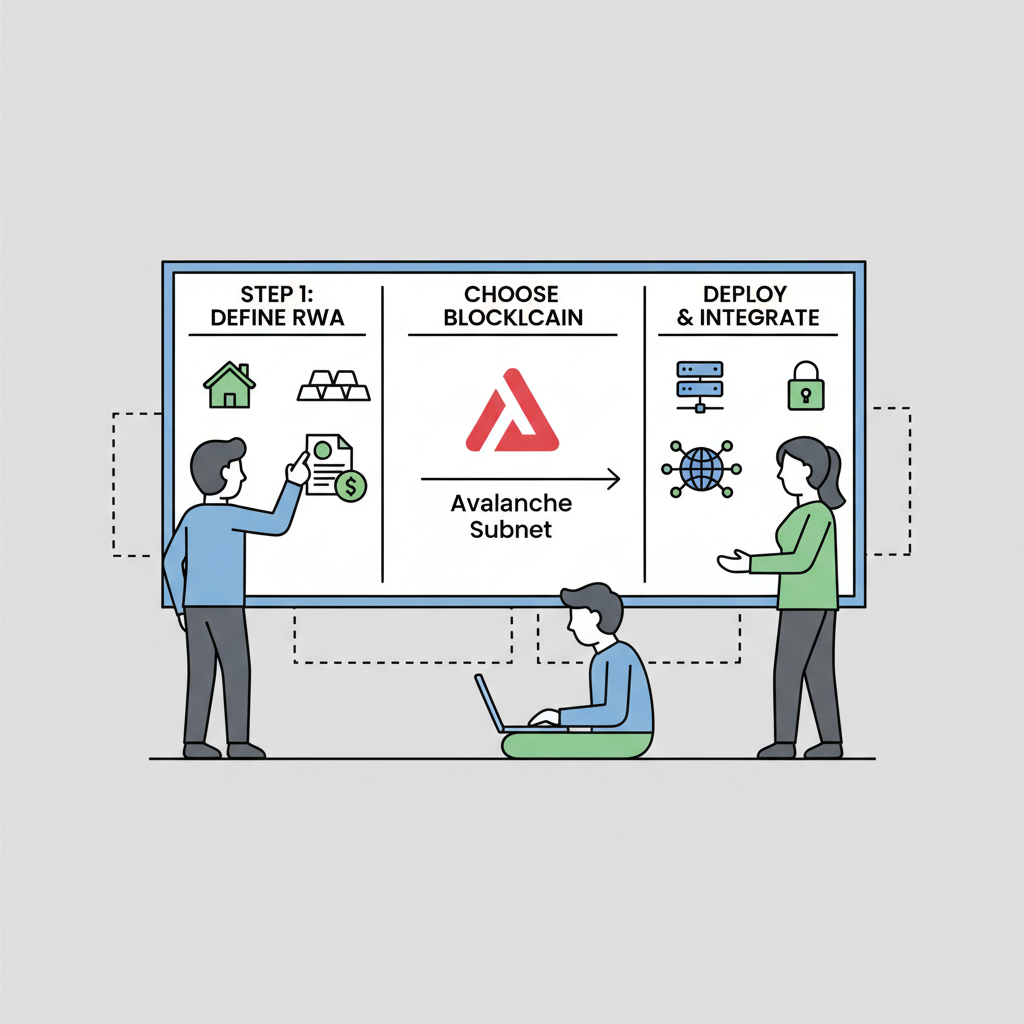

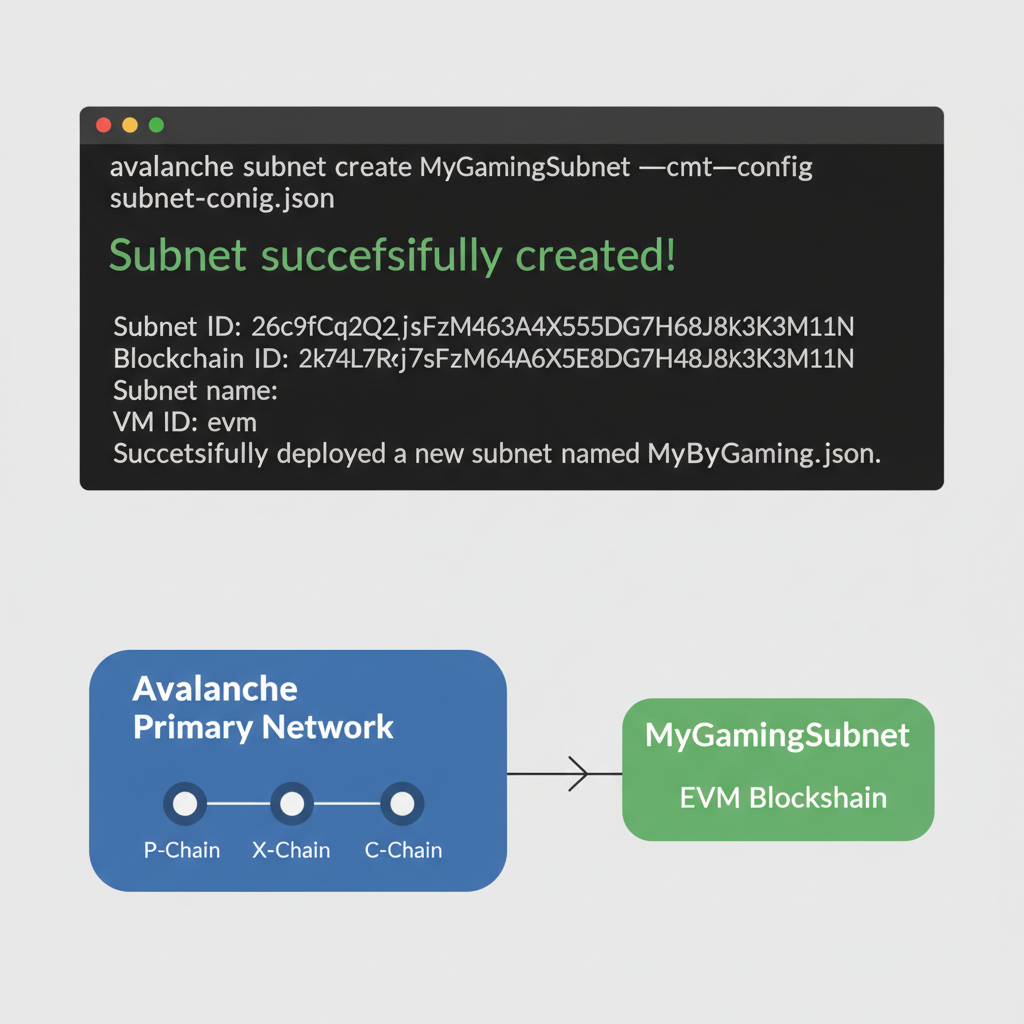
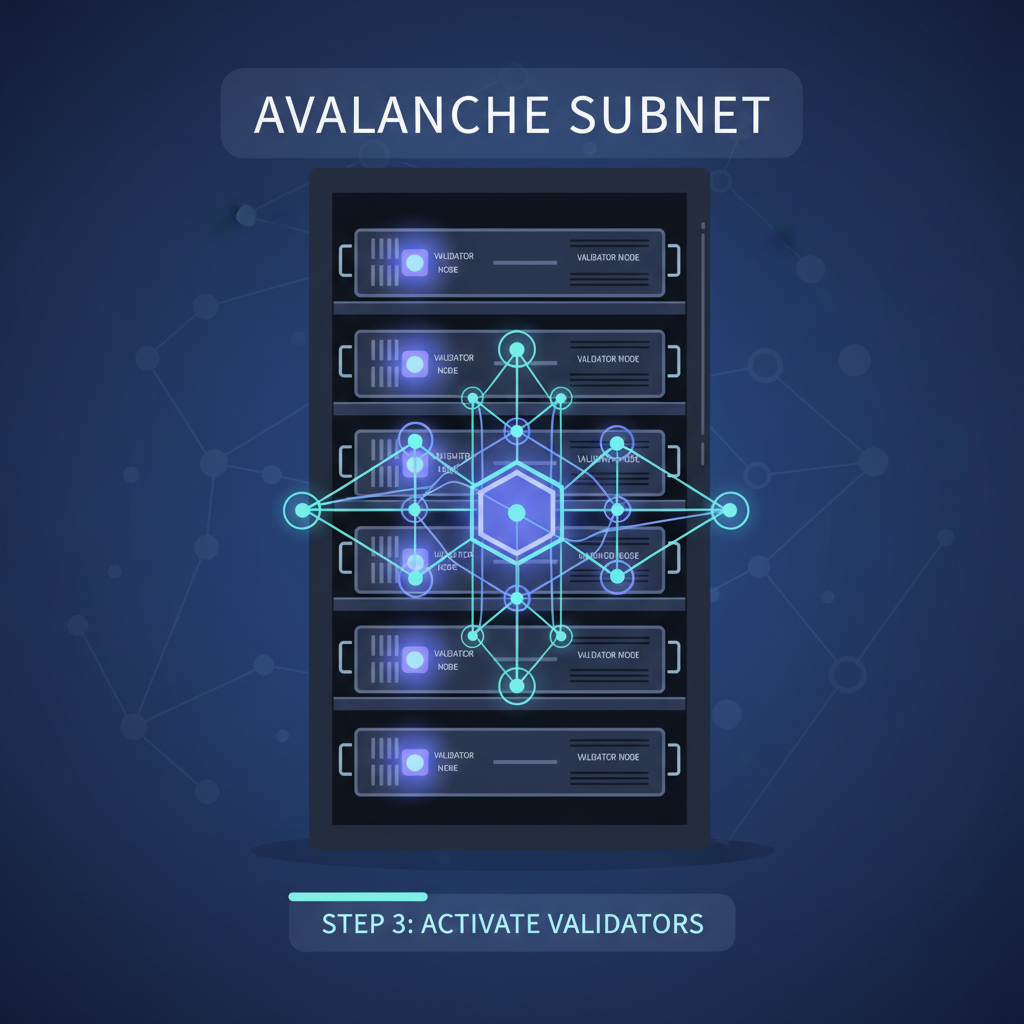

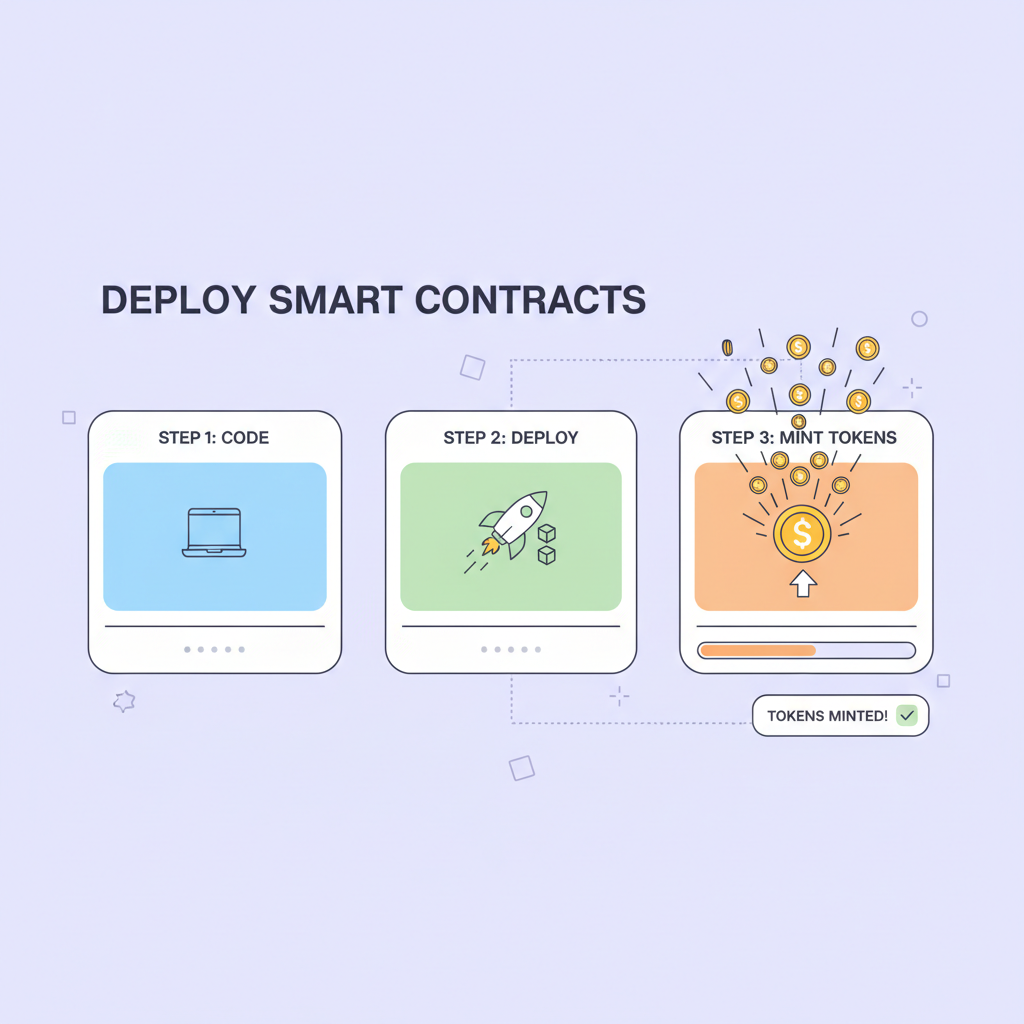
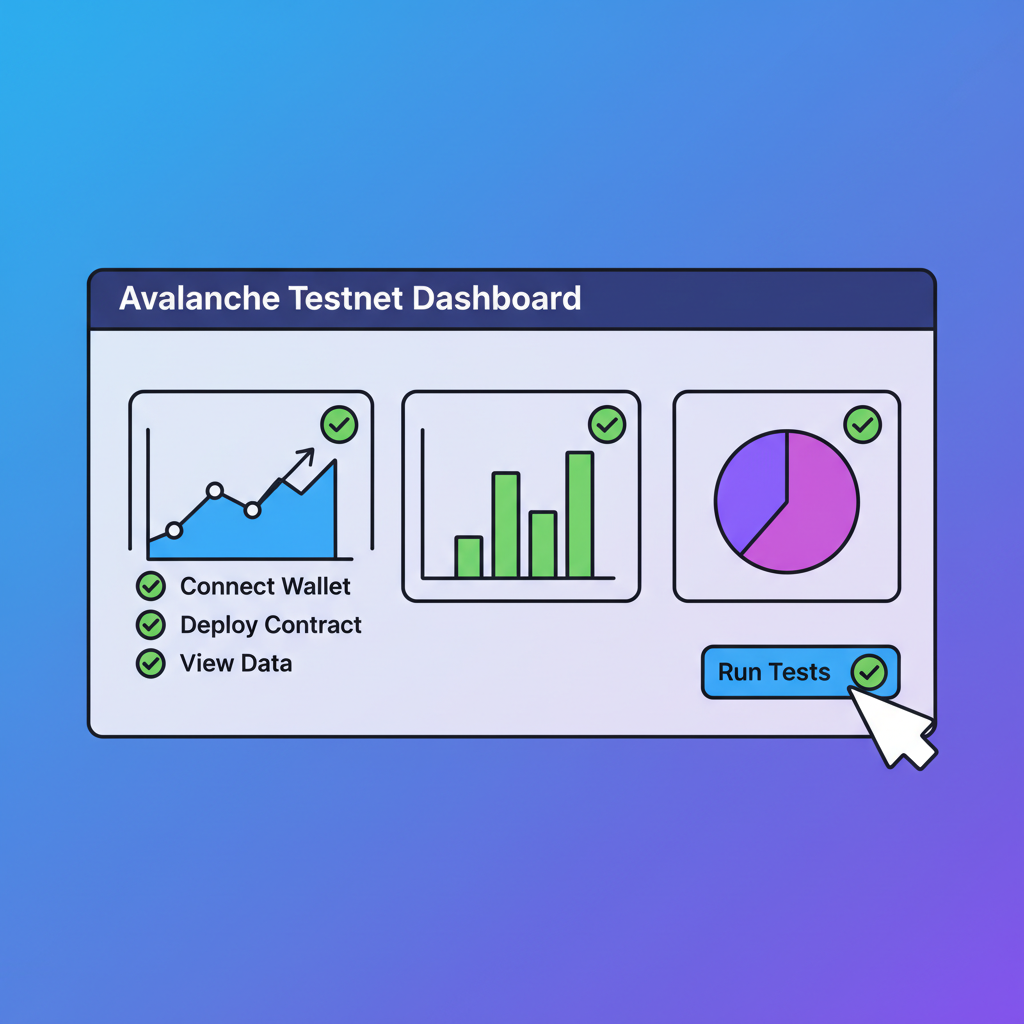
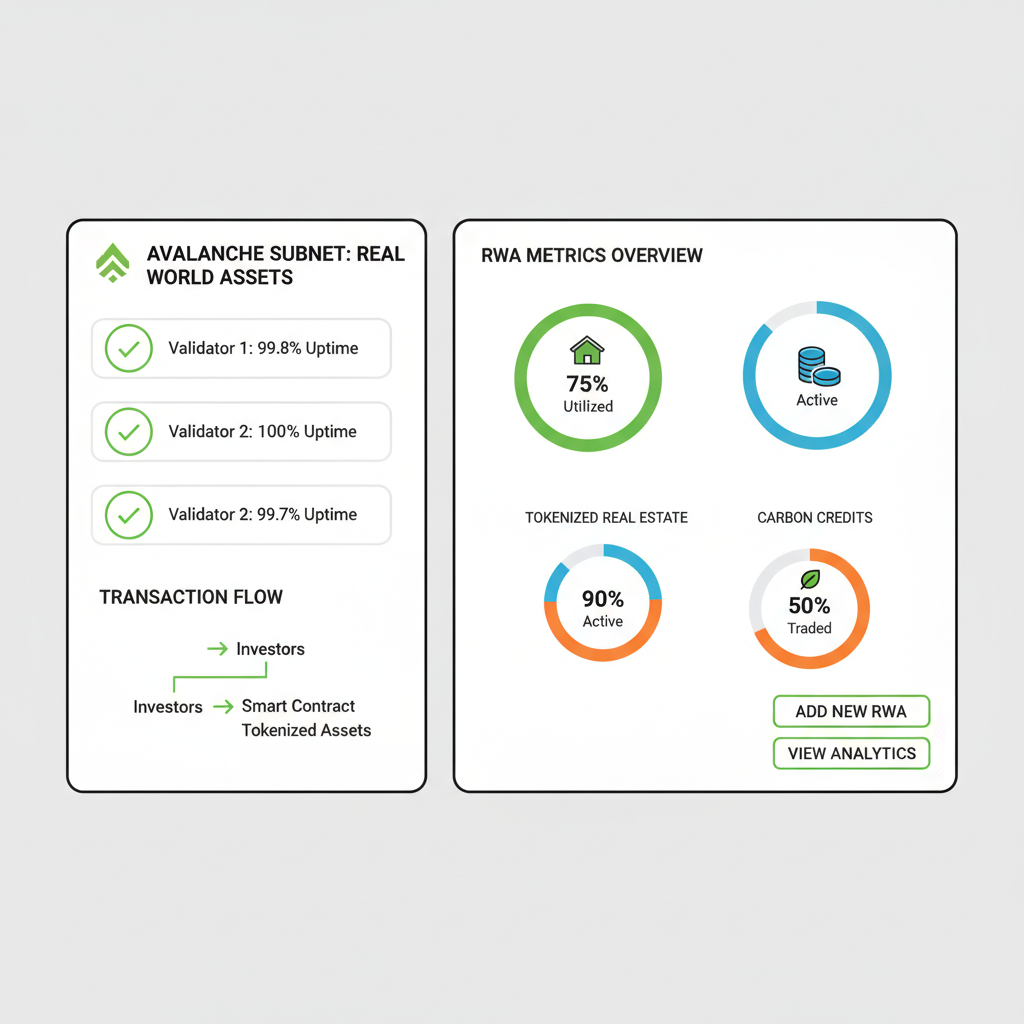
Once live, these sovereign subnets enterprises crave integrate seamlessly with Avalanche’s Warp Messaging for cross-chain RWAs. Grove’s $250 million deployment? Textbook execution: tokenize T-bills, collateralize loans, all siloed from public volatility. Evolve Testnet proved it works at scale, with devs iterating DeFi hooks for real yields.
Risk-wise, subnets mitigate the hybrid pitfalls I track daily. On-chain fundamentals like TVL growth pair with technicals: 99.99% uptime, sub-cent fees. No more 70% cost overruns from legacy migrations. Bergen County’s 370,000 deeds show governments following suit, tokenizing public records without sovereignty loss.
Key Advantages Driving Enterprise Adoption
Top 5 Subnet Wins for RWA
-

Sovereign Control: Enterprises deploy dedicated subnets with custom validators, rules, and VMs—full autonomy like FIFA Collect and Toyota Blockchain Group on Avalanche.
-

Compliance Tools: Tailored for regs with jurisdiction-specific setups, KYC/AML enforcement, powering $1.3B+ RWA issuance by SkyBridge and Bergen County.
-
High TPS: Subnets deliver 4,500+ TPS scalability for high-volume RWA trades, handling institutional loads without congestion.
-

Cost Savings: Predictable low fees via custom gas tokens and no mainnet competition—ideal for Grove Finance’s $250M RWA deployment.
-

Seamless TradFi Integration: Bridges TradFi via partnerships like SMBC and Janus Henderson, enabling tokenized treasuries and deeds on-chain.
FIFA Collect tokens digital memorabilia with royalty splits enforced at the protocol level, turning fans into stakeholders. Toyota tracks auto parts provenance across supply chains, slashing fraud by 40% in pilots. SMBC’s bond experiments hint at yen-denominated yields on subnets, blending JSDA rules with blockchain speed.
This isn’t uniform adoption; it’s asset-class specific. Treasuries thrive on permissioned liquidity, deeds on immutable audit trails, funds on KYC-gated redemptions. RedStone’s report nails it: 2024-2025 pilots scaled because subnets tamed the chaos. Canton Network echoes: Avalanche L1s lead for modularity.
Subnets are straight-up next level.
Bank of America’s nod reinforces: C-Chain for retail buzz, subnets for the heavy lifting. As tokenized funds hit mainstream, expect more like SkyBridge’s $300 million, where LPs access hedge strategies on-chain without custody headaches.
Navigating Challenges and Future-Proofing RWAs
Volatility? Subnets insulate RWAs from AVAX’s -1.19% swings, pegging to stables or fiat. Interoperability gaps? Cross-subnet bridges and Ethereum compatibility close them. My 12 years in crypto risk management scream caution on oracle risks, but Avalanche’s oracle-agnostic design lets you plug Pyth or Chainlink compliant feeds.
Regulatory flux adds spice. MiCA compliance via subnet VMs? Check. SEC scrutiny on securities? Built-in transfer restrictions. Enterprises win by starting small: testnet proofs, then mainnet with phased liquidity. 2026 forecasts from MEXC peg Avalanche as top RWA platform, with Evergreen Subnets enabling that evergreen growth.
Forward-thinking orgs get it: Avalanche enterprise subnets aren’t a feature; they’re the infrastructure moat. As $1.3 billion TVL climbs, driven by Grove, Evolve, and county-scale deeds, the network cements dominance. Toyota and SMBC signal the next wave: trillions in illiquid assets unlocking liquidity pools tailored for institutions.
AVAX at $8.30 undervalues this trajectory. Subnet deployments compound network effects, pulling capital that sticks. For risk pros balancing signals, it’s a bet on proven rails over hype. Enterprises building today own tomorrow’s tokenized economy.