
What is AI-driven subnet segmentation
AI-driven subnet segmentation divides a network into isolated zones using artificial intelligence to enforce access policies. This approach moves beyond the static rules of traditional network architecture, creating a dynamic defense layer that adapts to changing conditions in real time.
Traditional segmentation relies on fixed rules defined by network administrators. These static boundaries often fail to respond quickly to new threats or shifting workloads. AI-driven subnet segmentation replaces rigid configurations with continuous monitoring and automated decision-making. The system analyzes traffic patterns, user behavior, and device identity to adjust access controls on the fly.
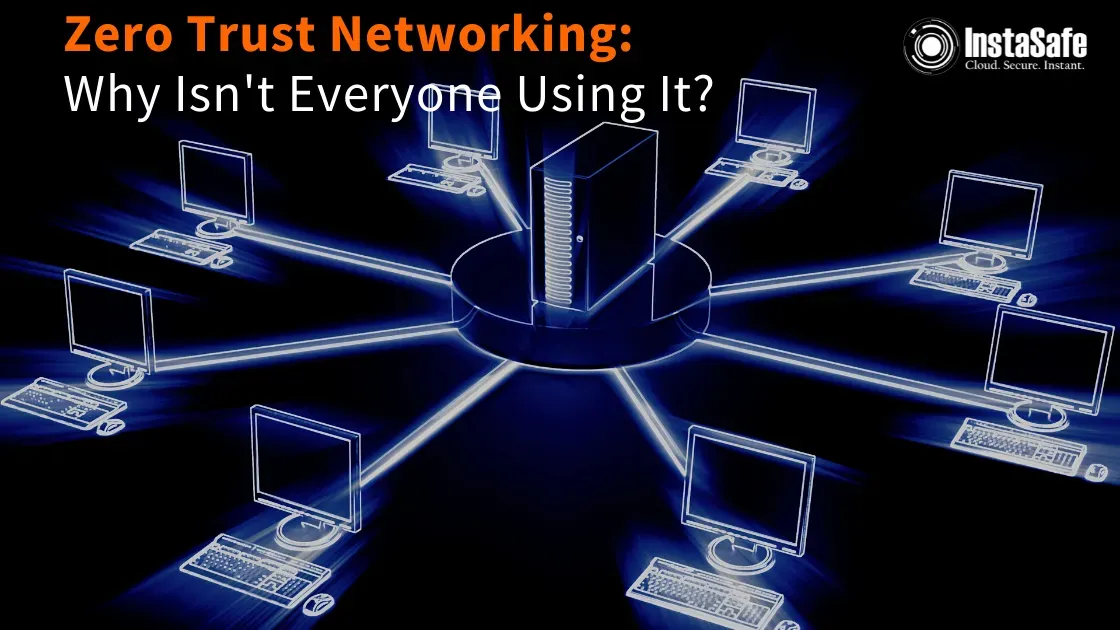
This method is a core component of the 2026 zero trust standard. By constantly verifying every request, it minimizes the risk of lateral movement. If an attacker breaches one segment, the AI immediately isolates the threat, preventing it from spreading to other parts of the infrastructure.
The shift from static to dynamic segmentation reduces manual effort while improving threat intelligence. Security teams no longer need to manually update rules for every new device or application. Instead, the AI handles the heavy lifting, ensuring that only authorized entities can communicate across segments.
KeyTakeaways
- AI-driven subnet segmentation uses artificial intelligence to dynamically isolate network zones.
- It replaces static, manual rules with real-time, automated policy enforcement.
- This approach supports zero trust principles by limiting lateral movement and reducing manual overhead.
Static rules versus dynamic AI policies
Traditional network segmentation relies on static rules to define boundaries. These rules are typically based on IP addresses, ports, and protocols. Administrators manually configure these policies, creating fixed zones that rarely change. This approach works well for stable environments but struggles when network conditions shift. The rigidity of static rules often leads to either overly permissive access to ease management or overly restrictive access that hinders productivity.
AI-driven subnet segmentation introduces dynamic policies that adapt in real time. Instead of relying on fixed IP ranges, AI models analyze traffic patterns, user behavior, and device identity. This allows the network to adjust access controls automatically as threats or anomalies emerge. The system learns what normal activity looks like and flags deviations instantly, reducing the window of exposure.
The difference becomes clear when comparing how each approach handles common security dimensions. Static segmentation requires constant human intervention to update rules, while AI systems automate this process. Response times also differ significantly; manual updates can take hours or days, whereas AI policies adjust in seconds. Visibility is another area where AI shines, providing continuous monitoring rather than periodic snapshots.
| Dimension | Static Segmentation | AI-Driven Subnet Segmentation |
|---|---|---|
| Policy Management | Manual configuration | Automated, adaptive policies |
| Response Time | Hours to days | Seconds to minutes |
| Visibility | Periodic snapshots | Continuous, real-time monitoring |
| Lateral Movement Risk | Higher (static boundaries) | Lower (dynamic isolation) |
This shift from static to dynamic segmentation is a core component of modern zero trust architectures. By treating every access request as a potential threat, AI-driven systems enforce least-privilege access more effectively. The result is a network that is not just segmented, but intelligently defended. For more on the evolution toward AI-powered zero trust, see the IEEE paper on AI-Driven Zero Trust.
How AI-driven subnet segmentation stops lateral movement
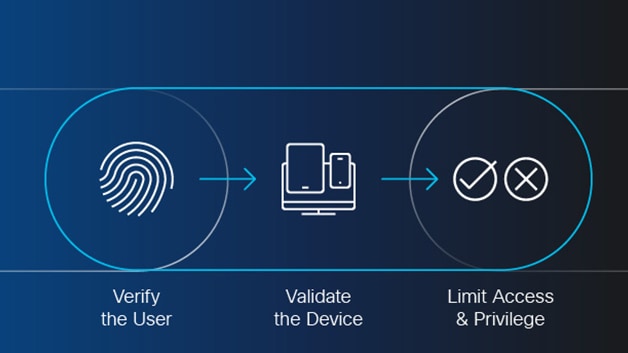
Lateral movement is the primary mechanism attackers use to escalate privileges and reach high-value assets after an initial breach. Traditional perimeter defenses fail here because they assume trust within the network boundaries. Once inside, an attacker scans for vulnerabilities and moves freely. AI-driven subnet segmentation changes this dynamic by treating every network flow as untrusted, regardless of its origin.
This approach transforms segmentation from a static configuration into a dynamic access governance layer. Instead of relying on rigid, manually updated firewall rules, AI models analyze traffic patterns in real time. They identify deviations from baseline behavior, such as a server attempting to communicate with an unexpected database or a workstation trying to access administrative ports. When an anomaly is detected, the system isolates the segment immediately, cutting off the attacker’s path.
The speed of modern AI-driven attacks makes manual response impossible. As noted in industry analysis, AI-driven attack speed turns network segmentation into an access governance issue, where the ability to identify weaknesses and move faster determines the outcome of a breach. AI-driven subnet segmentation counters this by automating the containment process. It shrinks the attack surface by ensuring that even if one node is compromised, the attacker cannot pivot to others. This constant, automated verification is the core of a Zero Trust Architecture, ensuring that trust is never assumed and always verified.
Moving from manual rules to automated policy
Implementing AI-driven subnet segmentation means shifting away from static, manually configured rules. Traditional network segmentation relies on broad rulesets that are often outdated by the time they are deployed. This approach creates blind spots where lateral movement can occur. AI-driven subnet segmentation replaces these rigid structures with dynamic, context-aware policies.
The process begins with continuous network discovery. AI agents map every device, application, and data flow in real time. This visibility provides an accurate, up-to-date view of the network topology. Without this foundation, automated policy enforcement is impossible.
Once the map is complete, the system analyzes behavior patterns. Instead of relying on predefined permissions, the AI learns how devices normally communicate. It identifies anomalies and potential threats based on actual usage rather than static definitions. This behavioral analysis allows for granular control that adapts as the network changes.
Policy creation becomes automated and deterministic. The AI generates specific rules for each subnet based on the observed behavior. These policies are enforced at the network edge or within the device itself. This reduces the burden on IT teams and ensures consistent security across the enterprise.
Finally, the system continuously monitors and adjusts. As new devices join or applications change, the AI updates the segmentation policies automatically. This creates a self-healing network that maintains security without constant human intervention. The result is a more resilient infrastructure that can adapt to evolving threats.
Common questions about AI-driven subnet segmentation
Network segmentation divides a network into multiple subnets, each acting as its own small network [src-serp-1]. AI-driven subnet segmentation applies artificial intelligence to this architectural approach to manage access and detect threats dynamically.
No comments yet. Be the first to share your thoughts!