
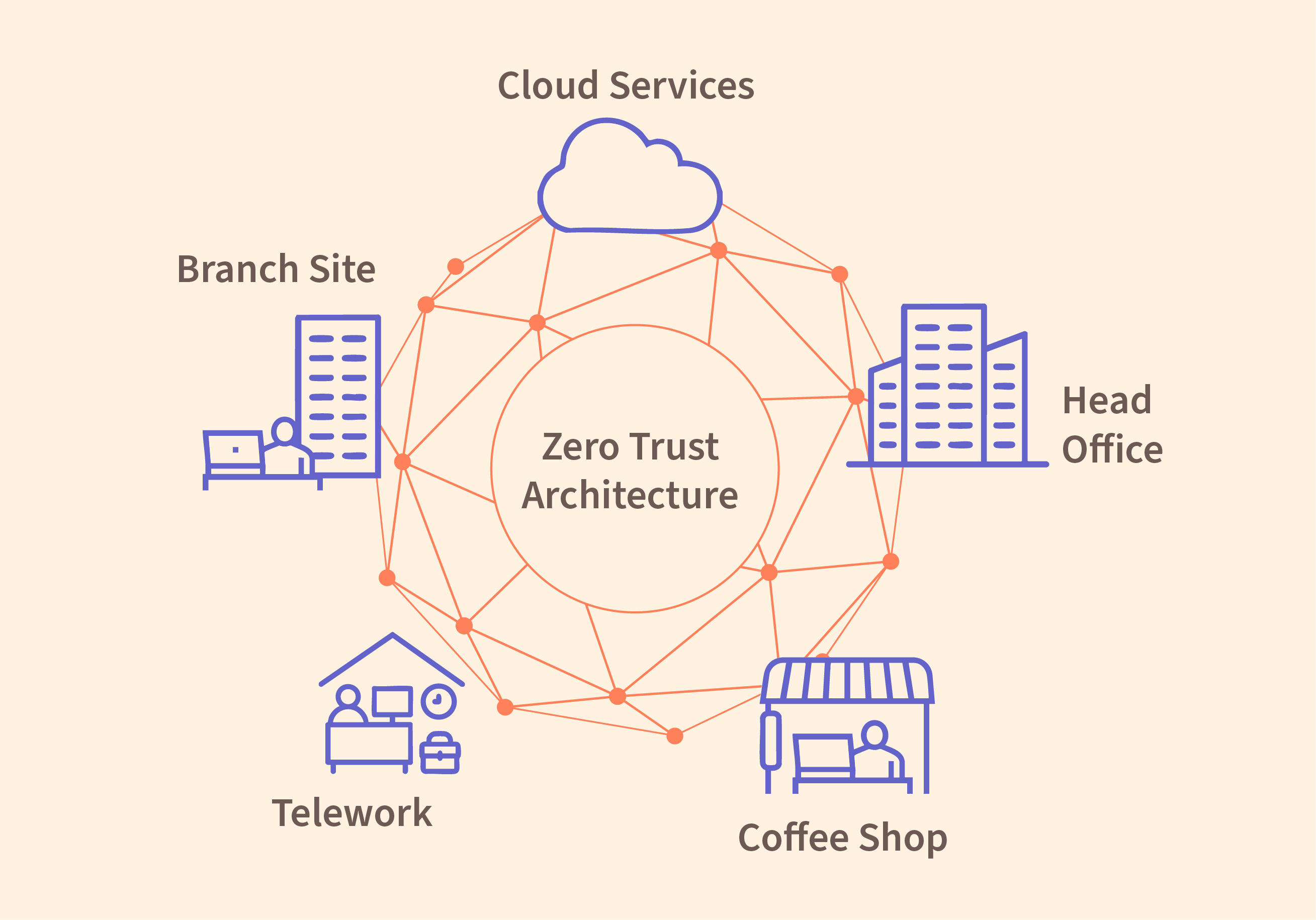
Zero trust architecture 2026 budget
Building a zero trust architecture in 2026 requires balancing identity management, micro-segmentation, and continuous monitoring. The cost isn't just in software licenses; it's in the infrastructure that enforces strict access controls across enterprise subnets. You need tools that can handle the volume of identity checks without slowing down user experience, which often means investing in higher-performance hardware or cloud-based identity providers.
When selecting tools, focus on solutions that offer clear ROI through reduced breach risk and operational efficiency. The market has shifted from perimeter-based defenses to identity-first models, meaning your budget should prioritize tools that integrate seamlessly with existing directory services and provide real-time visibility into user behavior. This approach minimizes the need for costly reactive security measures later.
Below are concrete product recommendations that fit various budget tiers, from small teams to large enterprises. These tools are selected for their ability to enforce zero trust principles effectively, with affiliate-safe links for easy procurement.


As an Amazon Associate, we may earn from qualifying purchases.
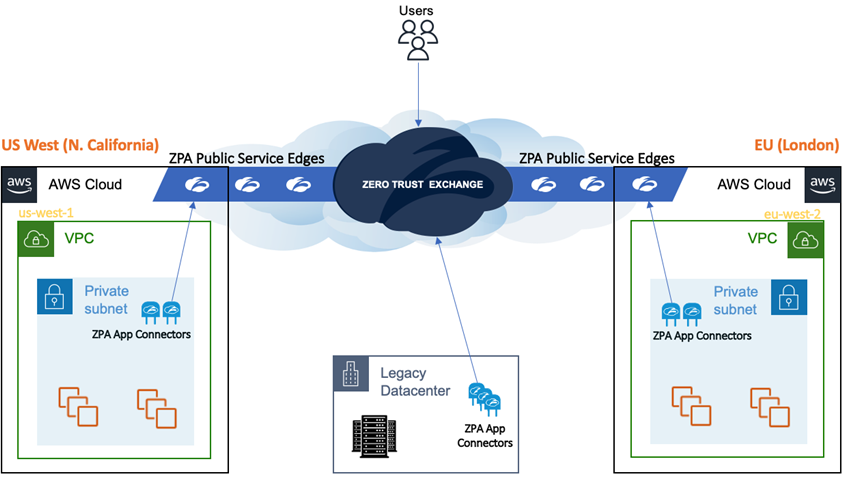
These products represent the core of a modern zero trust stack. Cisco Secure Client is ideal for organizations already invested in the Cisco ecosystem, offering robust endpoint visibility. Zscaler Private Access provides a cloud-native approach, reducing the need for on-premises hardware. Palo Alto Prisma Access offers a comprehensive SASE framework, integrating security services with network access for large-scale deployments. Choose based on your existing infrastructure and scalability needs.
Compare zero trust architecture 2026 options
Zero trust architecture in 2026 has shifted from a theoretical framework to a practical stack of tools. The goal is simple: verify every user and device before granting access to enterprise subnets. When selecting software, focus on how well each option handles identity-first security and micro-segmentation.
The following comparison highlights leading platforms based on deployment complexity, AI-driven automation, and integration depth. These tools help organizations move away from perimeter-based security toward continuous verification.
| Vendor | Primary Strength | Ease of Integration | AI Automation |
|---|---|---|---|
| Cisco Secure | Network visibility | High | Anomaly detection |
| Palo Alto Networks | Cloud-native security | Medium | Threat prevention |
| Zscaler | Zero trust exchange | High | User behavior analysis |
| Microsoft Entra | Identity integration | High | Risk-based access |
Cisco Secure excels in network visibility, making it ideal for enterprises with complex on-premise infrastructure. Its AI features focus on detecting anomalies in traffic patterns, which helps identify lateral movement within subnets.
Palo Alto Networks offers strong cloud-native security, suitable for hybrid environments. Their AI-driven threat prevention reduces false positives, allowing security teams to focus on genuine threats rather than noise.
Zscaler’s zero trust exchange model simplifies access by routing traffic through the cloud. This approach reduces the attack surface and leverages AI for user behavior analysis, ensuring only legitimate users access sensitive resources.
Microsoft Entra integrates seamlessly with existing identity systems, making it a natural choice for organizations already using Microsoft 365. Its risk-based access controls adapt dynamically to user behavior, providing a layer of security that adjusts to real-time risks.
Inspect the expensive parts
Before you sign off on an AI-driven micro-segmentation rollout, audit the components that cause the most expensive failures. Zero trust is not just about blocking traffic; it is about maintaining visibility while tightening controls. If you miss these checks, you will likely face outages or compliance gaps that are far costlier to fix than the initial implementation.
1. Identity Provider Resilience
In a zero-trust model, identity is the new perimeter. If your identity provider (IdP) goes down, no one can authenticate, and your entire network effectively locks up. Verify that your IdP has redundant failover paths and that session tokens are validated efficiently. A single point of failure here negates the security benefits of micro-segmentation.
2. Policy Engine Latency
AI-driven segmentation relies on real-time policy decisions. If the policy engine is slow to evaluate requests, user experience degrades, and timeouts may occur. Test your segmentation tools under load to ensure they can process thousands of identity and context-based decisions per second without adding noticeable latency to legitimate traffic.
3. Legacy Device Compatibility
Not all devices support modern mutual TLS or short-lived certificates. Identify legacy IoT devices or older endpoints that cannot handle zero-trust authentication. You may need to place these in isolated segments with strict egress-only rules rather than forcing them into the main zero-trust fabric, where they would cause constant authentication failures.
4. Monitoring and Alerting Coverage
You cannot protect what you cannot see. Ensure your monitoring tools are integrated with your segmentation platform to capture dropped packets, failed authentications, and policy violations. Standard network monitoring is often insufficient for zero trust; you need visibility into identity-based failures and lateral movement attempts within segments.


As an Amazon Associate, we may earn from qualifying purchases.
Plan for ownership costs
A zero-trust solution is rarely a one-time purchase. The initial license or hardware cost is just the entry fee. You need to calculate the total cost of ownership over three to five years, including maintenance, support contracts, and the internal labor required to keep the system running.
Many teams underestimate the time spent on policy tuning. Micro-segmentation rules change as applications are updated or migrated. If your security team is already stretched thin, a complex platform can become a bottleneck rather than a shield. Factor in the cost of training or hiring specialists who understand identity-first security models.
Also consider the cost of visibility. Zero trust relies on continuous monitoring. If your existing logging infrastructure cannot handle the volume of telemetry data, you may need to upgrade your SIEM or add new monitoring tools. These hidden infrastructure costs can double the initial budget within the first year.
When cheap stops being cheap
Low upfront costs often signal high long-term friction. Cheap platforms may lack the automation needed for large enterprise subnets, forcing your team to manually configure every new device or user. This manual work scales poorly and increases the risk of human error.
Look for platforms that offer clear integration paths with your existing identity providers (like Okta or Azure AD) and network gear. If a tool requires custom code or heavy scripting to work with your stack, the engineering hours will quickly outweigh any savings on the license. Prioritize solutions that reduce operational drag, not just those that fit the initial budget line item.
Recommended Tools
The following tools are common in the market for implementing these architectures. Check current availability and pricing directly with vendors.


As an Amazon Associate, we may earn from qualifying purchases.
Zero trust architecture 2026: what to check next
Implementing zero trust architecture in 2026 requires shifting from perimeter-based defenses to identity-first verification. This approach eliminates implicit trust for any user, device, or workload, regardless of their location within the network. The goal is to build resilience against both internal and external threats through continuous verification and least-privilege access.
Is zero trust worth the investment for enterprise subnets?
Yes, zero trust aligns naturally with modern compliance requirements and insurer standards. By focusing on visibility and control, organizations can better secure sensitive data and applications. The framework helps reduce the attack surface, making it a critical component for any enterprise subnet strategy in 2026.
How does AI-driven micro-segmentation improve security?
AI-driven micro-segmentation automates the enforcement of least-privilege access across enterprise subnets. It dynamically adjusts policies based on real-time behavior, identifying anomalies that traditional tools might miss. This proactive approach significantly reduces the risk of lateral movement by attackers within the network.
What are the common challenges in implementation?
The primary challenge is balancing security with user experience. Strict verification can introduce latency if not optimized. Organizations must plan their transition carefully, ensuring that visibility and control do not hinder productivity. Starting with a pilot program on critical subnets can help identify and resolve these issues early.
Can zero trust replace traditional firewalls?
Zero trust does not replace firewalls but complements them. Traditional firewalls are still useful for perimeter defense, while zero trust focuses on internal segmentation and identity verification. The modernized cybersecurity framework enhances the ability of defenders to secure assets by layering these technologies together.
No comments yet. Be the first to share your thoughts!