
Enterprise Subnetting 2026 Budget Fit
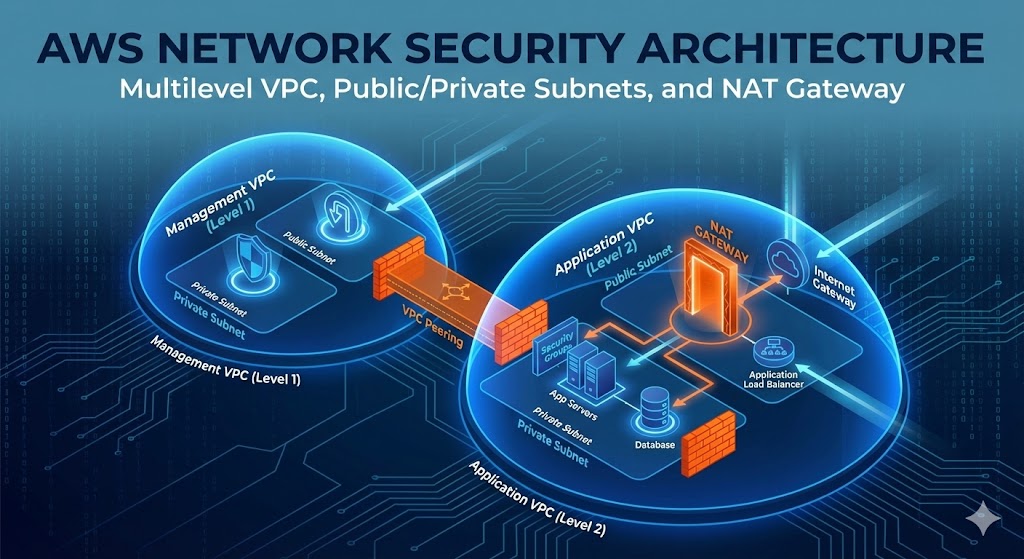
Enterprise subnetting in 2026 is where network design either stays clean or turns into a mess. If IP planning is weak, address allocation gets messy, and security boundaries blur. The shift toward zero trust micro-segmentation for AI-driven networks demands more than just IP addresses; it requires a budget that accounts for hardware, software, and operational overhead.
Direct Answer: What Does It Cost?
There is no single price tag for enterprise subnetting because the cost depends on scale, complexity, and the tools you choose. However, most enterprises allocate 15-25% of their total network infrastructure budget to IP management and segmentation tools. This includes licensing for subnet management software, hardware for micro-segmentation (like next-gen firewalls or software-defined networking controllers), and training for network engineers.
Comparison Table: Budget Tiers
| Tier | Estimated Annual Cost | Key Components | Best For |
|---|---|---|---|
| Basic | $5,000 - $15,000 | IPAM software, basic VLANs, standard firewalls | Small to mid-sized businesses with simple network needs |
| Standard | $15,000 - $50,000 | Advanced IPAM, micro-segmentation tools, SDN controllers | Growing enterprises with hybrid work and cloud adoption |
| Advanced | $50,000+ | AI-driven network analytics, full zero-trust architecture, custom hardware | Large enterprises with complex AI workloads and strict compliance needs |
Tradeoffs by Use Case
- Small to Mid-Sized Businesses: Focus on cost-effective IPAM solutions and standard VLANs. The tradeoff is limited granularity in segmentation, which may suffice for basic security needs but could struggle with complex compliance requirements.
- Growing Enterprises: Invest in advanced IPAM and micro-segmentation tools. The tradeoff is higher initial costs and complexity, but the benefit is improved security posture and scalability for hybrid work and cloud adoption.
- Large Enterprises: Commit to AI-driven analytics and full zero-trust architectures. The tradeoff is significant investment in hardware, software, and specialized talent, but the reward is robust security, operational efficiency, and support for AI workloads.
Decision Section: How to Choose
Start by assessing your current network complexity and security requirements. If you have a simple network with few compliance needs, a basic IPAM solution may suffice. For more complex environments, invest in advanced tools that offer granular control and scalability. Always consider the total cost of ownership, including licensing, maintenance, and training, when making your decision.
Best enterprise subnetting options for 2026
Choosing the right enterprise subnetting strategy in 2026 means balancing strict micro-segmentation with the flexibility required by hybrid work and AI workloads. Weak address allocation turns network design into a mess, while a clean plan supports uninterrupted operations across multi-site deployments.
The strongest options converge on a few proven architectures. The table below compares the most viable approaches based on current industry standards and implementation complexity.
| Approach | Primary Focus | Implementation | Best Use Case |
|---|---|---|---|
| Hierarchical IPv4 | Address conservation | Moderate | Traditional multi-site campuses |
| Flat IPv6 | Scalability | Low (initially) | Large-scale cloud-native environments |
| Micro-segmented VLANs | Security isolation | High | Zero Trust compliance |
| VXLAN Overlay | Flexibility | High | Hybrid multi-cloud networks |
Hierarchical IPv4 remains the standard for organizations with established physical footprints. It relies on a structured breakdown of address space, making troubleshooting and address allocation predictable. However, it struggles with the dynamic nature of modern cloud workloads.
Flat IPv6 addressing offers a different path. By utilizing a massive address pool, enterprises can assign unique subnets to every device without worrying about exhaustion. This approach simplifies initial deployment but requires robust routing policies to prevent broadcast storms.
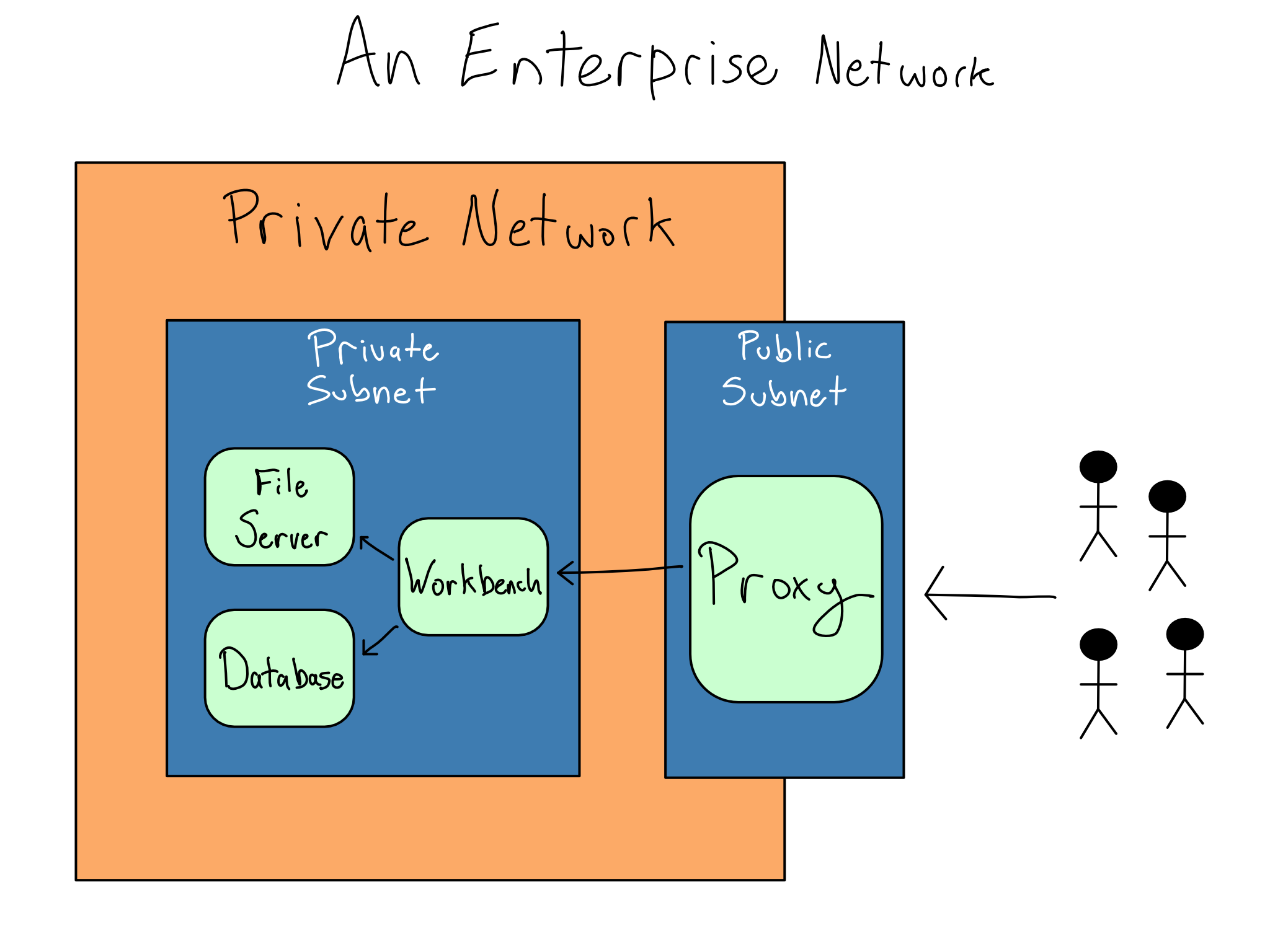
For security-focused teams, micro-segmented VLANs provide the strongest isolation. Each subnet acts as a distinct security zone, limiting lateral movement for threats. The tradeoff is significant management overhead, as every new service requires a new subnet definition.
VXLAN overlay networks decouple logical segmentation from physical topology. This allows consistent policy enforcement across on-premise and cloud environments. While it introduces complexity in configuration, it is the only option that truly supports seamless hybrid operations.
Inspect the expensive parts
Enterprise subnetting is where network design either stays clean or turns into a mess. Weak IP planning creates address allocation conflicts that are costly to resolve after deployment. This inspection checklist focuses on the high-risk areas where micro-segmentation failures typically occur.
Verify that VLAN IDs do not overlap across different security zones. Misaligned boundaries allow lateral movement between AI workloads and legacy systems, breaking zero trust assumptions.
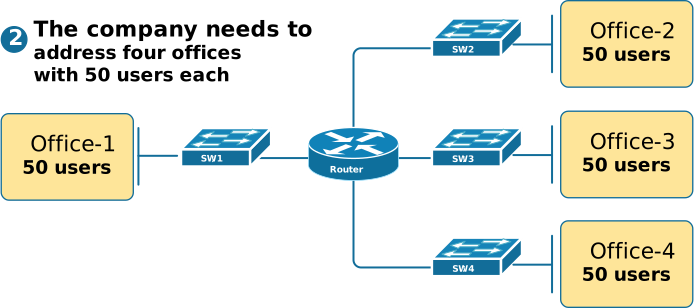
Ensure subnet masks provide enough addresses for current devices plus 20% growth. Over-allocated subnets waste IP space, while under-allocated ones force disruptive re-IPing during scale-up.
Confirm dual-homed default gateways for critical subnets. A single point of failure at the gateway level isolates entire segments, halting AI inference pipelines.
Map all required traffic flows between micro-segments. Ensure routing tables explicitly permit only necessary communication, blocking unauthorized east-west traffic.
Plan for ownership costs
A cheap subnetting license or tool often hides its true price in the maintenance phase. When AI-driven networks scale, the overhead of manual IP planning and address allocation can turn a low upfront cost into a significant operational burden. If the underlying IP planning is weak, the resulting address allocation mess requires constant human intervention to fix, draining engineering time.
Consider the total cost of ownership beyond the initial purchase. You are paying for the ability to handle hybrid work, AI workloads, and multi-cloud adoption without breaking security. A tool that forces manual updates for every new micro-segment will fail as your network grows, leading to "sticker shock" when you factor in the labor costs of keeping the network clean.
When a cheap buy stops being cheap
The break-even point usually arrives when the cost of manual troubleshooting exceeds the subscription fee of an automated solution. Without automation, every change in a zero-trust micro-segmentation strategy risks creating IP conflicts or security gaps. These errors are expensive to debug and dangerous to leave unresolved.
Evaluate your current bandwidth. If your team spends more than a few hours a week reconciling subnet maps or fixing DHCP issues, you are already over budget. The right investment shifts the burden from reactive fixes to proactive, clean design, ensuring your enterprise network stays secure and efficient as it scales.


As an Amazon Associate, we may earn from qualifying purchases.
No comments yet. Be the first to share your thoughts!