
Zero trust architecture 2026 budget
Why Zero Trust is Replacing Traditional Subnets works best when the purchase path is explicit. Verify the source, compare the offer against real alternatives, check the total cost, and confirm what happens after payment before you decide. After each comparison, write down the one risk that would change your mind. If the seller, condition, support, warranty, shipping, or upkeep still feels uncertain, resolve that question before moving to checkout.
The simplest way to use this section is to verify the seller, compare the total cost, and resolve the biggest risk before you commit.
Shortlist real options
Use this section to make the Why Zero Trust is Replacing Traditional Subnets decision easier to compare in real life, not just on paper. Start with the reader's actual constraint, then separate must-have requirements from details that are merely nice to have. A practical choice should survive normal use, maintenance, timing, and budget. If a recommendation only works in an ideal situation, call that out plainly and give the reader a fallback path.
| Factor | What to check | Why it matters |
|---|---|---|
| Fit | Match the option to the primary use case. | A good deal still fails if it does not fit the job. |
| Condition | Verify age, wear, and service history. | Hidden condition issues erase upfront savings. |
| Cost | Compare purchase price with likely upkeep. | The cheapest option is not always the lowest-cost option. |
Inspect the expensive parts
A zero trust architecture is only as strong as its weakest identity link. When subnets fail, they usually do so at the edges where access policies meet legacy infrastructure. Skipping a thorough inspection of these failure points turns your security investment into a liability.
Use this checklist to audit the high-cost failure points before you finalize your deployment. Focus on the components that, if broken, will cause the most operational disruption or security exposure.
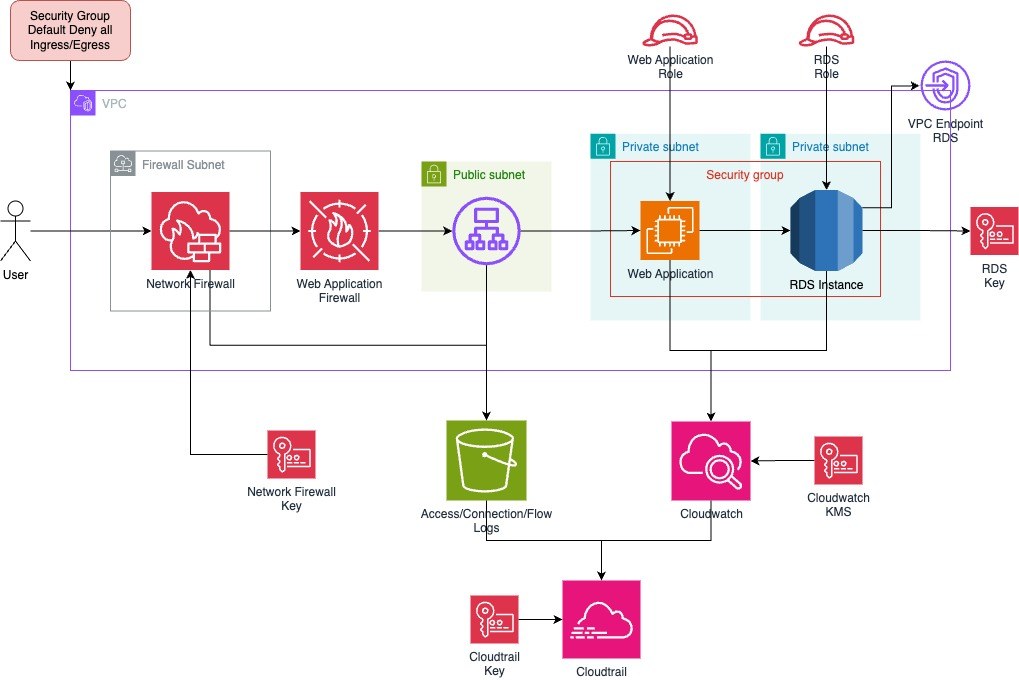
Legacy devices often lack modern certificate support. Identify every IoT sensor, printer, and medical device on your network. If they cannot support mutual TLS or SAML, they will become unmanageable bottlenecks. Plan for network access control (NAC) micro-segmentation to isolate these weak links.
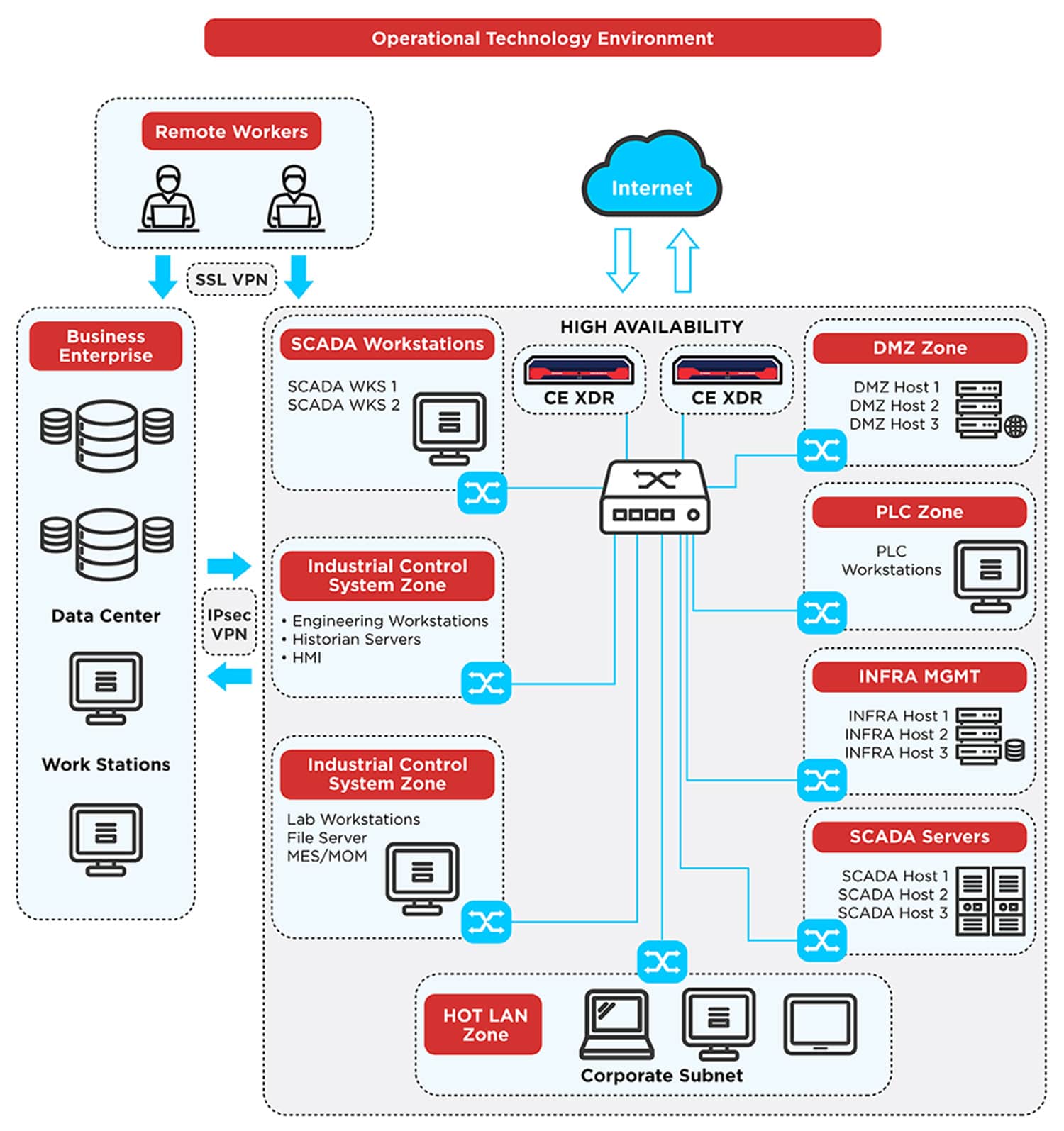
Your identity provider (IdP) is the new perimeter. If it goes down, your entire organization stops working. Test failover mechanisms and ensure your IdP vendor has documented uptime guarantees. Check that your backup authentication methods do not create a wider attack surface than the primary system.
Every access request adds a verification step. In high-traffic environments, this can introduce noticeable latency. Load-test your policy engines under peak conditions. If response times exceed acceptable thresholds for your users, you will need to optimize your policy logic or add more processing capacity.
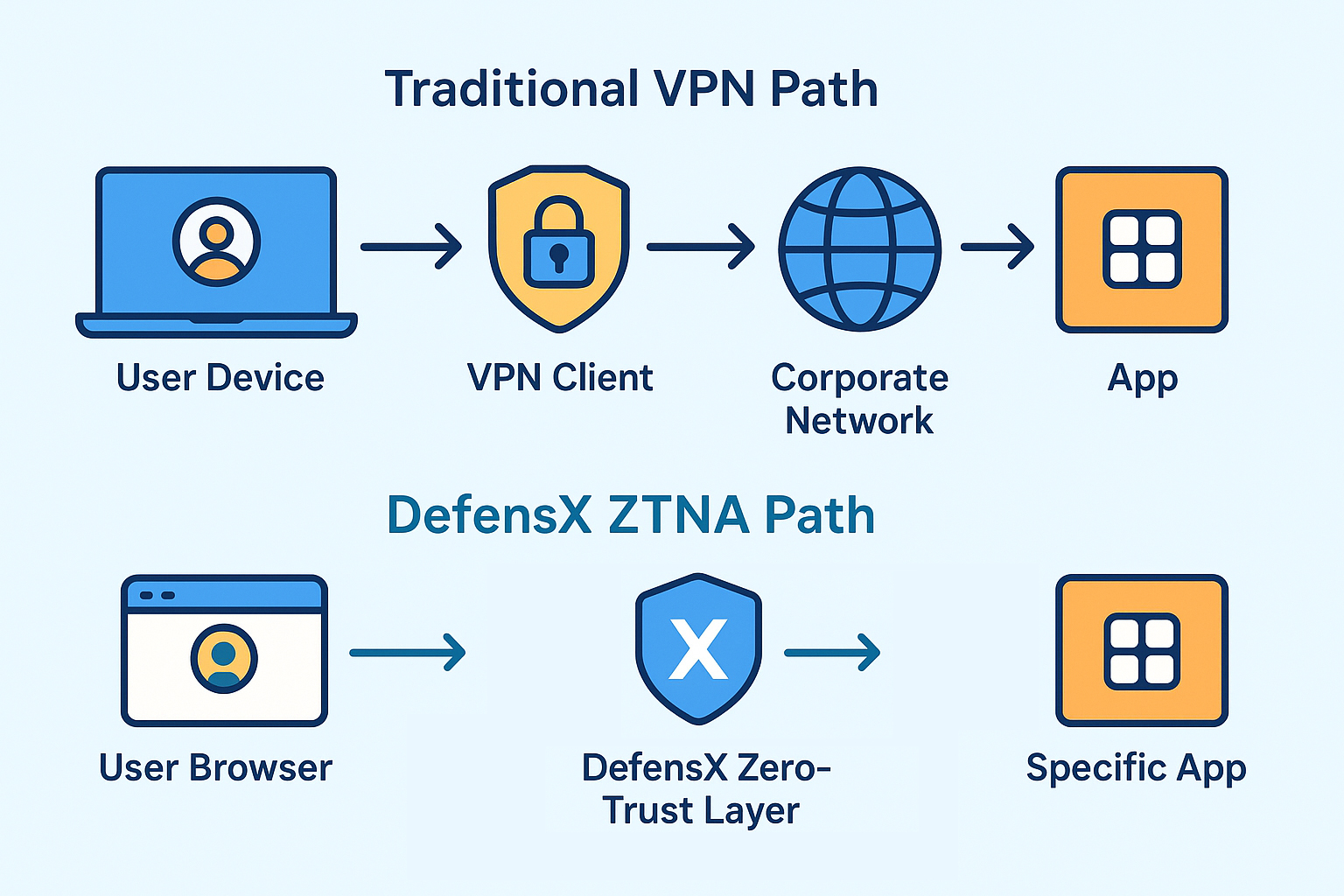
Employees often use unapproved cloud apps that bypass your new controls. Deploy continuous traffic monitoring to identify these shadow IT connections. Once identified, either integrate them into your zero trust framework or block them entirely. Unmonitored access points are the most common source of data breaches in 2026.


As an Amazon Associate, we may earn from qualifying purchases.
A proactive inspection saves thousands in downtime and data recovery costs. Treat your zero trust rollout as a continuous audit, not a one-time project. Regularly revisit these failure points as your network evolves.
Ownership Costs: When the Cheap Option Gets Expensive
A zero-trust solution is rarely a one-time purchase. The sticker price of the software is often just the entry fee. The real financial burden comes from the ongoing work required to keep the system running, secure, and useful.
Many teams underestimate the labor involved in managing identity policies, certificate rotations, and continuous monitoring. If your solution requires heavy manual configuration, you will spend more on engineering hours than on the license itself. This is where a "cheap" tool can quickly become the most expensive part of your stack.
Hidden Maintenance Surprises
The biggest surprise is usually the integration work. Zero trust relies on verifying every user and device. If your existing tools don't talk to each other easily, you will need to build custom connectors or pay for professional services to set them up. This is not a one-time cost; it is a recurring tax on complexity.
Another hidden cost is alert fatigue. If your zero-trust platform generates thousands of low-fidelity alerts, you will need more security analysts to triage them. This increases your headcount costs or forces you to invest in additional automation tools, both of which add to the total cost of ownership.
When to Buy Premium vs. Budget
If you have a small, static environment, a budget-friendly tool might suffice. However, if you are scaling or have a complex hybrid cloud setup, the time you save with a more robust, automated platform is worth the higher price tag. Calculate the cost of your team's time against the price of the software to make an informed decision.

As an Amazon Associate, we may earn from qualifying purchases.
No comments yet. Be the first to share your thoughts!