
Zero trust architecture 2026 budget
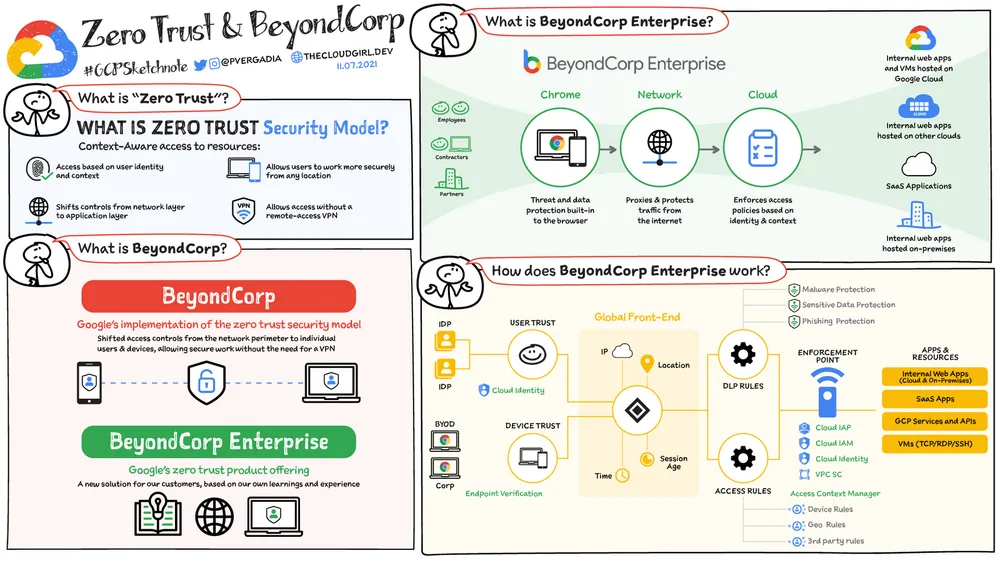
Building a zero trust architecture in 2026 requires balancing software subscriptions with the hardware needed to enforce micro-segmentation. The cost isn't just about licensing; it's about the infrastructure that keeps your enterprise subnets isolated and visible. You need tools that verify every request, not just protect the perimeter.
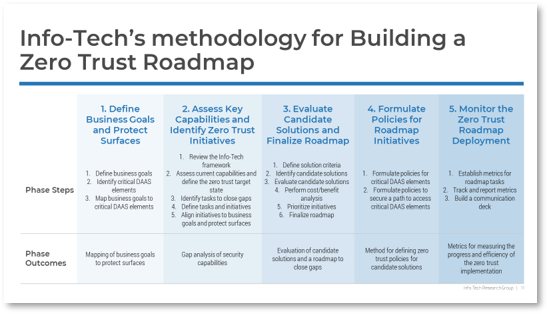
The following products represent the practical components of a modern zero trust stack. They range from endpoint detection to network access control, forming the backbone of a "never trust, always verify" strategy. Each item is selected for its ability to integrate into existing enterprise environments without requiring a complete infrastructure overhaul.

As an Amazon Associate, we may earn from qualifying purchases.
When evaluating these options, look for solutions that offer granular visibility into user and device behavior. The best zero trust tools don't just block threats; they provide the data needed to adjust policies dynamically. This approach ensures that your budget is spent on tools that reduce risk effectively, rather than just adding another layer of complexity to your IT stack.
Compare the Best Zero Trust Architecture Tools for 2026
Choosing a zero trust architecture 2026 solution depends on your current infrastructure and whether you prioritize identity verification or network segmentation. The following tools represent the strongest options for integrating AI-driven micro-segmentation into enterprise subnets. We evaluated them based on deployment complexity, integration capabilities, and specific strengths in micro-segmentation.
| Tool | Best For | Deployment | Key Integrations |
|---|---|---|---|
| Zscaler | Cloud-native micro-segmentation | SaaS | Microsoft 365, AWS, Azure |
| Cisco Secure | On-premises subnet control | Appliance/Cloud | Cisco IOS, Meraki, Splunk |
| Palo Alto Prisma Access | Hybrid workload protection | SaaS/Hybrid | VMware, Kubernetes, Azure |
| Tufin | Policy automation | On-prem/SaaS | Firewalls, SD-WAN, Cloud |
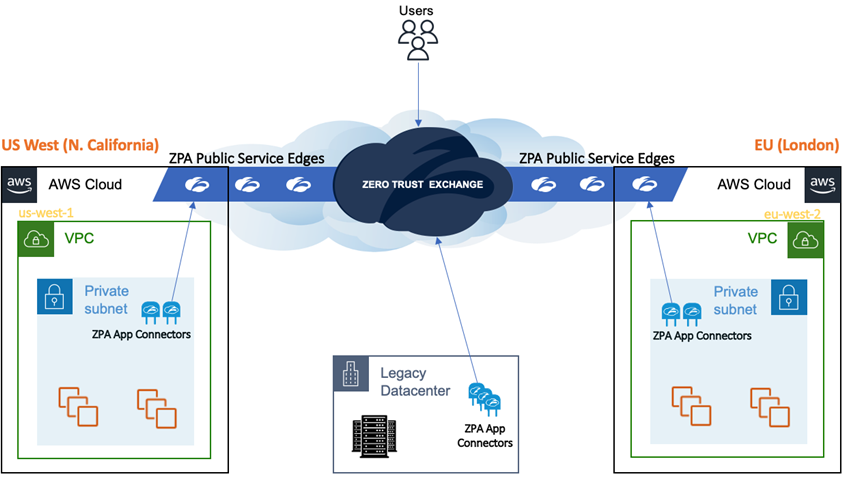
Zscaler leads in cloud-native environments, offering seamless micro-segmentation for distributed workloads without requiring hardware changes. Its SaaS model reduces the operational burden on IT teams, making it ideal for companies already invested in Microsoft 365 or AWS ecosystems.
Cisco Secure remains the go-to for organizations with significant on-premises investments. It provides granular control over enterprise subnets using existing Cisco infrastructure, which simplifies adoption for enterprises that cannot move entirely to the cloud. Its integration with Splunk offers powerful visibility into security events.
Palo Alto Prisma Access excels in hybrid environments, protecting workloads across both cloud and on-premises data centers. It is particularly effective for organizations using Kubernetes or VMware, offering consistent security policies regardless of where the workload resides.
Tufin focuses on policy automation, helping teams manage and enforce zero trust policies across complex, multi-vendor environments. It is best suited for organizations that need to automate compliance and policy enforcement across firewalls, SD-WAN, and cloud platforms.


As an Amazon Associate, we may earn from qualifying purchases.
Inspect the expensive parts
Before you deploy AI-driven micro-segmentation across your enterprise subnets, you need to identify where the implementation will bleed budget and delay timelines. The most expensive failure points are rarely technical; they are architectural and operational. If you skip a thorough inspection of these specific areas, you risk creating a security posture that is either too permissive to be effective or too restrictive to be usable.
Think of this inspection like a pre-flight checklist for a complex aircraft. You don't just check the engines; you verify the fuel lines, the navigation systems, and the communication protocols. In a Zero Trust environment, the "engines" are your AI segmentation policies, but the "fuel lines" are your existing identity and network infrastructure. If those are corroded, no amount of AI sophistication will keep you airborne.
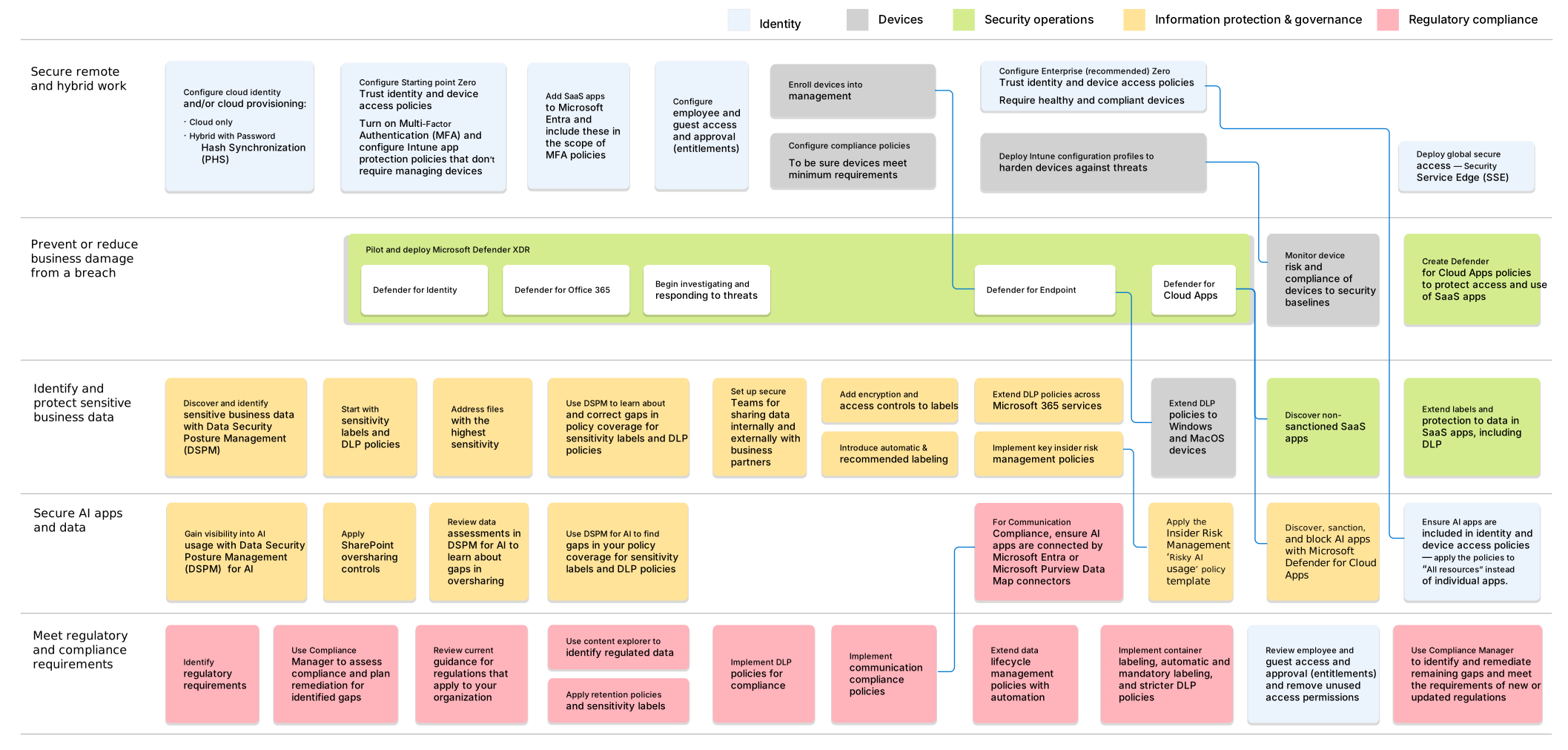
Here is your practical inspection checklist for the high-cost failure points in a 2026 Zero Trust Blueprint.
AI micro-segmentation relies entirely on accurate identity context. If your user and device identities are scattered across multiple, unsynced directories, your AI models will make incorrect segmentation decisions. Inspect your Active Directory, LDAP, and cloud IAM providers for duplicates and stale entries. A fragmented identity source leads to over-permissive access rules, which is the single biggest driver of post-deployment remediation costs.

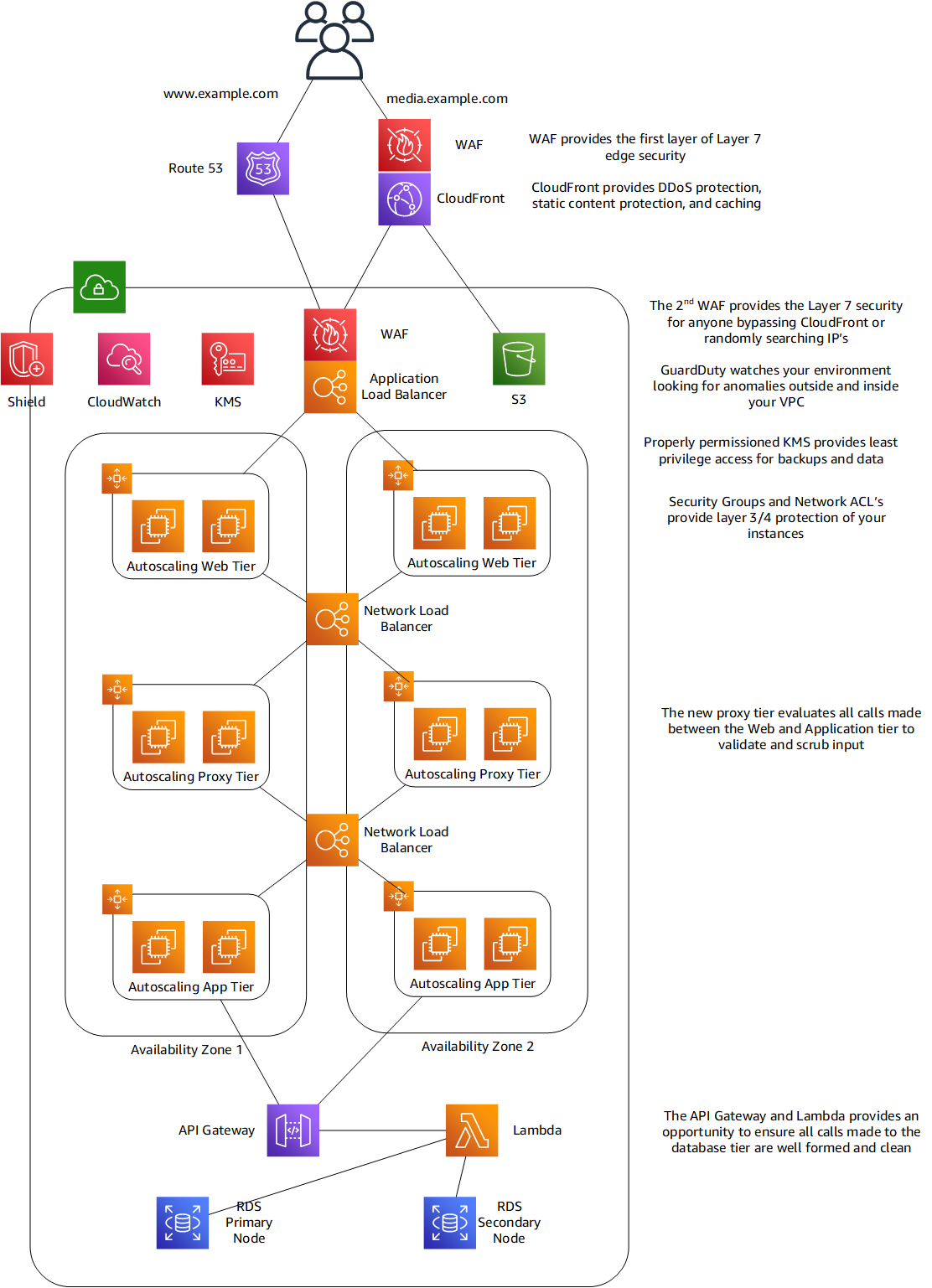
You cannot segment what you do not understand. Before applying micro-segmentation policies, you must have a complete map of how traffic actually flows between subnets. Use network flow data to identify unexpected lateral movement paths. If your AI tool is blind to these paths, it will either miss critical attack vectors or block legitimate business traffic, forcing expensive manual overrides.
Over-segmentation is a common and costly mistake. If your micro-segmentation policies are too granular, they will break applications and frustrate users, leading to shadow IT and productivity losses. Inspect your proposed policies against key business workflows. Aim for least-privilege access that is just enough to secure the workload, not so much that it hinders operations. The cost of user support tickets often exceeds the cost of the security tool itself.

AI-driven segmentation is only as good as the data it learns from. Inspect the historical traffic data and threat intelligence feeds used to train your AI models. If the data is biased, outdated, or incomplete, the AI will generate flawed segmentation rules. Ensure your data pipeline is clean and representative of current network behavior. Garbage in, garbage out applies heavily here.
Things will break. Inspect your rollback procedures and exception handling mechanisms before you go live. Can you quickly revert to a previous segmentation state if an AI policy causes a outage? Do you have a clear process for handling legitimate exceptions? Without these safety nets, a single bad AI decision can take down your entire enterprise subnet, leading to massive downtime costs.

As an Amazon Associate, we may earn from qualifying purchases.
Plan for ownership costs
A zero trust deployment is rarely a one-time purchase. The initial license covers the foundation, but the real expense lies in the ongoing maintenance, updates, and staffing required to keep micro-segmentation effective. When you buy a cheap entry-level solution, you often trade lower upfront costs for higher long-term operational friction.
Consider the labor involved in managing AI-driven policies. Without automated anomaly detection, your security team spends hours manually reviewing logs and adjusting access rules. This "cheap" software becomes expensive the moment you need to hire a dedicated analyst or pay overtime to keep the system from blocking legitimate business traffic. The hidden cost is time.
Also, integration complexity can balloon your budget. If the micro-segmentation tool doesn't play nicely with your existing identity provider or cloud infrastructure, you'll need custom connectors or professional services to bridge the gap. These one-time setup fees can sometimes exceed the initial software cost.
What to look for in a budget-friendly stack
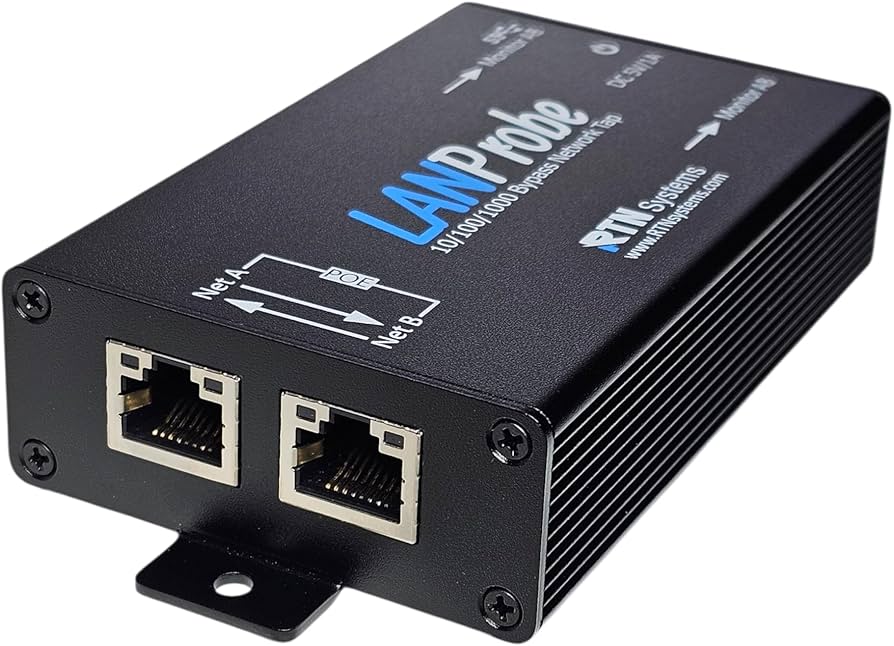
To avoid sticker shock, prioritize tools with strong automation and clear API documentation. Look for solutions that reduce manual policy creation. Below are three categories of tools often used in these architectures. Always verify current pricing and compatibility with your specific enterprise stack before buying.


As an Amazon Associate, we may earn from qualifying purchases.
Zero trust architecture 2026: what to check next
Integrating AI-driven micro-segmentation into enterprise subnets requires moving beyond theoretical frameworks to practical implementation. Here are answers to the most common questions about adopting zero trust in 2026.
How does zero trust differ from traditional perimeter security?
Traditional security trusts everything inside the network. Zero trust assumes breach and verifies every request. Micro-segmentation enforces this by isolating workloads, preventing lateral movement even if an attacker gains initial access.
What role does AI play in zero trust implementation?
AI automates policy generation and anomaly detection. It analyzes traffic patterns to identify deviations in real time, reducing the manual effort required to maintain granular access controls across complex subnets.
Can zero trust work with legacy systems?
Yes, but it requires careful staging. Legacy systems often lack modern authentication capabilities. Deploying agents or using network-based micro-segmentation can secure these assets without immediate replacement, though full integration may take time.
How do you measure zero trust success?
Track metrics like mean time to detect (MTTD) and mean time to respond (MTTR). Also monitor the number of unnecessary access requests blocked and the reduction in lateral movement paths within your subnets.
No comments yet. Be the first to share your thoughts!