
What dynamic subnetting means for zero trust
Dynamic subnetting moves beyond the static network maps of the past. In traditional models, IP addresses are assigned to fixed locations, creating predictable paths that attackers can map and exploit. Dynamic subnetting changes this by treating IP allocation as a fluid, context-aware process. Instead of a device having a permanent home on a specific subnet, the network assigns subnets based on real-time identity verification and risk assessment.
This approach is a core requirement for modern zero trust architectures. Zero trust assumes that the network perimeter is already compromised. By dynamically shifting subnets, security teams ensure that even if an attacker gains access, they are isolated in a volatile environment that changes before they can move laterally. The network topology itself becomes a security control, not just a delivery mechanism for traffic.
AI-driven IP management makes this complexity feasible. Manually adjusting subnet assignments for thousands of endpoints is impossible at scale. AI systems analyze user behavior, device health, and location data to automatically provision and de-provision subnets. This automation ensures that high-risk users are moved to restrictive segments instantly, while trusted systems operate on optimized, low-latency paths.
The shift from static to dynamic subnetting is not just an upgrade in efficiency; it is a fundamental change in how enterprises defend their infrastructure. By tying network structure directly to identity and intent, organizations can enforce least-privilege access at the subnet level, ensuring that every packet is validated against the current security posture of the user and device.
Static versus dynamic IP allocation
Enterprise networks have long relied on static IP allocation, assigning fixed addresses to devices based on their MAC addresses or manual configuration. While this method offers predictability for servers and network infrastructure, it creates significant bottlenecks as organizations scale. In a large enterprise environment, manually managing thousands of devices becomes a logistical nightmare, consuming IT resources that could be better spent on strategic initiatives.
Dynamic IP allocation, primarily handled by DHCP (Dynamic Host Configuration Protocol), automates this process. Instead of assigning permanent addresses, the network server assigns IP addresses from a predefined pool for a specific duration, known as a lease time. This approach allows for efficient reuse of addresses, ensuring that IPs are only active when devices are connected. For modern enterprises, this flexibility is essential for managing mobile devices, IoT sensors, and temporary workstations without exhausting address space.
The choice between static and dynamic allocation depends on the device's role and security requirements. Static IPs are necessary for services that need consistent reachability, such as web servers, printers, and core network switches. Dynamic IPs are ideal for endpoint devices like laptops, smartphones, and guest networks, where address consistency is less critical than ease of management.
Comparison of IP Allocation Methods
The table below outlines the key differences between static and dynamic IP allocation, highlighting their impact on security, management complexity, and scalability.
| Feature | Static IP | Dynamic IP |
|---|---|---|
| Management | Manual configuration per device | Automated via DHCP server |
| Scalability | Low; difficult to expand | High; supports thousands of devices |
| Security | Predictable; easier to target | Variable; addresses change over time |
| Address Efficiency | Low; addresses reserved even when unused | High; addresses reused after lease expiry |
| Best Use Case | Servers, printers, network infrastructure | Laptops, mobile devices, guest networks |
Why Dynamic Allocation Matters for Zero Trust
In a Zero Trust architecture, the assumption is that no device or user is inherently trustworthy. Dynamic IP allocation supports this model by reducing the attack surface. Since IP addresses are not permanent, it becomes harder for attackers to map the network topology or target specific devices over time. When combined with AI-driven automation, dynamic subnetting can further enhance security by automatically isolating suspicious devices and reassigning them to quarantine subnets.
This automation is particularly valuable in 2026, where the volume of connected devices continues to grow. AI systems can analyze network traffic patterns and dynamically adjust IP pools, ensuring that legitimate users have access while blocking potential threats. This reduces the need for manual intervention, allowing IT teams to focus on higher-level security strategies rather than routine address management.
Deploy automated IP management
Automating IP management shifts subnetting from a manual, error-prone chore to a continuous, policy-driven workflow. For enterprise networks, this means replacing static spreadsheets and manual CLI configurations with an AI-driven system that dynamically adjusts CIDR blocks and subnet allocations in real time. This approach is essential for maintaining zero trust principles, where every device and user requires a verified, isolated network segment.
To implement this, you must integrate automated IP management tools directly into your existing infrastructure. The goal is to create a system that can assess current address usage, predict future needs, and enforce security policies without human intervention. Here is how to structure that deployment.
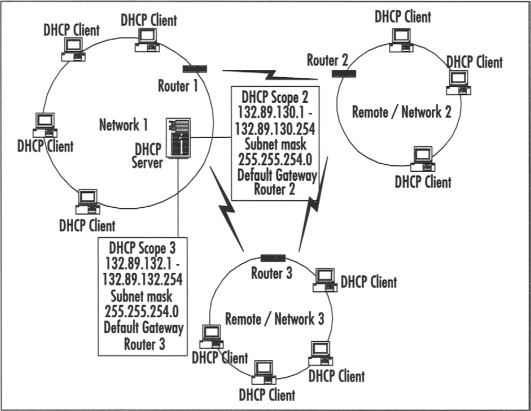
Begin by mapping your existing network topology. Identify all active subnets, unused address ranges, and potential conflicts. Use network scanning tools to gather data on device density and traffic patterns. This baseline is critical because AI algorithms need accurate historical data to make reliable predictions about future IP allocation needs.
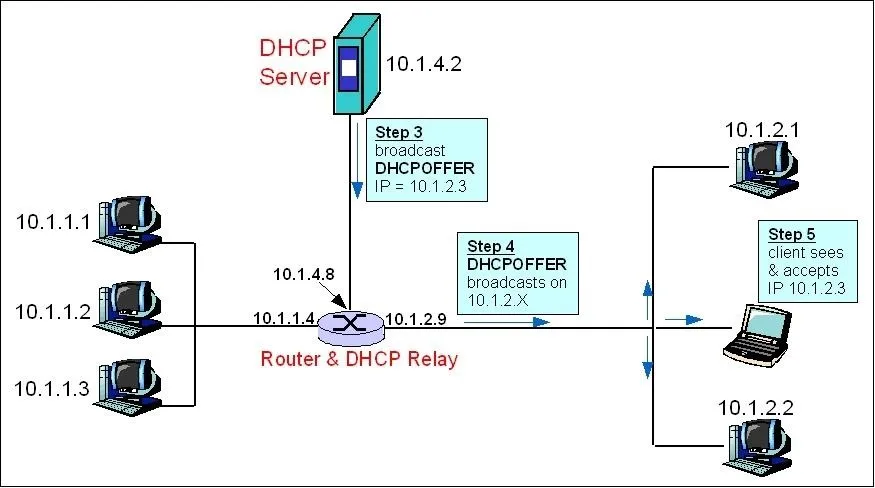
Choose an IP Address Management (IPAM) platform that supports dynamic subnetting and integrates with your existing network hardware. Look for features like machine learning-based anomaly detection, automated DHCP/DNS integration, and API-first architecture. The tool should be capable of adjusting subnet masks and VLAN assignments automatically based on real-time demand and security policies.
Connect your new IPAM system to your core switches, routers, and firewalls. Use standard protocols like NETCONF, RESTCONF, or SNMP to enable two-way communication. This integration allows the AI system to push configuration changes to network devices instantly. Ensure that your firewall rules and routing protocols are compatible with dynamic subnet changes to prevent connectivity disruptions during the transition.
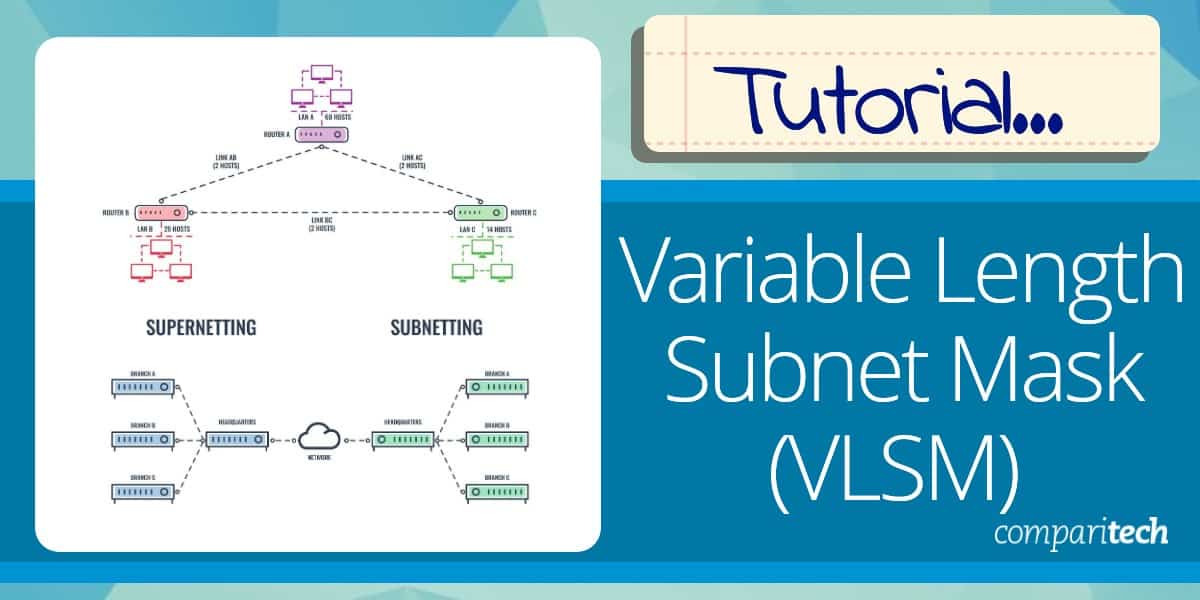
Define the rules that govern how IPs are assigned. Set thresholds for subnet utilization that trigger automatic expansion or contraction. Configure security policies that isolate sensitive devices into dedicated subnets automatically. For example, if an IoT device connects, the AI can assign it to a restricted subnet with limited access, enforcing zero trust principles without manual configuration.

After deployment, continuously monitor the system’s performance and decision-making. Review alerts for any false positives or inefficient allocations. Use the AI’s feedback loop to refine its algorithms. Regularly test failover scenarios to ensure that the automated subnetting process does not compromise network availability during high-traffic periods or security incidents.
Implementing automated IP management requires careful planning and integration with your existing network infrastructure. By following these steps, you can create a dynamic, secure, and efficient IP allocation system that supports your zero trust architecture. The result is a network that adapts to changing demands while maintaining strict security controls.
AI models for network traffic analysis
AI models analyze network traffic patterns to inform dynamic subnetting decisions, ensuring that isolation policies are responsive to real-time threats. Instead of static rules, these models treat network traffic like a living organism, detecting subtle shifts in behavior that indicate a compromise. By continuously monitoring data flows, the system can identify anomalies—such as a sudden spike in outbound traffic from a single device—and trigger immediate subnet reconfiguration to contain the threat.
The process begins with deep packet inspection and flow analysis. Machine learning algorithms establish a baseline of normal activity for each subnet. When deviations occur, the AI evaluates the risk score and determines if isolation is necessary. For example, if a laptop in the guest network starts probing internal servers, the model recognizes this as lateral movement. It then dynamically adjusts routing tables to sever the connection, effectively shrinking the subnet to isolate the affected device without disrupting other users.
This automation reduces the mean time to respond (MTTR) from hours to seconds. IT professionals no longer need to manually investigate every alert. The system handles the initial triage, applying zero-trust principles by verifying every request. As shown in the image below, understanding the underlying protocols like DHCP and DNS is essential, as AI models rely on this data to map device identities to network segments accurately.
The integration of AI into subnet management also improves resource allocation. By predicting traffic loads, the system can pre-emptively adjust subnet sizes to prevent bottlenecks. This proactive approach ensures that security measures do not degrade network performance. As networks grow more complex with IoT devices and remote workers, these intelligent models provide the scalability needed to maintain a secure, zero-trust environment.
For a broader overview of how these components fit together, this video explains the fundamentals of IP, MAC, and subnetting in the context of modern networking:
Common pitfalls in zero trust subnetting
Dynamic subnetting promises flexibility, but implementation often stalls due to over-segmentation. IT teams sometimes carve networks into micro-zones with insufficient traffic flow between them. This creates administrative overhead that slows down incident response and confuses users. Zero trust requires clear boundaries, not a labyrinth of isolated islands. Start with broad policy groups and refine only where specific threats demand tighter controls.
Legacy device compatibility is another frequent blocker. Many IoT sensors and older industrial controllers cannot handle dynamic DNS updates or modern certificate chains required by AI-driven zero trust policies. Forcing these devices into a dynamic subnet without a dedicated, isolated VLAN can cause network-wide outages. Create a separate management plane for legacy hardware and apply strict access controls rather than trying to force full dynamic subnetting.
Finally, ignoring CIDR alignment causes routing inefficiencies. Even with advanced AI automation, your underlying IP structure must remain logical. Misaligned subnets lead to excessive routing table entries and increased latency. Ensure your dynamic allocation engine respects existing Classless Inter-Domain Routing boundaries to maintain performance while enabling automated security enforcement.
Zero Trust Readiness Checklist
Before deploying dynamic subnetting, IT leaders must audit their infrastructure against zero trust principles. AI-driven security relies on precise network segmentation to enforce least-privilege access automatically.
-
Audit Legacy Devices: Identify endpoints that cannot support modern TLS 1.3 or certificate-based authentication. These often break dynamic policy enforcement.
-
Validate CIDR Planning: Ensure your IP allocation supports variable-length subnet masking. AI tools need flexible ranges to assign ephemeral subnets on demand.
-
Integrate AI Orchestration: Connect your network switches to an AI-driven security platform that monitors traffic anomalies in real time.
-
Test Micro-Segmentation: Verify that policies isolate critical assets even if a subnet is compromised, preventing lateral movement.
This checklist ensures your network can handle the rapid IP changes inherent in dynamic subnetting without creating security gaps.
Is CIDR still relevant for dynamic networks?
Classless Inter-Domain Routing (CIDR) remains the foundational standard for IP addressing, even in AI-driven, zero-trust environments. While dynamic subnetting automates the allocation process, it relies on CIDR notation to define network boundaries and routing efficiency. AI handles the complex calculations of subnet masks and host ranges, but the underlying logic is still rooted in CIDR’s classless design.
In 2026, dynamic networks use CIDR to enable precise micro-segmentation. AI agents continuously adjust these CIDR blocks based on real-time traffic patterns and security policies. This allows for granular access control without the overhead of managing individual IP addresses. The result is a more scalable and secure network architecture that adapts to changing threats.
No comments yet. Be the first to share your thoughts!