
Get zero trust subnetting 2026 right
Before you begin segmenting your hybrid enterprise network, you need to audit what you actually have. Zero trust subnetting is not a magic switch that fixes poor hygiene; it is a structural constraint that amplifies existing security postures. If your asset inventory is incomplete or your network topology is a tangled mess of legacy VLANs, subnetting will only make troubleshooting harder without adding real security.
Start by mapping every device, user, and application to a specific business function. You cannot enforce least-privilege access if you do not know which subnet hosts the payment gateway versus the guest Wi-Fi. This inventory forms the foundation of your verification strategy. Without it, you are just moving boxes around in a dark room.
Next, review your current identity provider and authentication protocols. Zero trust relies on continuous verification, not just a one-time login. Ensure your systems support modern standards like SAML or OIDC and that you have multi-factor authentication (MFA) enforced everywhere. If your identity layer is weak, no amount of subnetting will stop an attacker who has already compromised a user credential.
Finally, define your trust boundaries clearly. Identify which data flows are sensitive and which are public. This distinction dictates how you design your micro-segments. For example, database traffic should never traverse the same subnet as general web browsing. Clear boundaries prevent lateral movement, which is the primary goal of zero trust subnetting in 2026.
Work through the steps
Zero trust subnetting breaks your network into small, isolated zones so that a breach in one area doesn’t compromise the whole enterprise. In a hybrid environment, this means applying strict verification and least-privilege access controls across both on-premises and cloud segments.
Follow this sequence to implement a secure, scalable zero trust subnetting architecture.
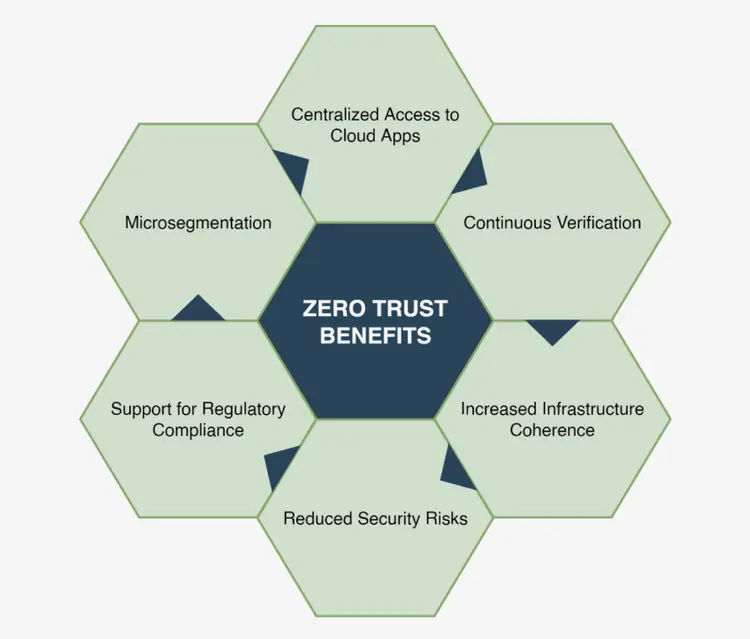
Start by identifying every user, device, and application that needs access. Group them by function rather than location. This creates your initial trust boundaries. In a hybrid network, include cloud workloads alongside physical servers. Document the data flows between these groups to understand where traffic naturally moves.
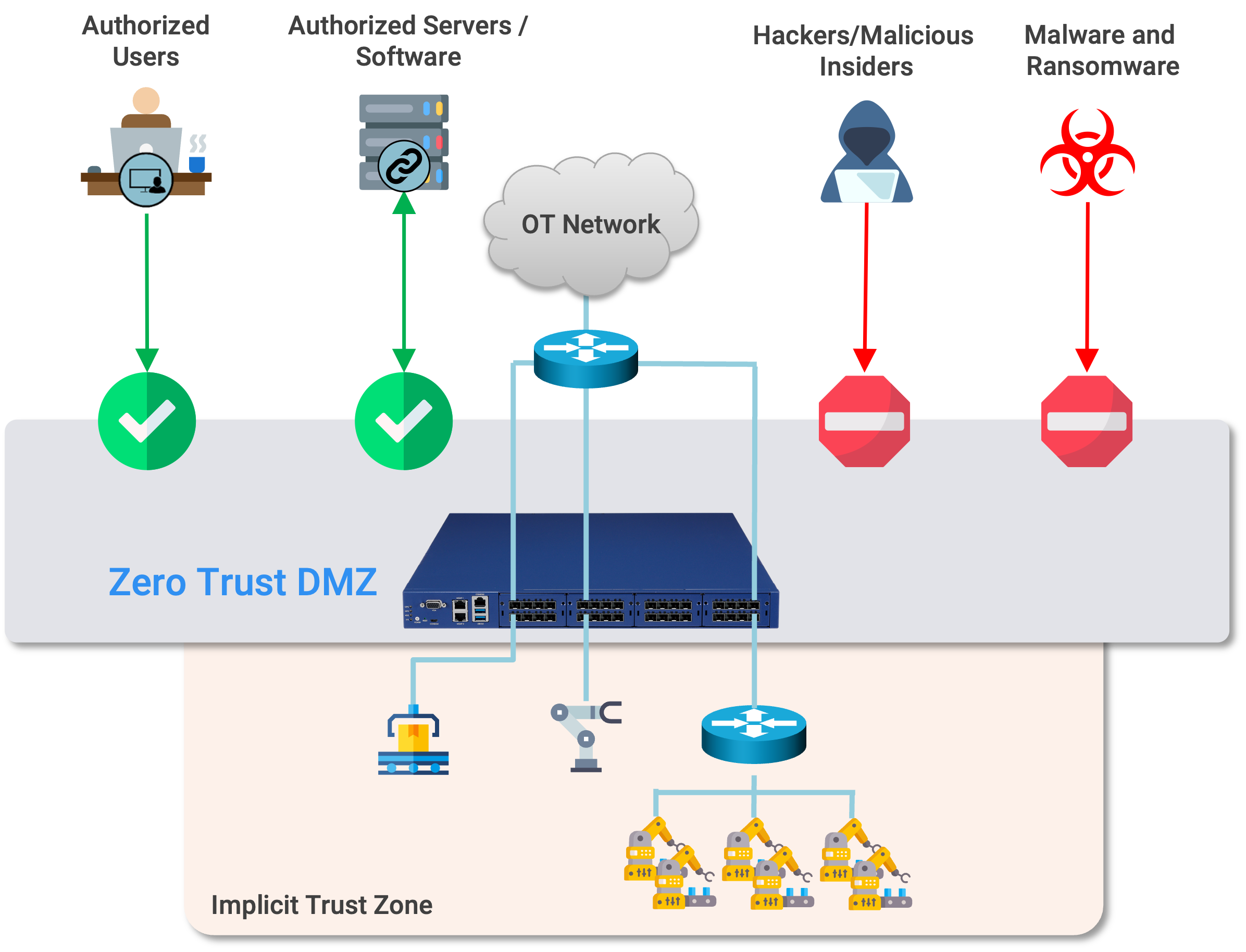
Break your network into micro-segments based on the data flows you mapped. Each segment should contain only the resources necessary for a specific job function. For example, separate the finance database from the HR portal, even if they reside on the same physical hardware. This limits lateral movement if an attacker gains entry.
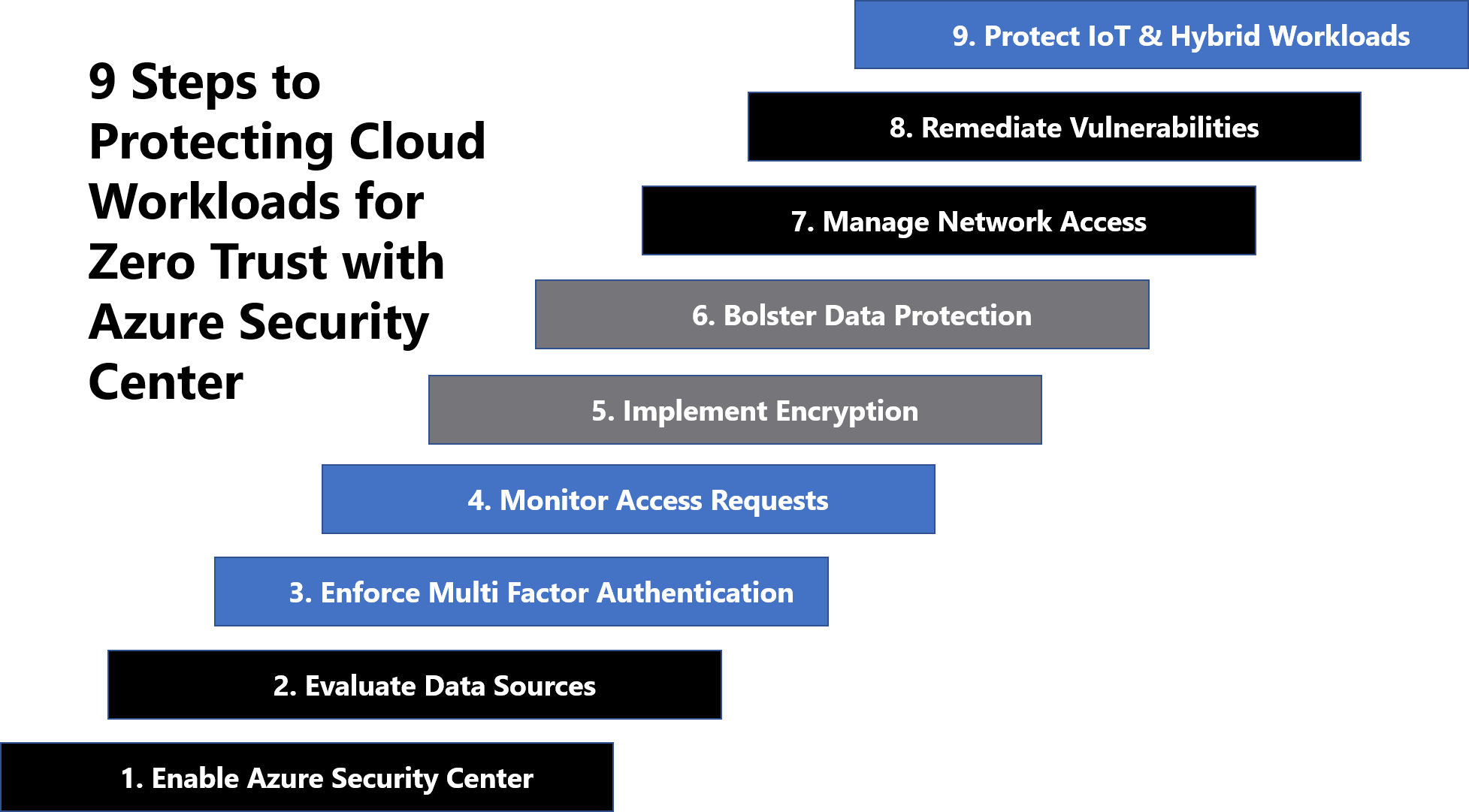
Replace traditional IP-based rules with identity-centric policies. Every request to access a resource must be authenticated and authorized, regardless of whether it originates from inside or outside the network. Use multi-factor authentication for all administrative access. Ensure that policies are dynamic, adjusting permissions based on user role, device health, and location.
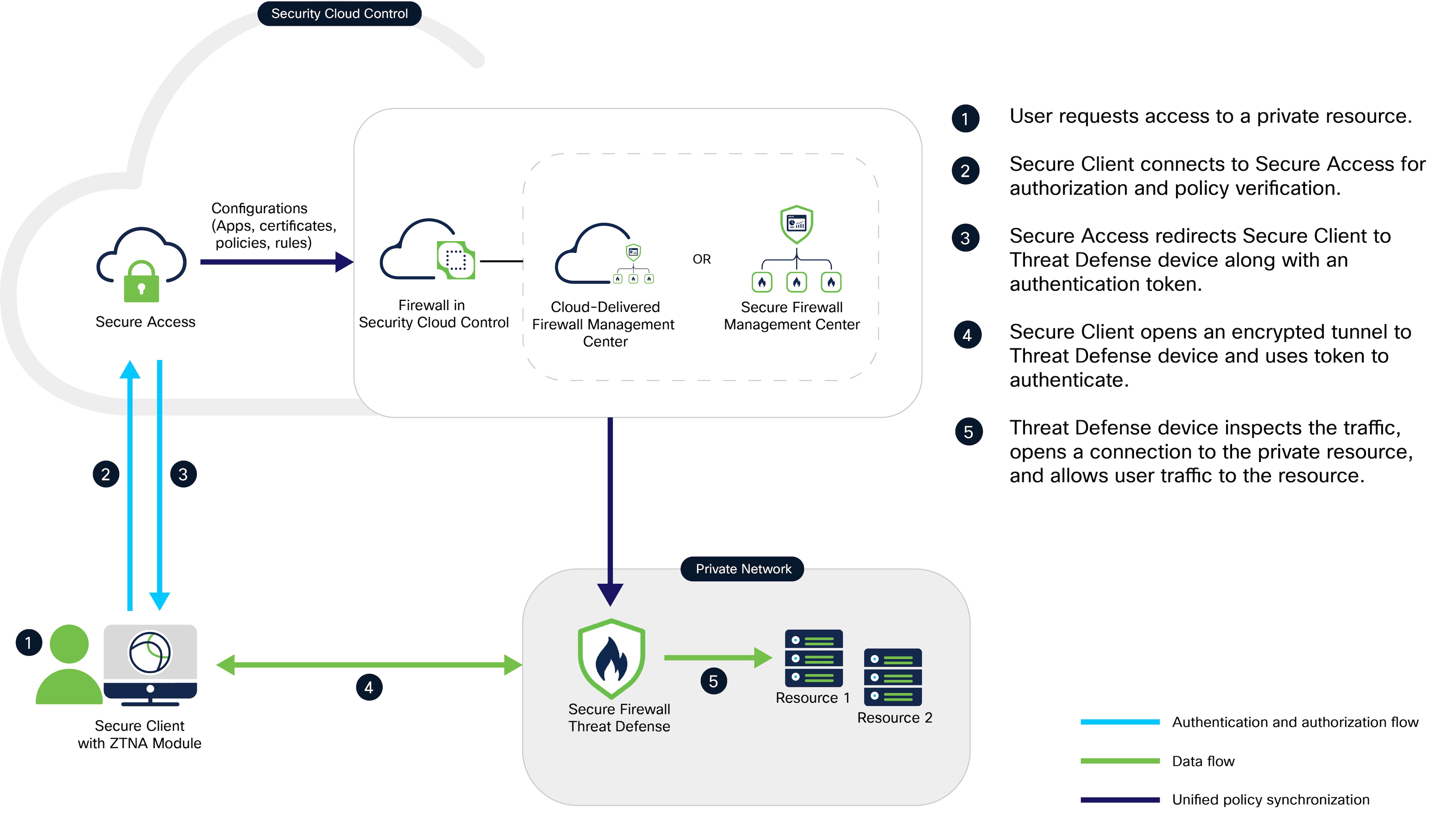
Deploy micro-segmentation software or hardware firewalls at the hypervisor or container level. These tools enforce the policies you defined, creating virtual walls between workloads. Configure them to deny all traffic by default and only allow explicitly permitted flows. Test these rules in monitoring mode first to catch legitimate traffic that might be blocked.
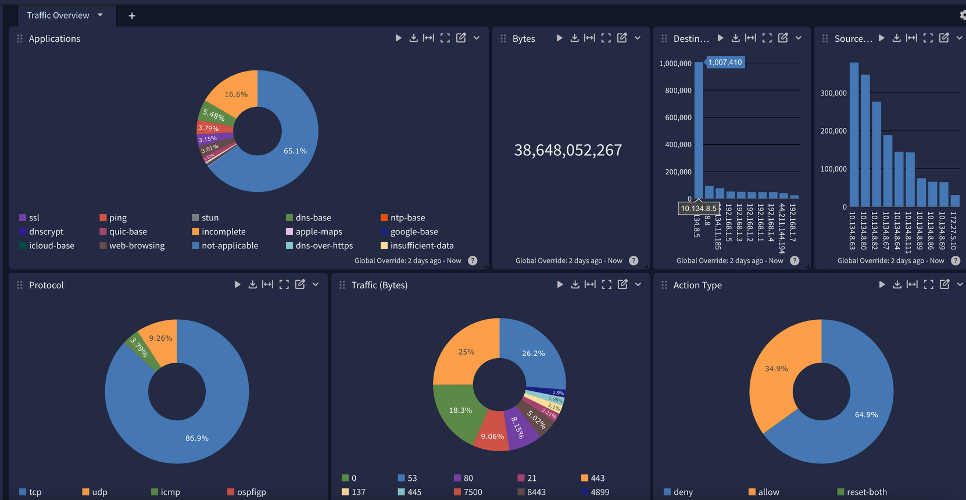
Set up continuous monitoring to detect anomalies in traffic patterns. Use network visibility tools to track east-west traffic within your segments. Regularly review access logs to ensure that policies are still aligned with business needs. Automate alerts for unusual data transfers or unauthorized access attempts, allowing your team to respond before a threat spreads.


As an Amazon Associate, we may earn from qualifying purchases.
Fix common mistakes
Even with a solid zero trust strategy, subnetting errors can create blind spots that attackers exploit. The most frequent issues stem from treating network segmentation as a one-time configuration rather than a living policy. Below are the specific mistakes that undermine security and how to correct them.
Treating subnets as trust boundaries
Many organizations assume that placing a device in a "trusted" subnet automatically grants it access to critical resources. This violates the core zero trust principle of "never trust, always verify." A compromised device in a supposedly safe segment can still pivot laterally if micro-segmentation policies are too broad.
The Fix: Apply least-privilege access controls at the subnet level. Verify every connection request regardless of source location. Use network access control (NAC) solutions to enforce dynamic policies that adjust based on device health and user identity, not just IP address.
Ignoring east-west traffic visibility
Security teams often focus heavily on north-south traffic (inbound/outbound) while neglecting east-west traffic (internal movement). In a hybrid enterprise, internal traffic carries the highest risk of lateral movement. If you cannot see what devices are talking to each other, you cannot detect anomalies.
The Fix: Deploy internal traffic monitoring and micro-segmentation tools. Ensure your logging infrastructure captures metadata for all internal flows. Regularly audit traffic patterns to establish a baseline of normal behavior, making deviations easier to spot.
Overlapping IP ranges in hybrid environments
When merging on-premises infrastructure with cloud environments, overlapping IP subnets are a common pitfall. This causes routing conflicts, connectivity failures, and security policy misapplications. It is particularly problematic when using VPNs or direct connect links.
The Fix: Conduct a thorough IP audit before implementation. Use non-overlapping RFC 1918 address spaces for each environment. Implement centralized DNS and routing tables that clearly define boundaries between on-premises, cloud, and remote user segments.
Static segmentation without dynamic policy
Configuring static ACLs (Access Control Lists) that never change creates rigidity. As applications scale or users move, static rules become either too restrictive (blocking legitimate work) or too permissive (creating security gaps). Maintenance overhead often leads to "policy drift," where old rules accumulate without review.
The Fix: Adopt identity-aware networking. Tie subnet access policies to user roles and device identities rather than static IP addresses. Use automated policy engines that adjust access rights in real-time based on context, reducing manual configuration errors.
No comments yet. Be the first to share your thoughts!