
Why AI changes micro-segmentation
Traditional micro-segmentation relies on static rules defined by administrators who must manually map every application dependency. In modern cloud environments, this approach creates a bottleneck. As workloads shift, scale, or decommission, those manual policies quickly become outdated, leaving gaps in zero trust enforcement or causing unnecessary friction for legitimate traffic.
AI-driven segmentation automates this discovery process. Instead of waiting for an engineer to define a policy, machine learning models analyze real-time network traffic to understand how workloads actually communicate. This dynamic approach creates adaptive security policies that tighten access only where necessary, reducing the manual overhead that often leads to misconfigurations.
The result is a zero trust architecture that adapts to behavior rather than rigid IP addresses. By continuously learning from east-west traffic patterns, AI tools can detect anomalies and enforce least-privilege access automatically. This shift from static defense to dynamic adaptation is essential for maintaining security at cloud scale.
How to evaluate AI segmentation tools
Choosing the right micro-segmentation platform requires looking beyond marketing claims. The most effective solutions combine automated policy generation with deep visibility into east-west traffic. This combination allows security teams to enforce zero trust principles without manually mapping every network connection.
Automated policy generation is the primary differentiator. Tools like Illumio use AI to analyze traffic patterns and suggest least-privilege policies. This reduces the administrative burden and minimizes human error. Without automation, maintaining granular segmentation across complex hybrid environments becomes unsustainable.
Visibility into east-west traffic is equally critical. Traditional firewalls focus on north-south traffic at the perimeter. Micro-segmentation tools must provide a clear view of lateral movement within the data center or cloud environment. This visibility enables rapid containment of threats before they spread laterally.
Integration with existing zero trust infrastructure ensures the tool fits into your current security stack. Look for platforms that support standard protocols and integrate with identity providers. Ease of deployment is also a practical concern; solutions that require minimal agent installation or network changes will see faster adoption and fewer disruptions.
| Evaluation Criterion | Vendor | Key Capability |
|---|---|---|
| Policy Automation | Illumio | AI-driven Virtual Advisor suggests least-privilege policies based on traffic analysis. |
| East-West Visibility | Palo Alto Networks | Deep packet inspection and workload tagging for precise traffic control. |
| Zero Trust Integration | Akamai | Seamless integration with identity providers and cloud-native security tools. |
| Deployment Ease | Tufin | Agentless options and automated policy validation for rapid deployment. |
Top AI-driven micro-segmentation platforms
Choosing the right micro-segmentation tool means looking past the marketing buzzwords to see how the AI actually handles the heavy lifting of zero trust. The best platforms don't just block traffic; they learn application behavior and automatically adjust policies to stop lateral movement before it spreads. This section breaks down three leading enterprise solutions that integrate AI-driven threat intelligence to simplify security operations.
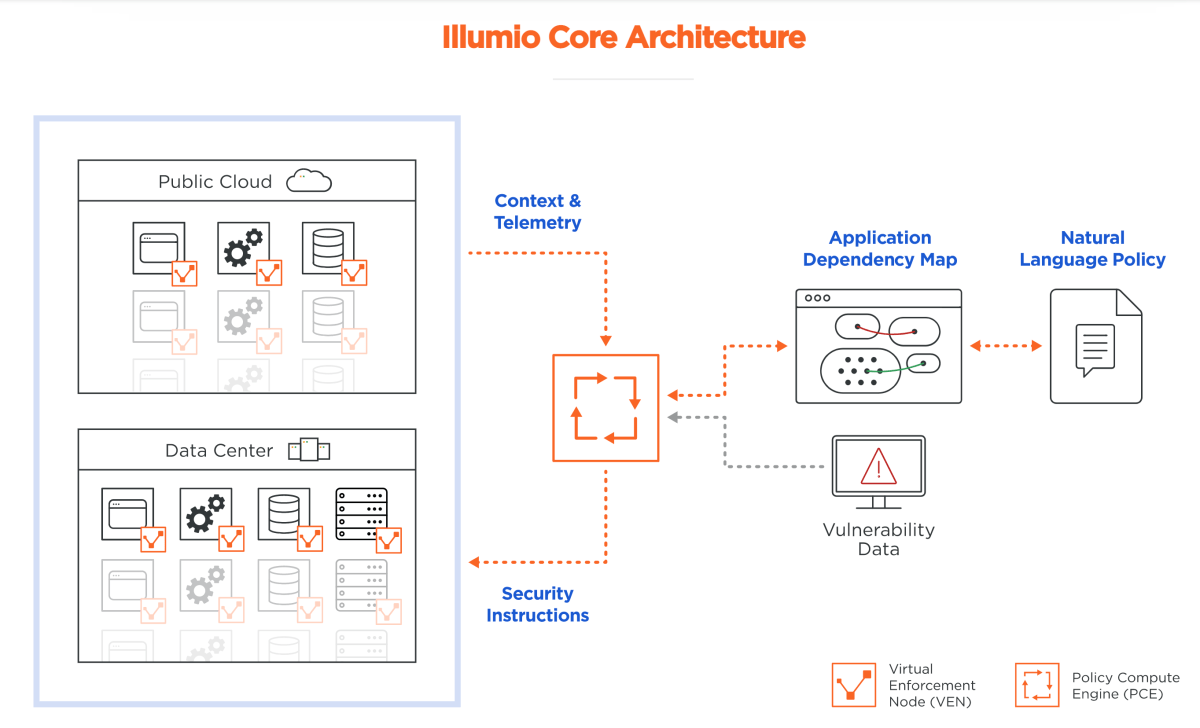
Illumio Core
Illumio has built a strong reputation for its Virtual Advisor (IVA), an AI-powered engine that maps application dependencies and suggests precise segmentation policies. Instead of forcing security teams to manually define every rule, IVA analyzes traffic patterns to identify critical relationships between services. This reduces the operational overhead of maintaining complex zero trust environments while ensuring that only necessary east-west traffic is allowed. The platform is particularly effective for organizations looking to contain attacks within specific segments without disrupting broader network operations.
As an Amazon Associate, we may earn from qualifying purchases.
Akamai Enterprise Application Access
Akamai brings its massive global infrastructure experience to enterprise security, offering a platform that prioritizes ease of use and administration. Reviewers often note that Akamai’s solution is straightforward to set up compared to more complex on-premise alternatives. The platform leverages AI to monitor access patterns and detect anomalies in real-time, providing a layer of protection that extends beyond the traditional perimeter. It is a strong choice for enterprises that need a managed approach to micro-segmentation with minimal internal resource investment.

As an Amazon Associate, we may earn from qualifying purchases.
Tufin SecureTrack
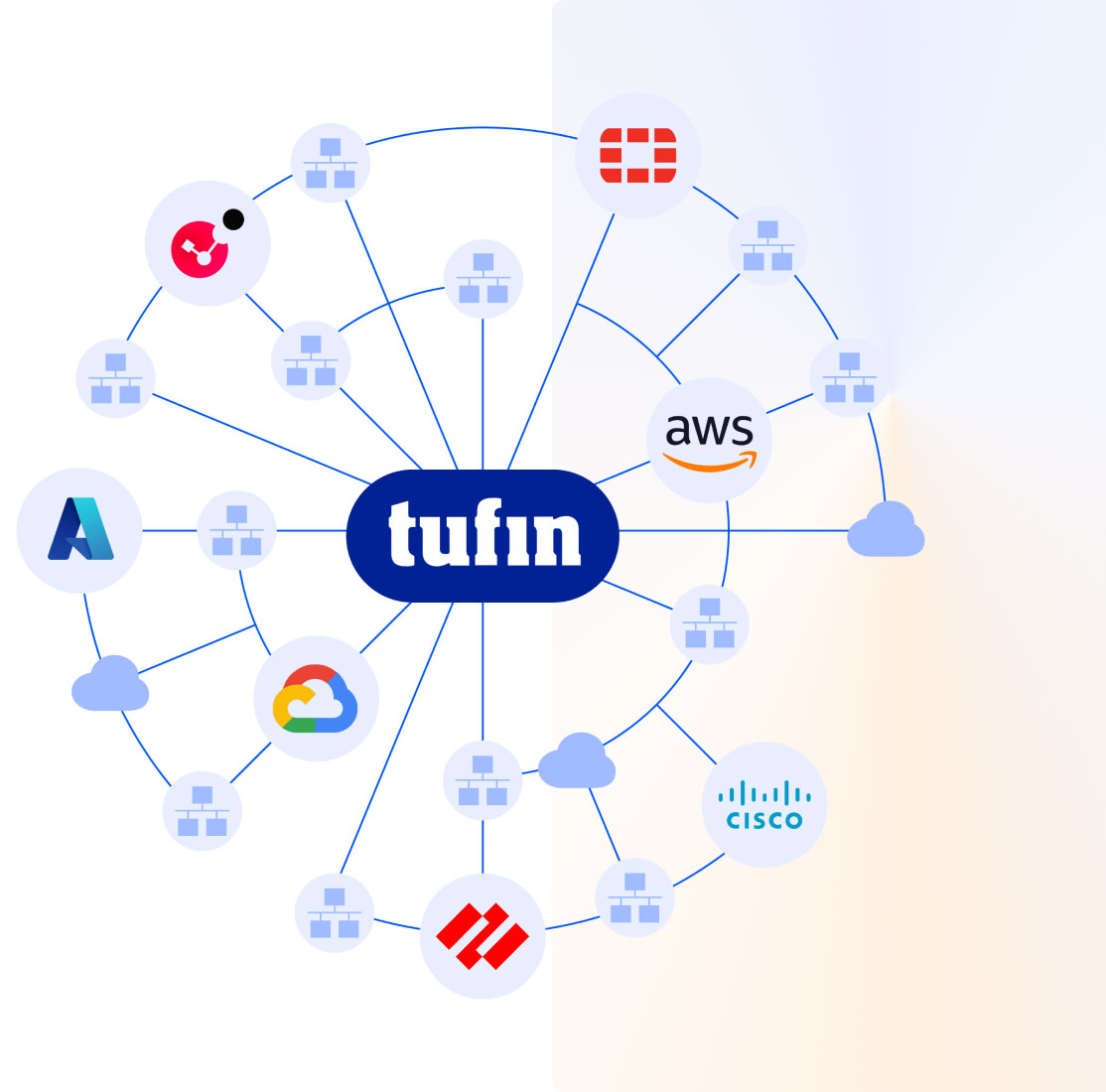
Tufin SecureTrack focuses heavily on policy management and compliance, using AI to automate the validation of micro-segmentation rules. The platform helps organizations visualize their network topology and identify policy violations or gaps in coverage. By automating the audit process, Tufin reduces the risk of human error that often accompanies manual security configurations. It is particularly useful for regulated industries that need to demonstrate strict adherence to security standards while maintaining agile network operations.
As an Amazon Associate, we may earn from qualifying purchases.
Deploying AI-Driven Micro-Segmentation
Implementing AI-driven micro-segmentation requires a structured approach to avoid disrupting business operations. The goal is to create dynamic, adaptive security policies that automate isolation without manual intervention. Start by mapping your network traffic to understand baseline behavior, then pilot policies on non-critical workloads before expanding to core systems.
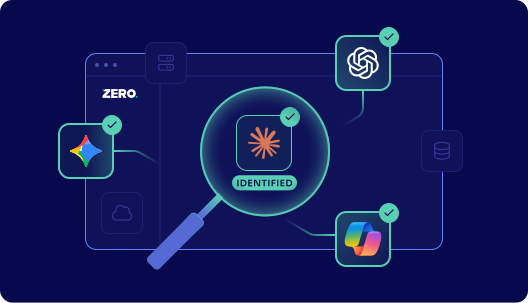
Begin with full visibility. AI tools rely on accurate data to distinguish between legitimate application traffic and potential threats. Use network discovery tools to identify all endpoints, applications, and their communication patterns. This baseline is essential for the AI to learn what "normal" looks like in your specific environment.
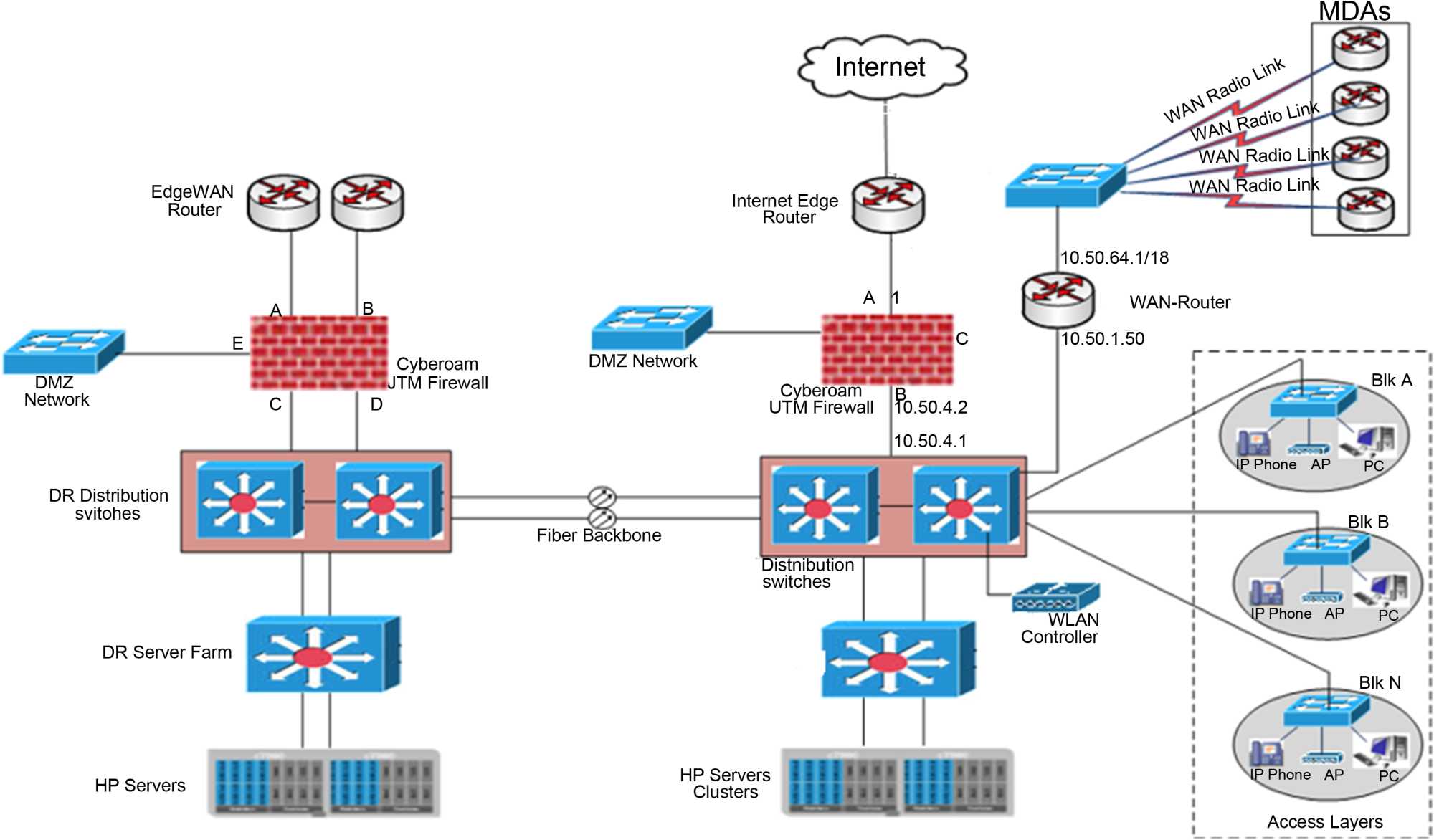
Test your segmentation policies on isolated or non-production environments first. This allows you to refine the AI’s decision-making logic without risking downtime for critical services. Monitor how the AI handles traffic anomalies and adjust thresholds to reduce false positives before rolling out to production.
Once the pilot is stable, gradually expand segmentation to other network segments. Continuously review AI-generated insights to update policies as your infrastructure changes. This iterative process ensures that security controls remain tight and adaptive, preventing lateral movement of threats while maintaining operational efficiency.
This workflow ensures that AI-driven micro-segmentation enhances security without becoming a bottleneck. By starting with visibility and testing carefully, you build a resilient zero-trust architecture that adapts to evolving threats.
Frequently asked questions about AI segmentation
The term "segmentation" means different things in marketing, computer vision, and network security. Understanding these distinctions helps you choose the right AI-driven micro-segmentation tools for your enterprise zero trust strategy.
What is AI-driven segmentation?
In marketing, AI-driven segmentation uses artificial intelligence to analyze vast datasets and identify subtle patterns in customer behavior. This allows organizations to refine audience definitions and respond to real-world signals faster. While this improves personalization and scalability, it is distinct from the network security context of this article, where segmentation refers to isolating workloads.
What is an example of micro-segmentation?
A common micro-segmentation example focuses on application-to-database access. In a zero trust architecture, firewalls still manage north-south traffic at the edge as part of the security perimeter. Micro-segmentation then narrows east-west traffic inside the data center, ensuring that even if one workload is compromised, the attacker cannot move laterally to access sensitive databases.
What is an example of segmentation in AI?
In computer vision, segmentation involves labeling pixels to identify objects. Semantic segmentation labels all pixels of a specific class, such as "car," as the same category. Instance segmentation goes further by labeling each individual object separately. For example, in an image with several cars, instance segmentation gives each car a unique label, distinguishing it from others.
Is Illumio better than Akamai?
When comparing Illumio and Akamai Enterprise Application Access, reviewer feedback highlights different strengths. Reviewers found Illumio easier to use, set up, and administer for network-level micro-segmentation. However, many preferred doing business with Akamai for its broader enterprise application access capabilities. The choice depends on whether your primary need is granular network isolation or broader application access management.
No comments yet. Be the first to share your thoughts!