
Why micro-segmentation matters in 2026
The traditional castle-and-moat security model has collapsed. Attackers no longer need to breach the outer firewall to cause damage; once inside, lateral movement is often unrestricted. Micro-segmentation solves this by shifting the security boundary from the network edge to the workload itself. It creates isolated zones within the data center, preventing threat actors from moving laterally to access critical assets even after an initial breach.
This approach is the technical engine of Zero Trust. As the framework gains traction, the core principle remains constant: identity is the new perimeter. Micro-segmentation enforces this by requiring continuous verification of users, devices, and systems before any communication is permitted. It moves beyond static rules to dynamic, identity-centric policies that adapt to context.
In 2026, the complexity of hybrid cloud environments makes manual segmentation impossible. Automated tools are required to map traffic flows and apply least-privilege access controls at scale. This ensures that security is not a bottleneck but a seamless part of the infrastructure, protecting sensitive data without hindering business operations.
Top zero trust micro-segmentation tools
Micro-segmentation is the engine that makes Zero Trust work in practice. Instead of relying on perimeter defenses, it isolates workloads at the application level. For enterprise subnets, this means granular control over east-west traffic, enforced by identity and context rather than just IP addresses.
Choosing the right tool depends on your infrastructure. Some solutions excel in virtualized environments, while others are built for cloud-native Kubernetes clusters. Below are the leading platforms that deliver concrete enforcement capabilities for modern enterprise networks.
VMware NSX
VMware NSX remains a cornerstone for organizations running heavy virtualization workloads. It provides deep visibility and control over network traffic between virtual machines, containers, and physical hosts. By automating policy enforcement, NSX creates and maintains micro-segments dynamically, reducing the manual overhead often associated with security operations.
Cisco ACI
Cisco Application Centric Infrastructure (ACI) integrates micro-segmentation directly into its software-defined networking fabric. It uses a centralized policy controller to enforce security rules across physical and virtual environments. This approach simplifies management for enterprises already invested in the Cisco ecosystem, offering consistent security policies regardless of where the workload resides.
Palo Alto Networks Prisma Access
While often associated with remote access, Palo Alto’s Prisma platform extends micro-segmentation principles to hybrid and multi-cloud environments. It uses identity-aware policies to control traffic flow, ensuring that only authorized users and devices can communicate with specific applications. This is particularly effective for organizations managing dispersed workforces and diverse cloud deployments.
Tetrate Service Bridge
For Kubernetes-centric enterprises, Tetrate Service Bridge offers a service mesh solution that enforces zero trust at the pod level. It provides mutual TLS encryption and fine-grained access control between services, making it difficult for attackers to exploit vulnerabilities within containerized applications. This tool is ideal for teams prioritizing cloud-native security architectures.
Zscaler Private Access
Zscaler Private Access shifts the security boundary from the network edge to the user. It uses a cloud-native platform to verify identity and context before granting access to internal applications. This approach eliminates the need for traditional VPNs and enables micro-segmentation for remote users, ensuring that access is granted on a least-privilege basis.


As an Amazon Associate, we may earn from qualifying purchases.
Comparing segmentation strategies
Choosing the right micro-segmentation tool requires looking beyond basic firewall rules. The best solutions for enterprise subnets in 2026 rely on three core capabilities: AI-driven monitoring to detect anomalies, policy automation to reduce manual configuration, and deep integration with existing security stacks. These features turn static segmentation into a dynamic defense layer.
The following comparison highlights how leading tools handle these critical areas. Each entry reflects real-world performance metrics and architectural differences that impact deployment speed and operational overhead.
| Tool | AI-Driven Monitoring | Policy Automation | Integration Scope |
|---|---|---|---|
| Wiz | Cloud-native AI for workload behavior | Full auto-remediation for drift | Native cloud platform connectors |
| Trend Micro Deep Security | Threat intelligence feed integration | Template-based policy generation | Broad hybrid cloud support |
| VMware NSX | Anomaly detection via vCenter data | Intent-based policy translation | Deep VMware ecosystem tie-in |
| Illumio | Application dependency mapping AI | Automated segmentation recommendations | Multi-cloud and on-prem agents |
AI-driven monitoring has become a differentiator. Tools like Wiz and Illumio use machine learning to map application dependencies automatically, allowing the system to suggest optimal segmentation policies without human intervention. This reduces the risk of over-permissive rules that attackers exploit.
Policy automation is equally critical. Manual segmentation is error-prone and slow. Modern tools like Trend Micro and VMware NSX offer template-based or intent-based automation, ensuring that policy changes propagate instantly across thousands of endpoints. This speed is essential for responding to zero-day threats in real time.
Integration scope determines how easily these tools fit into your existing infrastructure. Cloud-native solutions like Wiz connect directly to cloud provider APIs, while hybrid solutions like Illumio require lightweight agents. Choose based on your primary environment: pure cloud, on-premise, or a complex hybrid setup.
Implementing zero trust in your subnet
Deploying micro-segmentation is not a single switch you flip; it is a phased rollout that moves from visibility to enforcement. The goal is to isolate workloads so that attackers cannot move laterally across your enterprise subnets. This process relies on strict identity verification and least-privilege access controls.
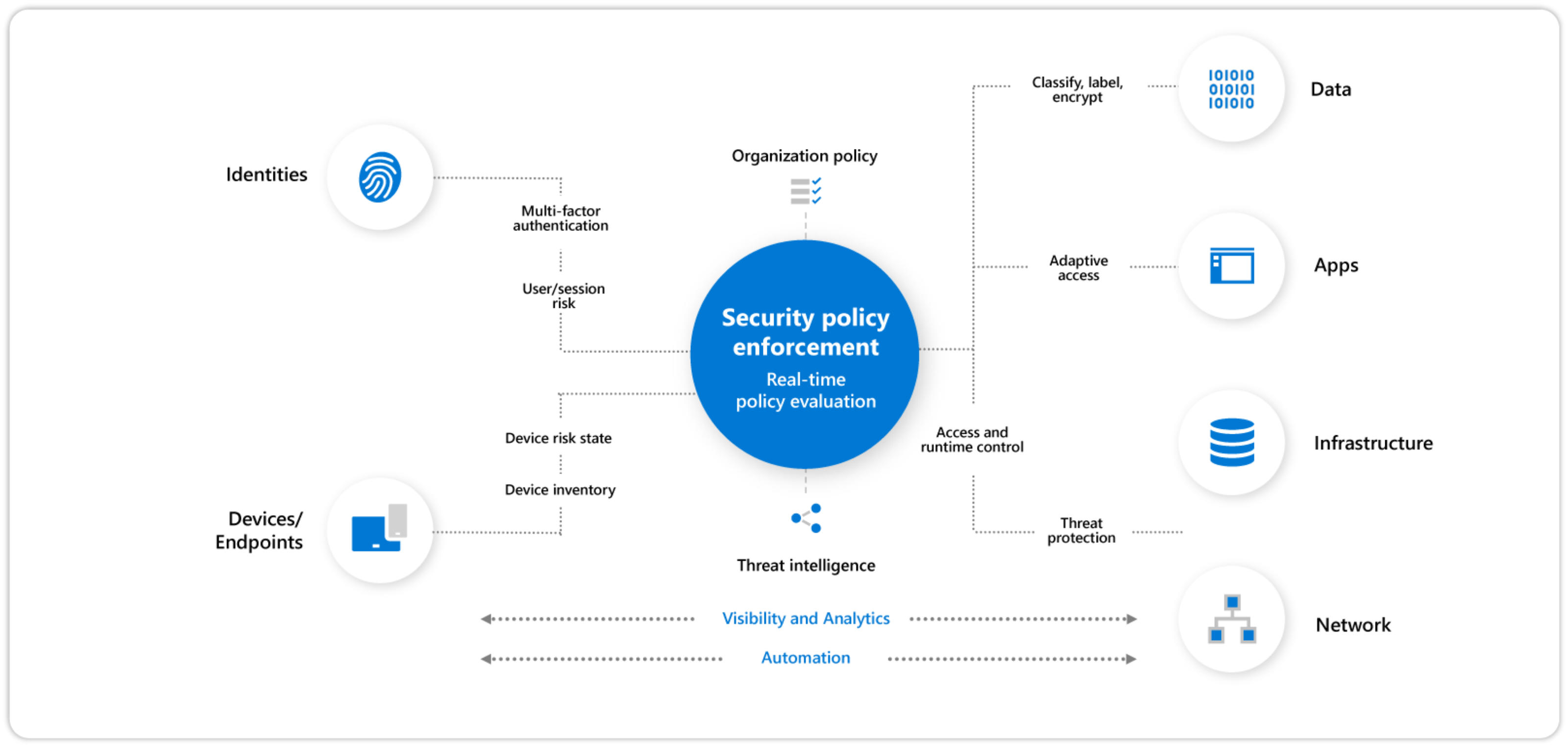
Before blocking traffic, you must understand what is allowed. Use network monitoring tools to map north-south and east-west traffic patterns. Identify which applications communicate with each other and flag any unexpected connections. This baseline data reveals the "known good" behavior you will enforce in subsequent steps.
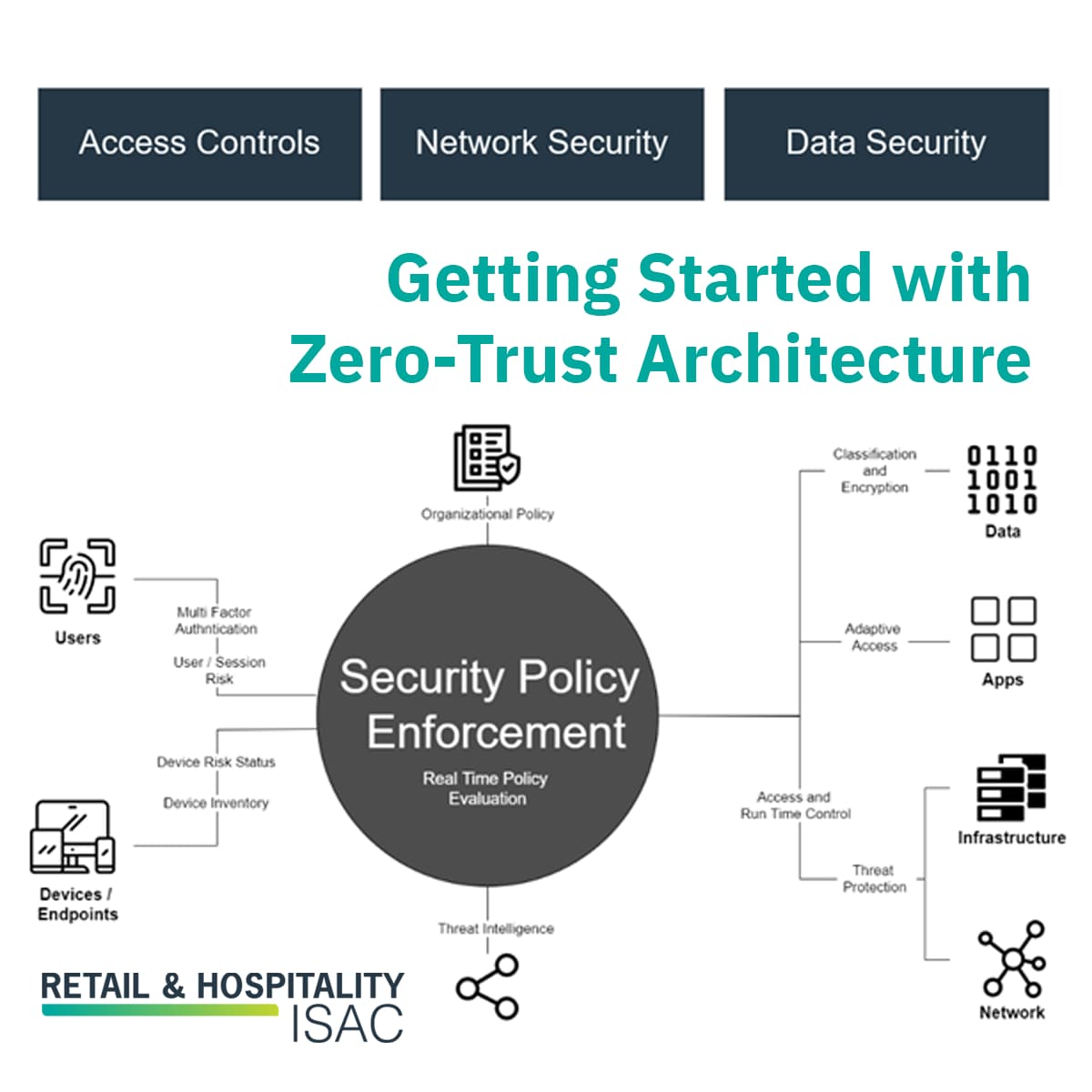
Traditional firewalls use IP addresses, but zero trust relies on identity. Create policies that tie access rights to user roles, device health, and application context. For example, a database server should only accept connections from specific application servers during business hours. This approach ensures that even if credentials are stolen, the attacker lacks the necessary context to access sensitive resources.
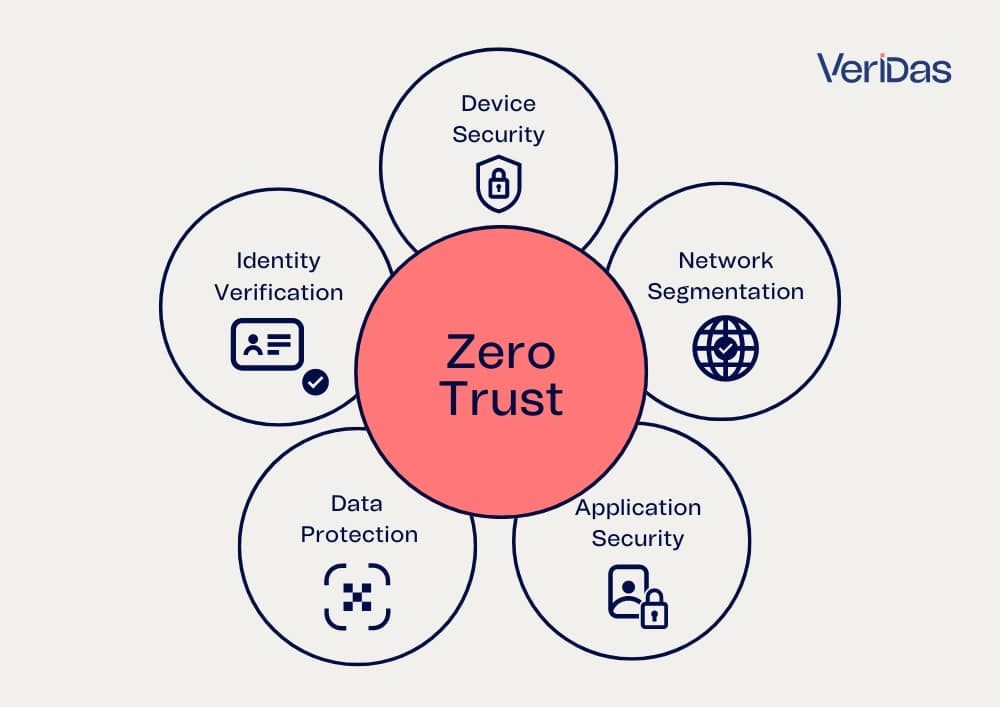
Implement your micro-segmentation solution using either host-based agents or network-based virtual firewalls. Agent-based solutions offer granular control directly on the workload, making them ideal for dynamic cloud environments. Network-based tools are better for legacy infrastructure where installing agents is not feasible. Ensure your chosen tool integrates seamlessly with your existing identity provider for continuous verification.
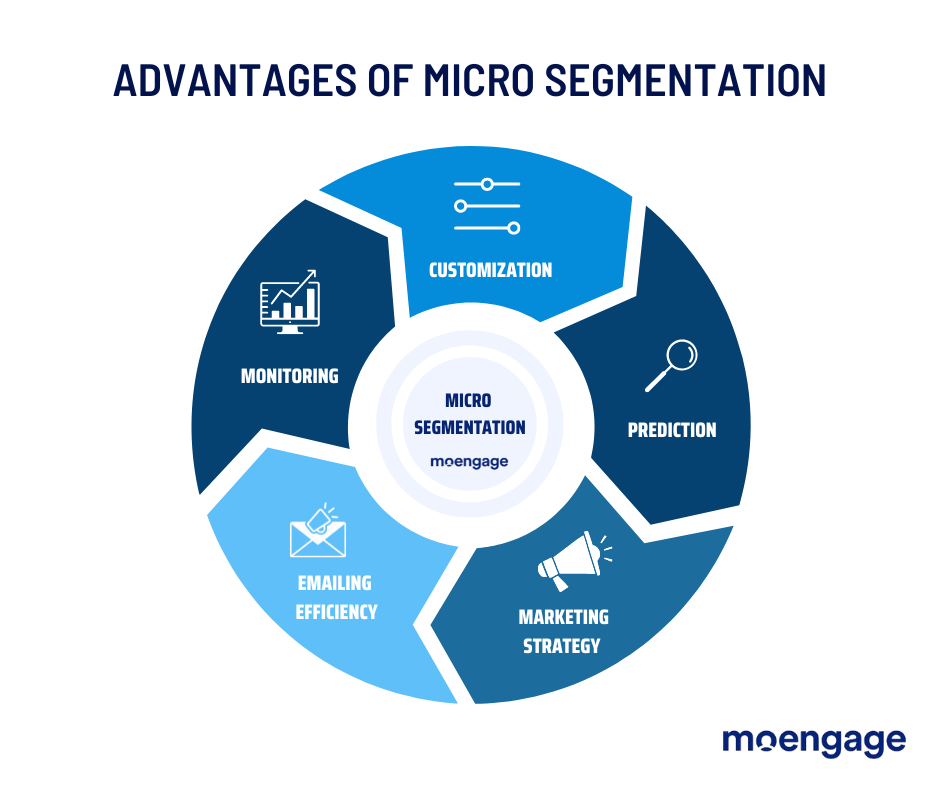
Never start with enforcement. Deploy your policies in monitoring or logging mode first. This allows you to observe how the new rules impact legitimate traffic without risking downtime. Analyze the logs to identify false positives and adjust your policies accordingly. This step is critical for maintaining business continuity while hardening your security posture.
Once you are confident in your policies, switch to enforcement mode. Block all traffic that does not explicitly match your rules. This creates a "deny by default" environment that significantly reduces your attack surface. Remember that zero trust is not a one-time project; continuously monitor for new threats and update your policies as your infrastructure evolves.
By following these steps, you can effectively implement zero trust in your subnet, protecting your most valuable assets from lateral movement and unauthorized access.
The future of zero trust security
The perimeter is dissolving. As remote work and hybrid cloud architectures become the norm, the traditional boundary of the network no longer exists. In this environment, identity becomes the new perimeter. Security strategies must shift from protecting static network edges to continuously verifying who is accessing what, regardless of location.
This shift requires tools that prioritize identity as the center of gravity. Instead of relying on broad network segmentation alone, the best micro-segmentation tools now integrate deeply with identity providers. They use context-aware policies to grant access based on user role, device health, and behavior, blocking lateral movement within the subnet if a credential is compromised.
AI is also playing a growing role in monitoring these micro-segments. Machine learning models analyze traffic patterns in real-time to detect anomalies that human analysts might miss. This allows for adaptive security policies that tighten or relax access dynamically based on risk levels.
No comments yet. Be the first to share your thoughts!