
Why subnet security matters in 2026
Enterprise subnet security has shifted from a defensive formality to a primary compliance requirement. As organizations expand into hybrid cloud environments and integrate thousands of IoT devices, the traditional perimeter model has effectively dissolved. Security teams can no longer rely on a hardened edge to protect internal traffic; instead, they must enforce zero trust principles at the subnet level, treating every network segment as potentially hostile.
The complexity of modern network architecture has reached a breaking point. After years of rapid expansion and tool proliferation, 2026 marks the beginning of a consolidation period defined by unification and automation. According to AlgoSec’s State of Network Security 2026 report, firms are now prioritizing control and visibility over fragmented tooling, recognizing that manual subnet management is no longer scalable or secure.
This shift is also driven by the need to streamline operations. Managed Secure Access Service Edge (SASE) solutions are becoming the standard for reducing IT complexity. Hughes identifies 2026 as the tipping point for managed SASE, noting that enterprises are consolidating network and security operations to lower costs while maintaining rigorous access controls. Without this consolidation, subnet security remains a liability rather than a safeguard.
The regulatory landscape is tightening in parallel. Jurisdictions worldwide are updating data protection and infrastructure security mandates, requiring organizations to demonstrate granular control over data flows. Subnet segmentation is no longer just an IT best practice; it is a demonstrable control for audits. Failure to implement strict microsegmentation can result in significant compliance penalties and increased exposure to ransomware attacks, which continue to target lateral movement within networks.
Zero trust architecture for subnets
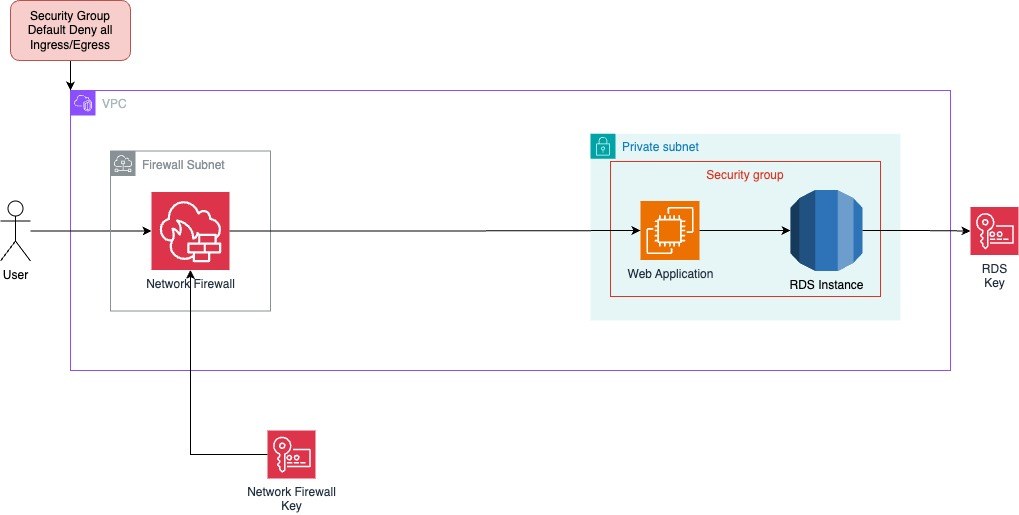
Traditional perimeter defenses assume that traffic inside the network is safe. This assumption is no longer valid. Zero trust architecture for subnets treats every network segment as a hostile zone, regardless of its internal IP address. Access is never granted by default; it must be verified every time.
Identity over IP addresses
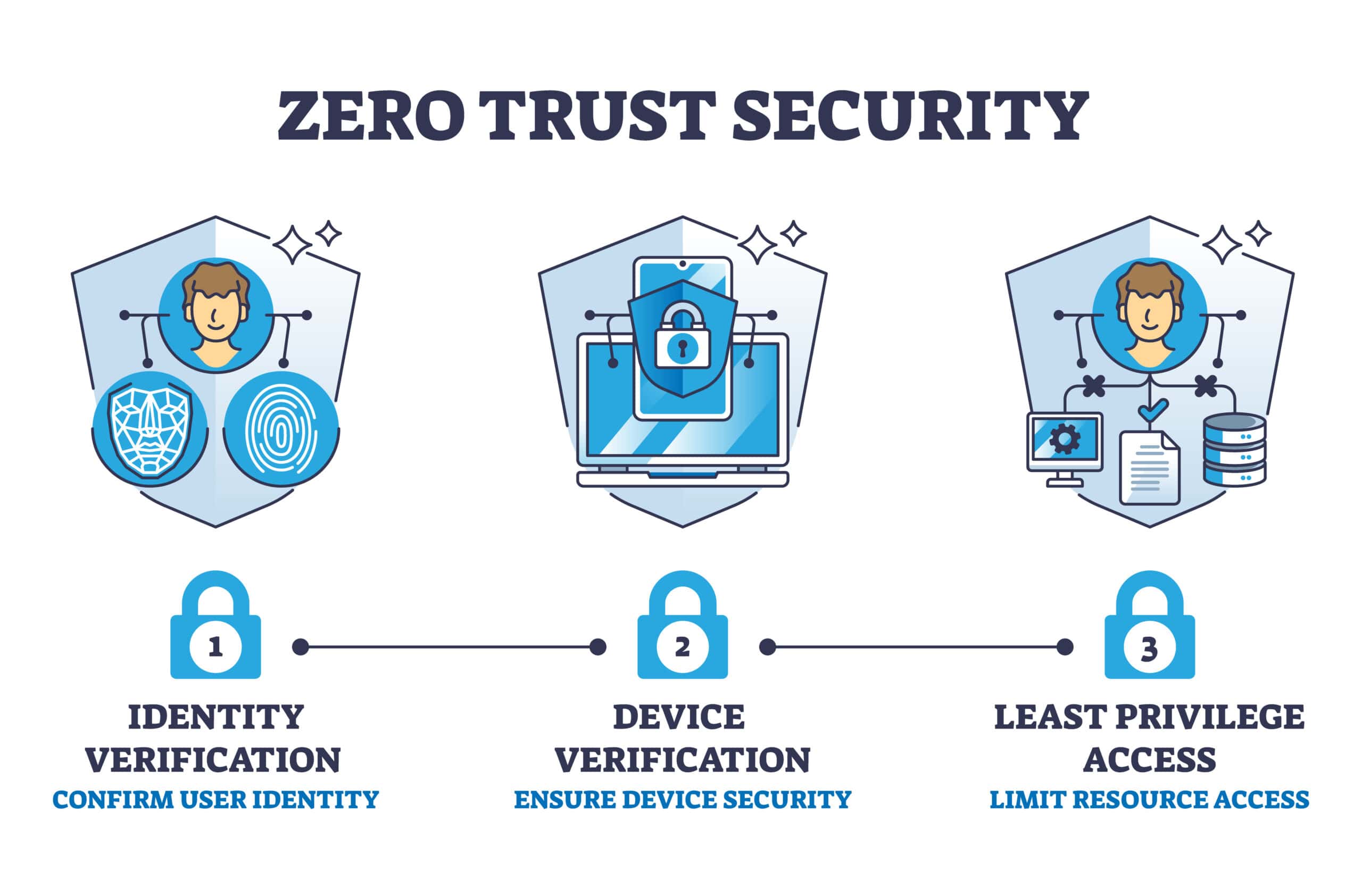
IP-based rules are static and easily spoofed. Zero trust shifts the focus to identity. Each device, user, and application must authenticate before communicating with another subnet. This verification relies on context, including device health, location, and time of day. A compromised laptop on the guest network cannot access the finance subnet simply because it was previously assigned a valid IP range.
Microsegmentation as enforcement
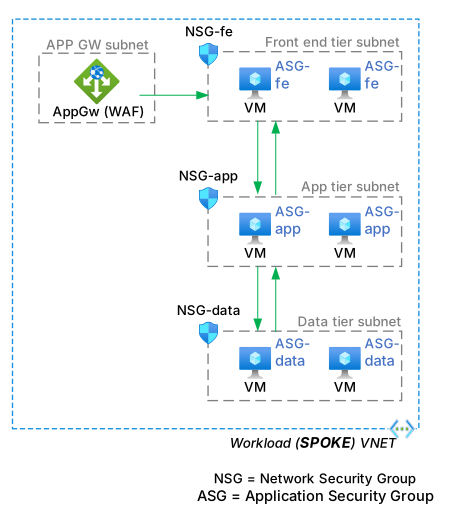
Microsegmentation operationalizes zero trust by creating isolated security zones within the subnet. Instead of broad VLANs, policies are applied at the workload level. If a server in the development subnet is breached, the attacker cannot pivot to the production subnet. This containment limits lateral movement, which is the primary vector for most enterprise breaches.
Context-aware access policies
Access decisions are dynamic. Policies evaluate real-time signals such as user behavior, threat intelligence feeds, and compliance status. For example, a login from an unusual location might trigger step-up authentication or restrict access to non-sensitive subnets. This approach ensures that access rights align with the current risk profile, not just the user's job title.
Microsegmentation best practices
Microsegmentation shifts security from the network perimeter to the workload itself. Instead of relying on broad VLANs, this approach creates unique security policies for individual applications, servers, and containers. By isolating workloads, organizations reduce the blast radius of potential breaches, ensuring that a compromise in one segment does not spread laterally to critical assets.
Compare segmentation models
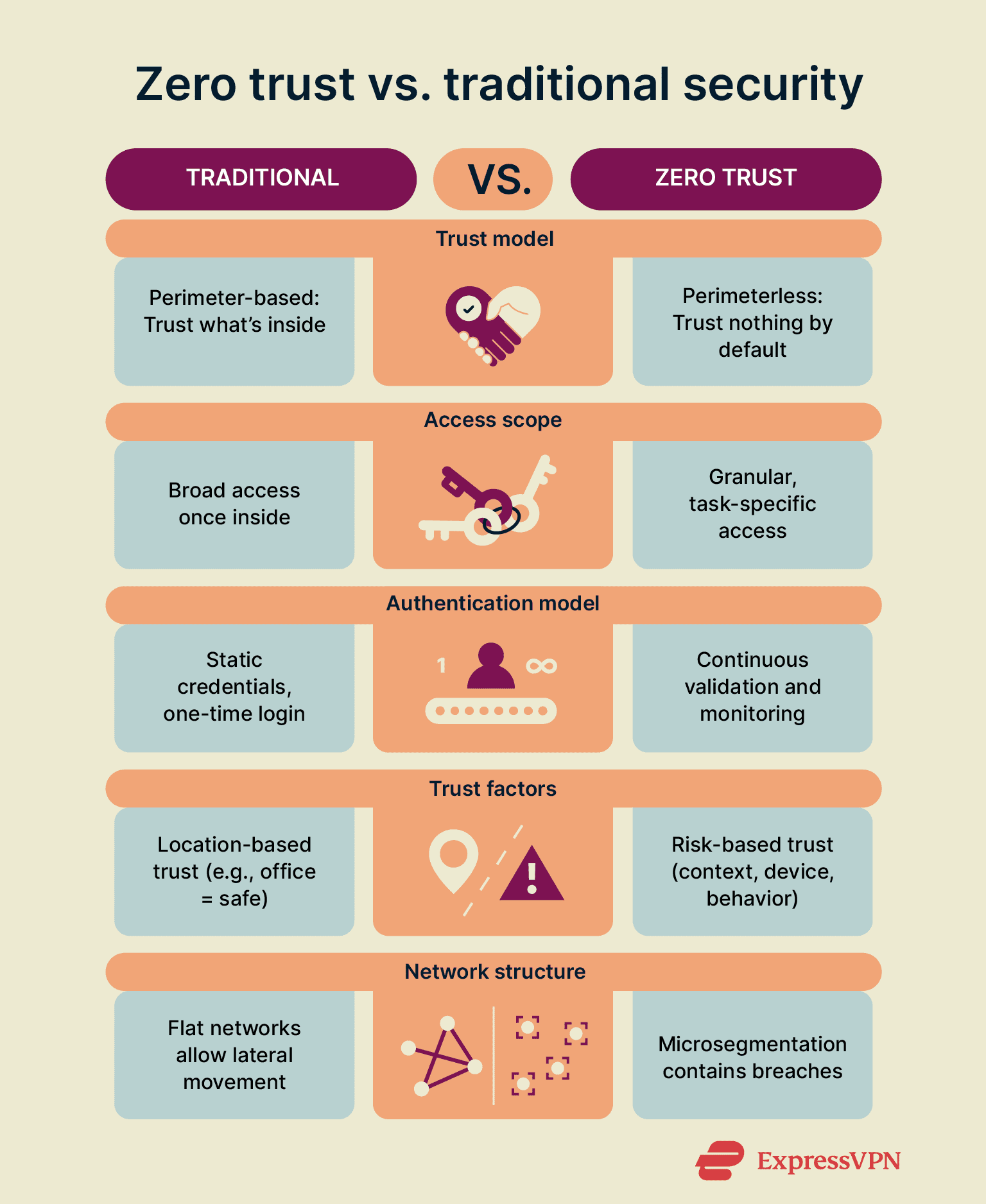
Traditional network segmentation and microsegmentation differ significantly in granularity and management. The table below highlights these distinctions.
| Feature | Traditional VLAN | Microsegmentation |
|---|---|---|
| Granularity | Network-level | Workload-level |
| Policy Enforcement | Perimeter-focused | East-west traffic |
| Management Overhead | Static and manual | Dynamic and automated |
| Breach Containment | Limited | High |
Implementation strategies
Successful microsegmentation requires a phased approach. Start by mapping your application dependencies to understand which workloads need to communicate. Use software-defined networking (SDN) or host-based firewalls to enforce these policies at the hypervisor or container level. This ensures that even if an attacker bypasses the perimeter, they cannot move freely across the subnet.
Monitoring and verification
Continuous monitoring is essential for maintaining microsegmentation integrity. Security teams should regularly audit traffic flows to ensure that policies are not overly permissive or blocking legitimate business operations. Automated tools can help detect policy drift and suggest adjustments, keeping the security posture aligned with evolving business needs. This ongoing verification helps maintain a robust zero-trust environment.
Next-gen firewall rules 2026
The enterprise firewall has shifted from a static perimeter guard to an active, policy-enforcing node within a zero trust architecture. In 2026, the primary goal is no longer just blocking traffic, but continuously verifying identity and context before allowing access. This evolution addresses the limitations of legacy rules that struggled to handle encrypted traffic and dynamic cloud environments.
AI-Driven Threat Detection
Modern firewalls now integrate machine learning models that analyze traffic patterns in real time. Instead of relying solely on known signature databases, these systems detect anomalies that suggest zero-day exploits or lateral movement. This capability is essential for identifying threats that bypass traditional signature-based detection, particularly in hybrid cloud setups where traffic is heavily encrypted.
Integration with Zero Trust Policies
Next-generation firewalls act as the enforcement point for zero trust policies. They evaluate every request based on user identity, device health, and location, rather than just source and destination IP addresses. This granular control ensures that access is granted on a least-privilege basis, reducing the attack surface even if credentials are compromised.
Automation and Consolidation
The complexity of managing thousands of individual rules has led to a push for automation. 2026 marks a consolidation period where security tools are unified to reduce configuration errors and operational overhead. Automated policy optimization helps security teams remove redundant rules and identify shadow IT, ensuring that the firewall remains efficient and compliant with evolving regulatory standards.
2026 implementation checklist
Security teams must move beyond perimeter-based defenses to enforce enterprise subnet security through granular, identity-aware controls. This checklist outlines the essential steps for auditing and hardening your network architecture in 2026.
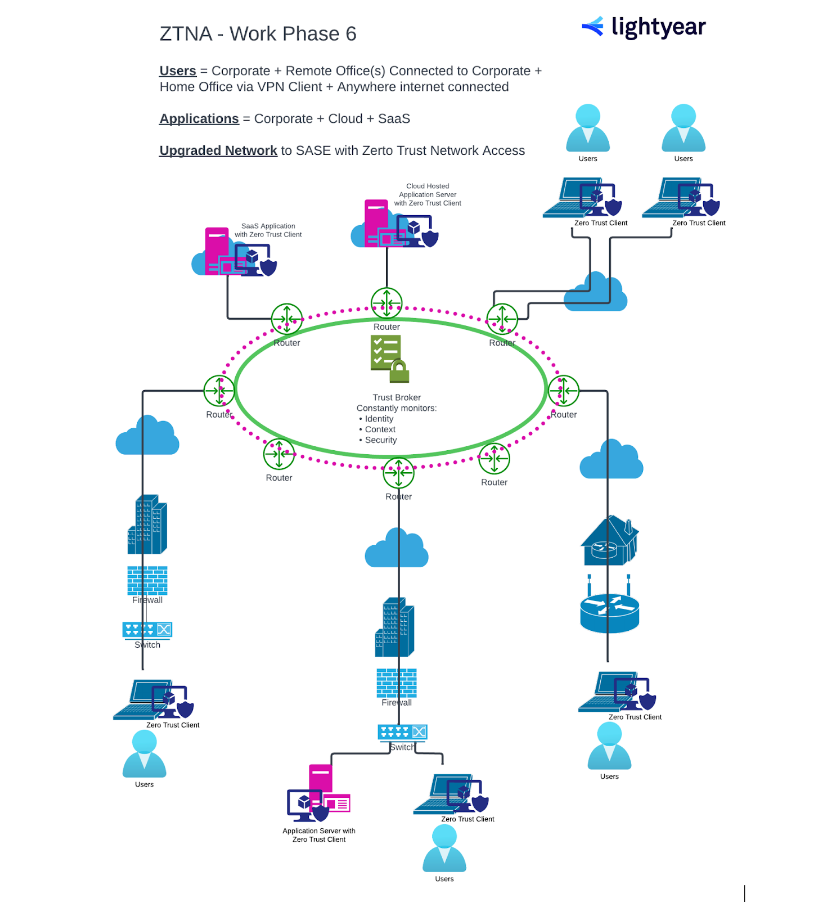
Map every device, user, and application connected to your subnets. Identify legacy systems and shadow IT that bypass current controls. Use network access control (NAC) tools to enforce policies based on device health and identity, ensuring only authorized entities can access sensitive segments.
Implement zero trust principles by dividing your network into small, isolated zones. Restrict lateral movement between subnets using strict access control lists (ACLs) and software-defined perimeters. This limits the blast radius of potential breaches and prevents ransomware from spreading across the enterprise.
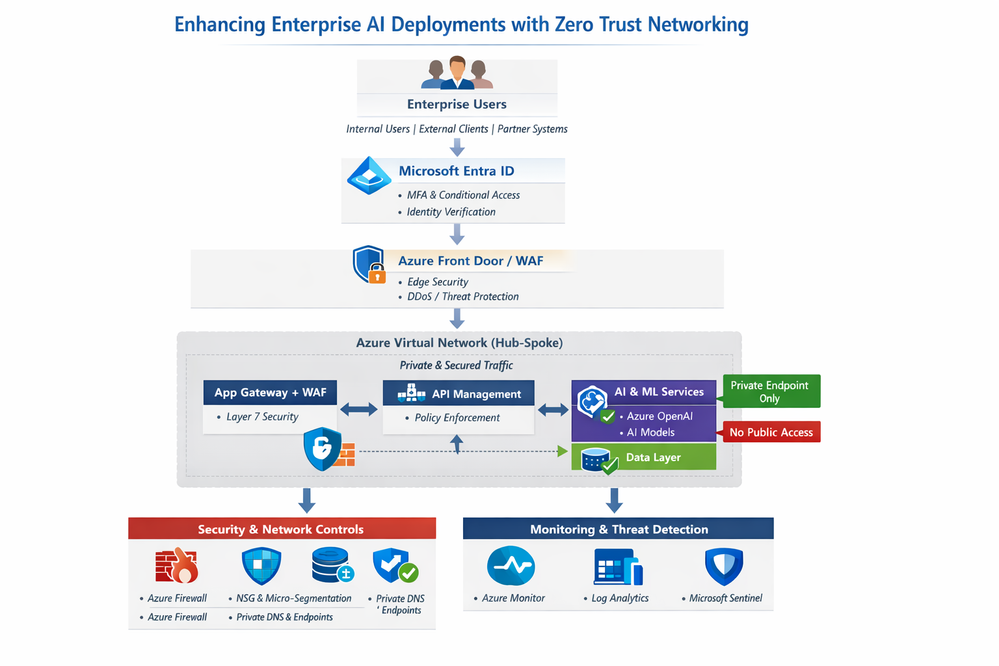
IoT devices often lack built-in security, making them prime targets for attackers. Isolate these devices in dedicated subnets with strict egress filtering. Use DHCP fingerprinting and behavioral analytics to detect anomalies and prevent unauthorized devices from joining the network.
Conduct a quarterly audit of all firewall rules to remove stale or overly permissive entries. Ensure that all inbound and outbound traffic is logged and monitored. Align your firewall policies with the latest zero trust frameworks and industry standards, such as those outlined by NIST.
Regularly perform penetration testing and vulnerability scans to identify weaknesses in your subnet security. Simulate attack scenarios to test the effectiveness of your microsegmentation and zero trust controls. Use the findings to refine your policies and improve your overall security posture.
Implementing these steps requires a shift in mindset from perimeter defense to continuous verification. By focusing on enterprise subnet security, you can build a resilient network that adapts to evolving threats.
Common questions about subnet security
How do I start zero trust in my enterprise?
Begin by mapping your current network topology and identifying critical assets. Instead of relying on perimeter defenses, implement strict access controls for every user and device. This approach reduces the attack surface and limits lateral movement if a breach occurs.
What tools support microsegmentation in 2026?
Look for solutions that offer automated policy enforcement and visibility into east-west traffic. Modern tools should integrate with existing identity providers to ensure that access rights are dynamically adjusted based on user role and device health.
How often should I update firewall rules?
Review and update firewall rules quarterly or whenever significant infrastructure changes occur. Regular audits help remove stale permissions and ensure that security policies align with current business needs and threat landscapes.
No comments yet. Be the first to share your thoughts!