
Plan your zero trust architecture 2026 rollout
Zero trust is a strategy for reducing risk, not a specific product you install. Before configuring network segments or identity providers, you must define the scope and assets to protect. Starting with policy prevents the common mistake of automating broken processes or building rigid perimeters that fail under hybrid cloud conditions.
Identify the critical assets that require protection. These are the data stores, applications, and services that, if compromised, would cause significant business disruption. Map these assets to their current access patterns and identify which users, devices, and applications interact with them. This inventory forms the baseline for your implementation, ensuring you secure what matters most rather than attempting to secure everything equally.
Define the trust boundaries for each asset. In a hybrid cloud environment, traditional network perimeters are obsolete. Trust boundaries now exist at the identity, device, and application levels. Determine who needs access, under what conditions, and for how long. This granular approach enables dynamic access decisions based on real-time risk signals rather than static network location.
Document the current state of access controls and identify gaps. This assessment reveals where legacy authentication methods, excessive privileges, or unmanaged devices create vulnerabilities. Use this gap analysis to prioritize remediation efforts, focusing first on the highest-risk assets and access paths. This structured approach ensures your rollout addresses the most critical security weaknesses first, building a foundation for continuous improvement.
Enforce identity verification first
Zero trust shifts the security perimeter from the network edge to the user identity. In a hybrid cloud environment, network boundaries are porous, making traditional firewall rules insufficient. You must treat every access request as hostile until proven otherwise, regardless of whether the user is on-premises or in the cloud.
Implement strict identity verification by enforcing Multi-Factor Authentication (MFA) for all users and workloads. Move beyond passwords to phishing-resistant methods like FIDO2 security keys or certificate-based authentication. This ensures that compromised credentials alone cannot grant access to critical resources.
Integrate a centralized identity provider (IdP) that acts as the single source of truth for authentication and authorization. Use this IdP to enforce conditional access policies based on real-time risk signals, such as user location, device health, and behavior anomalies.
# Example Identity Verification Policy
policy: strict-identity-verification
rules:
  - match:
      source: any
      destination: any
    then:
      authenticate:
        method: mfa
        strength: phishing-resistant
      authorize:
        method: rbac
        default: deny
By prioritizing identity, you create a defense-in-depth strategy where even if an attacker breaches the network, they cannot move laterally without valid, verified credentials. This approach aligns with NIST guidelines and major vendor recommendations for modern zero trust implementations.
Apply microsegmentation to subnets
Microsegmentation isolates workloads at the subnet or pod level, ensuring that even if an attacker breaches the perimeter, lateral movement is contained. In a zero trust architecture 2026 implementation, this requires defining explicit allow-lists for every service-to-service communication. You must treat every subnet as a distinct security domain rather than relying on broad VLAN tags.

Begin by mapping your hybrid cloud environment to identify which subnets host sensitive data or critical applications. Use network discovery tools to inventory all active endpoints and services within each subnet. Document the required communication paths between these services. This map serves as the foundation for your segmentation policy, ensuring you only block what is unnecessary rather than disrupting operations.
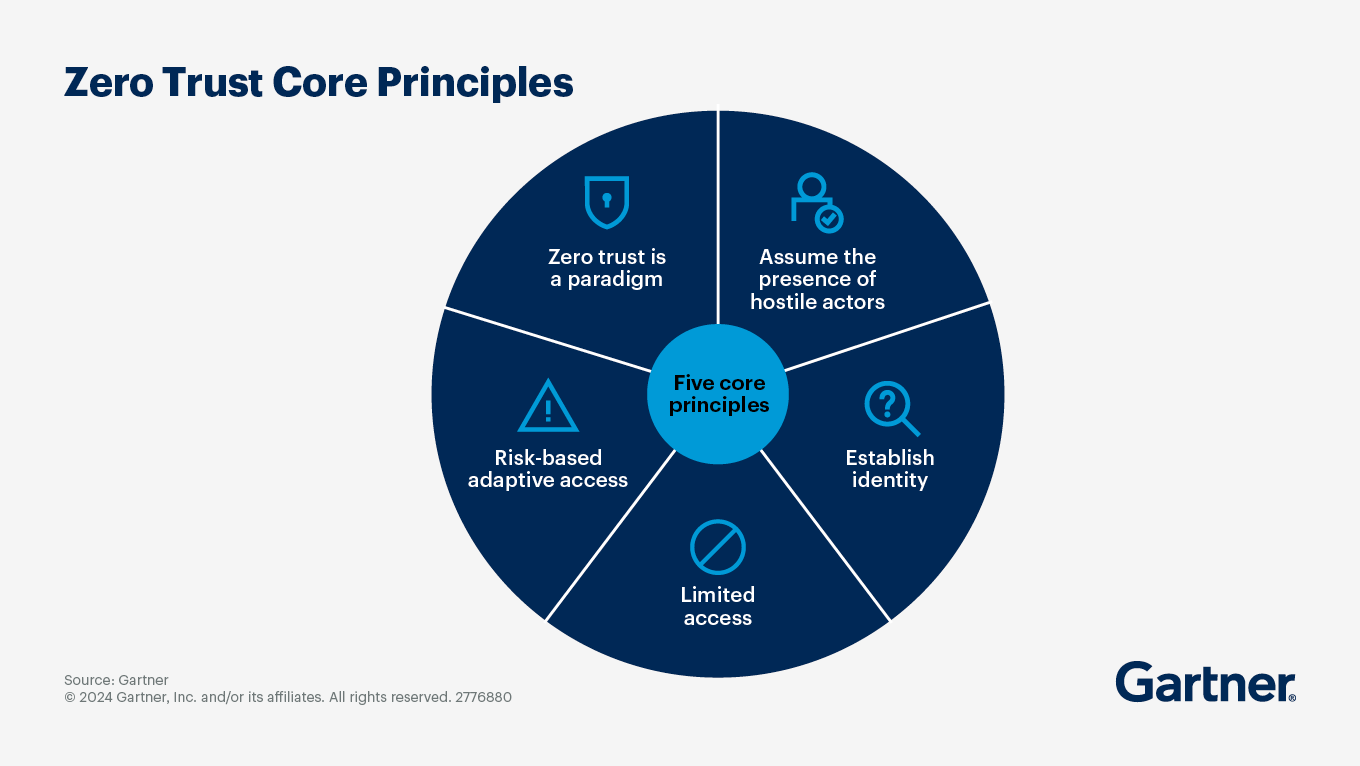
Create granular access control lists (ACLs) that permit only specific source IP addresses to communicate with specific destination ports and protocols. Avoid broad "any-to-any" rules. For example, if a web server in Subnet A must talk to a database in Subnet B, create a rule that explicitly allows TCP port 5432 from the web server's IP to the database's IP. All other traffic between these subnets is implicitly denied.
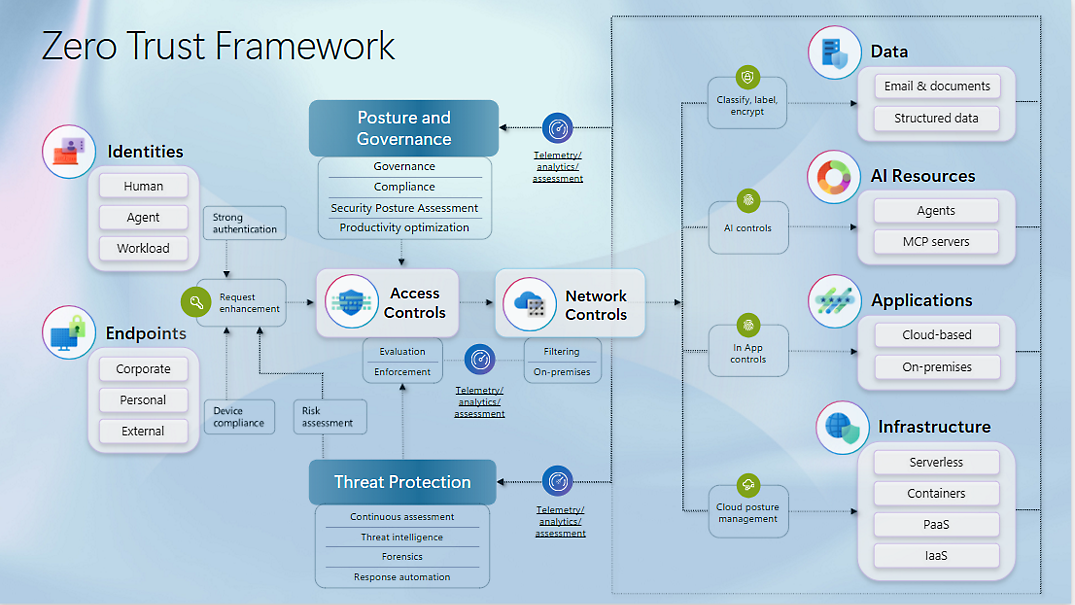
Implement enforcement mechanisms at the subnet boundaries. In on-premises environments, this often involves configuring next-generation firewalls or software-defined perimeters. In cloud environments, use native security groups or network policies within Kubernetes clusters. Ensure these enforcement points inspect traffic for compliance with your defined allow-lists before forwarding packets. This step physically or logically separates the subnets to prevent unauthorized access.
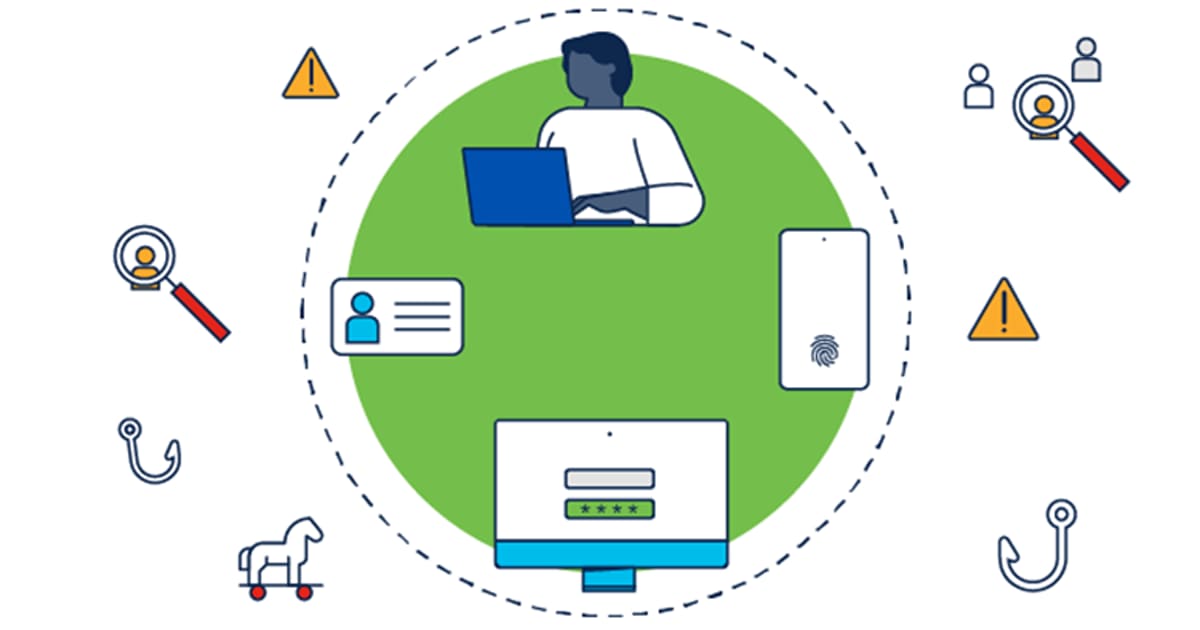
After deployment, monitor traffic logs to verify that only authorized communications are occurring. Look for blocked traffic that indicates legitimate business processes were inadvertently restricted. Adjust your policies to unblock necessary flows while maintaining the strictest possible restrictions. Regularly review these logs to detect anomalies that might indicate a breach or misconfiguration. Continuous monitoring ensures your microsegmentation remains effective as your hybrid cloud environment evolves.
By isolating traffic at the subnet level, you significantly reduce the attack surface. This approach aligns with the "never trust, always verify" principle of zero trust architecture 2026, ensuring that security is enforced at the most granular level possible.
Secure hybrid cloud connections
Zero Trust Architecture 2026 requires consistent security policies across on-premises and cloud environments. You must enforce identity verification and least-privilege access regardless of where the resource lives. This section outlines how to align AWS, Azure, and on-prem networks under a unified zero trust framework.
Compare zero trust approaches
Different environments require distinct implementation strategies. The table below compares the core components needed for each environment to maintain a consistent zero trust posture.
Implement identity-centric access
Identity is the new perimeter. Start by integrating your on-premises Active Directory with cloud identity providers using federation protocols like SAML or OIDC. This ensures a single source of truth for user identities. Enforce multi-factor authentication (MFA) for all administrative and remote access. Use conditional access policies to restrict access based on device health, location, and risk level. This step prevents credential theft from compromising cloud resources.
Enforce network microsegmentation
Traditional firewalls are insufficient for hybrid clouds. Implement microsegmentation to isolate workloads at the application level. In AWS, use security groups and network ACLs to restrict traffic between instances. In Azure, leverage NSGs and Azure Firewall Manager. For on-premises systems, deploy host-based firewalls and software-defined networking (SDN) solutions. This limits lateral movement if an attacker breaches one segment. Ensure all east-west traffic is inspected and authorized before proceeding.
Standardize encryption and key management
Data must be encrypted in transit and at rest across all environments. Use TLS 1.3 for all communications. For data at rest, leverage cloud-native key management services (KMS) for AWS and Azure, and integrate them with on-premises hardware security modules (HSMs) for legacy systems. This ensures consistent key rotation and access controls. Avoid storing encryption keys in configuration files or source code repositories.
Monitor and validate continuously
Zero Trust is not a one-time setup. Implement continuous monitoring to detect anomalies in user behavior and network traffic. Use cloud-native logging services like AWS CloudTrail and Azure Monitor, and aggregate on-premises logs into a centralized SIEM. Regularly audit access policies and remove unnecessary permissions. Automate compliance checks to ensure your hybrid environment adheres to zero trust principles.
Monitor and adjust access policies
Zero trust architecture relies on continuous verification, not just initial authentication. You must treat every request as untrusted, regardless of its origin. This requires real-time visibility into user behavior, device health, and network traffic patterns across your hybrid cloud environment.
Implement continuous monitoring
Deploy tools that aggregate logs from all endpoints, applications, and cloud services. Look for anomalies such as unusual login times, data exfiltration attempts, or privilege escalation. NIST guidelines emphasize that visibility is the foundation of effective zero trust. Without comprehensive telemetry, you cannot detect lateral movement or compromised credentials.
Automate policy adjustments
Static policies quickly become obsolete. Use automated responses to revoke access when risk scores spike. For example, if a device fails a health check or a user accesses data outside their normal scope, the system should immediately restrict permissions. This dynamic adjustment reduces the window of exposure for potential threats.
Review and refine
Regularly audit your access logs and policy effectiveness. Identify false positives that disrupt business operations and adjust thresholds accordingly. Ensure your least-privilege models align with current job roles and project requirements. Continuous refinement keeps your security posture adaptive and resilient against evolving attack vectors.
Zero trust architecture 2026 checklist
Use this list to verify your deployment before going live. Each item maps to a core NIST SP 800-207 requirement for hybrid cloud environments.
- Identity & Access: Enforce multi-factor authentication (MFA) for all users and service accounts. Verify device health before granting access.
- Micro-segmentation: Confirm network policies restrict lateral movement. Workloads should only communicate with explicitly authorized peers.
- Continuous Monitoring: Ensure logs from all cloud and on-premises sources feed into a central SIEM. Set alerts for anomalous behavior.
- Least Privilege: Review access rights quarterly. Remove stale permissions and enforce just-in-time (JIT) access for administrative tasks.
A zero trust framework is not a one-time project. Regular audits and continuous verification keep your hybrid network secure against evolving threats.
Common zero trust implementation: what to check next
Implementing zero trust architecture 2026 requires strict adherence to verification principles. The NSA recently issued guidelines reinforcing that no user or device is safe by default, meaning every access request must be authenticated and authorized before granting network access NSA Zero Trust Guidelines.
No comments yet. Be the first to share your thoughts!