
What zero trust means for 2026 subnets
Use this section to make the Zero Trust Architecture decision easier to compare in real life, not just on paper. Start with the reader's actual constraint, then separate must-have requirements from details that are merely nice to have. A practical choice should survive normal use, maintenance, timing, and budget. If a recommendation only works in an ideal situation, call that out plainly and give the reader a fallback path.
The simplest way to use this section is to write down the must-have criteria first, then compare each option against those criteria before weighing nice-to-have features.
Top zero trust tools for micro-segmentation
Zero trust architecture relies on strict access controls to prevent lateral movement. Micro-segmentation breaks the network into small, secure zones. This approach limits the blast radius if a breach occurs. The right tools automate policy enforcement and adapt to changing workloads.
1. VMware NSX
VMware NSX provides network virtualization and security automation. It creates micro-segmentation policies at the hypervisor level. This ensures consistent security across virtual machines and containers. The platform integrates with existing cloud environments for unified management.


As an Amazon Associate, we may earn from qualifying purchases.
2. Cisco Secure Workload
Cisco Secure Workload focuses on application-centric policies. It identifies applications and maps their dependencies automatically. This visibility helps security teams define precise access rules. The tool supports hybrid cloud deployments with minimal configuration.
3. Palo Alto Networks Prisma Cloud
Prisma Cloud offers comprehensive cloud-native security. It includes micro-segmentation capabilities for Kubernetes and serverless environments. The platform uses AI to detect anomalies in network traffic. This helps identify potential threats before they spread.
4. Illumio Core
Illumio Core specializes in workload protection. It maps application dependencies to create segmentation policies. The tool provides real-time visibility into east-west traffic. This allows organizations to enforce least-privilege access effectively.
Feature comparison
The table below compares key features of the top micro-segmentation tools. This helps teams choose the right solution for their infrastructure.
| Tool | AI Automation | Deployment | Coverage |
|---|---|---|---|
| VMware NSX | High | Hypervisor | VM/Container |
| Cisco Secure Workload | Medium | Agent/Agentless | Hybrid Cloud |
| Palo Alto Prisma Cloud | High | Cloud-Native | K8s/Serverless |
| Illumio Core | Medium | Agent-based | Workload |
Related security resources
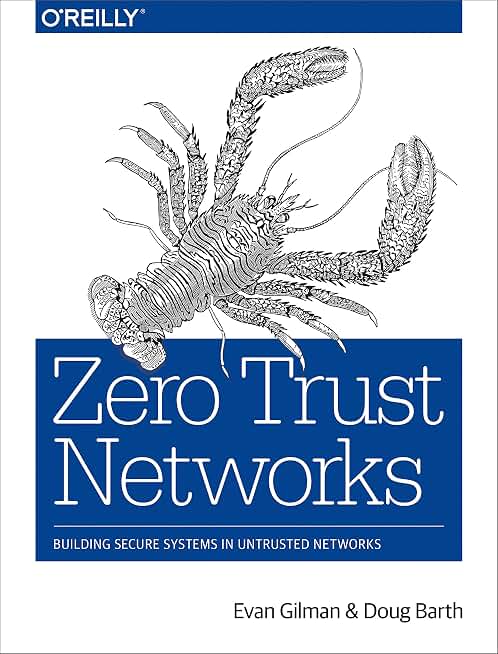
Implementing zero trust requires more than just software. Teams often need additional hardware and reference materials. The following products support zero trust implementations.

As an Amazon Associate, we may earn from qualifying purchases.
How AI automates subnet segmentation
Traditional network security relies on static rules that struggle to keep pace with modern workloads. AI-driven micro-segmentation changes this by using machine learning to map traffic patterns in real time. Instead of waiting for a threat to trigger an alert, the system learns what normal behavior looks like for each specific subnet and adjusts policies automatically.
This approach focuses on identifying lateral movement risks before they escalate. When an AI model detects unusual traffic flows—such as a server suddenly trying to access a database it never touched—it flags the anomaly immediately. This reduces false positives in high-traffic enterprise environments, allowing security teams to focus on genuine threats rather than noise.
Tools like Aembit and Cisco Secure Workload use these insights to enforce least-privilege access. By continuously monitoring and adjusting network boundaries, these solutions ensure that even if a device is compromised, the attacker cannot move laterally across the subnet. This dynamic adjustment is essential for maintaining security in cloud-native and hybrid infrastructure.
The result is a more resilient network that adapts to changing workloads without manual intervention. As organizations shift toward zero-trust frameworks, AI-driven segmentation becomes the backbone of effective defense, providing visibility and control that static firewalls simply cannot offer.
Integrating Micro-Segmentation with Firewalls
Modern zero trust strategies treat the traditional perimeter firewall as a single point of failure rather than a final line of defense. Instead of replacing these legacy systems, effective tools like Tufin and Tenable integrate directly with next-generation firewalls (NGFW) to enforce granular, identity-based policies. This approach ensures that even if an attacker breaches the outer perimeter, they cannot move laterally across the network.
The integration works by translating high-level security goals into specific firewall rules. For instance, Palo Alto Networks firewalls can ingest segmentation policies from orchestration platforms, automatically blocking unauthorized traffic between critical assets like databases and web servers. This reduces the attack surface significantly compared to static, port-based rules.
Key Integration Tools
To implement this architecture, you need software that bridges the gap between identity providers and network devices. The following tools are essential for managing this complexity:


As an Amazon Associate, we may earn from qualifying purchases.
By combining these tools, organizations can maintain a dynamic security posture. The firewall handles the heavy lifting of traffic filtering, while the orchestration layer ensures that rules remain aligned with current user roles and application needs. This synergy is critical for maintaining security without sacrificing operational agility.
Checklist for zero trust implementation
Moving to zero trust requires a structured audit of your current network perimeter. Start by inventorying every asset, user, and data flow to identify where sensitive information lives. This visibility is the foundation for applying micro-segmentation effectively.
Next, select a ZTNA provider that integrates with your existing identity management tools. Look for platforms that offer AI-driven anomaly detection to automate policy enforcement. Tools like Zscaler Private Access or CrowdStrike Falcon are common choices for enterprise environments.
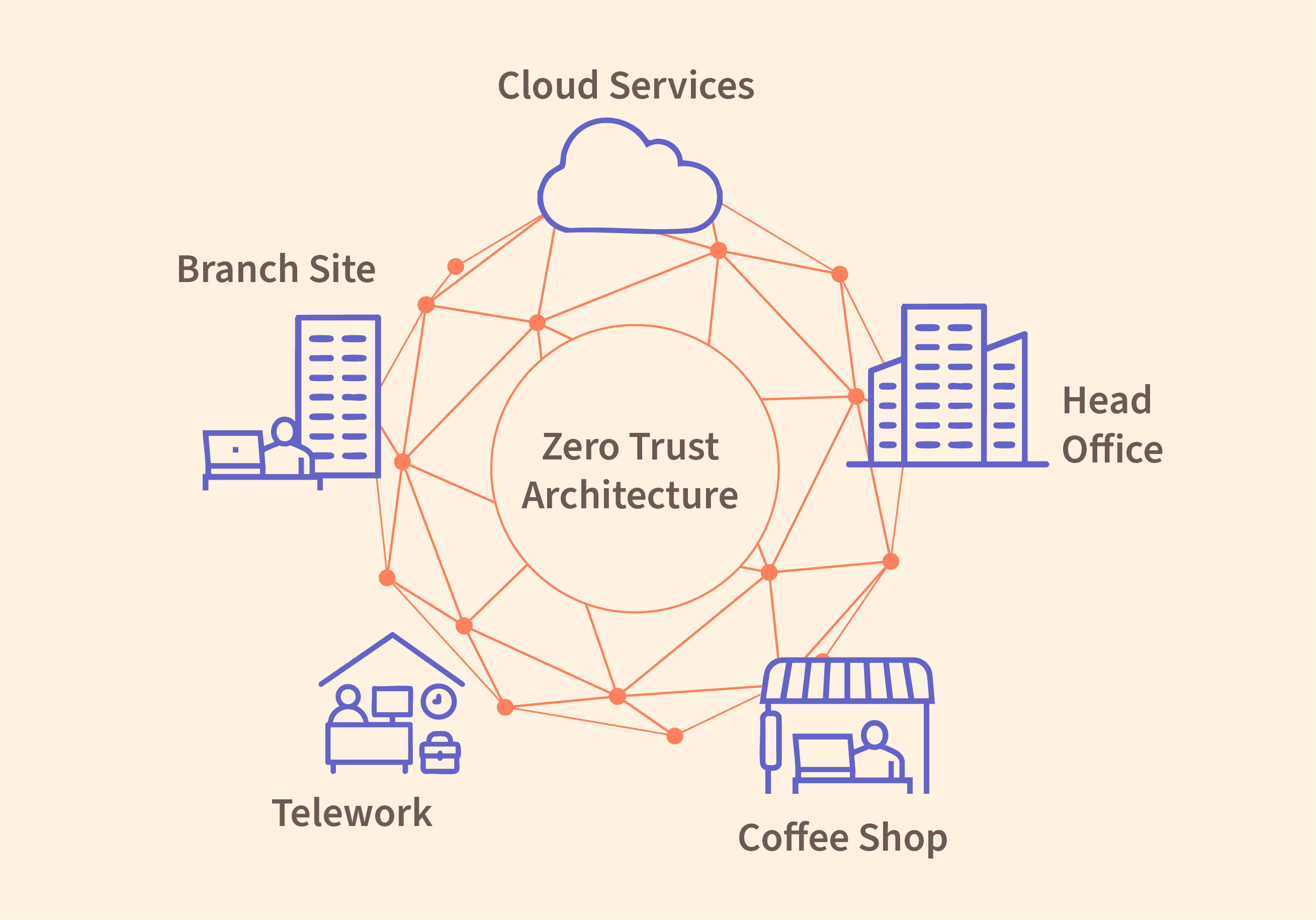
Map all devices, applications, and data stores. Identify high-value assets that require the strictest segmentation policies. This step prevents blind spots in your security posture.

Evaluate vendors based on AI-driven policy automation and ease of integration. Ensure the solution supports least-privilege access without disrupting legitimate workflows. Compare features across platforms like Zscaler, CrowdStrike, and Palo Alto Networks.
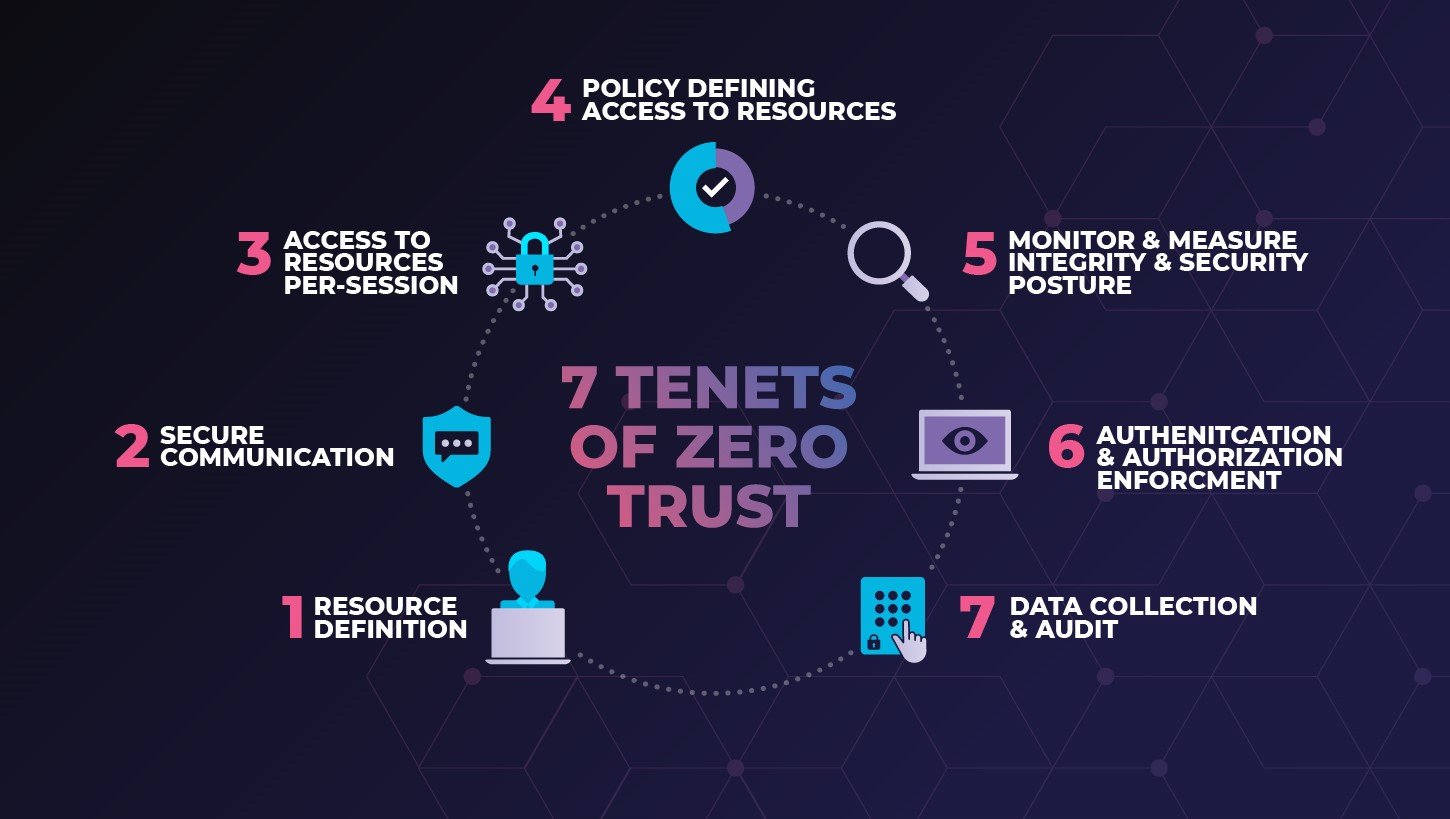
Apply segmentation rules to a non-critical subnet first. Monitor traffic patterns and adjust policies based on actual usage data. This pilot phase helps refine automation logic before full-scale deployment.

Use AI-driven analytics to detect deviations from normal behavior. Continuously update segmentation rules to address new threats. Regular audits ensure that access rights remain aligned with current business needs.

As an Amazon Associate, we may earn from qualifying purchases.
Common zero trust implementation: what to check next
Implementing zero trust in 2026 involves more than just buying software. Teams need to understand how these tools fit into existing infrastructure, what they cost, and how they handle legacy systems.
No comments yet. Be the first to share your thoughts!