
Zero Trust Architecture 2026 Overview
Zero trust architecture (ZTA) is a security framework that operates on the principle of "never trust, always verify." It eliminates implicit trust based on network location, assuming that no user or device can be trusted regardless of its position. In 2026, this model has shifted from a theoretical ideal to a practical necessity, driven by the explosive growth of AI workloads and the fragmentation of modern IT environments.
The era of the static perimeter is over. Traditional security models relied on a fortified boundary, but with hybrid work and cloud-native applications, that boundary has dissolved. Today, security must be dynamic and identity-aware. This means verifying every request as if it originated from an untrusted network, ensuring that access is granted only to the specific resources needed for a given task.
Key shift: Zero trust is no longer just about identity; it is about continuous verification of network segments in real-time.
This shift is particularly critical for subnet segmentation. In a zero trust environment, networks are divided into smaller, isolated zones. Access between these zones is strictly controlled, limiting the lateral movement of threats. For AI workloads, which often involve sensitive data and high-compute resources, this granularity is essential to prevent data exfiltration and ensure compliance.
Best zero trust tools for 2026
Choosing the right zero trust platform requires matching specific segmentation capabilities with your existing infrastructure. The market has shifted from simple perimeter checks to continuous, identity-driven verification that adapts to user behavior and device health. For 2026, the most effective tools prioritize dynamic subnet segmentation, allowing security policies to move with the workload rather than relying on static IP addresses.
When evaluating these solutions, look for native integration with cloud-native environments and strong support for micro-segmentation. The best platforms reduce the attack surface by isolating critical assets automatically, ensuring that a compromise in one subnet does not spread to the rest of the network. This dynamic approach is essential for maintaining security in hybrid and multi-cloud environments where traditional firewalls fall short.
The following tools represent the current standard for implementing zero trust architecture with a focus on granular control and automated policy enforcement.


As an Amazon Associate, we may earn from qualifying purchases.
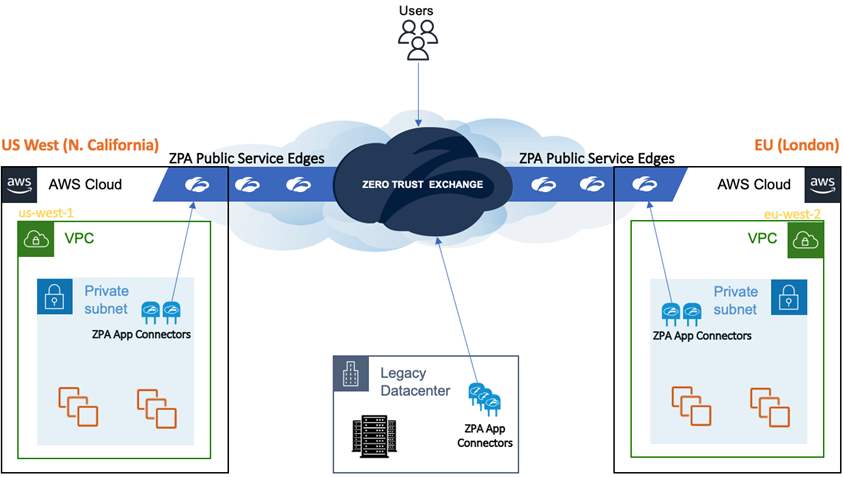
Each of these platforms offers distinct advantages depending on your organization's size and technical maturity. Palo Alto Networks provides deep integration with existing firewall ecosystems, making it ideal for enterprises already invested in their hardware. Zscaler excels in cloud-first environments, offering a seamless experience for remote workers without the need for complex on-premise appliances. CrowdStrike leverages its endpoint dominance to provide identity protection that extends beyond the network boundary, while Tailscale offers a lightweight, developer-friendly approach to secure access.
ComparisonTable
| Tool | Segmentation Depth | AI/ML Features | Deployment Model |
|---|---|---|---|
| Palo Alto Cortex XDR | High | Advanced threat hunting | Hybrid |
| Zscaler Zero Trust | Medium (Cloud-focused) | Real-time policy enforcement | Cloud-native |
| CrowdStrike Falcon | Endpoint-centric | Behavioral anomaly detection | Cloud-native |
| Tailscale SASE | Low (Mesh-based) | Basic policy automation | Cloud-native |
The comparison above highlights the trade-offs between depth of control and ease of deployment. If your primary goal is strict micro-segmentation within a complex on-premise data center, the heavier platforms like Palo Alto or Zscaler provide the necessary granularity. For organizations prioritizing rapid deployment and remote workforce security, the cloud-native options offer a faster path to zero trust without the overhead of managing physical infrastructure.
FAQ
Selecting the right tool is just the first step. Successful implementation requires a clear understanding of your assets, a phased rollout plan, and ongoing monitoring to adjust policies as your environment evolves. By focusing on dynamic segmentation and identity verification, you can build a resilient security posture that adapts to the evolving threat landscape of 2026.
How to Implement Dynamic Subnet Segmentation
Dynamic subnet segmentation moves beyond static firewall rules by adjusting network boundaries in real time. Instead of treating the entire AI workload as a single trust zone, you isolate individual components—data ingestion, model training, and inference—into their own micro-segments. This approach limits lateral movement if a single node is compromised, aligning with the NSA’s guidance that no user or device should be trusted by default [src-serp-8].
1. Map AI Workload Dependencies
Before applying segmentation, you must understand how your AI services communicate. Map every data flow between the ingestion layer, the training cluster, and the inference endpoints. Identify which services need direct access and which can communicate only through a secure API gateway. This map becomes the baseline for your segmentation policy.
2. Deploy Micro-Segmentation Policies
Use software-defined networking (SDN) tools to enforce policies at the packet level. Instead of relying on broad VLANs, create strict allow-lists for each micro-segment. For example, the inference engine should only accept traffic from the API gateway, not from the training cluster. This ensures that even if the training environment is breached, the attacker cannot pivot to the live inference service.
3. Integrate Continuous Verification
Dynamic segmentation requires constant validation. Integrate identity-aware proxies that verify every request against the user’s or device’s current security posture. If a device’s certificate expires or its health status changes, the segmentation policy should automatically revoke access. This continuous verification loop is essential for maintaining zero trust in a fluid AI environment.
4. Monitor and Adjust in Real Time
Set up monitoring tools to detect anomalies in network traffic between segments. If a service starts communicating with an unauthorized segment, trigger an immediate alert or automated isolation. Regularly review these logs to refine your policies, ensuring that segmentation remains tight as your AI workload scales.


As an Amazon Associate, we may earn from qualifying purchases.
Securing AI workloads with zero trust
AI models require massive data flows that traditional perimeter defenses cannot effectively monitor. When a machine learning pipeline processes sensitive information, every microservice and API call becomes a potential attack vector. Zero trust architecture addresses this by verifying every request, regardless of where it originates.
In 2026, dynamic subnet segmentation is critical for isolating training environments from production inference. By treating each AI workload as a distinct entity, you prevent lateral movement if a single node is compromised. This approach ensures that even if an attacker gains access to one part of the system, they cannot easily reach the core data assets.
The image below illustrates how dynamic segmentation differs from traditional VLAN structures, providing a clearer view of how modern networks isolate traffic.
Implementing zero trust for AI involves continuous monitoring of model inputs and outputs. Tools that offer real-time visibility into data movement help identify anomalies before they escalate. By combining strict access controls with automated segmentation, organizations can protect their AI investments while maintaining operational agility.
Key components of this strategy include identity-aware proxies and micro-segmentation policies. These tools work together to ensure that only authorized services can communicate with the AI models. This layered defense reduces the risk of data leakage and model poisoning.
For teams looking to implement these solutions, selecting the right tools is essential. The following products are commonly used to build secure, zero-trust compliant AI infrastructure.


As an Amazon Associate, we may earn from qualifying purchases.
Frequently asked questions about zero trust 2026
Does zero trust require replacing my existing network hardware? Not necessarily. Zero trust focuses on identity and access policies rather than physical network topology. You can layer dynamic subnet segmentation over your current infrastructure using modern tools like Zscaler or Cisco Secure Client. The goal is to verify every connection, regardless of whether it originates from inside or outside the office.
How much does a zero trust implementation cost in 2026? Costs vary significantly based on organization size and complexity. Small businesses might start with cloud-native solutions like Zscaler Private Access, which often follow a per-user subscription model. Larger enterprises may require on-premises components or hybrid setups involving Cisco or Palo Alto Networks, leading to higher initial licensing and deployment fees.
What is the biggest challenge in implementing zero trust? The primary hurdle is often cultural and operational, not technical. Employees may resist frequent re-authentication or stricter access controls. Successful implementation requires clear communication about security benefits and gradual rollout strategies. Tools that support single sign-on (SSO) and multi-factor authentication (MFA) help reduce friction for end-users.
No comments yet. Be the first to share your thoughts!