
What zero trust means for subnets in 2026
Zero trust architecture shifts the focus from protecting the network perimeter to verifying every request, regardless of its origin. In 2026, the traditional subnet boundary is no longer a reliable security control. Instead, security relies on identity-first microsegmentation, where each device and user is treated as a distinct entity that must be authenticated and authorized before accessing any resource.
This approach eliminates implicit trust. Even traffic that appears to come from inside the network is subject to continuous monitoring and validation. The Department of Defense’s implementation guidelines emphasize that cybersecurity measures must remain effective through constant verification, not just initial access control. This means that subnet security is no longer about building higher walls, but about creating a system where each micro-segment operates independently.
For organizations, this shift requires a move away from broad subnet access policies. Instead, access is granted on a per-identity basis, often using tools like Zscaler Private Access or Cisco Secure Client to enforce granular controls. The goal is to limit lateral movement, ensuring that a compromise in one subnet does not automatically grant access to others. This identity-first model is the foundation of modern subnet security, making traditional perimeter defenses obsolete.
How AI drives microsegmentation decisions
Zero trust architecture relies on microsegmentation to isolate workloads, but static policies quickly become unmanageable as environments scale. Artificial intelligence solves this by continuously analyzing network traffic and user behavior to adjust access rules in real time. Instead of relying on manual configuration, the system learns what normal activity looks like for each subnet and flags anomalies automatically.
This dynamic approach reduces the administrative burden on security teams while maintaining strict isolation. When a device exhibits unusual behavior, such as a sudden spike in outbound data or access to an unauthorized port, the AI can instantly restrict its access. This prevents lateral movement by attackers who have already breached the perimeter.
Tools like Microsoft Defender for Cloud integrate these capabilities directly into cloud infrastructure, offering a reference architecture for securing AI at scale. By embedding these intelligence layers into your zero trust strategy, you ensure that subnet security adapts to threats as they emerge, rather than reacting after the fact.
Leading zero trust platforms for enterprise use
Selecting the right zero trust platform requires balancing microsegmentation depth with identity fidelity. The following tools represent the current enterprise standard for securing subnets without sacrificing operational velocity.
Cisco Secure Zero Trust
Cisco’s platform integrates Zero Trust Network Access (ZTNA) with its broader security fabric, making it a natural fit for organizations already embedded in the Cisco ecosystem. It excels at enforcing identity-based policies across hybrid environments, ensuring that access controls follow the user or workload regardless of their physical location.
The solution provides granular visibility into subnet traffic, allowing security teams to isolate compromised segments instantly. By tying network access directly to identity attributes rather than IP addresses, it eliminates the lateral movement risks inherent in traditional perimeter models.
Zscaler Zero Trust Exchange
Zscaler operates on a cloud-native model, routing all traffic through its global security cloud rather than backhauling it to a central data center. This approach significantly reduces latency for remote workers while maintaining strict enforcement of zero trust principles.
Its microsegmentation capabilities are particularly strong for multi-cloud environments. By creating a secure overlay network, Zscaler ensures that even if a subnet is breached, the attacker cannot pivot to other critical assets without re-authenticating and re-authorizing at each step.
Palo Alto Networks Prisma Access
Palo Alto Networks combines its industry-leading firewall expertise with cloud-delivered security services. Prisma Access offers a comprehensive zero trust network access solution that integrates seamlessly with its existing Panorama management console.
The platform’s strength lies in its application-aware policies. It can inspect traffic for threats at Layer 7, ensuring that only authorized applications are accessible within a subnet. This depth of inspection is critical for detecting sophisticated attacks that attempt to disguise malicious traffic as legitimate protocol usage.
Netskope Private Access
Netskope distinguishes itself with a strong focus on cloud security and data protection. Its Private Access solution provides secure, identity-based access to internal applications without requiring complex VPN configurations.
The platform excels at protecting data in motion. By inspecting traffic for sensitive data patterns, Netskope can block exfiltration attempts in real-time. This makes it an ideal choice for enterprises handling regulated data across distributed subnets.


As an Amazon Associate, we may earn from qualifying purchases.
Comparing key features and pricing tiers
Choosing the right zero trust solution requires weighing specific capabilities against your infrastructure complexity. The platforms below represent distinct approaches to securing subnets, from lightweight identity verification to comprehensive network segmentation.
| Platform | Primary Focus | Deployment | Best For |
|---|---|---|---|
| Tailscale | Secure mesh networking | Cloud-native/SaaS | Remote teams and small-to-medium businesses |
| Cloudflare Zero Trust | Network access and WAF | SaaS/Proxy | Organizations needing edge security and SSO |
| Zscaler | Cloud-delivered security | SaaS/Cloud | Large enterprises with complex hybrid infrastructures |
| Cisco Secure Workload | Micro-segmentation | On-prem/Cloud | Data centers requiring granular workload protection |
Each platform serves a different slice of the market. Tailscale excels in ease of use for distributed teams, while Zscaler offers depth for large-scale enterprise compliance. Cisco’s approach is best suited for traditional data centers moving toward hybrid models.
Steps to implement zero trust in your network
Zero trust architecture (ZTA) shifts security from perimeter-based trust to identity-based verification. By assuming no user or device is trustworthy by default, you reduce the attack surface for subnet breaches. The following steps outline a practical path to deployment, focusing on continuous monitoring and strict access controls.
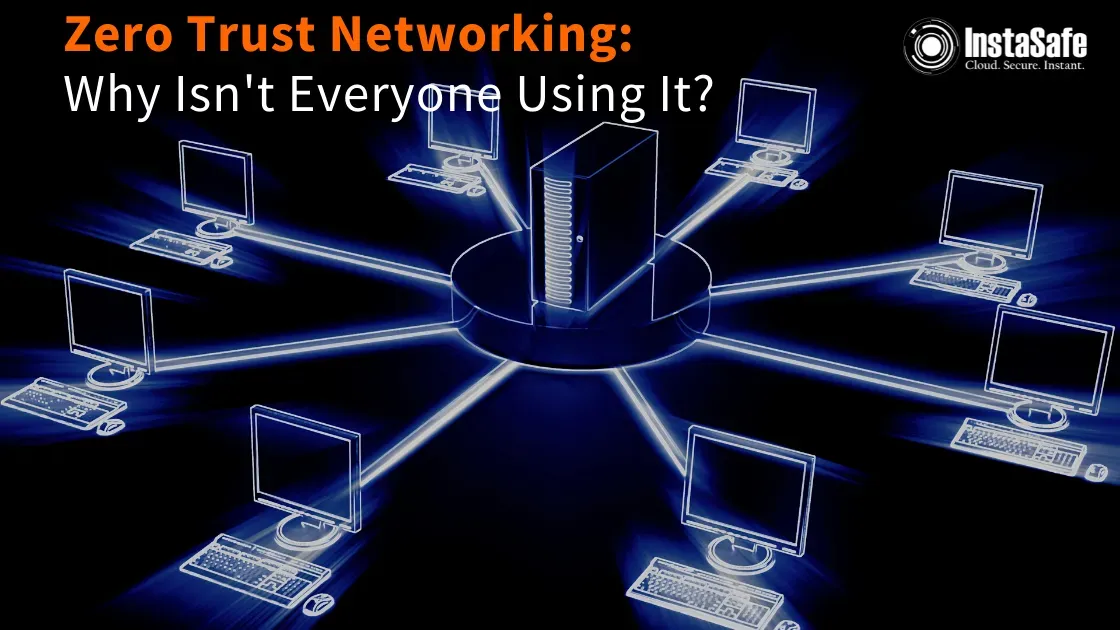
Begin by cataloging every device, user, and application on your network. You cannot secure what you do not know exists. Use tools like Zscaler or Cisco ISE to map traffic flows and identify shadow IT or legacy systems that lack proper authentication protocols.
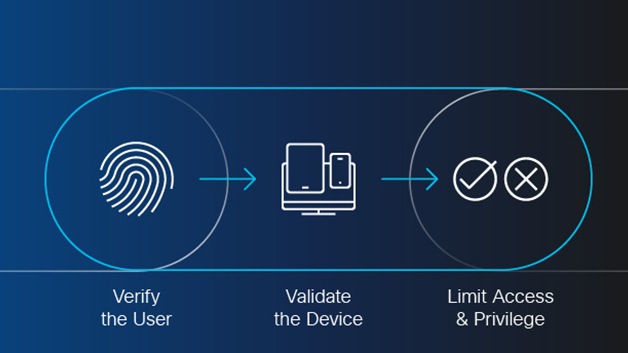
Implement multi-factor authentication (MFA) for all access points. Replace static passwords with dynamic credentials. Tools like Okta or Microsoft Entra ID ensure that only verified identities can reach subnet resources, regardless of their physical location.
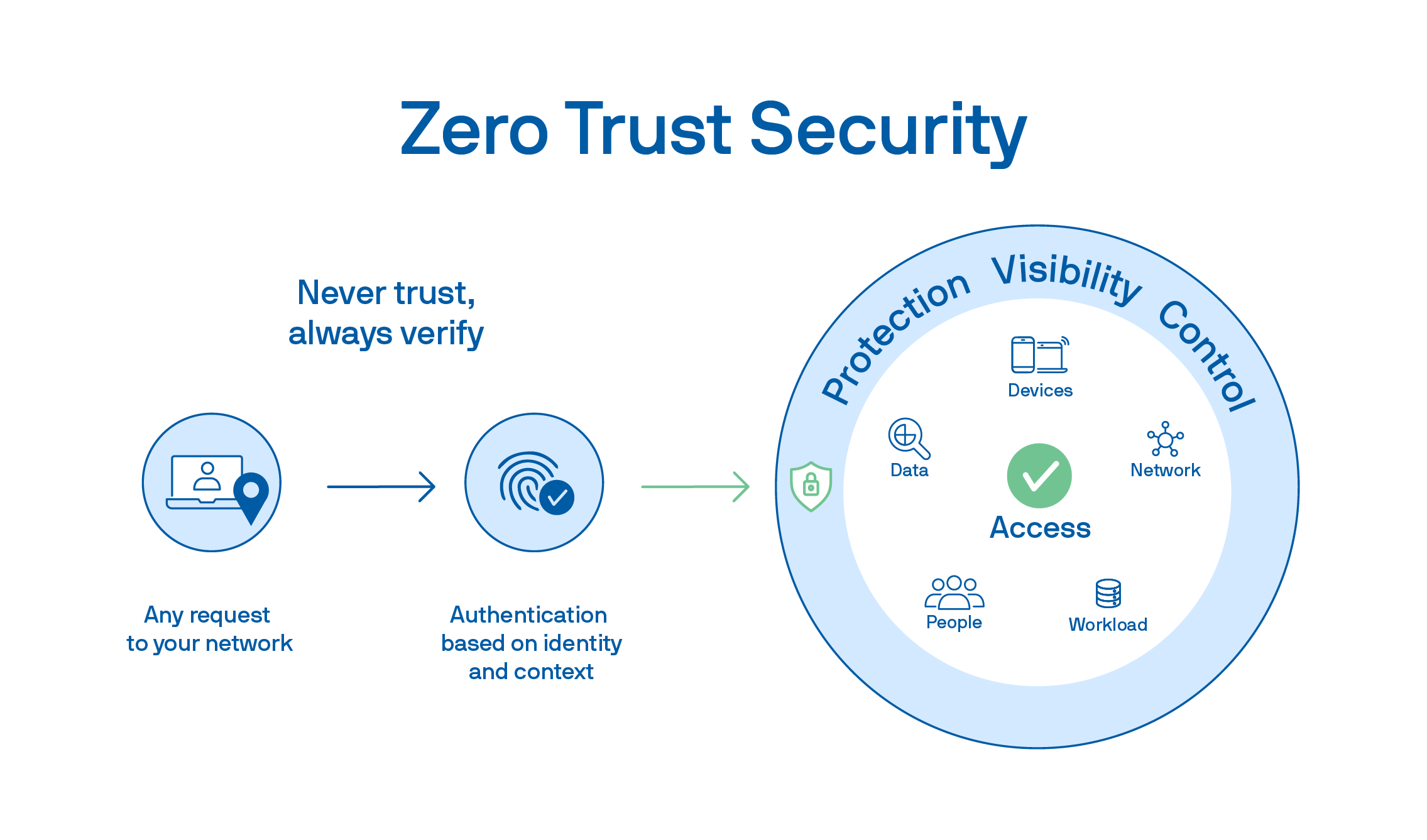
Divide your network into small, isolated zones. Use software-defined perimeters (SDP) to restrict lateral movement. If an attacker compromises one device, they cannot easily pivot to critical servers or sensitive data stores within the same subnet.
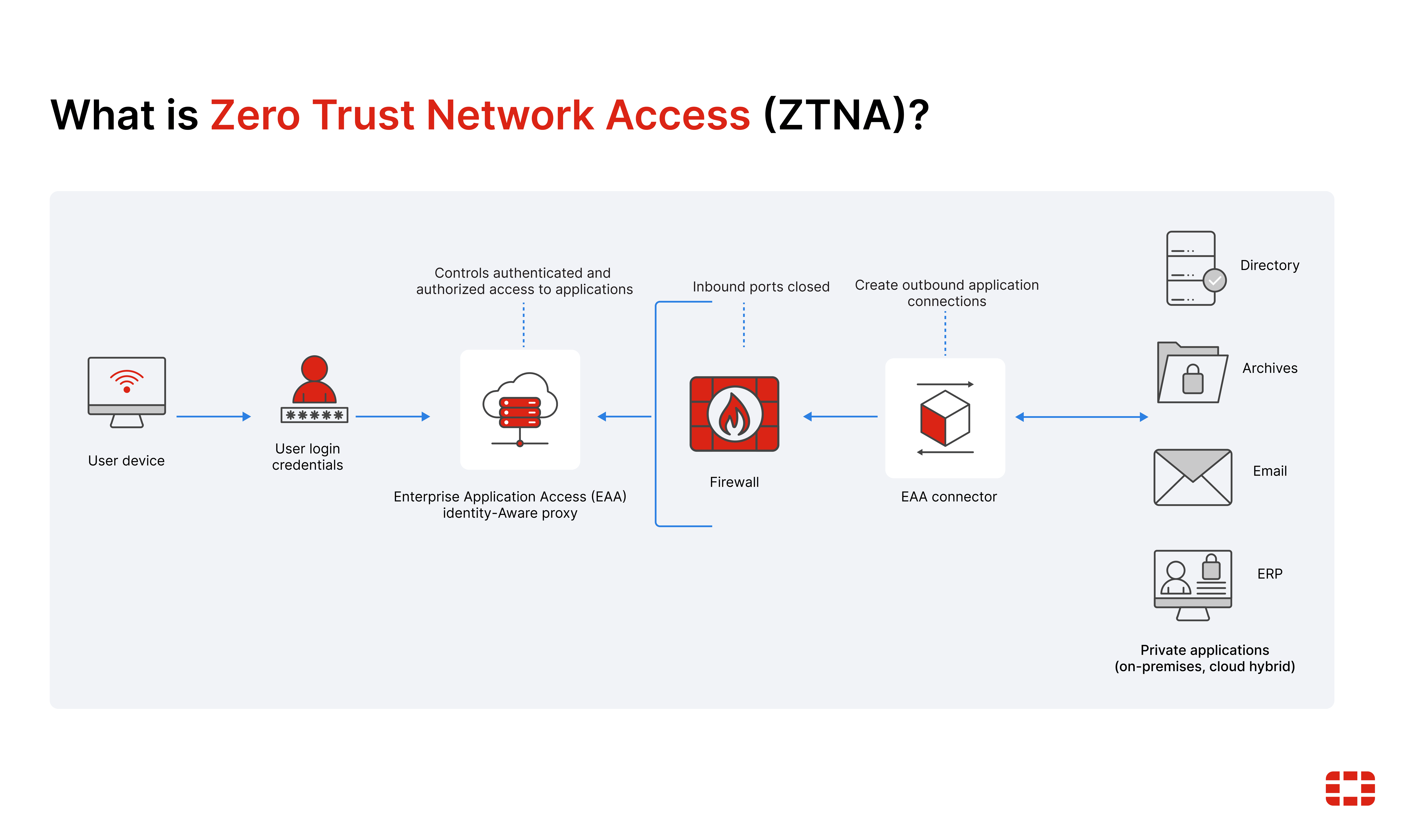
Zero trust is not a one-time setup but an ongoing process. Use SIEM solutions like Splunk or Microsoft Sentinel to monitor traffic anomalies in real time. Continuous evaluation of user behavior and device health allows you to revoke access instantly if suspicious activity is detected.
By following these steps, you build a resilient zero trust architecture that adapts to evolving threats. Focus on identity first, then segment, and finally monitor. This layered approach ensures that your network remains secure even when the perimeter is breached.
Common questions about subnet security
Zero trust architecture shifts the focus from perimeter defense to identity-based verification within every subnet. This section addresses frequent implementation questions to help you choose the right tools for your infrastructure.
No comments yet. Be the first to share your thoughts!