
The 2026 network security landscape
Enterprise cybersecurity has never been more complex, or more critical. As ransomware tactics evolve and attack surfaces expand, the traditional perimeter-based defense model is no longer sufficient. The 2026 network security landscape is defined by a decisive shift toward zero trust architectures and AI-driven defense mechanisms, where every access request is verified regardless of origin.
After years of rapid expansion and tool proliferation, 2026 marks the beginning of a consolidation period. Organizations are moving away from fragmented security stacks toward unified platforms that prioritize automation and control. This shift is not merely about efficiency; it is a response to the sheer volume of alerts and the sophistication of modern threats that overwhelm manual processes.
The urgency of subnet security in this new era stems from the need to segment and isolate critical assets effectively. Zero trust principles ensure that even if a subnet is compromised, lateral movement is restricted. This approach, combined with AI capabilities that detect anomalies in real-time, forms the backbone of modern enterprise defense strategies.
Zero trust micro-segmentation essentials
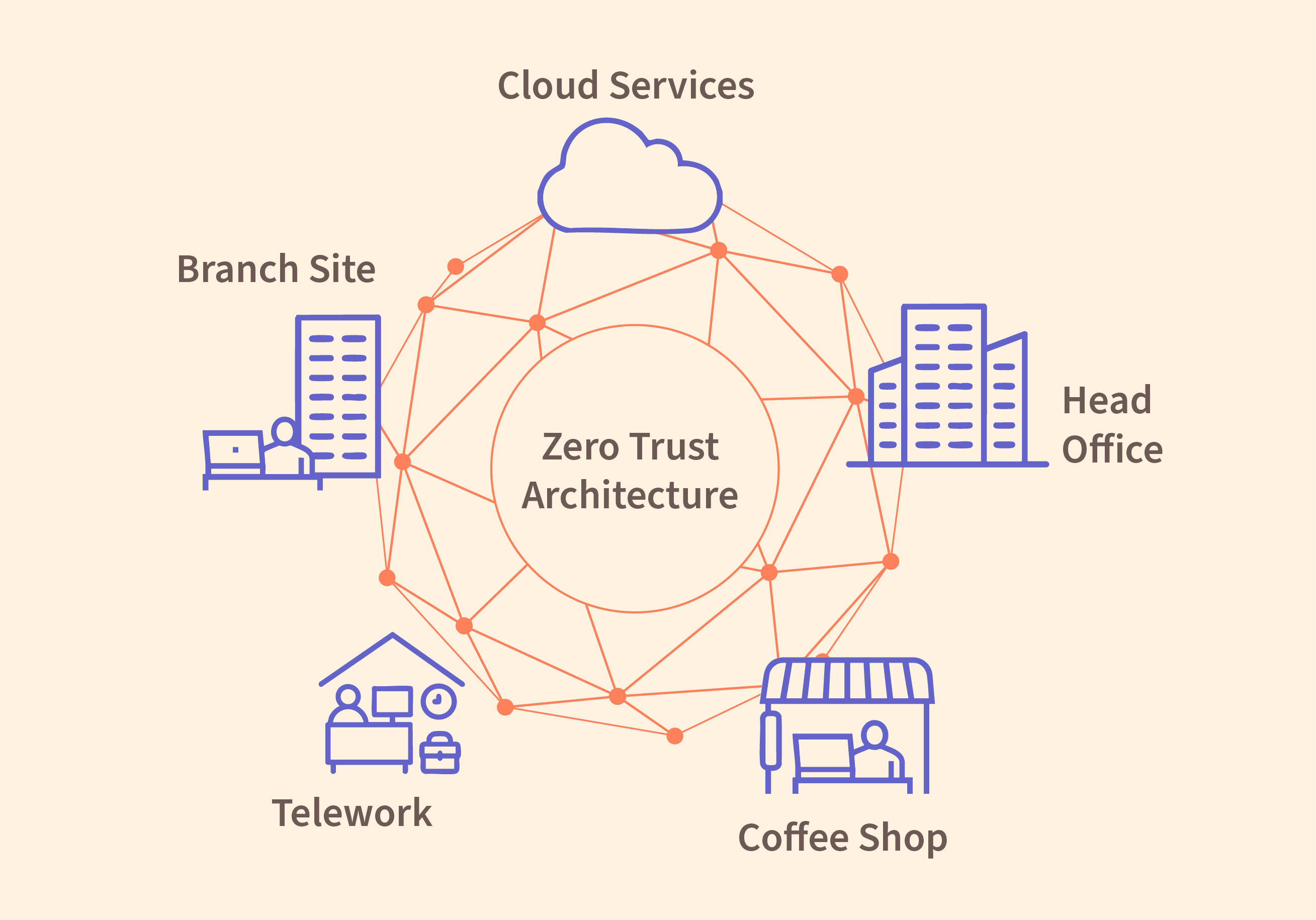
Micro-segmentation shifts the security perimeter from the network edge to the workload level. Instead of trusting any device within the corporate LAN, this approach isolates subnetworks into discrete zones. Each zone enforces strict access controls, ensuring that a breach in one area cannot spread to adjacent systems. This containment strategy is central to zero trust principles, which mandate explicit verification for every connection request regardless of origin.
The architecture relies on identity-aware policies rather than IP addresses. By tagging workloads with unique identifiers, security teams can define rules that allow only necessary communications. For example, a web server might only communicate with a specific database backend, blocking all other traffic. This granular control limits lateral movement, a common tactic used by ransomware groups to encrypt entire networks.
Implementing micro-segmentation requires visibility into application dependencies. Security teams must map how services interact before enforcing restrictions. Without this map, policies may inadvertently block legitimate business functions. Tools from vendors like Palo Alto Networks and Fortinet provide integrated platforms to automate this discovery and enforcement process. These solutions help enterprises manage complexity while maintaining compliance with evolving regulatory standards.
AI-driven threat detection in subnets
AI-driven threat detection in subnets has moved from theoretical promise to operational necessity. As network perimeters dissolve under zero-trust architectures, traditional signature-based tools struggle to keep pace with the volume and velocity of modern traffic. AI models now analyze telemetry data across the entire subnet, identifying subtle anomalies that indicate lateral movement or data exfiltration before they escalate into full breaches.
The challenge is compounded by internal adoption of generative tools. Recent industry observations note that 41% of employees now use AI web tools, creating new security blind spots in enterprise networks. These tools often bypass traditional inspection points, generating encrypted traffic that looks benign but may be exfiltrating sensitive data. AI-driven threat detection systems must now distinguish between legitimate AI-assisted work and malicious data leakage, requiring continuous model retraining on fresh subnet telemetry.
Leading providers like Palo Alto Networks and CrowdStrike have integrated these capabilities into their core platforms, offering real-time behavioral analysis rather than static rule matching. This shift allows security teams to detect zero-day exploits and insider threats based on deviation from established baseline behaviors within each subnet. The result is a dynamic defense posture that adapts to the evolving threat landscape without constant manual intervention.
Next-gen firewall configuration for 2026
Configuring next-generation firewalls for 2026 requires moving beyond perimeter defense to enforce strict identity-based access controls. As distributed workforces and cloud-native applications become the norm, the primary goal is to support micro-segmentation and zero trust principles. This means verifying every request, regardless of its origin, before allowing communication between network segments.
When selecting a vendor, organizations should evaluate capabilities in AI-driven threat detection, automated policy management, and native integration with identity providers. The following comparison highlights three leading solutions based on their deployment scale, AI integration depth, and zero trust readiness.
| Vendor | Deployment Scale | AI Integration | Zero Trust Readiness |
|---|---|---|---|
| Palo Alto Networks | Enterprise-wide | Deep Learning Cortex | Full NGFW & Prisma |
| Fortinet | Global/Edge | FortiAI Botnet | SDP & SASE |
| Check Point | Hybrid Cloud | RASP & ThreatGrid | Quantum Security |
Palo Alto Networks remains a standard for large enterprises due to its comprehensive Cortex XDR integration, which correlates firewall logs with endpoint and cloud data. Fortinet offers a cost-effective alternative for organizations with extensive edge deployments, leveraging its ASIC hardware for high-throughput AI inspection. Check Point provides strong hybrid cloud support, particularly useful for regulated industries requiring strict data sovereignty and granular policy enforcement.
Effective configuration involves defining explicit allow rules for each micro-segment rather than relying on broad default-allow policies. Regular audits of these rules ensure that access rights align with current business needs, reducing the attack surface. For detailed feature comparisons, refer to recent analyses from Check Point and Firewalls.com.
Subnetwork isolation best practices
Effective subnetwork isolation is the foundation of enterprise subnet security. By segmenting networks, organizations limit lateral movement for attackers and contain breaches before they spread. In 2026, with rising ransomware threats and complex remote workforces, rigid network boundaries are no longer optional—they are a compliance necessity.
Implementing these steps ensures your infrastructure aligns with Zero Trust principles and regulatory expectations.
Begin by mapping all current subnets, devices, and traffic flows. Identify legacy systems that do not fit into modern segmentation models. This audit reveals blind spots where data might be unnecessarily exposed to broader network segments.
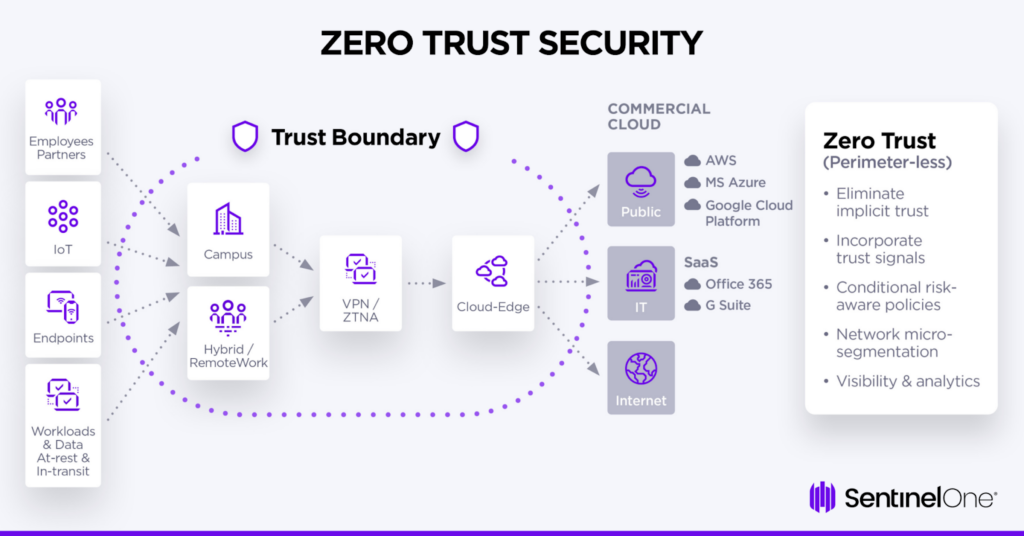
Apply strict access controls between subnets based on least-privilege principles. Use Zero Trust frameworks to verify every request, regardless of its origin. This prevents unauthorized communication between critical assets and less secure zones, such as guest Wi-Fi or IoT devices.
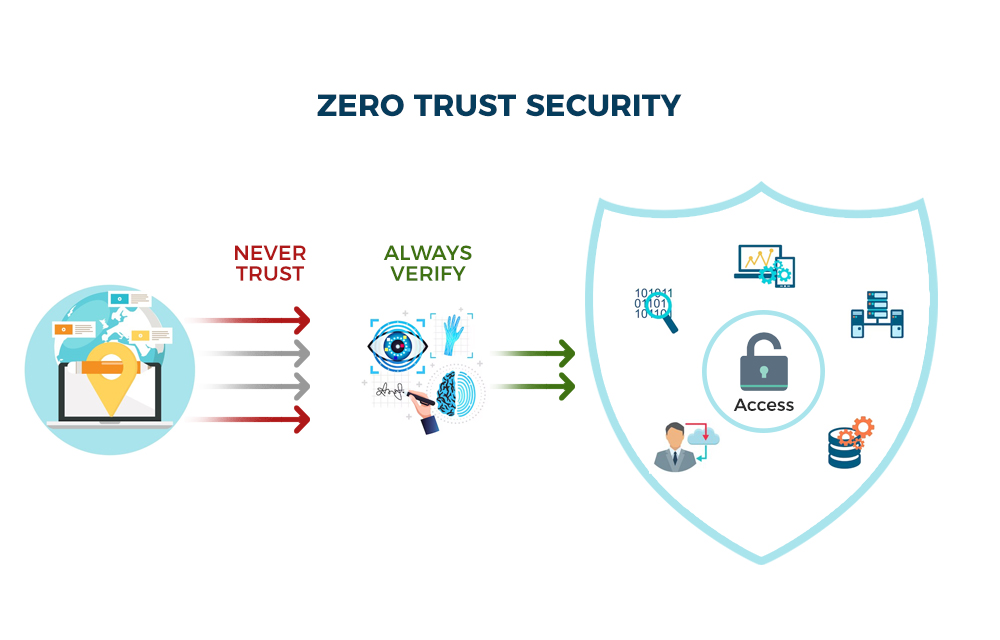
Replace traditional perimeter firewalls with next-generation solutions that inspect deep packet traffic. Configure these firewalls to enforce segmentation policies at the subnet level, ensuring that only authorized protocols and ports are active between segments.
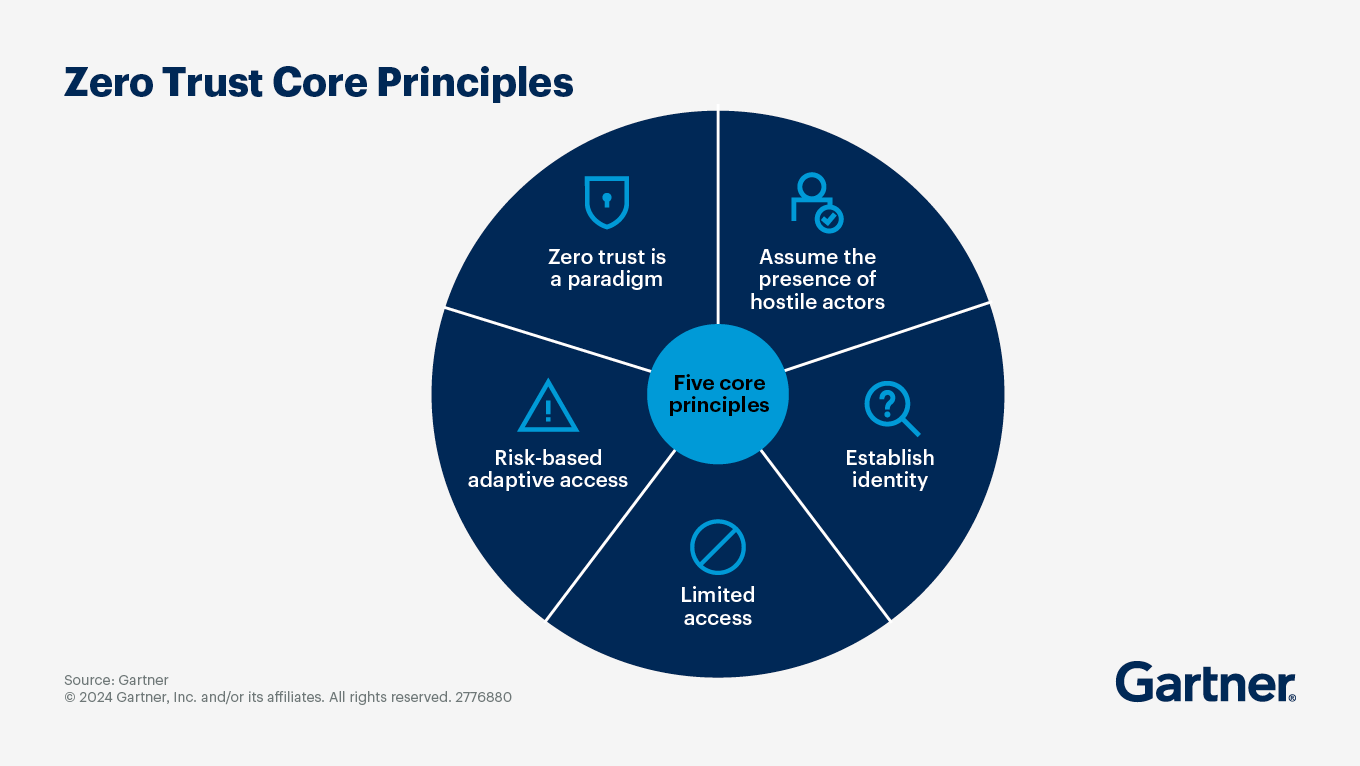
Implement continuous monitoring using AI-driven security tools to detect anomalies in subnet traffic. These systems can identify subtle signs of lateral movement or data exfiltration that traditional logs might miss, allowing for rapid incident response.
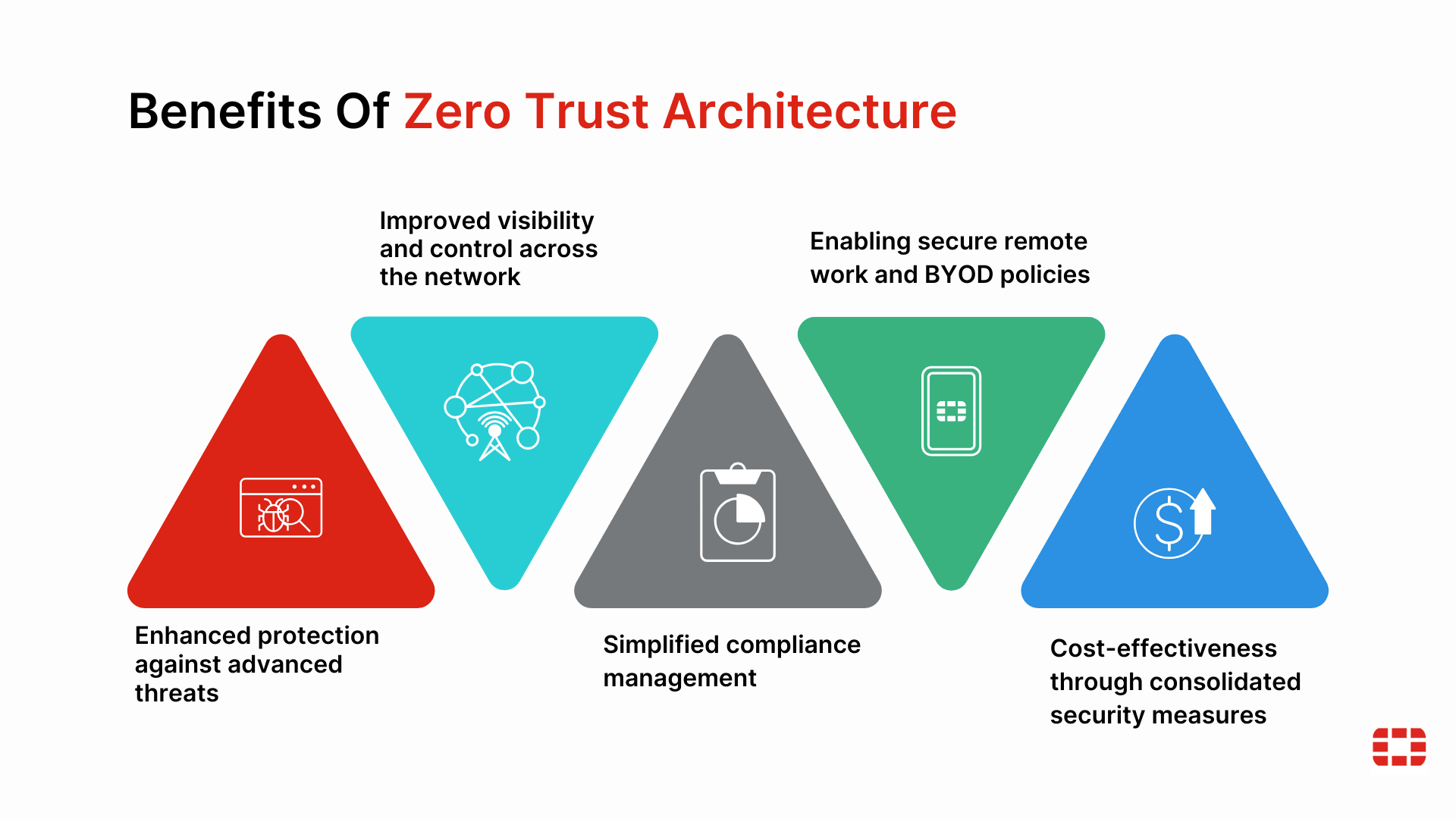
Regularly test your segmentation strategies through penetration testing and red team exercises. Update isolation rules as new applications are deployed or network architectures change. This ensures that your security posture remains robust against evolving threats in 2026 and beyond.
Timeline of network security trends
Enterprise subnet security has shifted from perimeter-based defense to continuous, identity-aware verification. The following milestones highlight how regulatory pressure and technological maturity have reshaped the landscape through 2026.
2020–2021: Regulatory Foundations NIST Special Publication 800-207 formalized Zero Trust Architecture (ZTA) as the standard for federal networks. This period saw the first major enterprise migrations away from implicit trust models, driven by the remote work surge and the SolarWinds supply chain attack.
2022–2023: AI Integration and Automation Organizations began embedding AI into network monitoring tools to detect anomalies in real time. The focus shifted to automating response workflows, reducing the mean time to contain (MTTC) threats across complex hybrid environments.
2024–2025: Consolidation and Control As tool sprawl peaked, vendors started integrating disparate security functions into unified platforms. The emphasis moved toward simplifying subnet segmentation policies and ensuring consistent enforcement across cloud and on-premise assets.
2026: Unification and Automation 2026 marks the beginning of a consolidation period defined by unification, automation, and control. Enterprises are now prioritizing platforms that offer end-to-end visibility and automated policy enforcement, reducing reliance on manual configuration and fragmented point solutions.
"After years of expansion and tool proliferation, 2026 will mark the beginning of a consolidation period defined by unification, automation, and control." — AlgoSec, State of Network Security 2026
Frequently asked questions about enterprise subnet security
How does zero trust apply to subnet segmentation?
Zero trust treats every subnet as a hostile zone, regardless of whether it is internal or external. Instead of trusting traffic based on its origin IP, organizations enforce strict identity verification and least-privilege access for every connection between subnets. This approach prevents lateral movement by attackers who breach the perimeter, ensuring that a compromised host in one subnet cannot automatically access resources in another.
What are the biggest enterprise network security challenges in 2026?
Current industry analysis highlights ransomware complexity and tool proliferation as primary concerns. The 2026 landscape is shifting toward consolidation, automation, and unified control to manage the expanding attack surface. Security teams are prioritizing integrated solutions that reduce manual configuration errors and provide real-time visibility across all network segments.
Which firewall features are most critical for 2026?
Modern enterprise firewalls must support deep packet inspection, automated threat intelligence integration, and seamless zero trust policy enforcement. Legacy perimeter-only defenses are insufficient for distributed workforces. Leading vendors like Palo Alto Networks and Fortinet are focusing on features that enable granular micro-segmentation and AI-driven anomaly detection to protect critical subnet assets.
How do remote teams impact subnet security?
Remote access expands the traditional network boundary, making subnet isolation more complex. Secure access service edge (SASE) architectures are becoming standard to bridge remote users with internal subnets securely. These solutions enforce consistent security policies regardless of user location, ensuring that remote connections are treated with the same scrutiny as on-premises traffic.
No comments yet. Be the first to share your thoughts!