
Why legacy subnetting fails in 2026
The traditional security model relied on a simple assumption: if a device or user was inside the corporate perimeter, they were safe. This "trust but verify" approach built a moat around the network, assuming that anything inside the castle walls was benign. That logic worked when employees sat at desks connected to physical cables and data lived in on-premise servers. Today, that moat is dry and empty.
Modern enterprise environments are distributed. With remote work, cloud infrastructure, and mobile devices, the network perimeter has dissolved. A user in a coffee shop, a container in Kubernetes, and an IoT sensor in a warehouse all connect to the same critical resources. If you still rely on subnetting to define trust, you are essentially locking the front door while leaving every window wide open.
Zero trust architecture 2026 replaces the perimeter with identity. Instead of assuming safety based on location, every access request is treated as if it originates from the open internet. This requires a fundamental shift from "trust but verify" to "never trust, always verify." Every request must be authenticated, authorized, and encrypted before access is granted, regardless of where it comes from.
Continued verification is no longer optional; it is the baseline. By 2026, relying on static network boundaries is a critical vulnerability. Zero trust ensures that trust is never implicit, but always earned through continuous validation of identity, device health, and context.
Map identities and assets before building
Zero trust architecture 2026 relies on precise visibility. You cannot secure what you cannot see. Before deploying any policy engine, you must inventory every user, device, and application that touches your network. This baseline is the foundation for least-privilege access.
Start with identities. List every user account, service account, and third-party credential. Determine which roles require access to which systems. Next, inventory devices. Identify all endpoints, servers, and IoT sensors. Note their operating systems, patch levels, and security posture. Finally, map applications. Document every software asset, its data classification, and its communication paths.
This process reveals shadow IT and redundant access. It also highlights where segmentation is needed. Without this map, your zero trust implementation will be blind and ineffective. Use the checklist below to ensure you have covered all critical assets.
-
Inventory all user accounts and service principals
-
List every device and its security posture
-
Document all applications and their data flows
-
Identify legacy systems without modern authentication
-
Map network segments and communication paths
Deploy microsegmentation controls
Microsegmentation breaks your flat network into secure zones, stopping attackers from moving laterally even if they breach the perimeter. In a Zero Trust Architecture 2026 model, you treat every workload as a distinct entity that must be verified before communication occurs.
This approach limits the blast radius of any single compromise. Instead of granting broad network access, you enforce identity-based policies that restrict traffic to only what is explicitly required.
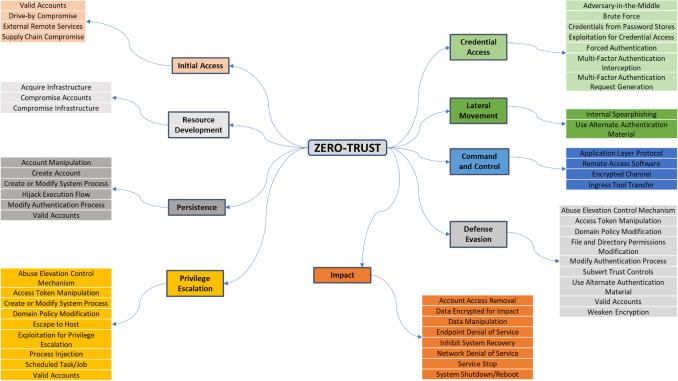
Identify all east-west traffic patterns across your infrastructure. Use network monitoring tools to capture baseline communication between servers, databases, and applications. This map reveals which connections are essential and which are legacy artifacts that can be blocked.
Group workloads into logical segments based on function, sensitivity, or user role. Create micro-perimeters around high-value assets like customer databases and payment processing systems. Each zone operates independently, ensuring that a breach in one area does not automatically expose others.
Shift from IP-based rules to identity-centric policies. Verify the identity of every user, device, and application before allowing access to a zone. Use short-lived credentials and continuous authentication to ensure that trust is never assumed, aligning with Zero Trust Architecture 2026 best practices.
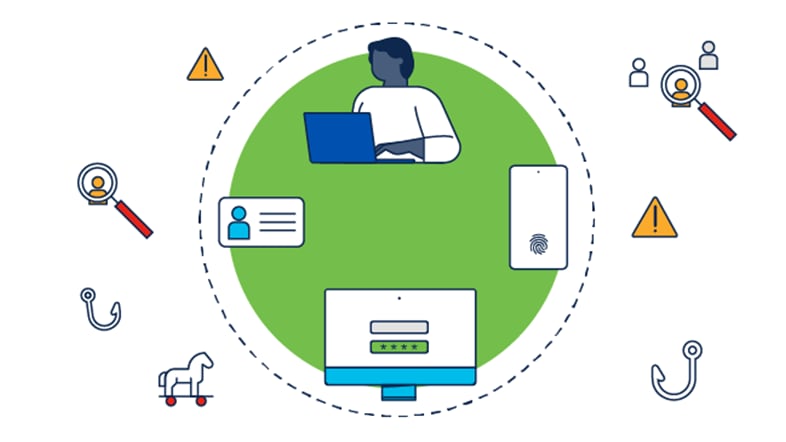
Apply strict access controls that grant only the minimum permissions necessary for a task. Deny all traffic by default and explicitly allow only verified communications. Regularly audit these policies to remove unnecessary privileges and reduce the attack surface.
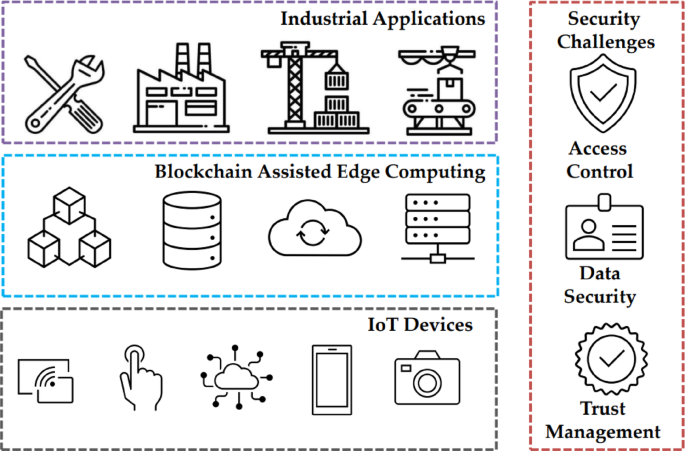
Deploy continuous monitoring to detect anomalies in traffic patterns or policy violations. Use automated tools to validate that microsegmentation controls are functioning as intended. Adjust policies in real-time based on threat intelligence and behavioral analysis to maintain effective security posture.
Choose the right zero trust frameworks
Selecting a framework is the foundation of your zero trust architecture 2026 implementation. The goal is not to adopt every standard, but to pick one that aligns with your compliance needs and technical maturity. Most organizations start with NIST for its comprehensive, vendor-neutral approach, while others prefer CSA for cloud-specific guidance or ISO for international certification.
Use the comparison below to evaluate which framework fits your immediate operational context. Each has distinct strengths regarding documentation depth, industry adoption, and implementation complexity.
| Framework | Primary Focus | Best For | Complexity |
|---|---|---|---|
| NIST SP 800-207 | Comprehensive technical implementation | Government and regulated enterprises | High |
| CSA Zero Trust Cloud Model | Cloud-native security | SaaS and hybrid cloud environments | Medium |
| ISO/IEC 27001 | Information security management | International compliance and certification | Medium |
| CISA Zero Trust Maturity Model | Federal government adoption | US public sector and contractors | High |
Verify continuous monitoring and access
Zero trust architecture 2026 is not a one-time configuration. It is a continuous process of verification and adaptation. Once you have deployed identity and network controls, the work begins. You must ensure that every access request is evaluated in real time against current risk signals.
The Department of Defense’s implementation guidelines emphasize that continuous monitoring is the engine that keeps your security posture effective. Without it, your initial setup becomes stale, and vulnerabilities emerge as your environment changes. You need to track user behavior, device health, and network anomalies as they happen.
Start by integrating your identity provider with your security information and event management (SIEM) system. This allows you to correlate login attempts with threat intelligence feeds. If a user logs in from an unusual location or a compromised device, the system should automatically revoke access or require step-up authentication.
Regularly review access policies to ensure they align with current business needs. Remove permissions that are no longer necessary. This principle of least privilege must be enforced dynamically, not just during onboarding. Continuous verification ensures that your zero trust architecture remains resilient against evolving threats.
Recommended zero trust tools and vendors
Selecting the right zero trust architecture 2026 stack depends on your existing infrastructure. Most organizations start with a single vendor for identity and access management before expanding to network segmentation and endpoint security. The market has matured, offering specialized tools that integrate tightly with cloud environments.
When evaluating vendors, prioritize solutions that support continuous verification and automated policy enforcement. Look for platforms that offer a unified dashboard for monitoring user behavior and risk levels across hybrid environments.
For foundational learning and implementation guides, these resources provide practical frameworks for building a secure perimeterless network.
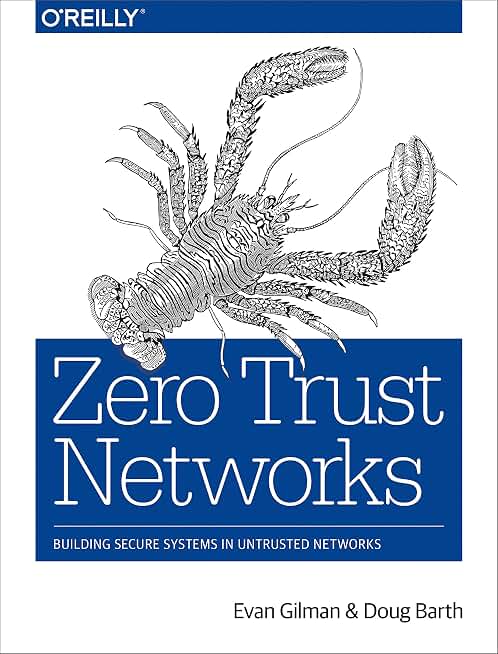

As an Amazon Associate, we may earn from qualifying purchases.
Frequently asked questions about zero trust
Zero trust architecture 2026 is no longer a theoretical concept but a standard operational requirement for modern security. As organizations migrate away from perimeter-based defenses, common questions arise regarding implementation, acceptance, and future trends. The following answers address the most frequent queries from security leaders and IT administrators.
Implementing zero trust architecture 2026 requires a shift in mindset from perimeter defense to continuous verification. By focusing on these core principles, organizations can significantly reduce their attack surface and improve overall security posture.
No comments yet. Be the first to share your thoughts!