
The 2026 zero trust mandate
The regulatory landscape for 2026 has shifted from encouraging AI-driven network segmentation to requiring it. Static subnet architectures, once sufficient for basic perimeter defense, are now viewed as non-compliant in many jurisdictions. Regulators recognize that static rules cannot keep pace with the velocity of modern threats, making dynamic, AI-enabled segmentation a baseline requirement for operational legitimacy.
This shift is most visible in the public sector. New security mandates for K–12 environments and state agencies now explicitly require network segmentation alongside multi-factor authentication and identity verification. These mandates reflect a broader 2026 consensus: AI strategy in cybersecurity is no longer about experimentation or pilot projects. It is about execution at scale to meet compliance obligations.
Organizations relying on legacy segmentation tools face immediate operational risk. The 2026 public sector cyber outlook highlights that states are introducing stricter enforcement mechanisms for these mandates. Failure to adopt AI-driven segmentation is no longer just a technical debt issue; it is a regulatory violation that exposes entities to audit failures and loss of funding eligibility.
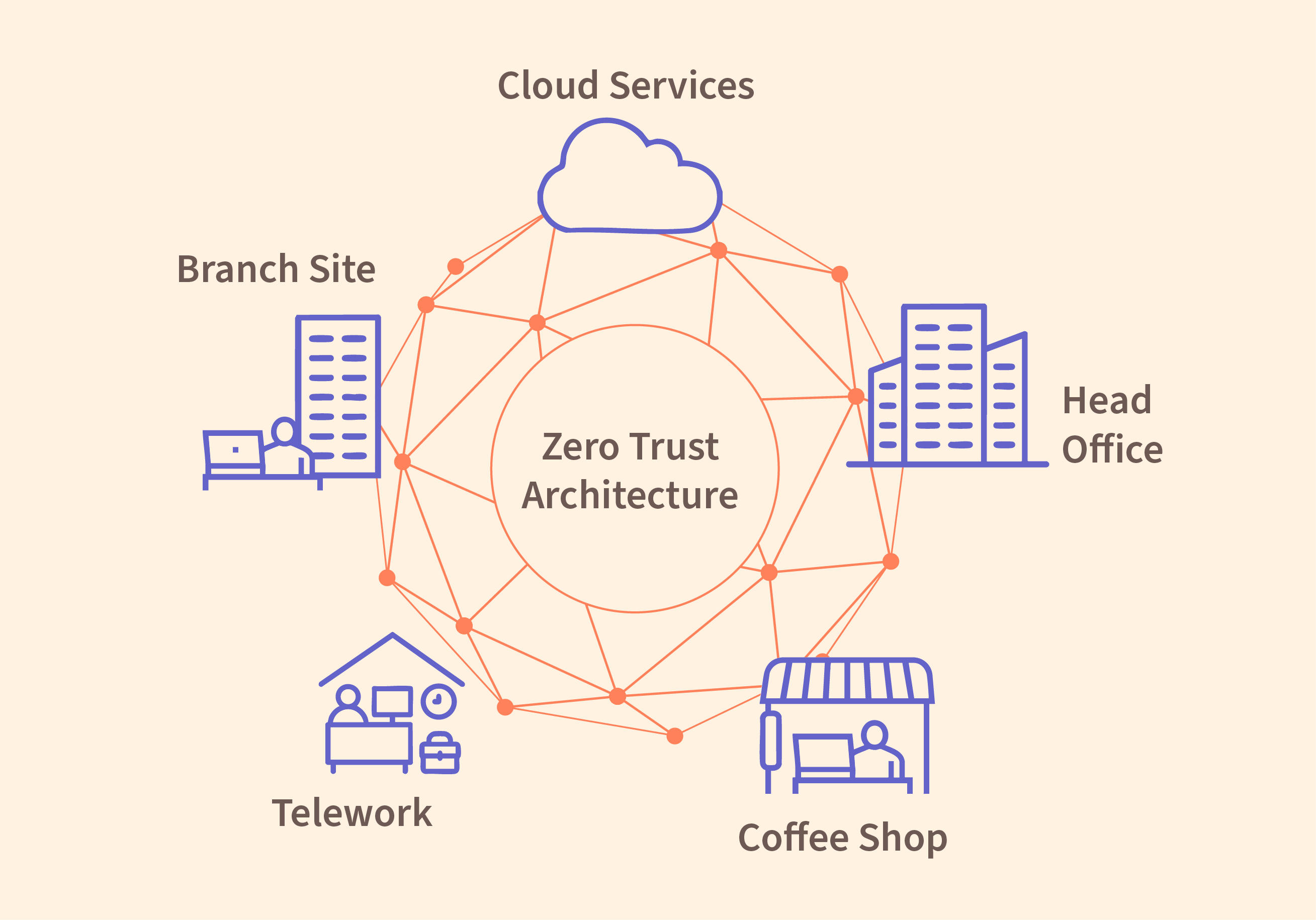
The transition to zero trust is now defined by its ability to adapt. Static policies are obsolete because they cannot dynamically respond to the changing risk profile of every user and device. AI-driven segmentation provides the necessary visibility and automated response capabilities that regulators demand. This is not a optional enhancement but a core component of modern compliance frameworks.
Micro-segmentation Best Practices
Effective micro-segmentation requires granular policy definitions that restrict lateral movement, a critical defense against AI-driven threats in 2026. As AI agents become a primary attack vector, traditional perimeter security is insufficient. Micro-segmentation isolates workloads at the identity or application level, ensuring that even if an AI agent breaches the network, it cannot move laterally to access sensitive data.
Policy Granularity and Automation
NIST guidelines emphasize that zero trust architectures must enforce least-privilege access. This means policies should be defined by identity and context, not just IP addresses. AI-driven network segmentation 2026 leverages machine learning to automate policy creation and enforcement, reducing human error and policy drift. Automated systems can detect anomalies and adjust segmentation rules in real-time, providing dynamic protection that static rules cannot match.
Pre-Deployment Validation Checklist
Before deploying micro-segmentation, validate policies against the following criteria to ensure effectiveness and minimal disruption:
- Identity-Based Policies: Ensure all rules are tied to specific identities or applications, not broad network segments.
- Least Privilege Access: Verify that each workload has only the minimum permissions required to function.
- Automated Enforcement: Confirm that AI-driven tools are actively monitoring and enforcing policies in real-time.
- Lateral Movement Prevention: Test that segmentation blocks unauthorized movement between isolated workloads.
- Policy Drift Detection: Implement continuous monitoring to detect and correct deviations from approved policies.
Comparing Top AI-Driven Network Segmentation Tools
Selecting the right AI-driven network segmentation 2026 solution requires evaluating how well each platform handles agentless deployment, legacy device support, and automated policy enforcement. The following comparison highlights four leading tools based on current market data and vendor specifications.
Comparison Table
| Tool | AI Capability | Deployment Model | Legacy Support |
|---|---|---|---|
| Ordr | Automated policy enforcement | Agentless | High |
| Tufin | Anomaly detection | Hybrid | Medium |
| Tenable | Vulnerability prioritization | Agent-based | Low |
| Cisco Secure | Behavioral analysis | Cloud-native | Medium |
Key Evaluation Criteria
When assessing these tools, organizations should prioritize agentless architectures for faster deployment and reduced overhead on legacy infrastructure. AI capabilities must extend beyond basic reporting to include real-time anomaly detection and automated policy enforcement. Legacy support is critical for environments with older hardware that cannot run modern agents.
Recommendation
For enterprises seeking immediate implementation with minimal disruption, Ordr’s agentless approach offers a clear advantage. Tufin provides robust hybrid options for complex, multi-cloud environments, while Tenable and Cisco Secure cater to organizations already invested in their respective ecosystems. The choice ultimately depends on existing infrastructure and specific compliance requirements.
Managing Policy Sprawl and Drift
The operational burden of zero trust architectures often stems from policy sprawl. As enterprises adopt AI-driven network segmentation 2026 strategies, the volume of micro-segmentation rules can grow exponentially, creating a complex web of permissions that is difficult to audit manually. Without automated oversight, these rulesets become brittle, leading to configuration drift where live traffic no longer matches the intended security posture.
AI addresses this by continuously mapping hybrid networks and detecting anomalies in real time. According to the 2026 State of Network Security report by AlgoSec, organizations are increasingly leveraging AI to surface policy drift and enforce compliance faster than traditional methods allow. This automated visibility ensures that segmentation policies remain aligned with actual application behavior, reducing the risk of over-permissive rules that attackers could exploit.
RSAC 2026 discussions highlight that while zero trust is the correct direction, the operational complexity of managing thousands of micro-segmentation rules requires intelligent automation. By using AI to simplify policy management, security teams can focus on strategic threats rather than manual rule adjustments, ensuring that the network remains secure as it scales.
No comments yet. Be the first to share your thoughts!