
Zero Trust Architecture 2026 Budget
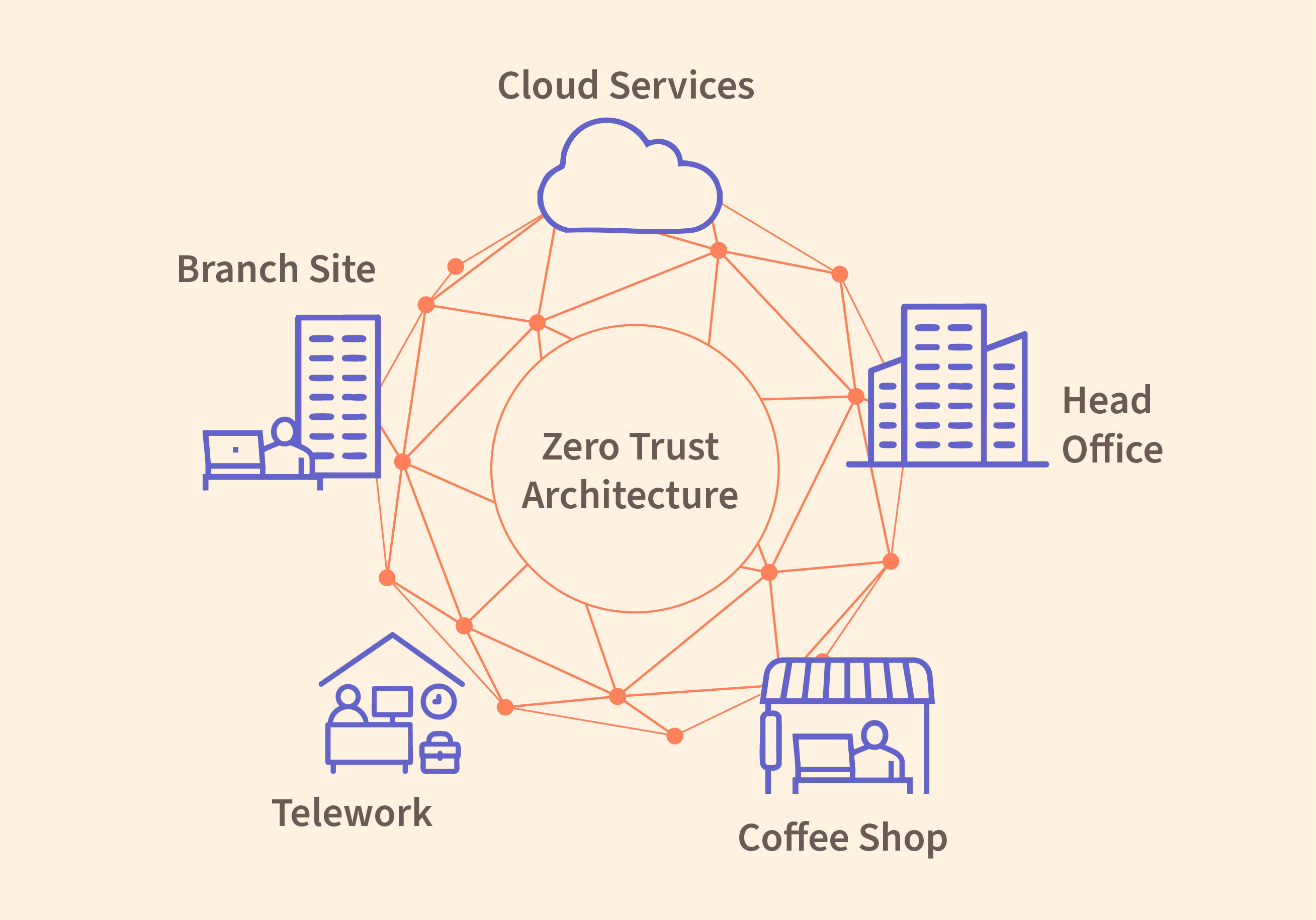
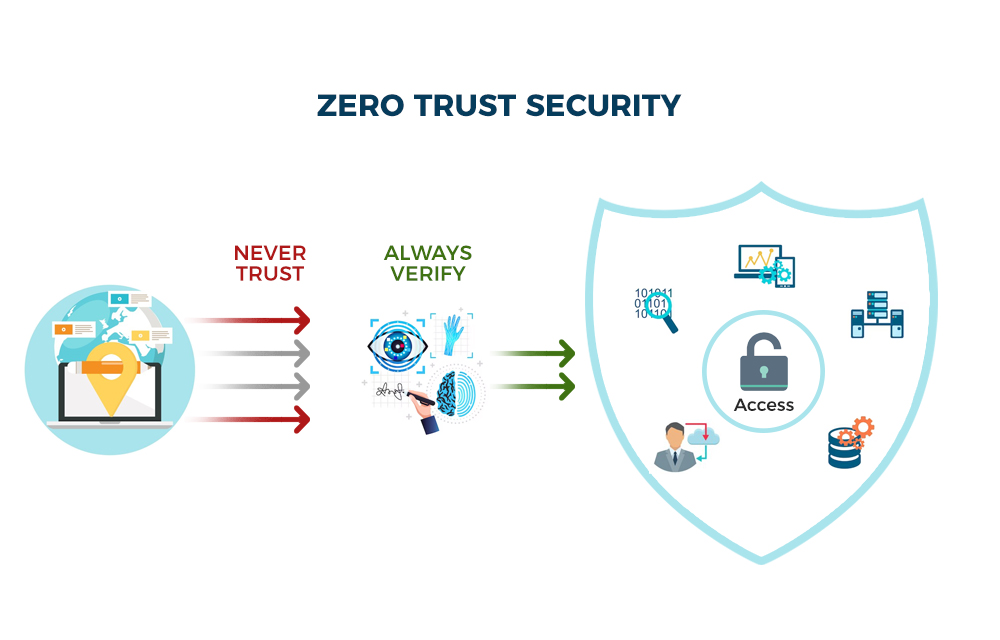
Building a zero trust architecture (ZTA) in 2026 requires balancing upfront licensing costs with the hidden expenses of identity management and micro-segmentation. Unlike legacy perimeter security, ZTA demands continuous verification, which shifts budget focus from hardware firewalls to software-defined identity and policy engines.
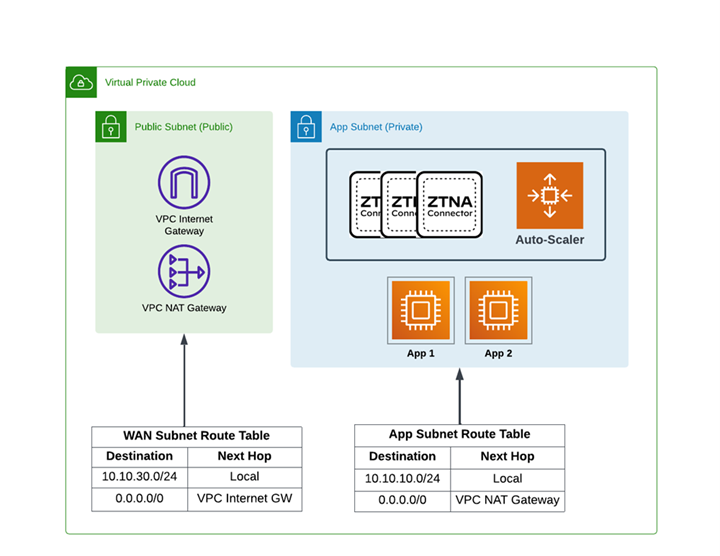
For smaller enterprises, the entry point is often a consolidated platform that bundles network access control (NAC) with endpoint detection. These suites reduce integration overhead but may lack the granular segmentation needed for complex hybrid subnets. Mid-market organizations typically invest in specialized micro-segmentation tools that integrate with existing cloud infrastructure, ensuring that workload isolation does not stall development velocity.
The most significant cost driver is not the software license, but the operational complexity. Implementing zero trust requires mapping every user, device, and application relationship. Without automated discovery tools, this manual mapping can consume months of engineering time. Prioritize solutions that offer pre-built integration templates for your specific hybrid stack to avoid custom coding costs.
When selecting vendors, look for transparent pricing models that scale with identity count rather than device count. This aligns costs with actual security coverage. Avoid platforms that charge per-segment if your network topology is fluid, as dynamic environments will quickly inflate your bill.


As an Amazon Associate, we may earn from qualifying purchases.
Evaluate these components based on your current infrastructure maturity. If your identity management is fragmented, start with governance tools. If your network is flat, prioritize segmentation. This phased approach prevents budget overruns and ensures each layer of zero trust delivers measurable risk reduction.
Compare Zero Trust Architecture Options for 2026
Choosing the right zero trust architecture (ZTA) for hybrid enterprise subnets requires matching specific tool capabilities to your network topology. In 2026, the market has shifted from broad, monolithic suites to specialized micro-segmentation engines and identity-centric gateways. This comparison evaluates the strongest options based on deployment complexity, identity integration depth, and hybrid cloud support.
The following table breaks down the core trade-offs between leading platforms. Use these metrics to filter options that align with your existing infrastructure, whether you are leaning heavily into AWS/Azure or maintaining a complex on-premises footprint.
Selecting a vendor often comes down to whether you prioritize network-level isolation or identity verification. If your hybrid subnets require strict lateral movement prevention, platforms like A.10 Networks offer granular control. For organizations already standardized on cloud identity providers, Ambit or Zscaler may reduce operational overhead by leveraging existing authentication flows.
Inspect the expensive parts
Micro-segmentation fails when you ignore the cost of breaking legacy applications. Before you lock down your hybrid enterprise subnets, audit the three areas where segmentation causes the most expensive downtime.
Legacy apps often rely on implicit trust via broadcast traffic or hardcoded IPs. Use a network flow analyzer to map these hidden dependencies. If you block a broadcast without a replacement, you break the app. Fix the dependency before applying the segment.
Zero trust requires verifying every request. If your identity provider is slow, your micro-segmentation policy becomes a bottleneck. Measure the time between a user request and the policy decision. If latency exceeds 100ms, you need a caching layer or a faster identity provider.
Hybrid environments span on-prem and cloud. Ensure your segmentation tools can inspect traffic moving between these zones. If you can’t see the traffic, you can’t enforce the policy. Test the inspection point with a simulated attack to confirm visibility.
As an Amazon Associate, we may earn from qualifying purchases.
These checks prevent the most common and costly failures. Address them early to ensure your micro-segmentation strategy actually improves security without breaking your business.
Plan for ownership costs
Use this section to make the Zero Trust decision easier to compare in real life, not just on paper. Start with the reader's actual constraint, then separate must-have requirements from details that are merely nice to have. A practical choice should survive normal use, maintenance, timing, and budget. If a recommendation only works in an ideal situation, call that out plainly and give the reader a fallback path.
The simplest way to use this section is to write down the must-have criteria first, then compare each option against those criteria before weighing nice-to-have features.
No comments yet. Be the first to share your thoughts!