
Why static subnets fail modern networks
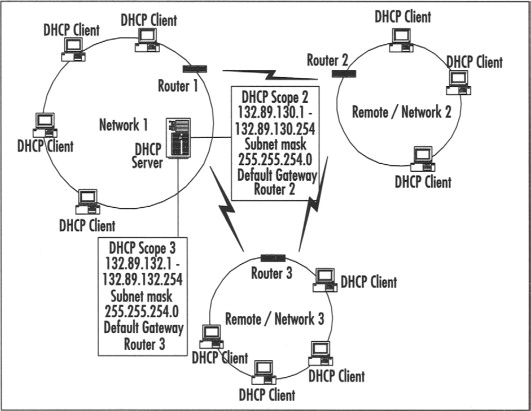
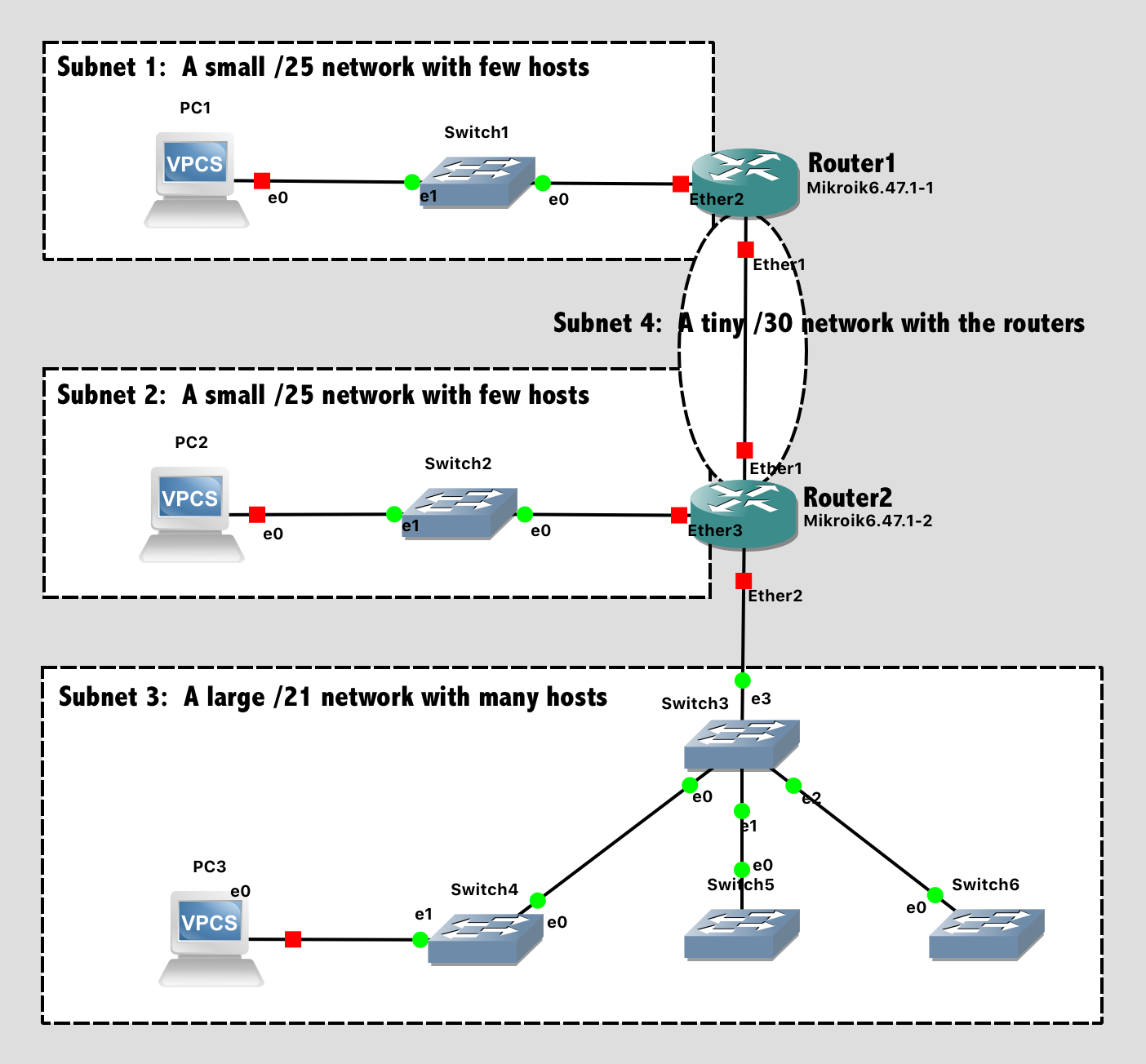
Static subnetting relies on fixed IP address ranges that do not adapt to changing network demands. In this model, administrators manually assign IP addresses to devices, creating a rigid structure that struggles to accommodate the fluid nature of modern enterprise environments. As noted by Auvik, a subnet is simply a range of IP addresses where devices communicate directly without routing, but this simplicity becomes a liability when device density fluctuates.
The primary failure point is the mismatch between static allocation and dynamic user behavior. Employees move between offices, connect via mobile devices, and access cloud resources from varying locations. When a network relies on static subnets, each new device or temporary user requires manual configuration or a pre-assigned IP from a limited pool. This process creates significant management overhead and introduces latency, as IT teams must intervene to resolve address conflicts or exhaustion issues.
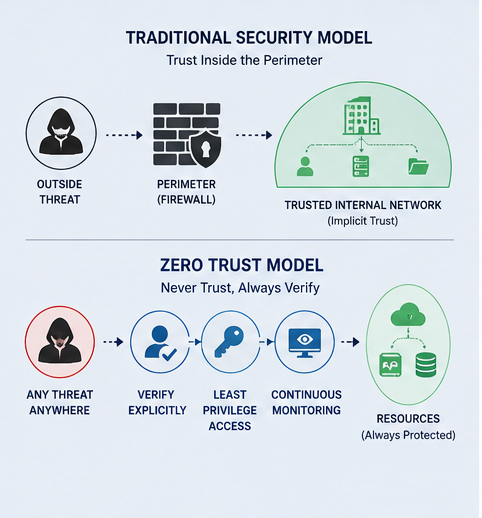
Security gaps emerge from this rigidity. Zero Trust policies often depend on knowing the exact location and identity of a device to grant access. Static subnets obscure real-time device movement because an IP address remains tied to a logical segment rather than the user or device itself. This disconnect makes it difficult to enforce granular, context-aware security controls, leaving the network vulnerable to lateral movement by attackers who exploit the static nature of the IP infrastructure.
How AI adjusts subnets in real time
Static subnetting fails under modern attack conditions. When an intrusion occurs, a static network keeps the attacker inside the same broadcast domain, allowing lateral movement to continue unchecked until a human administrator notices and manually reconfigures the firewall rules. By the time that happens, the threat has already spread.
AI-driven dynamic subnetting solves this by treating network topology as a fluid variable rather than a fixed asset. The system continuously ingests telemetry from endpoints, switches, and routers, building a real-time map of traffic flows. When the AI detects an anomaly—such as a sudden spike in internal scanning or an unusual protocol—it calculates a new subnet boundary that isolates the compromised segment. This reconfiguration happens automatically, pushing the new configuration to the relevant network devices without human intervention.
The process follows a strict four-step cycle: detect, calculate, push, and verify.

This automated cycle transforms subnetting from a static administrative task into a dynamic security control. By adjusting network boundaries in real time, AI prevents attackers from exploiting the predictability of static networks. The result is a network that adapts to threats as they happen, rather than reacting to them after the damage is done.
Static versus dynamic segmentation compared
Traditional static subnetting relies on a fixed topology where network boundaries are defined by physical location or rigid VLAN assignments. In this model, IP addresses and access control lists (ACLs) are manually configured and rarely change. If a user or device moves, the network administrator must manually reconfigure the switch ports or update routing tables to grant access. This approach treats the network as a series of isolated islands, requiring significant administrative overhead to maintain.
Dynamic segmentation, often powered by identity-aware policies, shifts the boundary from the physical port to the user or device identity. Instead of mapping security to an IP address, the system evaluates context—such as role, device health, and location—in real time. When a device connects, the network dynamically assigns it to the appropriate logical segment. This allows for granular, zero-trust access controls that adapt instantly to changes in the environment without manual intervention.
The following table outlines the operational differences between these two models, highlighting the trade-offs in setup, security, and management.
| Feature | Static Subnetting | Dynamic Segmentation |
|---|---|---|
| Setup Complexity | High (manual IP/VLAN config) | Low (policy-based automation) |
| Security Responsiveness | Slow (requires manual reconfiguration) | Instant (real-time policy enforcement) |
| Management Overhead | High (spreadsheet-driven tracking) | Low (centralized identity management) |
| Scalability | Limited (IP exhaustion risks) | High (supports IoT/mobile growth) |
| Visibility | Limited to IP/MAC addresses | Full identity and context awareness |
For mature organizations, the move toward dynamic segmentation is not just an efficiency gain but a security necessity. Static models struggle to keep pace with the velocity of modern threats and the mobility of today's workforce. Dynamic approaches reduce the attack surface by ensuring that access is granted only when necessary and revoked immediately when conditions change.
Deploy automated IP management
Static subnetting creates rigid boundaries that fail to adapt to modern traffic patterns, leaving gaps in your zero-trust posture. Automated IP management resolves this by treating address space as a fluid resource rather than a fixed map. This workflow guides you through integrating dynamic subnetting with your existing DHCP and DNS infrastructure to enforce granular, context-aware access controls.
Before automating, you must understand your baseline. Run a comprehensive audit of your current DHCP leases, DNS records, and static assignments. Identify underutilized subnets, orphaned addresses, and traffic spikes that static masks cannot accommodate. This data forms the input for your automation engine, ensuring that dynamic ranges reflect actual operational needs rather than theoretical capacity.
Choose an automation platform capable of real-time IP analysis and policy enforcement. The engine must integrate directly with your DHCP server (e.g., ISC DHCP, Windows Server DHCP) and DNS (e.g., BIND, Azure DNS) to update records instantly as devices move. Configure the API connections to ensure the engine can read lease status and push new subnet assignments without manual intervention.
Move beyond simple IP ranges. Configure policies that tie subnet assignment to device identity, user role, and security posture. For example, a guest IoT device should be assigned to a high-polation subnet with strict egress rules, while a corporate workstation joins a trusted segment. These policies drive the AI engine to allocate addresses that automatically enforce zero-trust segmentation.
Launch the automation in a monitoring-only mode for the first 48 hours, then switch to active enforcement. Watch for DHCP contention, DNS resolution delays, or policy conflicts. Adjust the subnet size and refresh intervals based on real-time data. This feedback loop ensures the dynamic system remains stable while delivering the agility required for a modern network.
Visualizing dynamic subnet shifts
Static subnetting fails under modern load because it cannot react to real-time traffic anomalies. This video demonstrates how AI-driven logic shifts subnets on the fly, moving workloads away from compromised segments before an attacker can pivot.
Pre-migration checklist for dynamic subnetting
Static IP assignments are brittle. When a device moves or a server scales, the rigid address map breaks. Dynamic subnetting fixes this, but only if you prepare the infrastructure correctly. Use this checklist to ensure your network survives the switch.
- Backup configurations: Export full router and switch configs. You need a rollback path if the new DHCP scope conflicts with existing static routes.
- Test in staging: Deploy the dynamic scope in a non-production VLAN. Verify that lease times and DNS updates propagate as expected before touching production traffic.
- Verify DHCP lease times: Short lease times (e.g., 4 hours) work for guest Wi-Fi. Set longer leases (e.g., 24 hours) for servers and IoT devices to reduce broadcast noise.
- Check DNS integration: Ensure your DNS server is configured to accept dynamic updates. Without this, hostnames will not resolve correctly for new or moved devices.
- Review firewall rules: Static rules based on IP addresses will fail. Migrate critical security policies to use device groups, MAC addresses, or user identities.
Is CIDR still relevant with dynamic subnets?
Static subnetting fails in modern environments because it relies on fixed boundaries that cannot adapt to shifting workloads or security policies. When traffic patterns change or threats emerge, rigid network segments become bottlenecks or vulnerabilities.
Dynamic subnets do not replace CIDR; they use it as the language of change. CIDR notation provides the precise mathematical framework for calculating variable-length subnet masks, allowing automation engines to carve out new logical segments on the fly.
Whether you are managing IPv4 scarcity or IPv6 scale, CIDR remains the standard for efficient address allocation and routing. It ensures that dynamic AI-driven changes remain deterministic, routable, and secure.
No comments yet. Be the first to share your thoughts!