
What zero trust means in 2026
Zero trust architecture (ZTA) is a security framework operating on the principle of "never trust, always verify." It eliminates implicit trust in any user, device, or network connection, regardless of location. In 2026, this shift is the baseline for protecting distributed workforces and cloud-native applications.
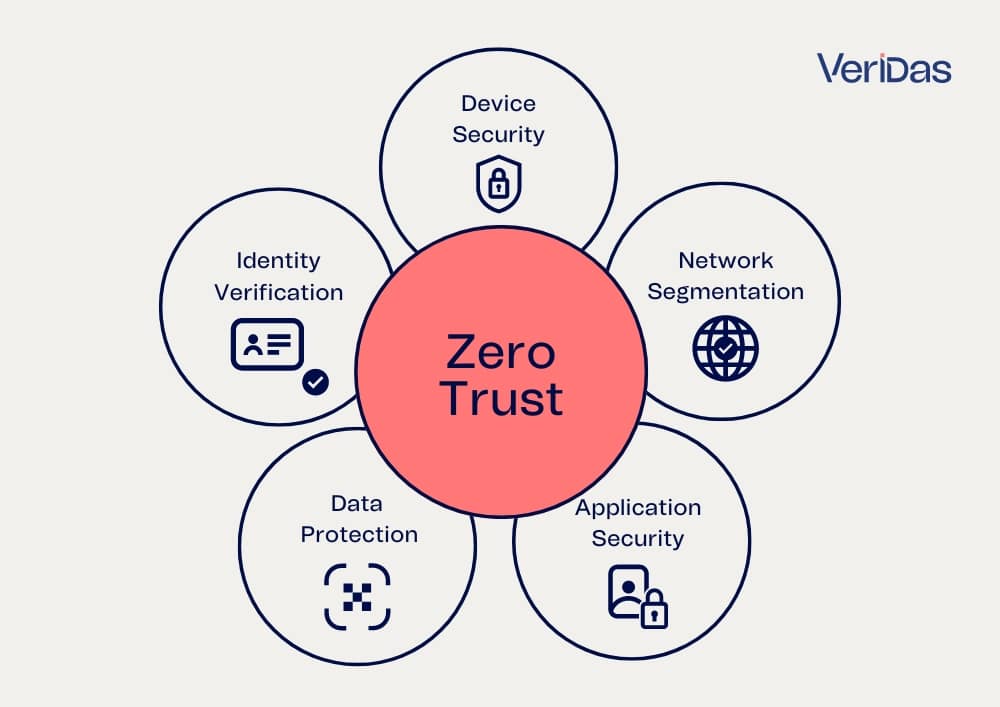
The model replaces the traditional castle-and-moat approach with identity-first verification. Instead of assuming internal network traffic is safe, security tools validate every request based on identity, device health, and context. This granular control is enforced through microsegmentation, which divides the network into small, isolated zones to limit lateral movement by attackers.
By focusing on verification, visibility, and least-privilege access, zero trust helps reduce the attack surface significantly. Security teams now rely on solutions that assess risk in real-time and adjust access permissions dynamically, ensuring users only see the resources they need.
How we picked the best zero trust security tools
We evaluated zero trust security tools based on three practical criteria: ease of integration, microsegmentation capabilities, and compliance support. The goal was to find solutions that work in real-world environments, not just theoretical frameworks.
Ease of integration matters because these tools must connect with existing identity providers, networks, and endpoints. We prioritized solutions offering native integrations with common platforms like Azure AD, Okta, and major cloud providers, reducing deployment time.
Microsegmentation capabilities were assessed by how well each tool isolates workloads and enforces least-privilege access. Strong microsegmentation prevents lateral movement by attackers, limiting damage if a breach occurs. We looked for tools providing granular control over east-west traffic without requiring extensive network reconfiguration.
Compliance support was evaluated against major standards including NIST SP 800-207, ISO 27001, and SOC 2. Tools simplifying audit reporting and demonstrating continuous verification received higher scores, ensuring implementations meet regulatory requirements without excessive manual effort.
Top zero trust frameworks for 2026
Zero trust architecture operates on a single principle: never trust, always verify. Instead of securing the perimeter and assuming everything inside is safe, this model treats every connection as untrusted. Access decisions are based on strict identity verification, device health, and least-privilege access rules.
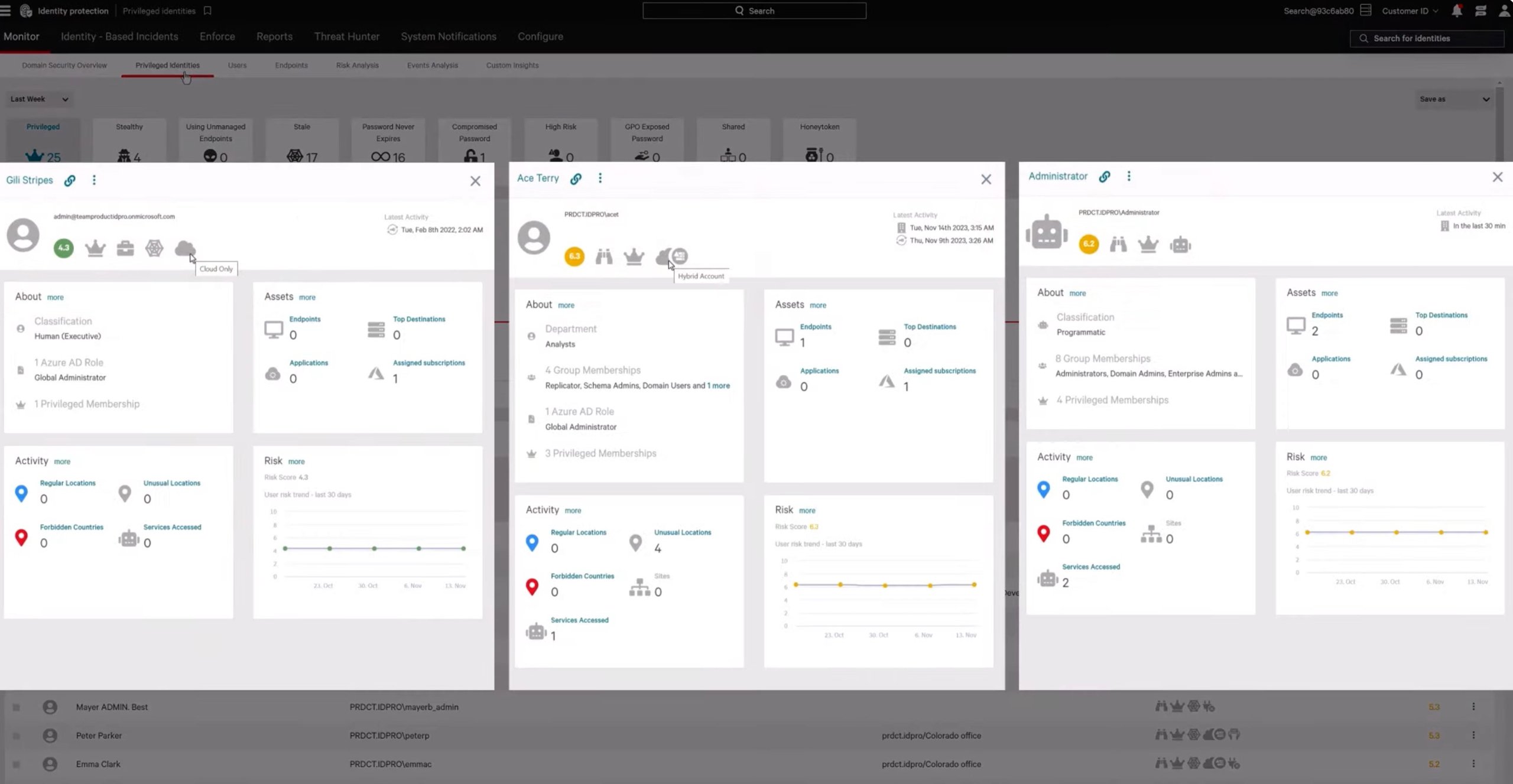
Implementing a zero trust framework requires tools that can inspect traffic, manage identities, and enforce policies dynamically. The following products represent leading solutions for 2026, selected for their ability to handle these complex security demands.

As an Amazon Associate, we may earn from qualifying purchases.
Comparing zero trust security tools
Choosing the right zero trust architecture depends on your specific infrastructure and compliance needs. The following comparison highlights four leading solutions, evaluating their approach to identity verification, microsegmentation, and cloud support.
| Solution | Primary Focus | Deployment Model | Best For |
|---|---|---|---|
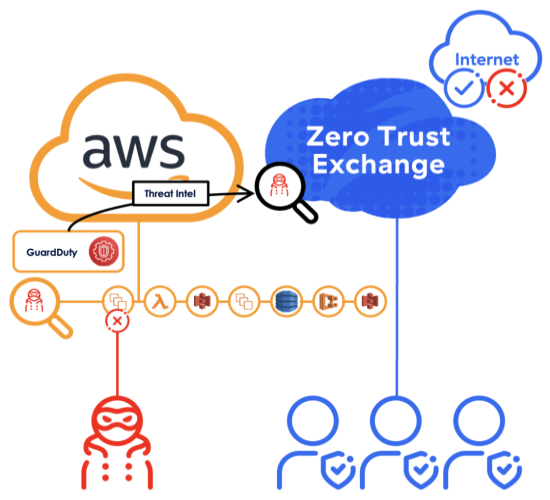
| Zscaler Zero Trust Exchange | Cloud-native microsegmentation | SaaS-only | Enterprises with heavy cloud workloads |
| CrowdStrike Falcon | Identity and endpoint protection | Cloud-managed agent | Organizations prioritizing threat detection |
| Palo Alto Prisma Access | Secure web gateway integration | SaaS or on-prem hybrid | Companies using existing Palo Alto firewalls |
| Illumio | Zero trust microsegmentation | On-prem or cloud agent | Data-centric security in hybrid environments |
Zscaler leads in cloud-native scalability, making it ideal for enterprises migrating fully to SaaS. CrowdStrike excels in identity verification and endpoint visibility, offering robust threat detection alongside access control. Palo Alto’s Prisma Access integrates seamlessly with existing network security investments, while Illumio provides granular microsegmentation for complex hybrid environments.
When evaluating these security tools, consider your current tech stack. If you rely heavily on specific network infrastructure, a solution like Prisma Access may offer easier adoption. For pure cloud-first organizations, Zscaler’s architecture reduces management overhead significantly.
Implementing zero trust in your stack
Deploying zero trust requires shifting from perimeter-based defense to identity-centric verification. The goal is to validate every request as if it originates from an untrusted network, regardless of location. This approach minimizes the attack surface by enforcing least-privilege access at every layer.
Begin by identifying all users, devices, applications, and data assets. You cannot protect what you cannot see. Document every connection point and classify data based on sensitivity to determine which resources require the strictest controls.
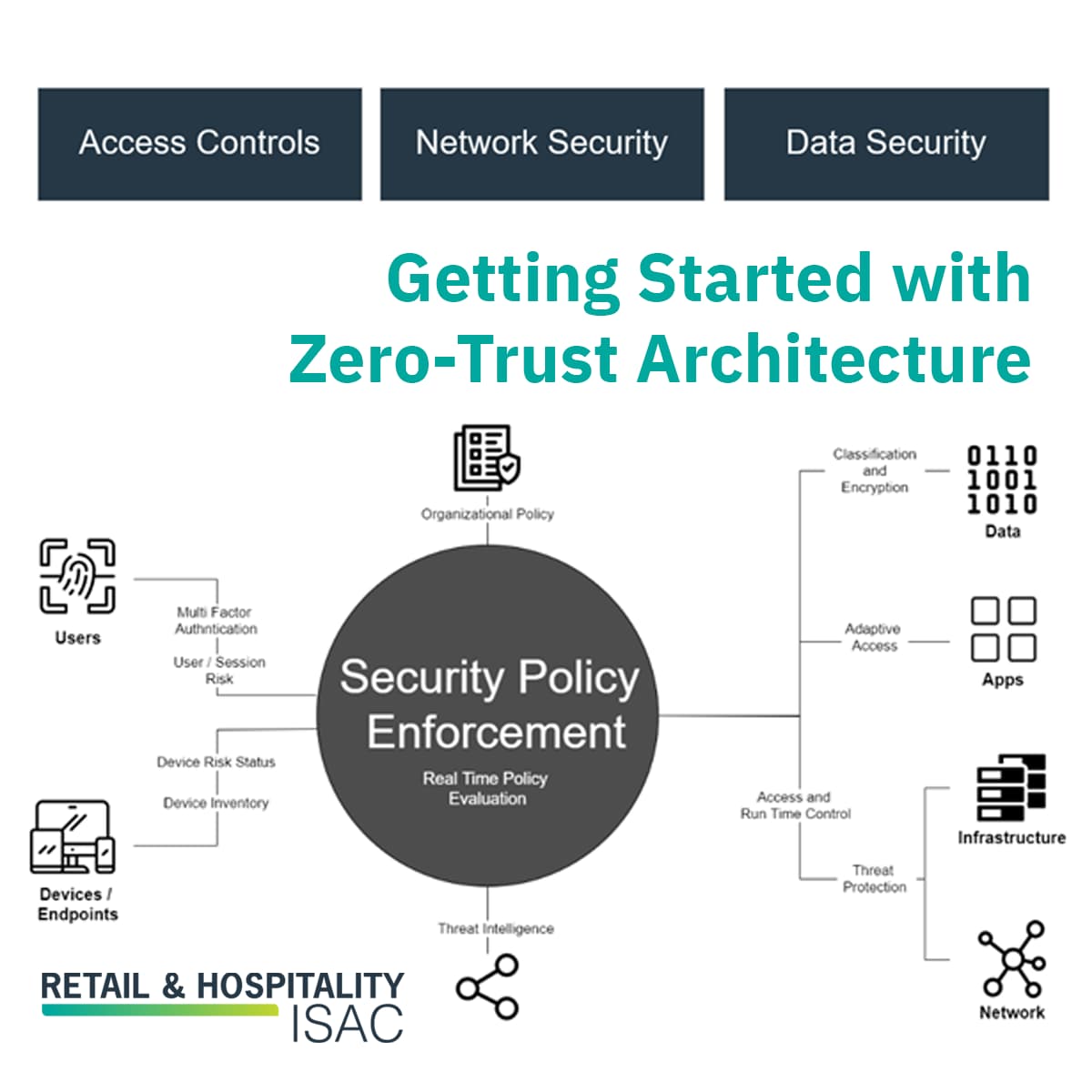
Implement multi-factor authentication (MFA) for all access points. Move beyond simple passwords to continuous authentication methods that verify user identity dynamically. Tools like Okta or Microsoft Entra ID provide the necessary infrastructure to manage identities securely.
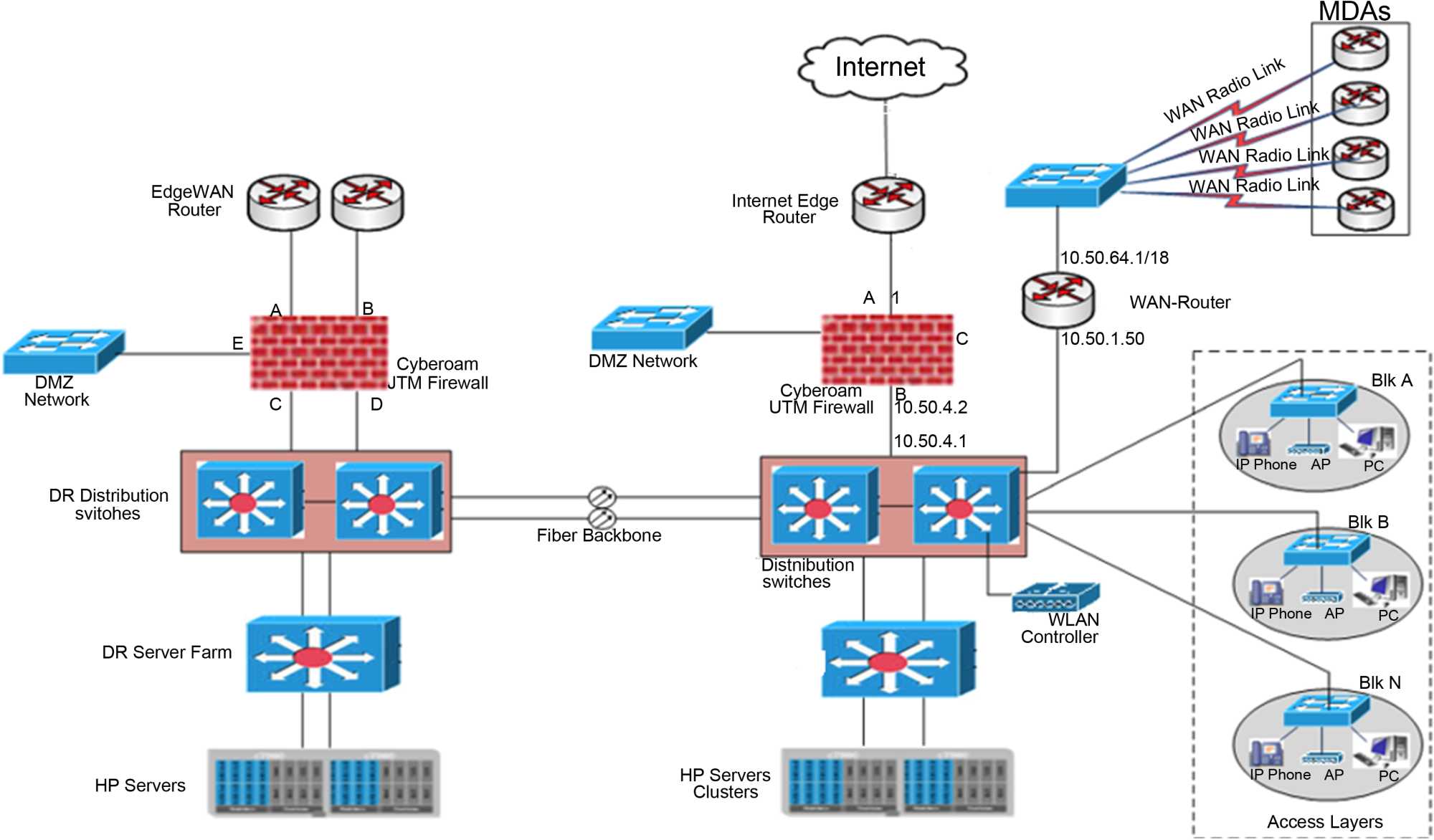
Grant users and devices only the minimum permissions needed to perform their tasks. Regularly audit these permissions to remove excess access. This limits lateral movement if a credential is compromised, containing potential breaches to isolated segments.
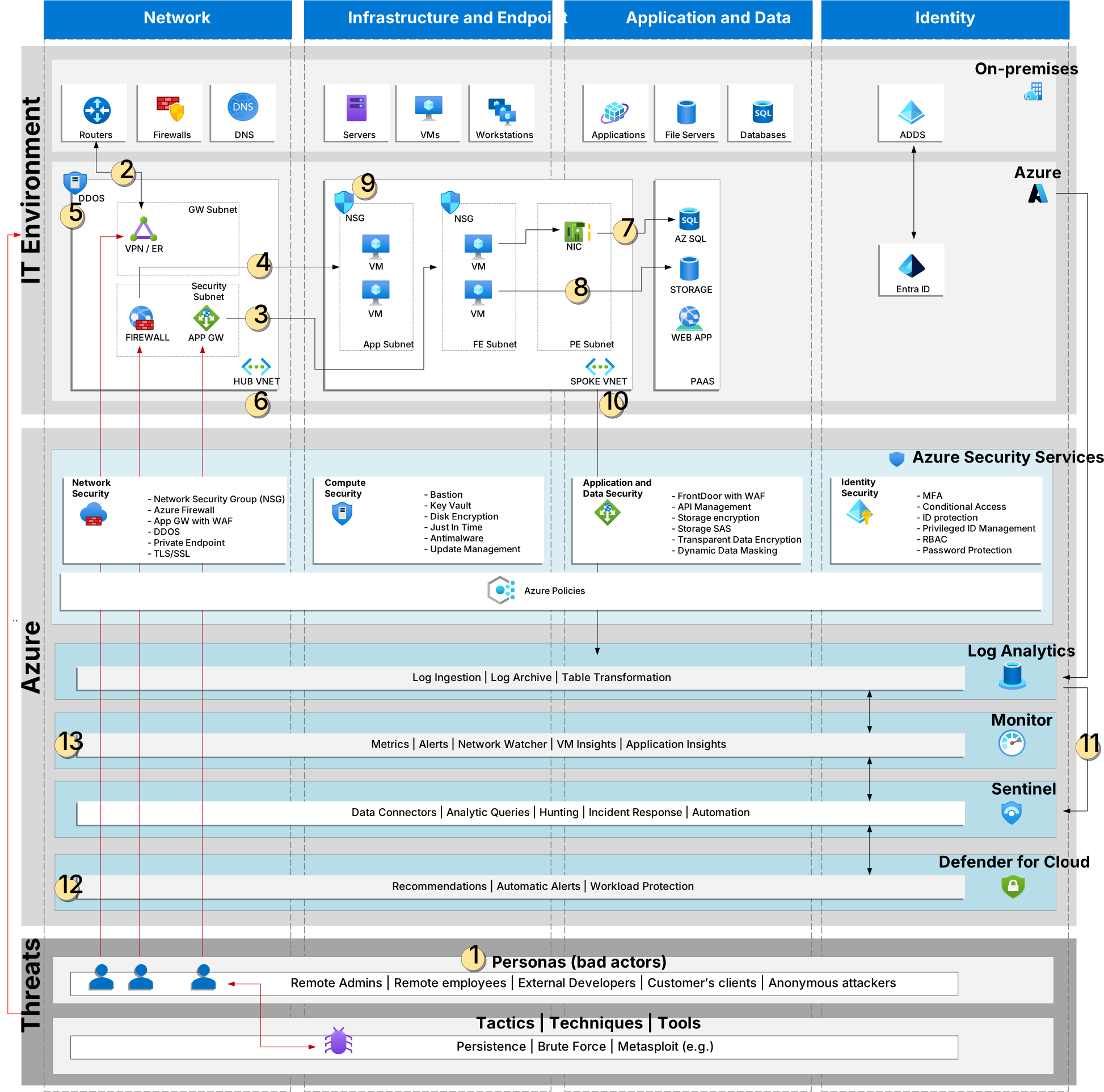
Zero trust is not a one-time setup. Use continuous monitoring tools to detect anomalies in real-time. Solutions like Zscaler or CrowdStrike provide visibility into network traffic and endpoint behavior, ensuring that security policies adapt to emerging threats.
This phased approach ensures that your security posture evolves with your infrastructure. By prioritizing identity and least-privilege principles, you build a resilient foundation against modern cyber threats.
Common questions about zero trust security
Implementing a zero trust architecture often raises practical concerns about cost, legacy systems, and the specific tools required to make it work. Below are answers to the most frequent questions readers ask when evaluating zero trust security tools for 2026.
Is zero trust expensive to implement?
Zero trust is a strategy, not a single product, so costs vary based on your current infrastructure. Small businesses can start with identity-focused tools like Okta or Microsoft Entra ID, while enterprises may need comprehensive suites like Zscaler or CrowdStrike. The goal is to reduce risk through verification, not necessarily to replace every existing firewall overnight.
Can zero trust work with legacy on-premise systems?
Yes, but it requires a hybrid approach. Tools like Netskope or Cisco Secure Client can secure access to older on-premise applications by enforcing strict identity checks before granting entry. You do not need to rewrite legacy code; instead, you place a verification layer in front of it. This ensures that even if a device is compromised, it cannot access sensitive internal resources without proper credentials.
What are the best zero trust tools for small teams?
For small teams, simplicity and integration are key. Look for tools that bundle identity management, endpoint protection, and network security. Microsoft 365 Defender and Google Workspace Security are strong choices because they integrate directly with existing productivity suites. These solutions provide essential zero trust principles without requiring a dedicated security operations team.
No comments yet. Be the first to share your thoughts!