
Microsegmentation moves from niche to mainstream
Microsegmentation has transitioned from a complex, niche security solution to a standard component of enterprise defense strategies. This shift reflects a broader industry recognition that perimeter-based security is insufficient for modern, distributed environments. As organizations adopt zero trust architectures, the ability to isolate workloads at the identity level has become a baseline requirement rather than an optional enhancement.
The market trajectory is clearly defined by recent industry projections. According to Gartner, 60% of enterprises working toward zero trust architecture will use more than one deployment form of microsegmentation by 2026. This statistic signals a move away from monolithic, single-vendor solutions toward integrated, multi-layered approaches that address specific compliance and operational needs.
This proliferation of deployment forms—ranging from host-based agents to network-integrated tools—allows organizations to tailor security controls to their specific regulatory and architectural constraints. For legal and compliance teams, this means that microsegmentation is no longer just a technical control but a demonstrable mechanism for enforcing data sovereignty and access governance. The maturity of the market enables more precise audit trails and granular policy enforcement, which are critical for meeting evolving regulatory standards.
Vendor whitepapers and independent research from Forrester further support this trend, noting that the integration of microsegmentation with zero trust principles is accelerating. The focus has shifted from mere isolation to continuous verification and dynamic policy adjustment. This evolution reduces the attack surface significantly, providing a more resilient framework for protecting sensitive data across hybrid and multi-cloud environments.
Deployment models compared
Use this section to make the Microsegmentation decision easier to compare in real life, not just on paper. Start with the reader's actual constraint, then separate must-have requirements from details that are merely nice to have. A practical choice should survive normal use, maintenance, timing, and budget. If a recommendation only works in an ideal situation, call that out plainly and give the reader a fallback path.
| Factor | What to check | Why it matters |
|---|---|---|
| Fit | Match the option to the primary use case. | A good deal still fails if it does not fit the job. |
| Condition | Verify age, wear, and service history. | Hidden condition issues erase upfront savings. |
| Cost | Compare purchase price with likely upkeep. | The cheapest option is not always the lowest-cost option. |
Vendor Landscape Overview
The 2026 microsegmentation market is defined by a shift from perimeter-based controls to identity-aware, workload-centric security models. Analyst reports from Gartner and Forrester highlight four primary vendors that dominate the enterprise landscape: Palo Alto Networks, Illumio, Fortinet, and Zero Networks. Each offers distinct architectural approaches to implementing zero trust, with varying implications for compliance and operational overhead.
Palo Alto Networks
Palo Alto Networks leverages its existing Prisma SD-Sec fabric to integrate microsegmentation with broader cloud security postures. Their approach emphasizes automated policy generation based on application behavior, reducing the manual effort required for policy maintenance. For organizations already invested in the Palo Alto ecosystem, this integration simplifies governance but may increase vendor lock-in risks.
Illumio
Illumio remains a market leader in policy-driven microsegmentation, particularly for hybrid and multi-cloud environments. Their core strength lies in their ability to map application dependencies automatically and enforce least-privilege access without requiring agent deployment on every endpoint. This agentless option appeals to legacy infrastructure environments where compliance audits require minimal intrusion.
Fortinet
Fortinet integrates microsegmentation capabilities directly into its FortiGate firewalls and FortiOS operating system. This approach is cost-effective for organizations seeking a consolidated security stack. By embedding segmentation within the firewall infrastructure, Fortinet reduces the need for additional specialized hardware, though it may lack the granular, workload-specific visibility offered by dedicated microsegmentation platforms.
Zero Networks
Zero Networks focuses on identity-based microsegmentation, using Just-in-Time (JIT) access to grant temporary network privileges only when needed. This model minimizes the attack surface by ensuring that resources are invisible unless explicitly accessed by an authorized user. It is particularly effective for highly regulated industries where audit trails for access are mandatory and static permissions pose a compliance risk.
Zero trust architecture alignment
Use this section to make the Microsegmentation decision easier to compare in real life, not just on paper. Start with the reader's actual constraint, then separate must-have requirements from details that are merely nice to have. A practical choice should survive normal use, maintenance, timing, and budget. If a recommendation only works in an ideal situation, call that out plainly and give the reader a fallback path.
The simplest way to use this section is to write down the must-have criteria first, then compare each option against those criteria before weighing nice-to-have features.
Implementation checklist for microsegmentation
Enterprises initiating microsegmentation in 2026 must align technical deployment with zero trust architecture principles. Gartner notes that by 2026, 60% of enterprises working toward zero trust will use multiple deployment forms of microsegmentation, requiring a coordinated approach rather than isolated tooling [src-serp-7]. This section outlines the essential steps to begin this journey, focusing on policy definition and workload mapping.
Begin by identifying and cataloging all critical applications, virtual machines, and containers. Microsegmentation enables fine-grained, workload-level segmentation, so accurate asset discovery is foundational [src-serp-8]. Use automated discovery tools to build a comprehensive inventory of network flows and dependencies.
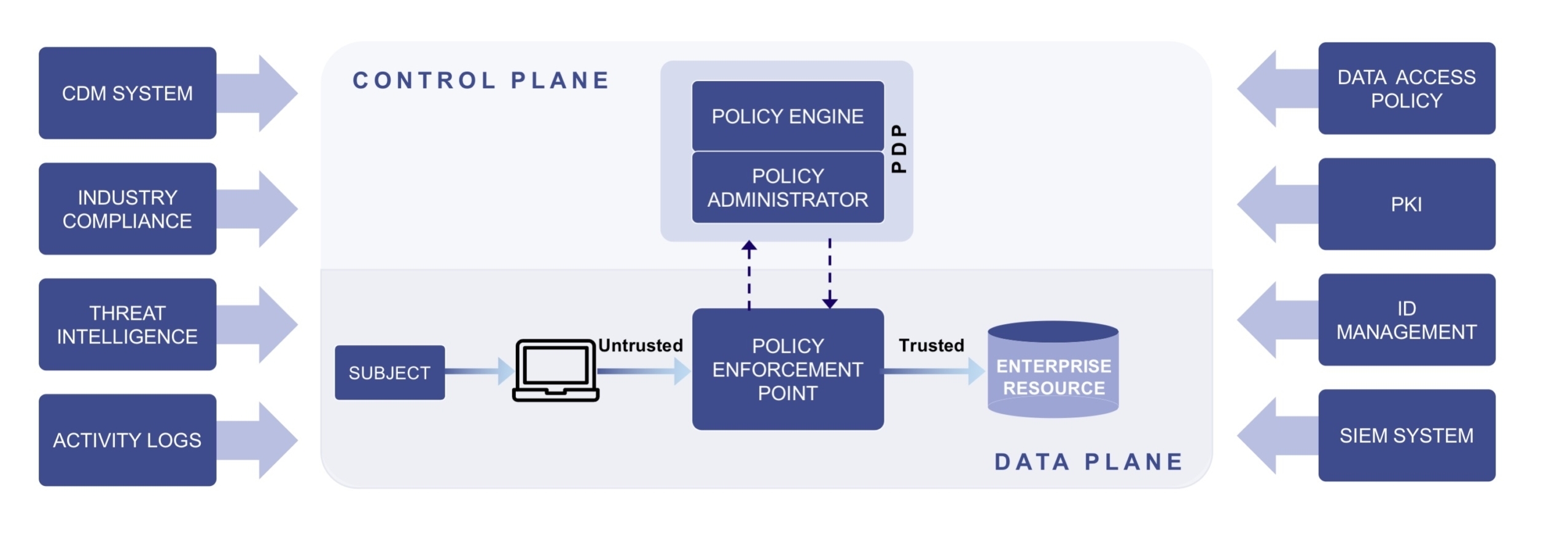
Establish strict access controls based on the principle of least privilege. Define policies that specify which workloads can communicate, under what conditions, and with what authentication. These policies should be dynamic and context-aware, adapting to changes in the environment.
Implement microsegmentation in controlled phases, starting with non-production environments. This allows for testing and refinement of policies without disrupting critical business operations. Monitor performance and security metrics closely during each phase to identify and resolve issues early.
Ensure microsegmentation solutions integrate seamlessly with existing security information and event management (SIEM) and threat intelligence platforms. This integration provides holistic visibility and enables automated response to security incidents across the segmented network.
Continuously validate that policies are enforced as intended and monitor for deviations. Regular audits and real-time monitoring are essential to maintain the security posture and ensure compliance with regulatory requirements. Adjust policies as needed based on evolving threats and business changes.
This structured approach ensures that microsegmentation enhances security without compromising operational efficiency, aligning with the broader zero trust strategy.
Common implementation: what to check next
Organizations deploying microsegmentation in 2026 frequently encounter friction points regarding legacy compatibility, performance overhead, and regulatory alignment. The following analysis addresses these high-stakes concerns based on current market evaluations and architectural best practices.
No comments yet. Be the first to share your thoughts!