
Zero trust shifts from perimeter to identity
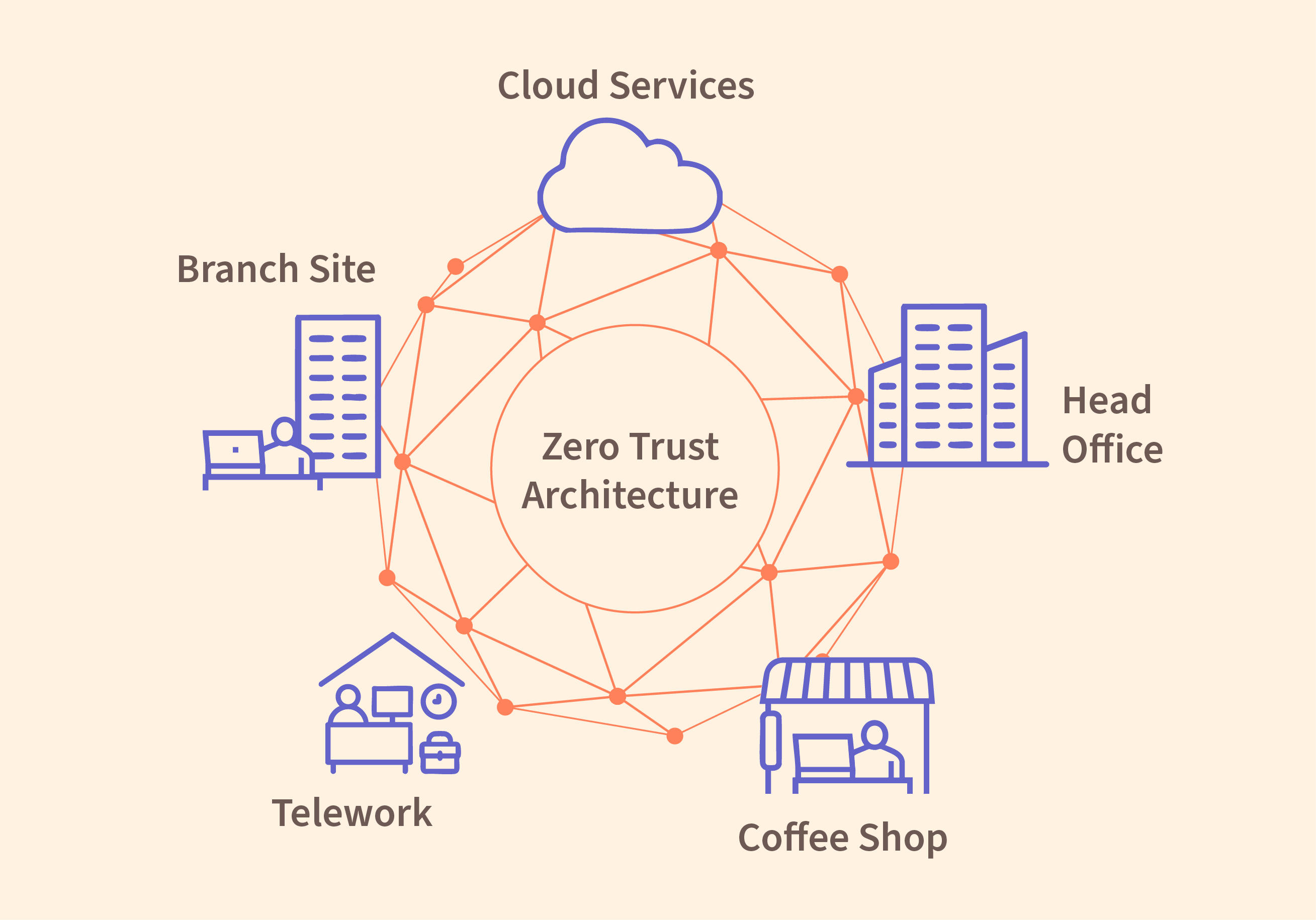
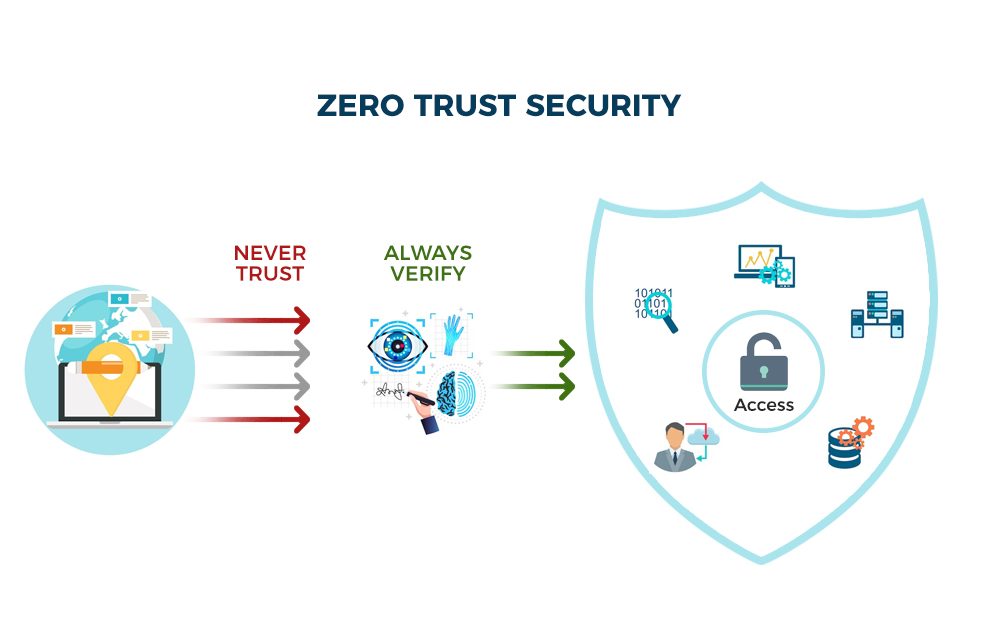
The traditional security model relied on a clear boundary: everything inside the corporate firewall was trusted, and everything outside was not. That assumption no longer holds. With cloud workloads, remote workforces, and SaaS applications, the network perimeter has dissolved. In 2026, zero trust architecture (ZTA) replaces the castle-and-moat approach with a "never trust, always verify" model that treats every connection as untrusted, regardless of origin.
This shift moves the security boundary from the network edge to the individual identity. Access decisions are no longer based on IP addresses or subnet locations but on continuous verification of who is asking for access, what device they are using, and whether their behavior aligns with established risk profiles. This identity-centric approach is the foundation for effective enterprise micro-segmentation, which restricts lateral movement even if an attacker breaches the initial entry point.
Implementing this requires tools that can enforce least-privilege access dynamically. Solutions like Okta Identity Cloud and Microsoft Entra ID provide the identity governance layer, while micro-segmentation platforms such as VMware NSX and Cisco Secure Workload enforce the actual network controls. These tools work together to ensure that verification happens at every step, not just at login.
Core components of modern zero trust
Modern micro-segmentation relies on three technical pillars working in concert: identity verification, device health assessment, and a centralized policy engine. These components replace the old perimeter model with a dynamic, workload-centric security fabric. Instead of trusting a device because it is on the corporate network, zero trust verifies every request based on who is asking, what the device looks like, and what the policy dictates.
Identity as the new perimeter
Identity verification is the foundation of zero trust. Tools like Okta and Microsoft Entra ID (formerly Azure AD) manage user identities and enforce multi-factor authentication (MFA) before granting access. In a micro-segmented environment, identity is not just about logging in; it is about continuous authentication. Every request to a database or application server must be authenticated. If a user’s role changes or their session becomes anomalous, access is revoked immediately. This shifts security from a one-time gate at the network edge to a continuous check at every application layer.
Device health and posture
Even a legitimate user on a compromised device is a risk. Device health checks ensure that only compliant devices can access sensitive segments. CrowdStrike Falcon and Microsoft Intune integrate with zero trust frameworks to assess device posture in real time. They check for encryption status, OS patch levels, and the presence of malware. If a laptop is missing critical updates or shows signs of infection, the policy engine can restrict it to a quarantine segment or block it entirely. This prevents lateral movement by infected devices within the internal network.
Policy engine and enforcement
The policy engine is the brain of the operation. It collects signals from identity providers and device health checks to make real-time access decisions. Illumio and Tufin are leading tools in this space, offering policy orchestration and enforcement across hybrid environments. These platforms translate business intent into technical rules, such as "only the HR app on approved devices can talk to the payroll database." The enforcement points, whether virtual or physical, apply these rules at the workload level, creating tight micro-segments that limit blast radius in case of a breach.
Best zero trust platforms for 2026
Choosing the right zero trust platform requires matching specific capabilities to your infrastructure. Micro-segmentation and subnet security are the primary differentiators. Some vendors focus on identity-centric policies, while others prioritize network-level isolation. The following platforms demonstrate strong performance in 2026 enterprise environments.
Zscaler Private Access (ZPA)
ZPA excels at application-layer micro-segmentation. It replaces traditional VPNs with a zero-trust network access (ZTNA) model that isolates users from the network. This approach minimizes lateral movement risks. ZPA is particularly effective for hybrid workforces accessing cloud-native applications.
Cisco Secure Zero Trust
Cisco integrates micro-segmentation directly into its existing network infrastructure. It leverages Cisco ISE and Duo for identity verification while enforcing policies at the switch level. This platform is ideal for enterprises already invested in the Cisco ecosystem. It provides granular control over subnet traffic without requiring major hardware changes.
Microsoft Entra ID (formerly Azure AD)
Microsoft’s identity platform serves as the foundation for many zero trust strategies. It uses conditional access policies to verify user identity and device health before granting access. While not a dedicated micro-segmentation tool, it integrates tightly with Microsoft 365 and Azure services. It is the best choice for organizations heavily reliant on the Microsoft stack.
Palo Alto Networks Cortex XSOAR
Palo Alto Networks offers a comprehensive security orchestration platform. It combines network micro-segmentation with automated incident response. Cortex XSOAR allows security teams to define policies based on real-time threat intelligence. It is well-suited for enterprises requiring both prevention and rapid response capabilities.
| Platform | Micro-Segmentation | Identity Integration | Deployment Complexity |
|---|---|---|---|
| Zscaler Private Access | Application-level | SAML/OIDC | Low (Cloud) |
| Cisco Secure Zero Trust | Network-level | ISE/Duo | Medium (Hybrid) |
| Microsoft Entra ID | Conditional Access | Native (Azure AD) | Low (Cloud) |
| Palo Alto Cortex | Network/Cloud | SAML/LDAP | High (Complex) |


As an Amazon Associate, we may earn from qualifying purchases.
Implementing micro-segmentation in subnets
Micro-segmentation transforms a flat network into a series of isolated zones. Instead of trusting any device once it connects, you enforce least-privilege access at the workload level. This approach limits lateral movement, ensuring that a breach in one subnet cannot easily spread to others. The goal is to verify every request, regardless of its origin.
Step 1: Map and classify traffic flows
Before deploying tools, you must understand what traffic exists. Use network monitoring solutions to identify east-west traffic patterns between servers, applications, and databases. Classify this traffic by sensitivity and function. This map becomes your baseline for defining security policies. Without accurate visibility, you risk blocking legitimate operations or leaving critical gaps.
Step 2: Define least-privilege policies
Create policies that allow only the minimum necessary communication. For example, a web server should only talk to the application server on specific ports, not the entire database subnet. Use tools like Cisco Tetration or VMware NSX to translate these requirements into enforceable rules. Start with a "monitor-only" mode to catch potential disruptions before full enforcement.
Step 3: Deploy segmentation controls
Implement the segmentation tools within your subnets. Whether you use hardware appliances or software-defined networking (SDN) agents, ensure they are distributed across all relevant hosts. Configure the policies to actively block unauthorized traffic. Continuous monitoring is essential here; verify that the controls are applying correctly and not causing performance degradation.
Step 4: Validate and refine
Regularly test your segmentation strategy. Simulate attacks to see if lateral movement is truly blocked. Update policies as applications evolve and new services are deployed. This iterative process ensures that your micro-segmentation remains effective against emerging threats. Remember, security is not a one-time setup but a continuous cycle of verification and adjustment.
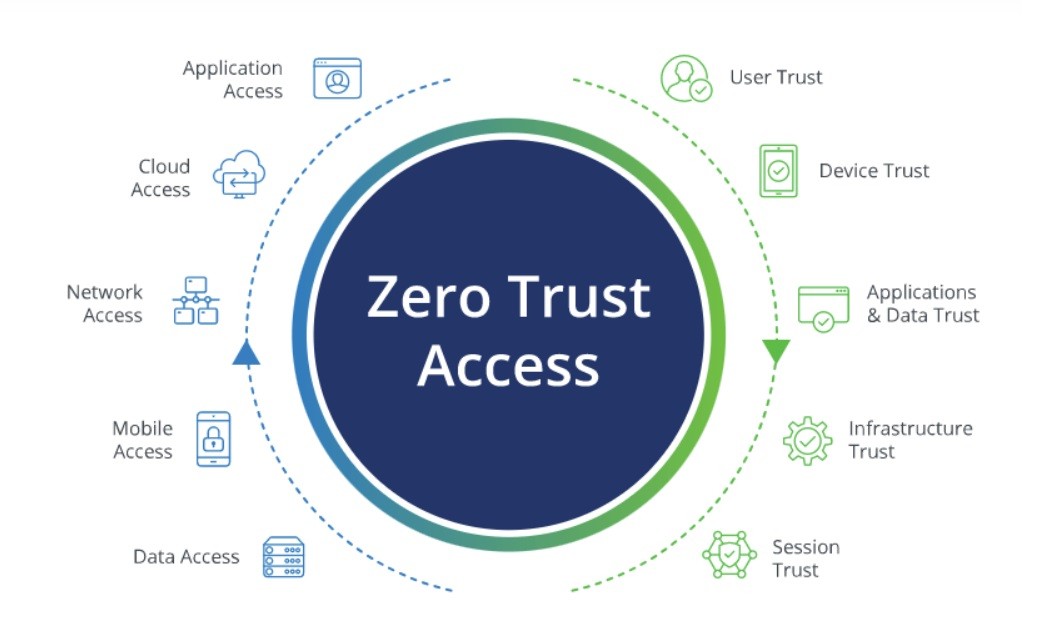
Choosing the right zero trust framework
Selecting a zero trust framework depends on your current infrastructure and the specific pain points you need to solve. There is no single tool that covers every security requirement. Instead, most enterprises combine specialized tools to create a cohesive defense strategy.
Identity and Access Management
Identity is the new perimeter. If your employees use multiple devices and cloud services, a strong Identity and Access Management (IAM) solution is non-negotiable. Tools like Okta or Microsoft Entra ID verify who is accessing resources before granting permission. They enforce multi-factor authentication and conditional access policies that adapt to risk levels in real time.
Micro-Segmentation and Network Security
Once identity is verified, you need to control how that identity moves through your network. Micro-segmentation tools like Tufin or Palo Alto Prisma Access create granular boundaries around applications. This prevents lateral movement if a breach occurs. For organizations with complex hybrid environments, these tools ensure that only authorized traffic flows between specific workloads.
Endpoint Detection and Response
Your endpoints are often the first point of entry. Solutions like CrowdStrike Falcon or SentinelOne provide continuous monitoring and automated response capabilities. They detect anomalies on devices and isolate threats before they spread. Integrating endpoint data with your network and identity tools creates a unified view of your security posture.
No comments yet. Be the first to share your thoughts!