
Enterprise subnet security 2026: consolidation and control
By 2026, the era of sprawling, unmanaged network tools is ending. Organizations are facing a consolidation period defined by unification, automation, and control. This shift is a structural necessity for maintaining security posture in an increasingly hostile environment where ransomware groups target gaps that micro-segmentation aims to close.
The primary challenge for enterprise subnet security in 2026 is visibility. You cannot secure what you cannot see. Legacy networks often contain shadow IT, unauthorized devices, and redundant rules that create blind spots. The goal is to move from a "trust but verify" model to a "verify then trust" architecture. This requires a unified view of all network traffic, policies, and assets across hybrid environments.
Automation is the only way to manage this complexity at scale. Manual policy updates are too slow to keep up with dynamic cloud workloads and remote access patterns. Effective subnet security relies on automated policy enforcement that adapts to real-time threats. This means shifting from static firewall rules to dynamic, identity-based segmentation that moves with the user and the device.
The tradeoff is clear: initial implementation requires significant effort to clean up legacy rules and integrate new tools. However, the cost of inaction is far higher. A single breach can expose the entire subnet if lateral movement is not blocked. The focus for 2026 is on building a resilient, automated foundation that reduces attack surface and simplifies compliance.
Enterprise subnet security 2026 choices that change the plan
Use this section to make the Zero Trust decision easier to compare in real life, not just on paper. Start with the reader's actual constraint, then separate must-have requirements from details that are merely nice to have. A practical choice should survive normal use, maintenance, timing, and budget. If a recommendation only works in an ideal situation, call that out plainly and give the reader a fallback path.
| Factor | What to check | Why it matters |
|---|---|---|
| Fit | Match the option to the primary use case. | A good deal still fails if it does not fit the job. |
| Condition | Verify age, wear, and service history. | Hidden condition issues erase upfront savings. |
| Cost | Compare purchase price with likely upkeep. | The cheapest option is not always the lowest-cost option. |
Mapping your subnet strategy
The 2026 network landscape is shifting from broad perimeter defense to granular control. As enterprise tools consolidate, the focus moves to automating access decisions at the subnet level. This shift reduces the attack surface by ensuring that even if a threat actor breaches an outer layer, lateral movement is blocked.
To implement this effectively, start by auditing your current traffic flows. Identify which subnets communicate most frequently and which contain sensitive data. This baseline helps you prioritize which segments need stricter micro-segmentation policies first, rather than attempting a blanket overhaul that could disrupt business operations.
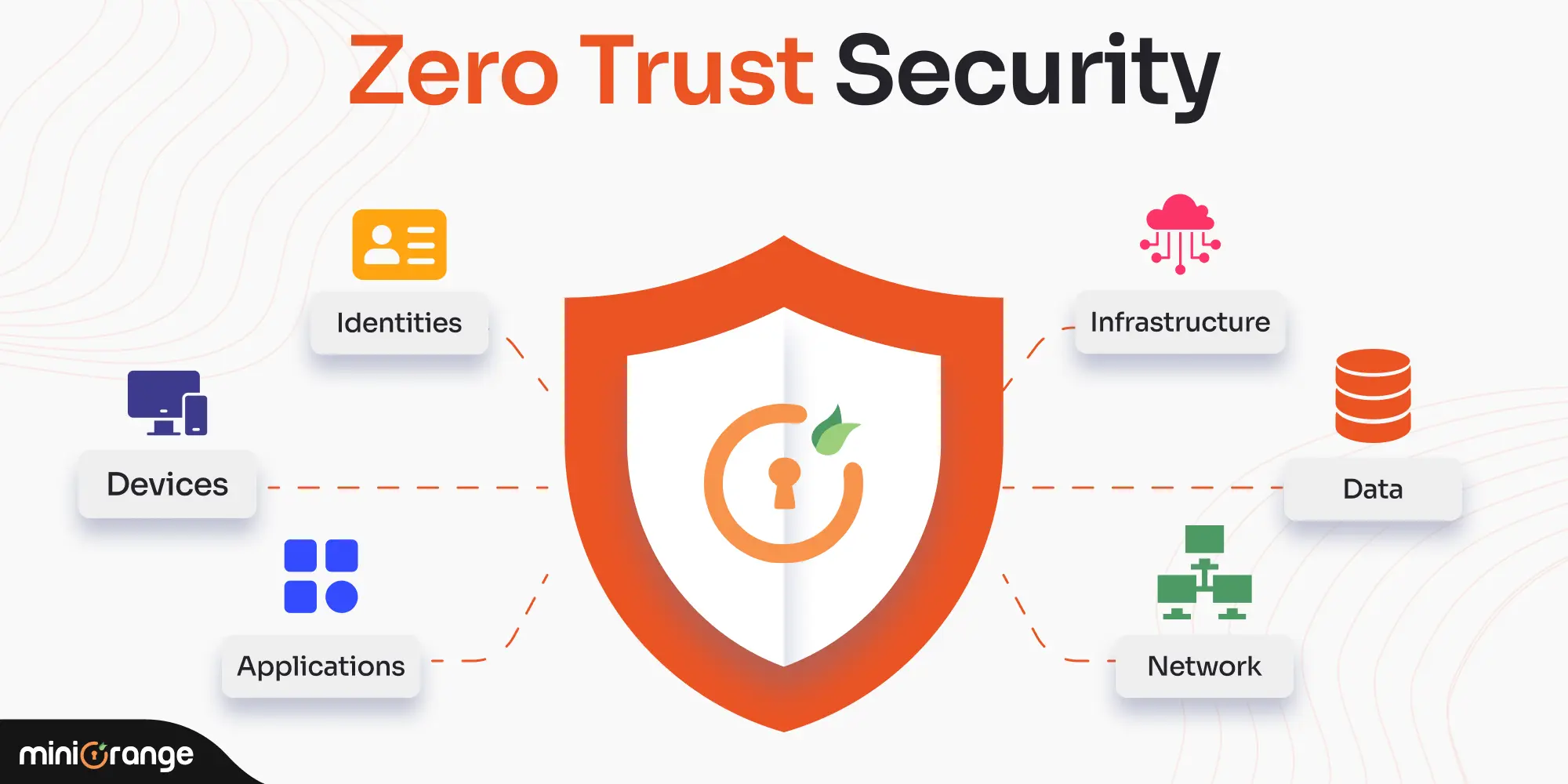
Next, define identity-based policies for each segment. Instead of relying solely on IP addresses, tie access permissions to user roles and device health. This approach ensures that access is granted only when necessary, aligning with zero trust principles. Finally, test these policies in a non-production environment to verify that legitimate traffic flows while unauthorized access attempts are correctly blocked.
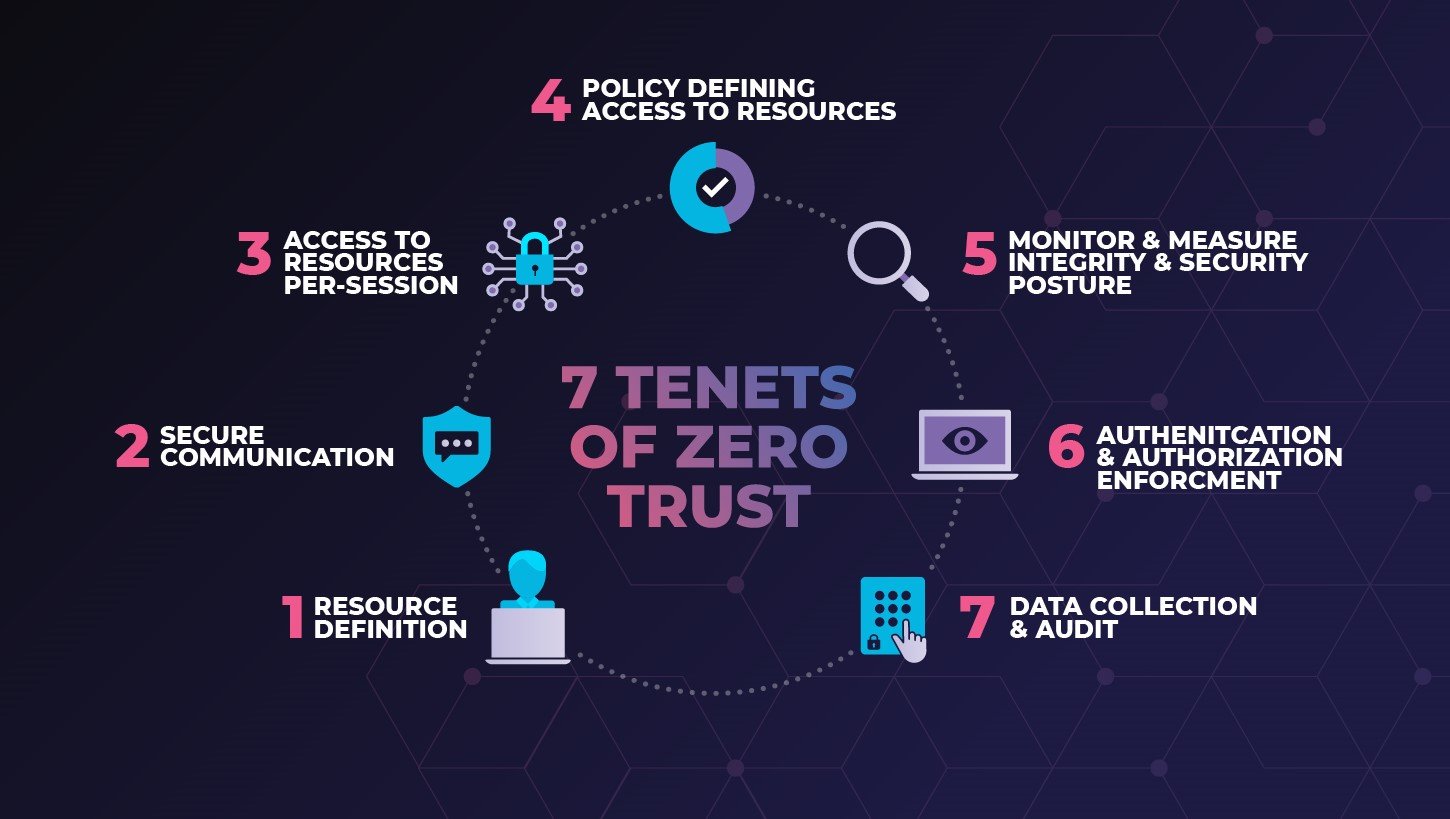
Map all current inter-subnet communications. Identify high-frequency data exchanges and sensitive data stores. This baseline is essential for prioritizing segmentation efforts without causing operational downtime.
Replace static IP rules with dynamic policies based on user identity and device health. This ensures that access is granted only to verified entities, reducing the risk of lateral movement after a breach.

Deploy segmentation policies in a sandboxed environment first. Verify that legitimate business traffic continues to flow while unauthorized access attempts are correctly blocked. This step prevents unexpected disruptions in production.
-
Audit current inter-subnet traffic patterns
-
Identify sensitive data stores and high-frequency flows
-
Define identity-based policies for critical segments
-
Test segmentation policies in a non-production environment
-
Monitor and adjust policies based on real-world traffic
Avoid weak micro-segmentation options
Many vendors market micro-segmentation as a plug-and-play solution, but the reality is often more complex. In 2026, the landscape is shifting toward consolidation and automation rather than simple tool proliferation. Implementing this requires careful evaluation of what each option actually delivers versus what is promised.
One common mistake is relying on legacy perimeter-based tools for internal segmentation. These solutions lack the granularity needed for true zero trust. They often create bottlenecks and fail to adapt to dynamic workloads, leaving subnets vulnerable to lateral movement.
Another weak option is over-relying on manual policy configuration. As networks expand, manual management becomes unsustainable. Organizations need automated policy enforcement that can keep pace with changing traffic patterns without constant human intervention.
Finally, be wary of solutions that promise comprehensive security without integration capabilities. Isolated tools create blind spots. Effective micro-segmentation must integrate with existing security orchestration platforms to provide a unified view of network risk.
Enterprise subnet security 2026: what to check next
Implementing micro-segmentation in 2026 requires balancing strict zero-trust policies with operational stability. Here are practical answers to common objections IT leaders raise during planning.
No comments yet. Be the first to share your thoughts!