

What defines zero trust in 2026
Zero Trust Architecture (ZTA) is a security framework that operates on the principle of "never trust, always verify." In 2026, this model has moved beyond a theoretical ideal to become the baseline for enterprise security. It eliminates implicit trust for any user, device, or workload, regardless of whether they are inside or outside the corporate network.
The shift from perimeter-based security to identity-first verification is driven by the fragmentation of modern workforces. With employees using personal devices, accessing cloud services, and working from remote locations, the traditional network perimeter no longer exists. Tools in this space focus on verifying identity at every step, ensuring that access is granted only to specific resources for a limited time.
Microsegmentation is another pillar of this architecture. Instead of treating the internal network as a safe zone, ZTA tools divide it into small, isolated zones. This limits the lateral movement of attackers. If a breach occurs, the damage is contained to a single segment rather than spreading across the entire infrastructure. Modern tools automate this segmentation based on real-time behavior and risk scores, making the security posture dynamic rather than static.
This approach requires a combination of technologies, including identity providers, endpoint detection systems, and network access controls. The best zero trust tools integrate these components into a unified platform, providing visibility and control without overwhelming the security team with complexity.
Top zero trust frameworks and vendors
Choosing the right zero trust architecture requires matching specific tools to your infrastructure. The landscape splits into three primary categories: identity providers that manage access, network access control systems that verify devices, and microsegmentation tools that isolate workloads. Selecting the right combination depends on whether your priority is cloud-native flexibility, on-premises control, or a unified platform approach.
Identity and Access Management
Identity is the new perimeter in zero trust. Modern frameworks treat identity as the primary control plane, requiring continuous verification of users and devices before granting access to applications. Leading vendors in this space include Okta, Microsoft Entra ID, and Ping Identity. These platforms integrate single sign-on (SSO) with multi-factor authentication (MFA) and conditional access policies to ensure that only verified entities can reach sensitive resources.
When evaluating identity providers, look for support for passwordless authentication and integration with your existing directory services. The best solutions offer granular policy controls that adapt to risk signals, such as location or device health, rather than relying on static rules.
Network Access Control and Microsegmentation
Network access control (NAC) and microsegmentation tools enforce the "never trust, always verify" principle at the network layer. NAC solutions like Cisco ISE, Aruba ClearPass, and Fortinet NAC verify device compliance before allowing network connectivity. Microsegmentation tools, such as VMware NSX, Cisco Tetration, and Illumio, create secure zones around individual workloads, preventing lateral movement even if an attacker breaches the perimeter.
These tools are critical for hybrid environments. Microsegmentation ensures that a compromised server in one zone cannot access databases in another, effectively containing threats. Look for vendors that offer automated policy generation based on application dependencies, which reduces the manual effort required to map and secure complex networks.
Unified Zero Trust Platforms
For organizations seeking a consolidated approach, unified zero trust platforms from vendors like Zscaler, Palo Alto Networks, and CrowdStrike offer integrated identity, network, and workload protection. These platforms operate on a cloud-first model, routing all traffic through a global secure edge rather than directing it to a central data center. This architecture simplifies management and provides consistent security policies regardless of user location or device type.
Unified platforms excel in speed of deployment and visibility. They provide a single pane of glass for monitoring threats and enforcing policies across the entire enterprise. However, they may require a significant shift in network architecture, making them less suitable for organizations with heavy legacy on-premises dependencies that cannot be easily migrated to the cloud.
Comparison of Top Vendors
The following table compares key features across leading zero trust vendors to help you evaluate options based on your specific needs.
| Vendor | Primary Focus | Deployment Model | Microsegmentation |
|---|---|---|---|
| Zscaler | Cloud Security | Cloud-First | Yes |
| Palo Alto Networks | Network & Cloud | Hybrid | Yes |
| Cisco | On-Premises & Hybrid | On-Prem/Hybrid | Yes |
| Okta | Identity | Cloud | No |
| Illumio | Workload Protection | On-Prem/Hybrid | Yes |
Essential Zero Trust Tools
Building a zero trust environment often requires additional hardware and software components. Consider these essentials for your security stack.

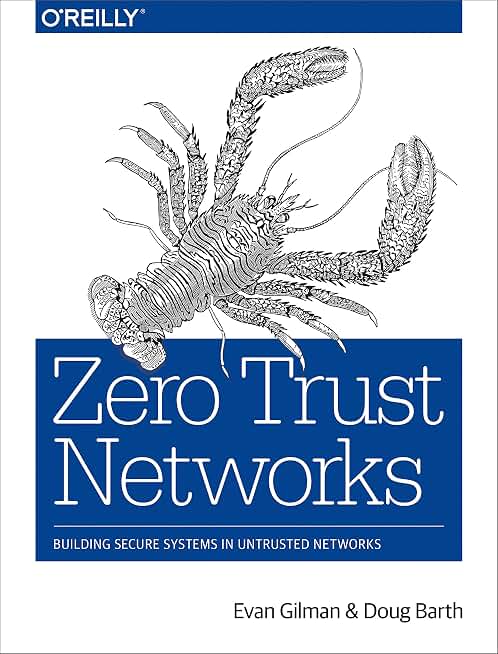
As an Amazon Associate, we may earn from qualifying purchases.
How to choose the right zero trust stack
Selecting a zero trust architecture requires balancing immediate compliance mandates with long-term infrastructure goals. Rather than starting with a specific tool, begin by auditing your current estate to identify where segmentation is weakest. This approach ensures your chosen stack integrates with existing identity providers and network segments rather than replacing them entirely.
1. Map existing infrastructure dependencies
Zero trust tools must interoperate with your current identity management systems, such as Active Directory or Okta. Verify that the vendor supports your specific protocols (SAML, OIDC, SCIM) before committing. A stack that requires a complete identity overhaul will delay deployment and increase operational risk.
2. Align with compliance frameworks
Your selection should directly address relevant regulatory requirements. For federal contracts, the CISA Zero Trust Maturity Model provides a clear baseline. For general enterprise compliance, ensure the tool’s logging and reporting features satisfy NIST SP 800-207 guidelines for continuous monitoring and policy enforcement.
3. Evaluate scalability and API maturity
As your organization grows, the zero trust stack must scale without manual intervention. Check the vendor’s API documentation for rate limits and feature parity. Tools with robust APIs allow you to automate policy enforcement across hybrid cloud environments, reducing the administrative burden on your security team.
4. Assess integration complexity
A zero trust solution is only effective if it is deployed correctly. Prioritize vendors that offer professional services or mature integration guides for your specific environment. Avoid tools that require significant custom coding for basic connectivity, as this creates single points of failure and maintenance bottlenecks.
5. Review vendor stability and roadmap
Zero trust is an evolving standard. Choose vendors with a clear product roadmap that includes support for emerging threats, such as AI-driven attacks. Verify their financial stability and customer retention rates to ensure long-term support for your investment.
As an Amazon Associate, we may earn from qualifying purchases.
Common zero trust implementation mistakes
Zero trust is often sold as a magic bullet, but the architecture itself is unforgiving. When you remove implicit trust from the network, every single connection must be explicitly validated. This shift exposes weaknesses in legacy systems and user workflows that traditional perimeters hid. Avoiding these pitfalls is not just about security; it is about preventing operational paralysis.
Over-segmentation paralyzes operations
The most frequent error is treating zero trust like a maze. Teams often create micro-segments for every workload or user, resulting in a tangled web of policies. While this reduces the attack surface on paper, it creates an unmanageable configuration overhead. Engineers spend more time debugging access rules than securing assets. A balanced approach segments only high-value assets and critical data flows, leaving general traffic with simpler, auditable rules.
Ignoring legacy system integration
Modern zero trust tools assume cloud-native or well-configured endpoints. They often fail when interacting with older on-premise servers or industrial control systems that lack modern authentication capabilities. Forcing these legacy systems into a zero trust model without a proper bridge, such as a secure gateway or identity proxy, leads to broken workflows. You must inventory all connected devices first. If a system cannot support multi-factor authentication or continuous verification, it needs a dedicated isolation strategy rather than a direct connection.
Neglecting user experience
Security tools are only effective if people use them. Zero trust introduces friction: step-up authentication, device health checks, and context-aware access decisions. If these checks are too aggressive, users will find workarounds, effectively bypassing the security you just built. The goal is invisible security. Tools should verify identity in the background whenever possible. When step-up authentication is necessary, it should be rare and contextual. If the user experience is poor, adoption will fail, and the architecture becomes a paper tiger.
Zero trust security questions answered
Implementing a zero trust model requires shifting from perimeter-based security to identity-centric verification. This section addresses common questions about adoption, compliance, and return on investment to help you plan your strategy effectively.
No comments yet. Be the first to share your thoughts!