
Why segmentation matters in 2026
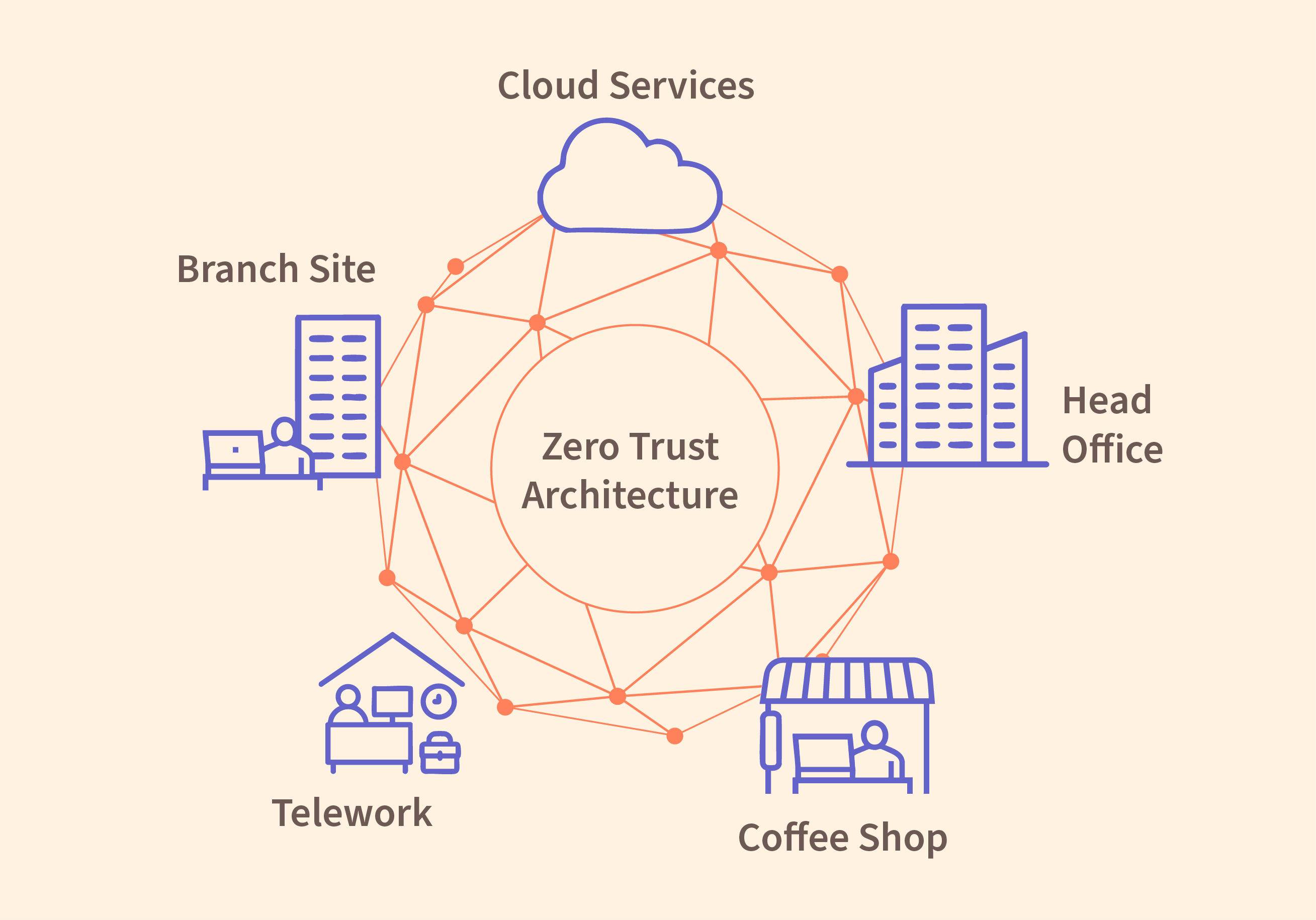
Network segmentation has shifted from a static infrastructure checklist to a dynamic, identity-based necessity. In 2026, the primary goal is no longer just dividing subnets; it is about controlling access based on who or what is requesting it, driven by zero-trust mandates and AI automation. This evolution moves security teams away from rigid VLANs toward microsegmentation, where every workload and user is verified before communication is allowed.
The landscape is entering a consolidation period defined by unification and control. After years of tool proliferation, organizations are seeking solutions that integrate firewalls, access rules, and automation into a single coherent system. This shift reduces the complexity of managing disparate security tools and ensures that segmentation policies are applied consistently across on-site systems and cloud environments.
2026 Trend: Consolidation of tools and AI-driven automation in segmentation.
Legacy perimeter defenses are insufficient against modern threats. Today’s segmentation strategies must adapt to hybrid workforces and containerized applications, ensuring that lateral movement is blocked even if a breach occurs. By focusing on identity and intent, businesses can maintain security without sacrificing the agility required for digital transformation.
Top network segmentation tools compared
Choosing the right segmentation platform depends on whether your priority is granular micro-segmentation, broad visibility across hybrid clouds, or automated policy enforcement. The leading enterprise solutions each excel in different areas of the security stack. This comparison highlights four major vendors to help you align tool capabilities with your specific infrastructure needs.
| Product | Primary Focus | Deployment | AI/Automation |
|---|---|---|---|
| Cisco HyperShield | Zero Trust & Micro-segmentation | Integrated with Cisco ACI/SD-Access | Policy-as-code integration |
| VMware NSX | Virtual & Cloud Segmentation | Hypervisor & Cloud-native | Dynamic policy generation |
| Palo Alto Prisma Access | SASE & ZTNA Integration | Cloud-delivered SASE | Automated threat response |
| Fortinet FortiGate | Unified Security Fabric | Hardware & Virtual Appliances | AI-driven threat prevention |
Cisco HyperShield integrates deep segmentation directly into the network fabric, making it ideal for organizations already invested in the Cisco ecosystem. It provides strict micro-segmentation capabilities that enforce zero-trust principles at the workload level, ensuring that even if a threat breaches the perimeter, lateral movement is blocked. This approach is particularly effective for complex hybrid environments where visibility gaps are a primary concern.
VMware NSX remains a strong choice for virtualized and cloud-native workloads. Its agentless architecture allows for rapid deployment across multi-cloud environments without requiring changes to the underlying guest operating systems. NSX excels at dynamic policy generation, automatically adjusting segmentation rules as workloads scale or move, which reduces the administrative burden on security teams.
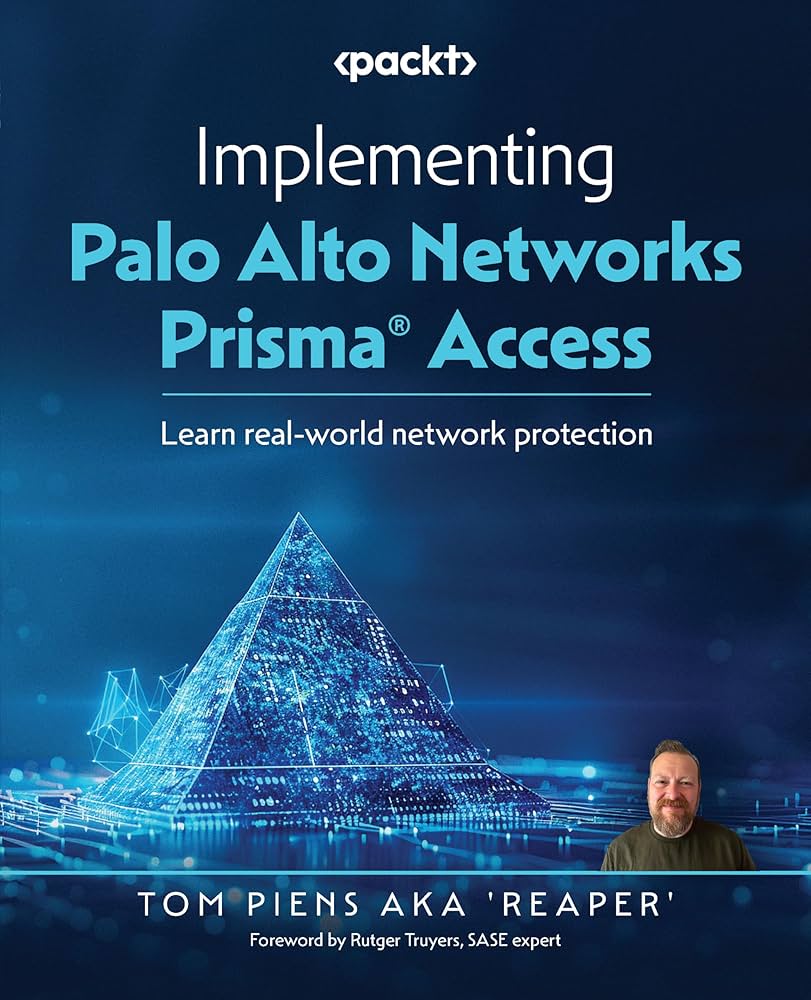
Palo Alto Networks’ Prisma Access shifts the focus from network perimeter to user identity. By embedding segmentation within its SASE (Secure Access Service Edge) framework, it ensures that every user and device is segmented based on identity and context, regardless of location. This is particularly useful for organizations with distributed workforces where traditional network boundaries no longer apply.
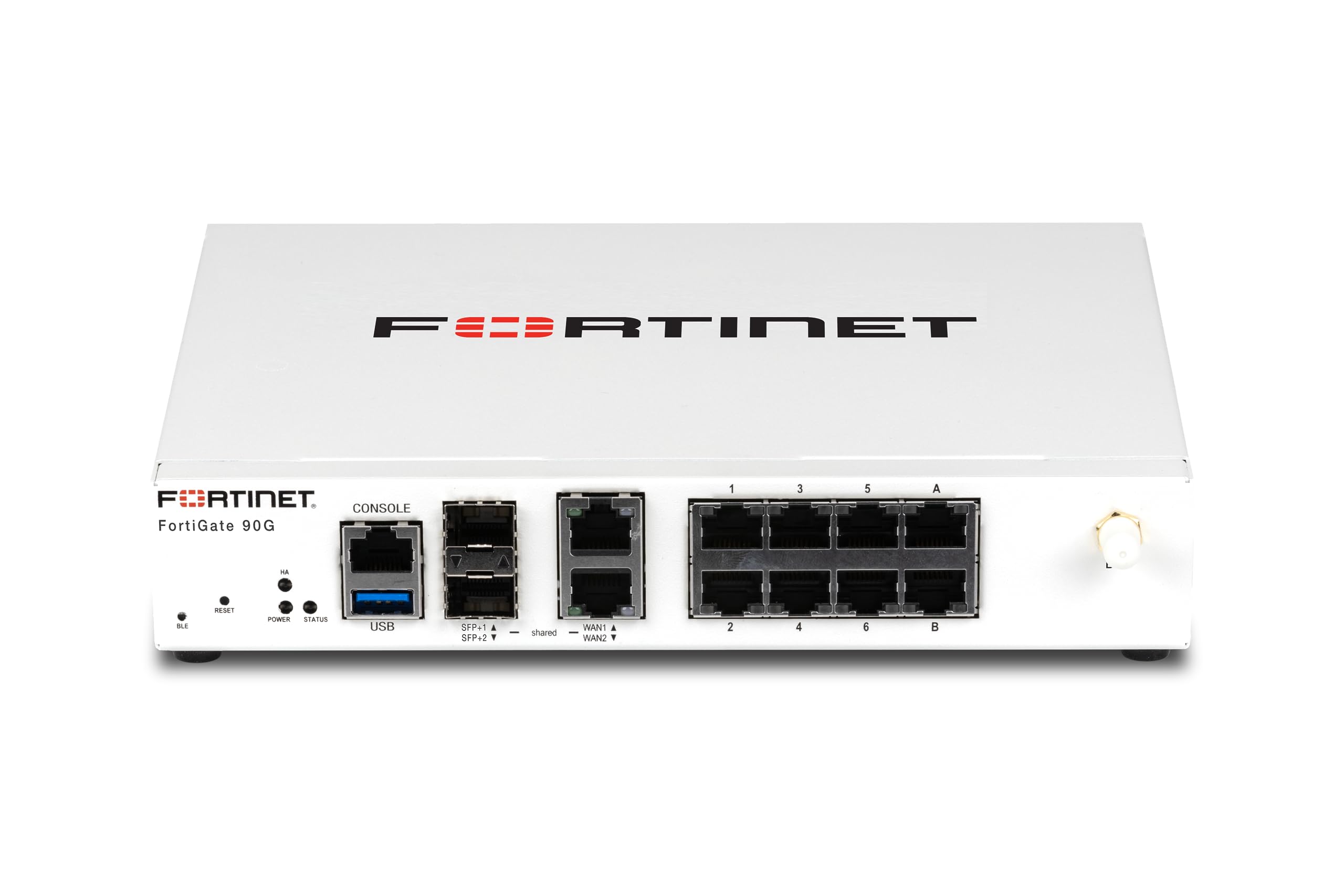
Fortinet offers a unified security fabric that combines segmentation with comprehensive threat prevention. Its FortiGate appliances provide robust hardware and virtual options, making them suitable for on-premise data centers and edge locations. The platform’s AI-driven capabilities help automate threat detection and response, reducing the time required to isolate compromised segments.
When evaluating these options, consider your existing infrastructure and the level of automation you require. Cisco and VMware offer deep integration for specific ecosystems, while Palo Alto and Fortinet provide broader, more flexible architectures. The right choice depends on whether you prioritize strict micro-segmentation, cloud agility, or unified threat management.
Best for AI-driven microsegmentation
Use this section to make the Best Network Segmentation Tools for decision easier to compare in real life, not just on paper. Start with the reader's actual constraint, then separate must-have requirements from details that are merely nice to have. A practical choice should survive normal use, maintenance, timing, and budget. If a recommendation only works in an ideal situation, call that out plainly and give the reader a fallback path.
The simplest way to use this section is to write down the must-have criteria first, then compare each option against those criteria before weighing nice-to-have features.
Best for zero trust network access
Use this section to make the Best Network Segmentation Tools for decision easier to compare in real life, not just on paper. Start with the reader's actual constraint, then separate must-have requirements from details that are merely nice to have. A practical choice should survive normal use, maintenance, timing, and budget. If a recommendation only works in an ideal situation, call that out plainly and give the reader a fallback path.
The simplest way to use this section is to write down the must-have criteria first, then compare each option against those criteria before weighing nice-to-have features.
How to choose a segmentation tool
Best Network Segmentation Tools for works best when the purchase path is explicit. Verify the source, compare the offer against real alternatives, check the total cost, and confirm what happens after payment before you decide. After each comparison, write down the one risk that would change your mind. If the seller, condition, support, warranty, shipping, or upkeep still feels uncertain, resolve that question before moving to checkout.
-
Verify the sellerCheck reputation, included details, delivery terms, and return policy before treating the listing as credible.
-
Compare total costAdd shipping, accessories, maintenance, warranty, and likely replacement costs to the listed price.
-
Confirm fitMatch the option to the real use case before paying for features that will not matter.
Common questions about subnet segmentation
Network segmentation is an architecture that divides a network into smaller sections or subnets. Each network segment acts as its own network, which provides security teams with increased control over the traffic that flows into their systems [src-serp-2]. This isolation helps contain security breaches and limits lateral movement for attackers.
Is network segmentation expensive? Physical segmentation, often called perimeter-based segmentation, is typically expensive and labor-intensive to set up and maintain. However, many modern tools offer virtual segmentation options that reduce the need for costly physical hardware changes.
Helpful gear
Use these product recommendations as a starting point, then choose the size, material, and price point that fit how you actually use the gear.


As an Amazon Associate, we may earn from qualifying purchases.
No comments yet. Be the first to share your thoughts!