
What zero trust architecture actually means
Zero trust architecture is a security framework built on the premise that no user, device, or workload should be trusted by default, regardless of location. Whether an employee is logging in from the corporate office or a coffee shop, the system treats every request as if it originates from an untrusted network. This approach eliminates implicit trust and shifts the focus to continuous verification, visibility, and least-privilege access.
The shift toward this model has accelerated because the traditional perimeter has dissolved. With remote and hybrid work becoming the standard, and AI-driven threats growing more sophisticated, relying on a fortified network edge no longer protects sensitive data. Organizations adopt zero trust to build resilience against both internal mistakes and external attacks by verifying every transaction before granting access.
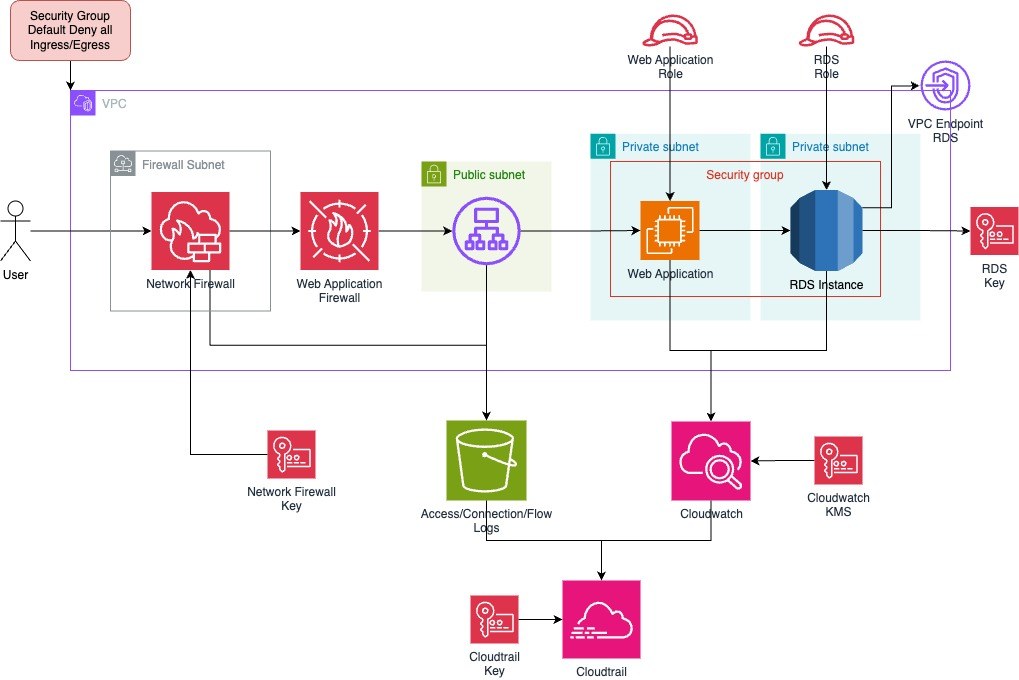
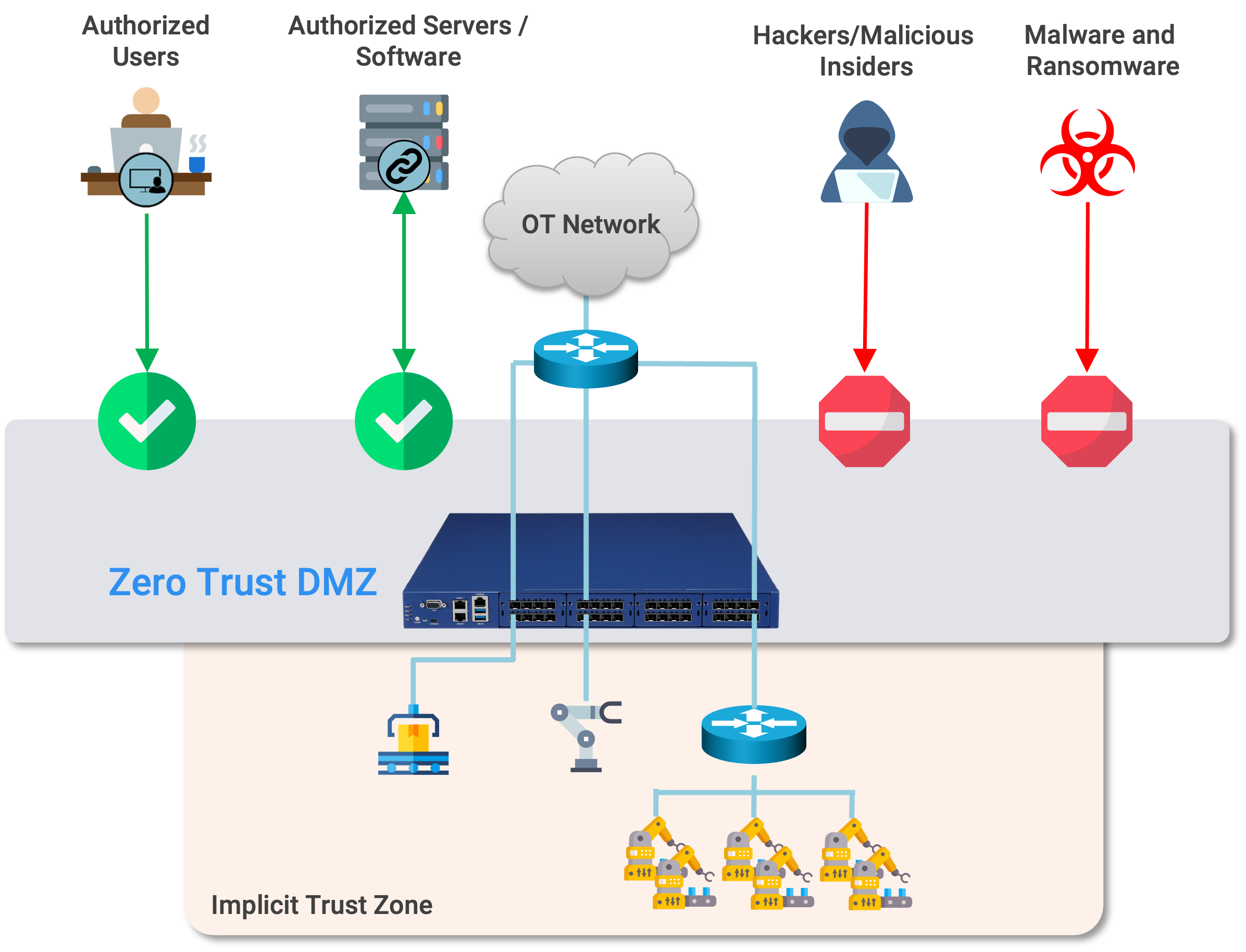
This philosophy changes how security tools interact. Instead of a single firewall guarding the door, zero trust uses micro-segmentation and identity-aware proxies to ensure that even if a threat actor gets inside, they cannot move laterally through the network. It is a fundamental change in mindset, moving from "trust but verify" to "never trust, always verify."
Top zero trust frameworks for 2026
Zero trust relies on specific frameworks to enforce the "never trust, always verify" principle. These platforms move beyond simple perimeter defense, focusing on identity, device health, and micro-segmentation. Choosing the right framework depends on whether your priority is cloud-native scalability, identity-centric access, or network-level enforcement.
1. NIST SP 800-207
The National Institute of Standards and Technology (NIST) provides the foundational blueprint for zero trust. While not a commercial product, NIST SP 800-207 is the reference architecture against which most other frameworks are measured. It emphasizes three core pillars: identity, device, and network resources. Enterprises typically adopt this framework as their internal policy standard, ensuring compliance and a consistent security posture across diverse tools.
2. Microsoft Zero Trust
Microsoft’s framework is deeply integrated into its ecosystem, making it the default choice for organizations already using Azure Active Directory and Microsoft 365. It leverages Conditional Access policies to evaluate user identity, device compliance, and location in real-time. The strength of Microsoft’s approach lies in its seamless integration with existing enterprise tools, reducing the need for complex third-party integrations. For teams heavily invested in the Microsoft stack, this framework offers the path of least resistance for implementation.
3. Google BeyondCorp
BeyondCorp, originally developed for internal use at Google, focuses on removing the concept of a trusted internal network entirely. It treats every user and device as untrusted, regardless of their location. This framework is particularly effective for hybrid and multi-cloud environments. It relies on strong identity verification and continuous monitoring to grant access only to specific applications, not entire networks. Organizations with complex, distributed workforces often find BeyondCorp’s model more adaptable than traditional network-centric approaches.
4. Cisco Secure Zero Trust
Cisco’s approach combines its extensive networking hardware with software-defined access. It is ideal for enterprises that need to enforce zero trust policies across both on-premises and cloud environments. The framework uses Cisco’s Identity Services Engine (ISE) and Secure Access Service Edge (SASE) to provide granular control over network traffic. For organizations with significant physical infrastructure, Cisco offers a robust way to extend zero trust principles to legacy systems and edge devices.
| Framework | Primary Focus | Best For |
|---|---|---|
| NIST SP 800-207 | Policy & Standards | Compliance & Blueprinting |
| Microsoft Zero Trust | Identity & Cloud | Microsoft 365/Azure Shops |
| Google BeyondCorp | Network Elimination | Hybrid/Multi-Cloud |
| Cisco Secure Zero Trust | Network & Access | Legacy/Physical Infrastructure |
Key Takeaways for Selection
When evaluating these frameworks, consider your existing tech stack. If you are already deep in the Microsoft or Google ecosystems, their native frameworks often provide the quickest path to compliance. For organizations with complex hybrid environments, a combined approach using NIST guidelines as the policy layer and Cisco or similar vendors for enforcement may be necessary. Remember that zero trust is a journey, not a destination; start with identity verification and expand to network segmentation as you mature.
Essential zero trust products to consider
Moving from theory to practice requires selecting tools that enforce strict access controls and micro-segmentation. The market for zero trust solutions is expanding rapidly, with major vendors offering integrated suites that cover identity, device health, and network segmentation. Choosing the right stack depends on your existing infrastructure and whether you prioritize cloud-native flexibility or on-premises control.
Modern implementations often start with Identity and Access Management (IAM) platforms. These tools verify user credentials and device posture before granting access to specific applications. Following IAM, network segmentation tools create micro-perimeters around critical assets, ensuring that a breach in one segment does not compromise the entire network. Finally, endpoint detection and response (EDR) solutions monitor devices for anomalies, providing real-time visibility into potential threats.
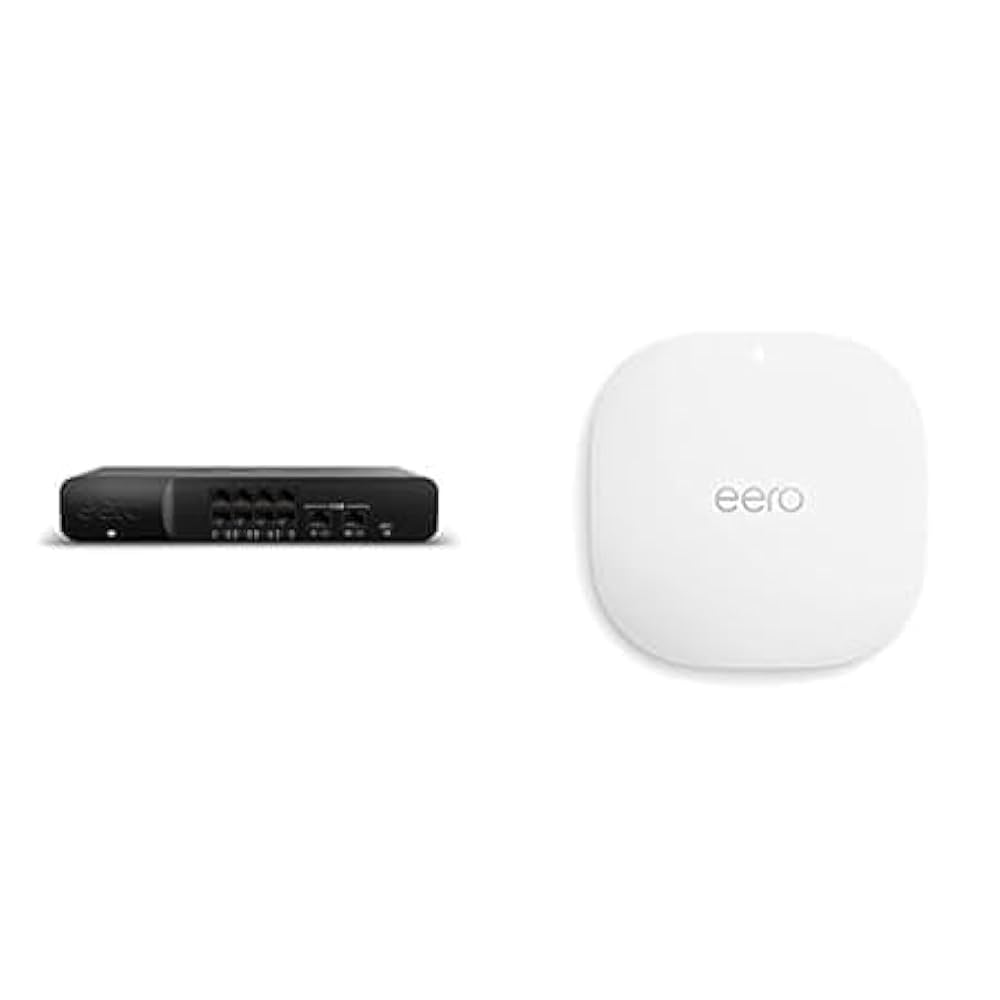
For organizations looking to procure these solutions, several leading vendors dominate the landscape. Products from vendors like Microsoft, Cisco, and Palo Alto Networks offer comprehensive zero trust capabilities. Below is a curated selection of relevant hardware and software products available for purchase to help you build your security foundation.
How to choose a zero trust architecture
Selecting the right zero trust solution requires aligning technical capabilities with your existing infrastructure. NIST guidance emphasizes that zero trust assumes no user or device is trusted by default, regardless of location. Your evaluation should focus on how well a vendor’s platform enforces this principle without disrupting daily operations.
Assess identity and access management
The core of zero trust is verifying every request. Look for solutions that integrate seamlessly with your current identity provider, whether that is Microsoft Entra ID, Okta, or an on-premise directory. The ideal tool offers granular access controls based on user role, device health, and location. Avoid platforms that require a complete rip-and-replace of your identity infrastructure; instead, choose vendors that support federation and single sign-on (SSO) out of the box.
Evaluate network segmentation capabilities
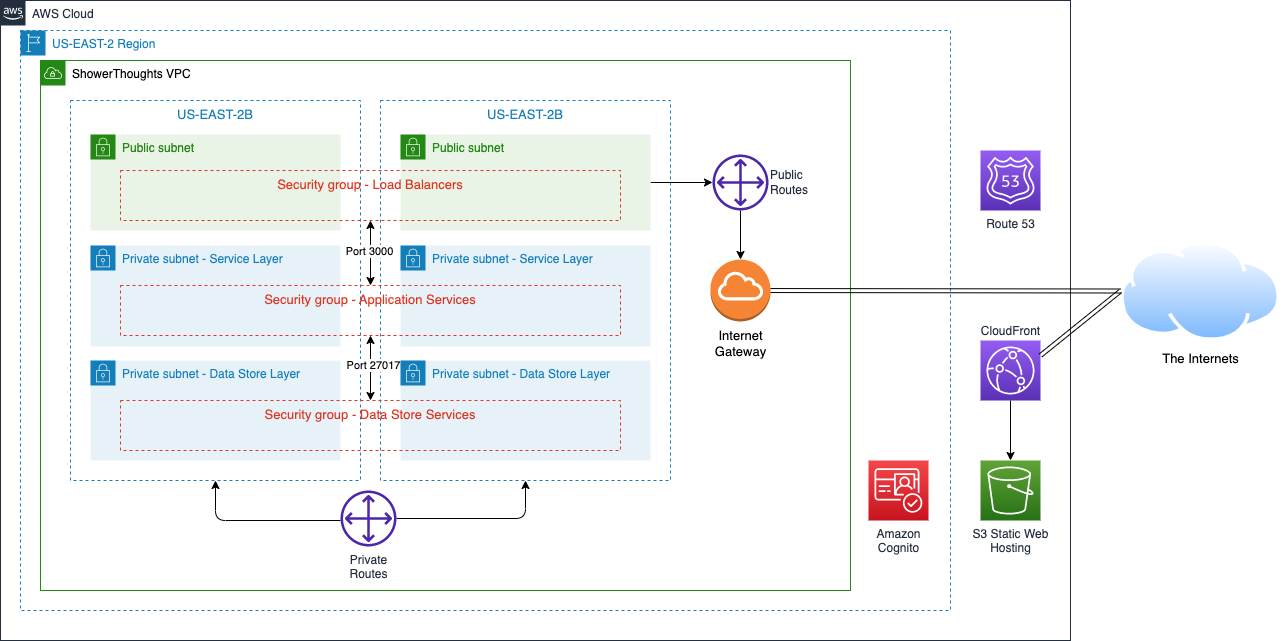
Zero trust relies on micro-segmentation to limit lateral movement. During your proof of concept, test how easily the solution isolates workloads. Does it support software-defined perimeters (SDP) or zero trust network access (ZTNA) models? The best tools allow you to define policies that adapt in real-time, blocking unauthorized access attempts before they reach critical assets. Check if the vendor provides clear visualization of traffic flows to help your security team identify blind spots.
Verify compliance and reporting features
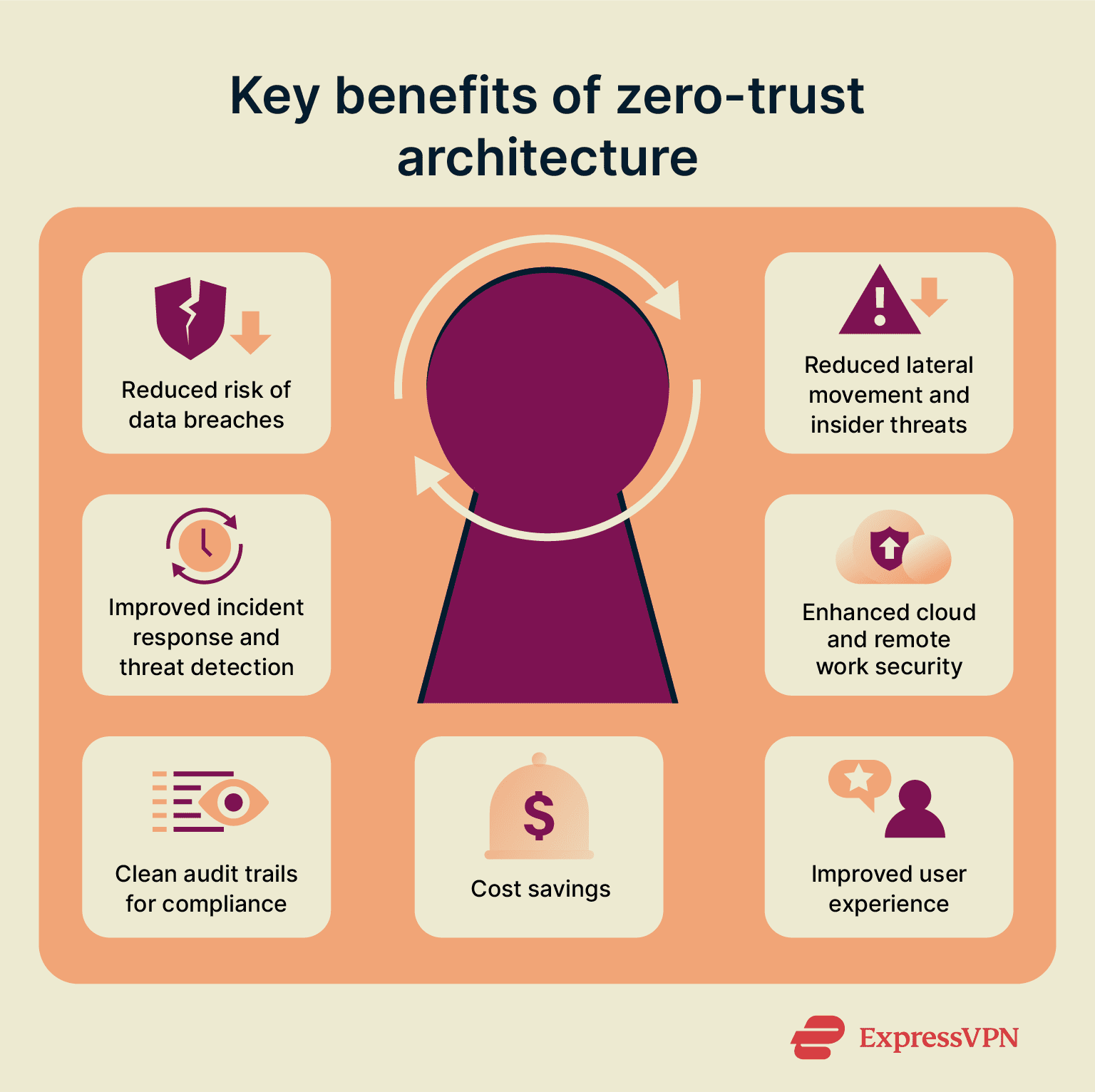
Regulatory requirements like HIPAA, GDPR, or SOC 2 often dictate your security stack. Ensure the zero trust platform offers automated compliance reporting and audit trails. Continuous monitoring and validation are essential for maintaining effective cybersecurity measures. Choose a vendor that provides pre-built templates for common frameworks, reducing the manual effort required to demonstrate compliance during audits.
Compare deployment options
Consider whether a cloud-native, on-premise, or hybrid deployment best suits your environment. Cloud-native solutions offer scalability and automatic updates, while on-premise options may be necessary for air-gapped or highly regulated environments. Evaluate the total cost of ownership, including licensing, maintenance, and the internal resources required for ongoing management. The right choice balances security rigor with operational simplicity.
Map out your critical assets, users, and data flows. Identify which systems require the highest level of protection and which can tolerate more relaxed controls based on risk appetite.
Inventory your existing identity management systems. Ensure the zero trust solution can integrate with these systems to enforce multi-factor authentication (MFA) and conditional access policies.
Run a proof of concept to evaluate how the solution handles micro-segmentation. Verify that it can isolate workloads effectively and provide real-time visibility into network traffic.
Review the vendor’s reporting capabilities. Ensure they can generate audit-ready reports for relevant regulations, reducing the manual effort required for compliance demonstrations.


As an Amazon Associate, we may earn from qualifying purchases.
Common zero trust questions for 2026
As organizations move toward zero trust, practical concerns about implementation and costs often surface. Here are answers to the most frequent questions from security leaders planning their next steps.
No comments yet. Be the first to share your thoughts!