
Why static VLANs fail zero trust
Static VLANs were designed for a network era that no longer exists. In that old model, security relied on a clear perimeter: if you were plugged into a specific port, you were trusted. Today, that assumption is the single biggest vulnerability in enterprise security. Zero trust architecture operates on a different premise—assume breach. It verifies every user and device every time, regardless of location. This fundamental mismatch creates the security gap that dynamic subnetting solves.
The core problem with static VLANs is rigidity. They require manual configuration for every new device or user. When an employee moves from the marketing floor to the sales floor, or connects from a guest laptop, the network administrator must manually reassign VLAN tags. This process is slow, error-prone, and creates a backlog of "shadow IT" where users find workarounds to bypass security protocols. In a zero trust environment, where access must be granted based on identity and context, manual port-based segmentation is simply too slow to keep up with modern mobility.
This rigidity also fosters lateral movement risks. Once an attacker breaches a static VLAN, they are often inside a large, flat network segment. Without dynamic segmentation, the attacker can scan and move laterally to other critical assets with minimal friction. Static VLANs do not adapt to real-time threats or user behavior. They treat a compromised endpoint the same as a trusted server because both are in the same logical group. Dynamic subnetting, by contrast, assigns network access based on real-time identity verification, isolating threats before they can spread.
The transition to dynamic subnetting is not just about automation; it is about shifting from a location-based security model to an identity-based one. In 2026, as remote work and IoT devices proliferate, the ability to dynamically adjust network access based on who is accessing what is no longer optional. It is the foundation of a resilient, zero-trust infrastructure.
How AI-driven dynamic subnets work
Dynamic subnetting 2026 replaces rigid, manual VLAN configurations with a responsive system that treats the network as a living organism. Instead of assigning devices to static subnets based on their physical port or a fixed IP range, the network continuously evaluates identity, behavior, and context in real-time. This shift moves the administrator from being a manual traffic controller to a policy designer, allowing the infrastructure to adapt instantly to changing threats and user needs.
The process relies on a continuous feedback loop between the device, the network sensors, and the central AI engine. When a device connects, it does not simply request an IP address; it initiates a multi-layered assessment. The AI analyzes historical behavior, current location, device health, and user identity to determine the most appropriate network segment. This ensures that a contractor’s laptop on a guest Wi-Fi network never accidentally gains access to the same subnet as a finance department workstation, even if they are physically next to each other.
This automated segmentation is powered by machine learning models that detect anomalies and adjust policies without human intervention. If a device exhibits suspicious behavior, such as unusual data exfiltration or a failed login attempt, the AI can immediately isolate that device into a quarantine subnet or restrict its access privileges. This dynamic response is significantly faster than traditional security measures, which often rely on static rules that cannot adapt to novel threats.
The transition to AI-driven dynamic subnets requires a fundamental change in how network infrastructure is designed. Rather than planning for worst-case scenarios with overly broad access rules, administrators define intent-based policies. The AI then handles the complex task of mapping these policies to specific network segments, ensuring that compliance and security are maintained automatically. This approach not only reduces the administrative burden but also significantly enhances the overall security posture of the organization.
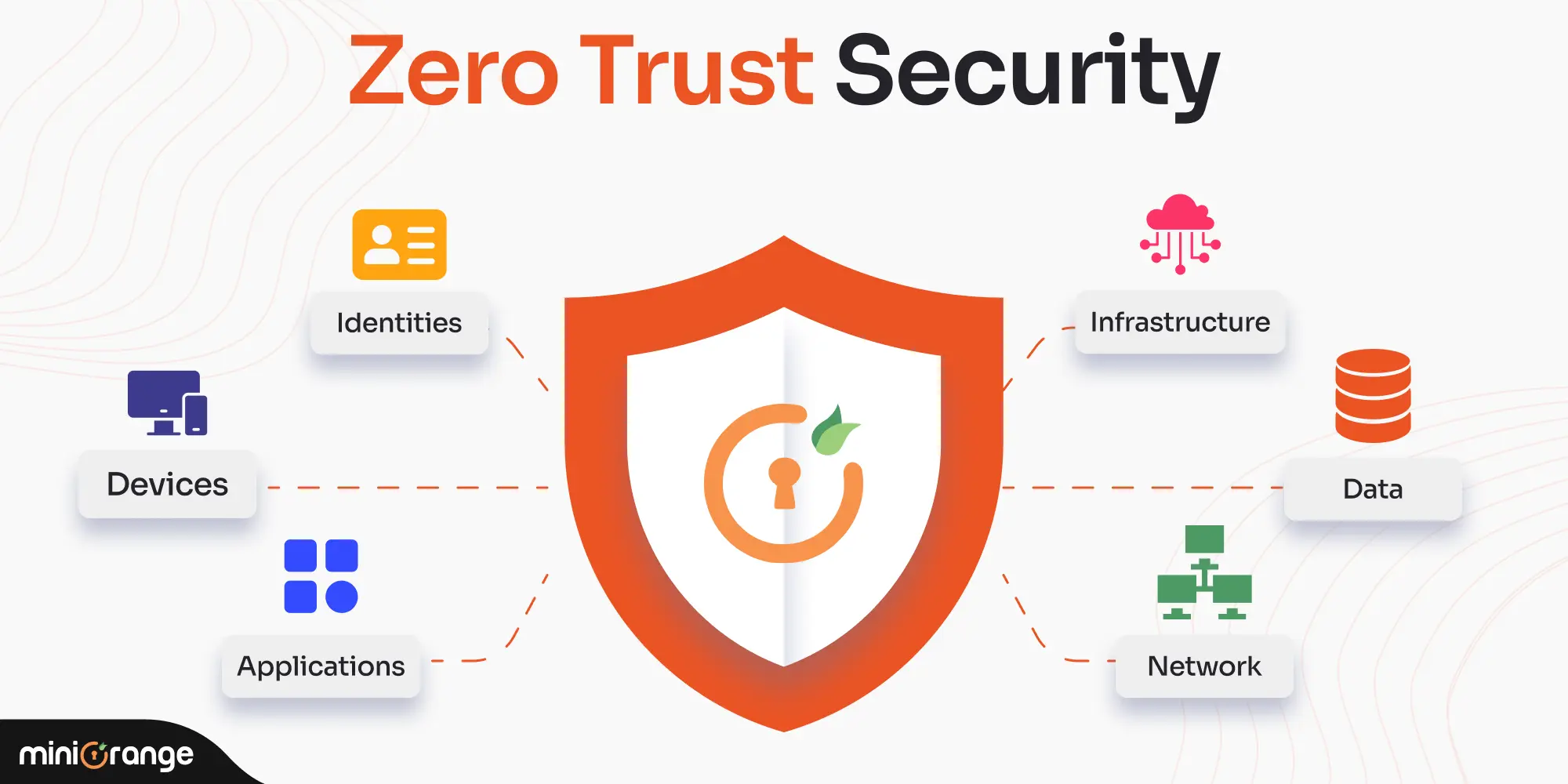
The process begins when a device attempts to connect to the network. Unlike traditional systems that grant immediate access based on MAC address or IP request, the AI engine first verifies the device’s identity. This involves checking digital certificates, user credentials, and device health status against established security policies. The system ensures that only authorized and compliant devices are allowed to interact with the network infrastructure.
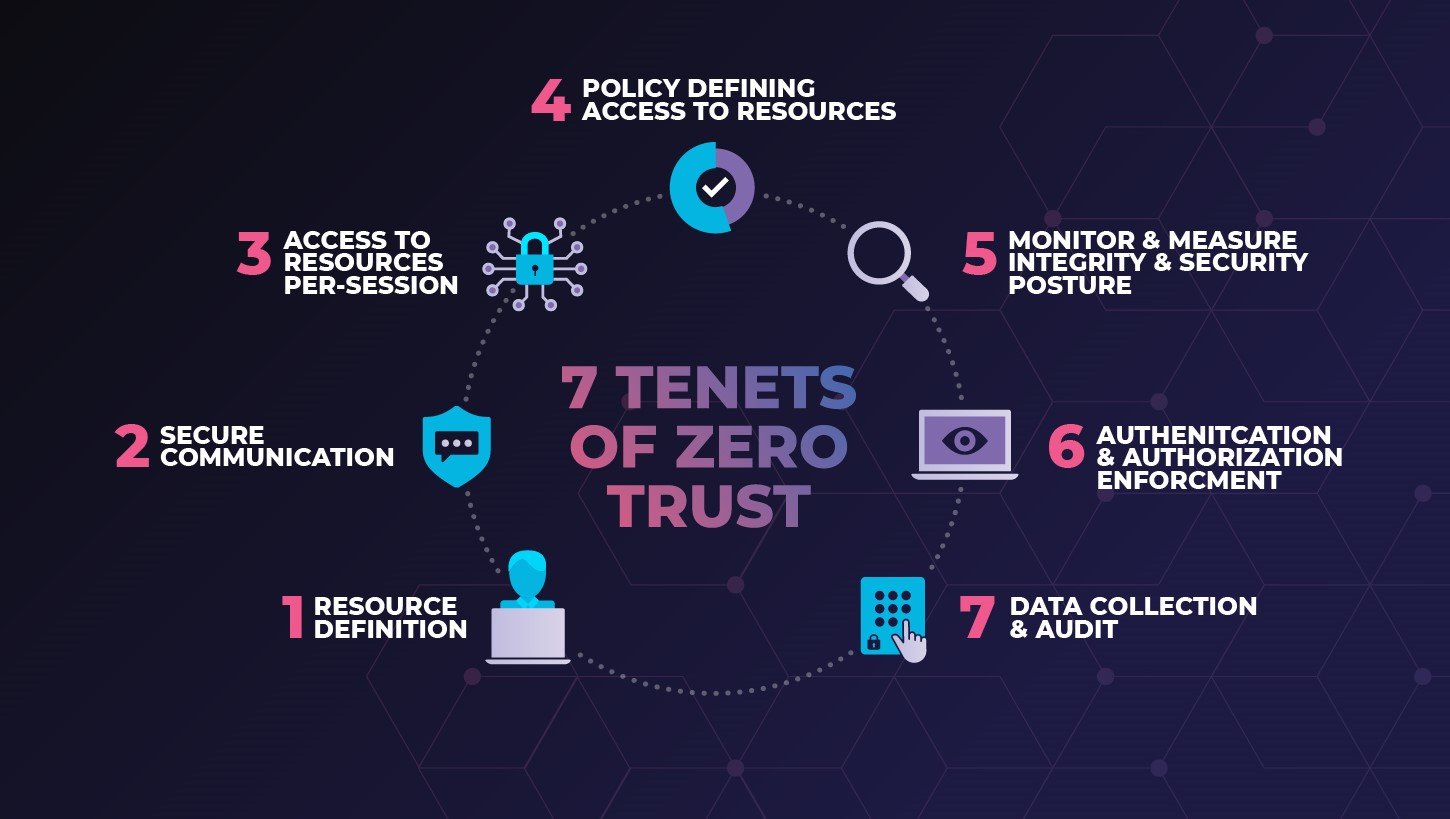
Once identity is confirmed, the AI evaluates the context of the connection. It analyzes factors such as the device’s location, the time of access, the user’s role, and current network traffic patterns. Machine learning models compare this real-time data against historical baselines to detect any anomalies. If the behavior deviates from the norm, the system flags the connection for further scrutiny or immediate restriction, ensuring that potential threats are identified before they can cause harm.
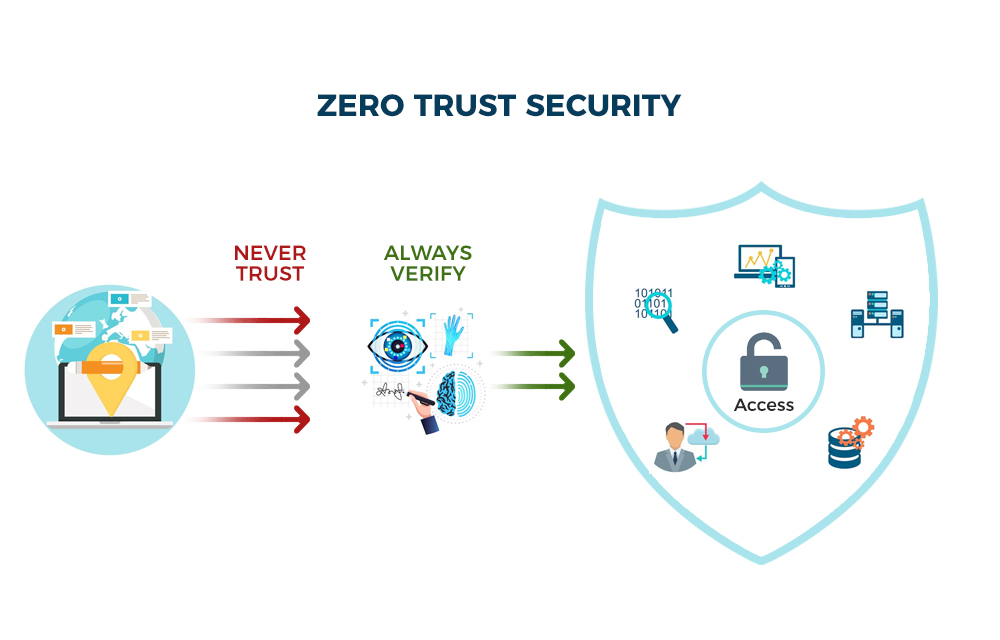
Based on the contextual analysis, the AI engine automatically assigns the device to an appropriate dynamic subnet. This assignment is not permanent; it is tailored to the specific needs and risk profile of the device at that moment. For example, a corporate laptop in the office might be placed in a high-trust subnet with broad access, while the same device connected from a public Wi-Fi hotspot might be moved to a restricted subnet with limited permissions. This ensures that access rights are always aligned with the current risk level.
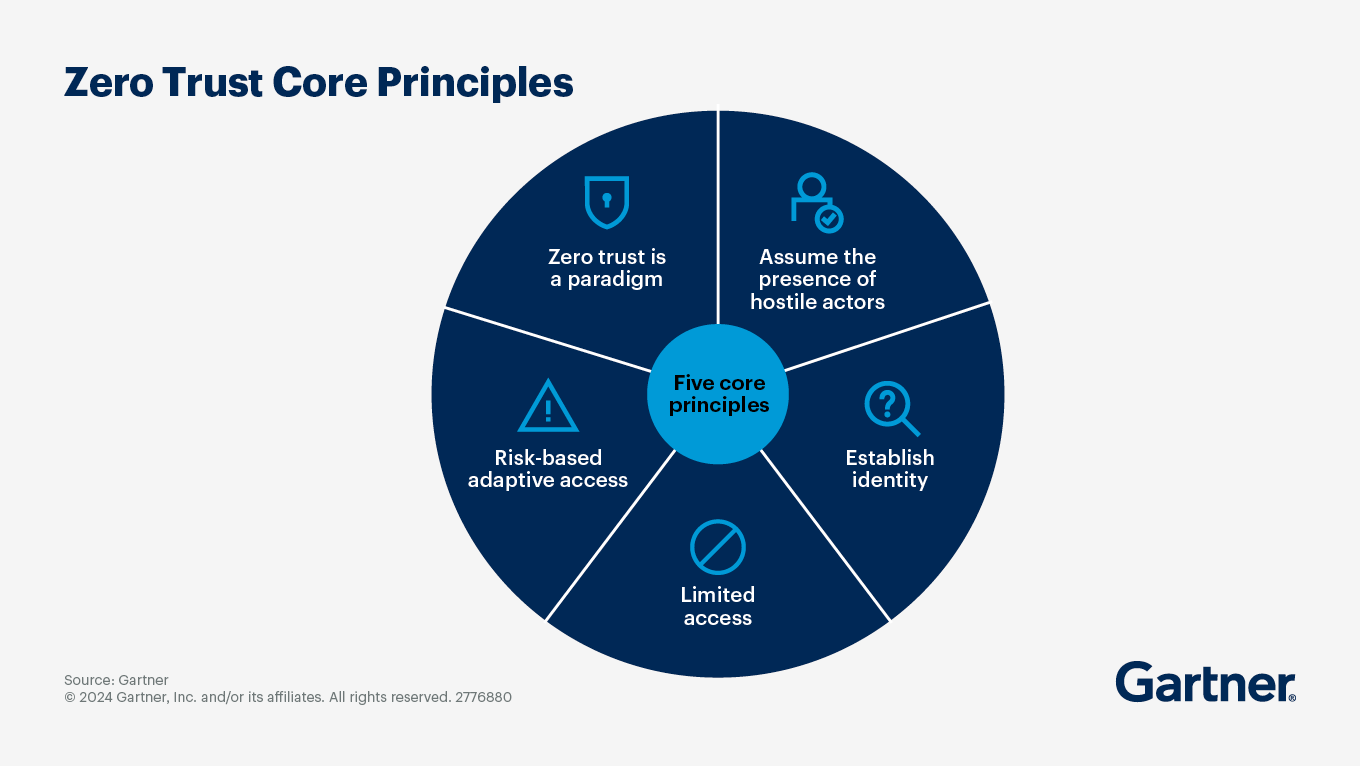
The final step involves continuous monitoring and enforcement of security policies. The AI system constantly tracks the device’s behavior and network activity, adjusting its subnet assignment and access rights as necessary. If the device’s context changes, such as moving to a different location or exhibiting suspicious activity, the system can dynamically re-segment the device or revoke access entirely. This real-time adaptation ensures that the network remains secure and compliant with organizational policies at all times.
Static VLANs vs dynamic subnetting comparison
Choosing between static VLANs and dynamic subnetting depends on your network's growth trajectory and security requirements. Static VLANs assign ports to specific network segments manually, offering predictable performance but requiring significant administrative effort as the network scales. Dynamic subnetting, often leveraging protocols like DHCP and SDN controllers, automates IP assignment and segmentation, adapting to traffic patterns and device needs in real time.
The following table breaks down the key trade-offs across five critical metrics. This comparison highlights why dynamic subnetting is increasingly favored in modern, AI-driven network environments.
| Metric | Static VLANs | Dynamic Subnetting |
|---|---|---|
| Scalability | Low. Requires manual port configuration and IP planning for each new device or segment. | High. Automatically assigns IPs and segments based on policy, user role, or AI-driven traffic analysis. |
| Security Posture | Moderate. Relies on physical port access and static ACLs. Vulnerable to internal threats if ports are misconfigured. | Strong. Enables micro-segmentation and policy-based access control that follows the user or device, not the port. |
| Management Overhead | High. Network engineers must manually track IP addresses, update VLAN assignments, and troubleshoot configuration drift. | Low. Centralized controllers manage assignments, reducing human error and freeing IT staff for strategic tasks. |
| Latency | Consistent. Predictable path with minimal processing overhead since routing rules are fixed. | Variable. May introduce slight processing delay for policy evaluation, though modern SDN controllers minimize this impact. |
| Cost | Lower upfront. Uses existing L2 switches without requiring advanced software licenses or controllers. | Higher upfront. Requires investment in SDN controllers, dynamic DHCP servers, or AI-driven network management platforms. |
For organizations with rigid, unchanging structures, static VLANs remain a viable, cost-effective solution. However, as dynamic subnetting becomes the standard for 2026 network architectures, its ability to scale and secure environments automatically offers a compelling advantage for most growing businesses.
The cost of implementation
Dynamic subnetting 2026 requires a different financial approach than traditional static VLANs. The upfront investment is higher because you are purchasing or licensing AI-driven orchestration software and integrating it with existing network infrastructure. This is not just a software swap; it involves configuration, testing, and staff training to manage the new automation layer.
Static VLANs, by contrast, have near-zero software costs but high operational overhead. Every new device or department change requires manual IP address allocation, subnet recalculations, and potential DHCP scope adjustments. This manual labor consumes IT hours that could be spent on strategic initiatives. In larger networks, these manual tasks accumulate quickly, leading to configuration drift and increased risk of human error.
The tradeoff becomes clear when you factor in long-term operational costs. While static VLANs seem cheaper initially, the cost of maintaining them grows with network complexity. Dynamic subnetting automates these tasks, reducing the time IT staff spend on routine configuration. This shift from manual labor to automated management often results in lower total cost of ownership over a three to five-year period.
To help you visualize this investment, use the calculator below to estimate the cost difference between managing static VLANs manually and implementing an AI-driven dynamic subnetting solution.
When static VLANs make sense
Dynamic subnetting for 2026 networks is powerful, but it isn’t a universal replacement for legacy infrastructure. Static VLANs remain the standard for environments where predictability outweighs the need for automated IP management. If your network topology is fixed, the overhead of dynamic assignment often adds complexity without delivering tangible benefits.
Consider a secure, isolated segment for industrial control systems or a permanent guest Wi-Fi network. In these cases, the devices rarely move, and the IP requirements do not change. Assigning static subnets here ensures that critical traffic is always routed correctly, eliminating the risk of DHCP failures or misconfigured leases disrupting operations. The simplicity of manual configuration reduces the attack surface associated with dynamic protocols.
You should also stick with static VLANs when budget constraints are tight. Dynamic subnetting solutions often require specialized hardware, software licenses, or additional management planes. For small businesses or branch offices with limited IT staff, maintaining a straightforward static VLAN structure is more cost-effective and easier to troubleshoot. The trade-off is clear: you sacrifice automation for stability and lower operational costs.
If your primary goal is segmentation rather than agility, static VLANs provide a robust foundation. They are easier to audit, document, and secure. While dynamic subnetting offers flexibility for mobile workforces, static configurations remain the most reliable choice for permanent, high-security, or resource-constrained environments.
Is CIDR still relevant today?
Yes, Classless Inter-Domain Routing (CIDR) remains the foundational syntax for defining subnets in 2026. Whether you are configuring traditional static VLANs or deploying AI-driven dynamic segmentation, CIDR notation is the standard method for representing IP addresses and their associated network masks.
CIDR replaced the old fixed-size classful system, offering the compact syntax needed to specify network prefix lengths. This flexibility is essential for modern dynamic subnetting, where algorithms must efficiently allocate and reallocate address blocks based on real-time demand. Without CIDR, the granular control required for efficient IP utilization in complex, changing networks would be impossible.
While the underlying logic of subnetting has evolved with automation, the notation itself has not. It serves as the universal language between network devices, cloud providers, and management software. Understanding CIDR is not just a legacy requirement; it is a prerequisite for interpreting and managing any modern IP infrastructure.
No comments yet. Be the first to share your thoughts!