Budget fit for AI-driven micro-segmentation
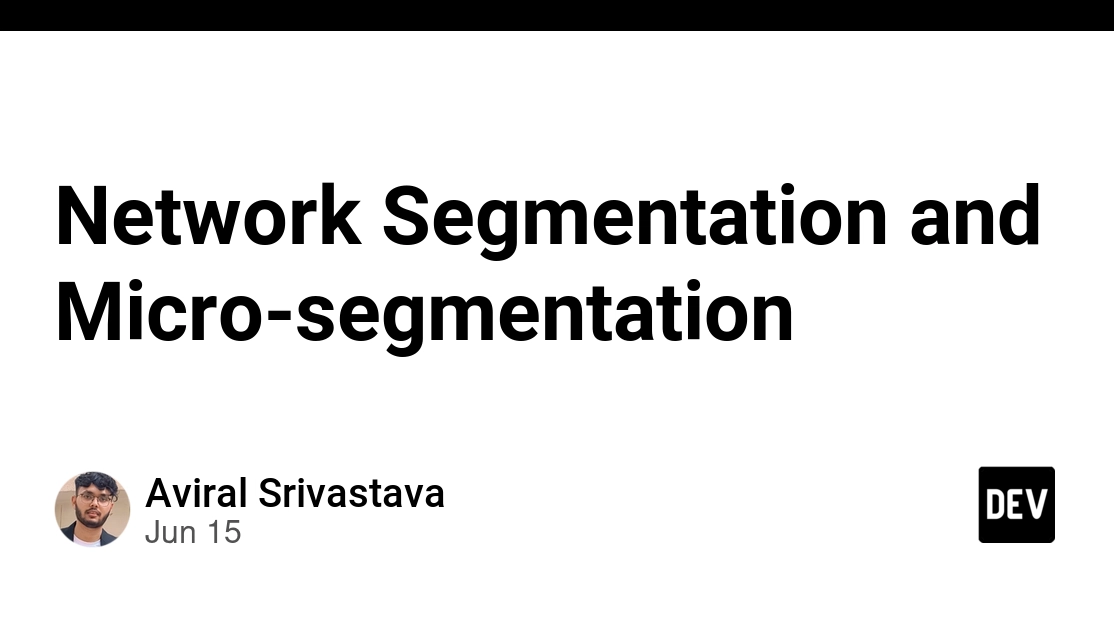
Choosing a micro-segmentation solution requires balancing upfront licensing costs with the operational overhead of management. Enterprise-grade platforms like VMware NSX or Cisco ACI command premium prices but offer deep integration with existing virtualization stacks. For organizations already invested in these ecosystems, the marginal cost of deployment is lower, making the total cost of ownership more predictable.
Open-source alternatives such as Cilium or Calico provide a zero-cost entry point for cloud-native environments. However, these solutions demand significant engineering hours to configure and maintain. The "free" price tag often shifts expenses to internal labor, which can erode budget savings if your team lacks dedicated Kubernetes security specialists.
When evaluating vendors, look for AI-driven automation that reduces manual policy definition. Solutions that automatically detect anomalous traffic patterns and enforce segmentation rules without human intervention offer better long-term value. This automation minimizes the risk of policy drift, a common issue where static rules become outdated and create security gaps.

As an Amazon Associate, we may earn from qualifying purchases.
Startups and mid-market companies often benefit from SaaS-based segmentation services. These models convert capital expenditure into predictable operational expenses. While less flexible than on-premise hardware, they reduce the burden of infrastructure maintenance and allow teams to focus on core business logic rather than network plumbing.
Compare the strongest AI-driven micro-segmentation options
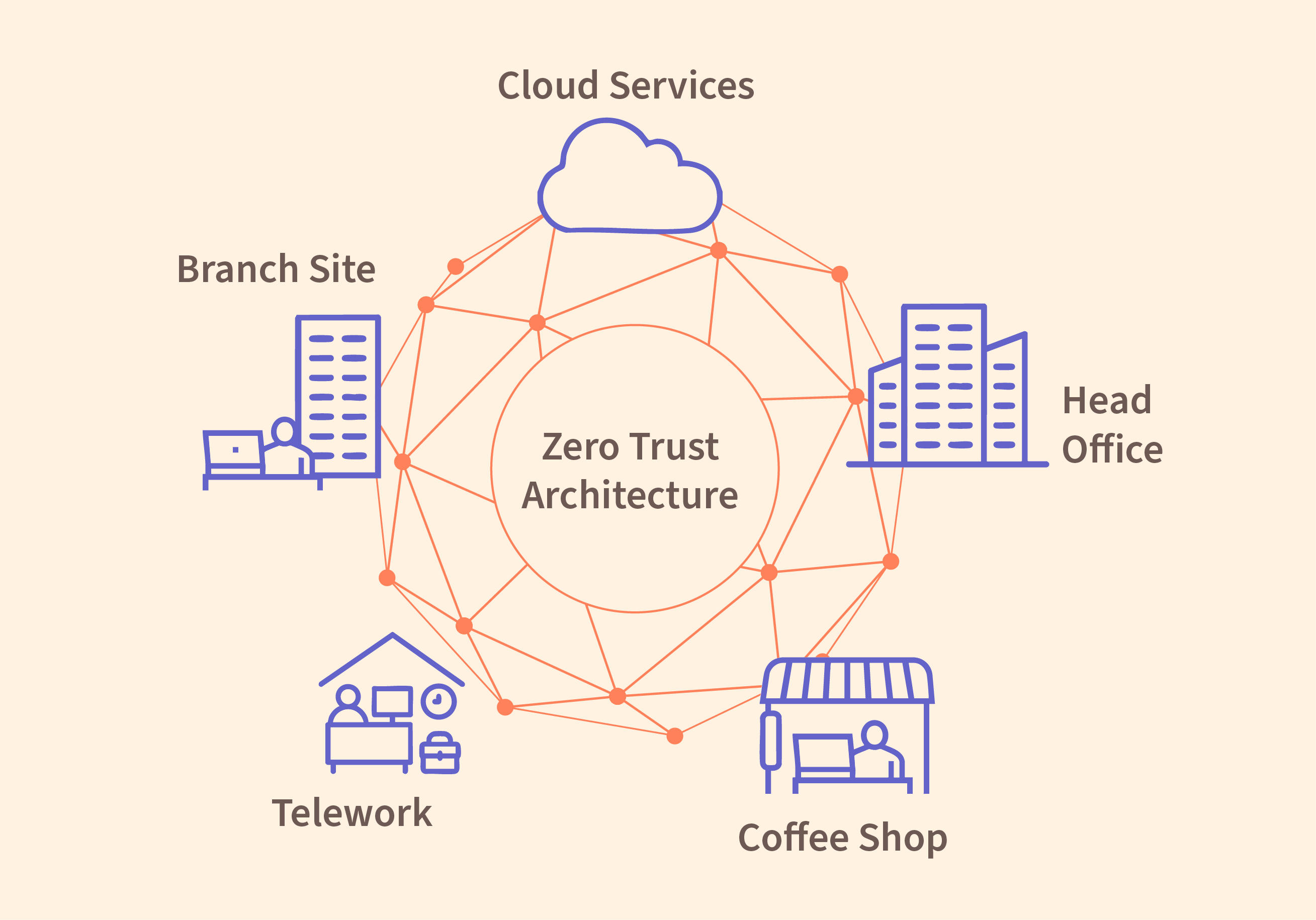
Zero Trust relies on strict access controls, and AI-driven micro-segmentation is the engine that makes it scalable. Instead of relying on static firewall rules, these platforms use machine learning to map network traffic and dynamically enforce policies. The result is a security posture that adapts to threats in real time, preventing lateral movement before it starts.
Choosing the right solution requires balancing automation depth with infrastructure compatibility. Some platforms excel at visualizing traffic flows, while others focus on automated policy generation. Below, we compare leading options based on their ability to integrate with existing enterprise stacks and deliver actionable insights.
| Vendor | AI Focus | Key Integration | Best For |
|---|---|---|---|
| Tenable | Vulnerability correlation | Cloud security platforms | Organizations prioritizing risk-based segmentation |
| VMware NSX | Automated policy enforcement | VMware cloud environments | Hybrid cloud data centers |
| Cisco Tetration | Behavioral analytics | Cisco ACI networks | Existing Cisco infrastructure |
| Broadcom Symantec | Threat intelligence | Endpoint detection systems | Endpoint-centric security models |
Each vendor approaches the problem differently. Tenable leans heavily on vulnerability data to inform segmentation decisions, making it ideal for teams that want to prioritize risks. VMware NSX offers tight integration for those already invested in its virtualization stack, automating policy updates as workloads move. Cisco Tetivation provides deep behavioral analytics, which is valuable for maintaining visibility in complex, on-premise environments.
When evaluating these options, look for platforms that offer clear visibility into traffic patterns and automated policy recommendations. The best tools reduce the manual overhead of maintaining segment rules while providing the granularity needed to contain potential breaches.
Inspect the expensive parts
Use this section to make the Zero Trust decision easier to compare in real life, not just on paper. Start with the reader's actual constraint, then separate must-have requirements from details that are merely nice to have. A practical choice should survive normal use, maintenance, timing, and budget. If a recommendation only works in an ideal situation, call that out plainly and give the reader a fallback path.
-
Verify the basicsConfirm the core specs, condition, and fit before comparing extras.
-
Price the downsideLook for the repair, maintenance, or replacement cost that would change the decision.
-
Compare alternativesCheck at least two comparable options before treating one listing as the benchmark.
Ownership costs and maintenance surprises
The sticker price of an AI-driven segmentation platform is rarely the final invoice. While the initial license might look competitive, the real expense often hides in the integration and ongoing management layers. Without automated policy enforcement, the manual overhead of tuning micro-segments can quickly outpace the cost of the software itself. You are essentially trading upfront capital for long-term operational complexity.
Maintenance surprises typically emerge when the network topology changes faster than your security policies can adapt. In a dynamic enterprise environment, static rules become obsolete within weeks, requiring constant human intervention to prevent access bottlenecks or security gaps. If the AI component lacks true self-healing capabilities, your team spends more time debugging false positives than defending against threats. This operational drag turns a "cheap" buy into a resource sink.
A low-cost solution stops being cheap when the total cost of ownership (TCO) exceeds the value it delivers. Consider the hidden costs: training time for your security team, potential downtime during policy conflicts, and the opportunity cost of delayed deployments. If a platform requires significant custom scripting to function as advertised, you are paying for development hours rather than a turnkey security posture. Evaluate the full lifecycle cost, not just the first-year license.


As an Amazon Associate, we may earn from qualifying purchases.
No comments yet. Be the first to share your thoughts!