
Budget Fit for AI-Driven Micro-Segmentation
Choosing the right micro-segmentation tool depends on your current infrastructure age and the specific threats you need to isolate. You are not just buying software; you are buying the ability to contain lateral movement in real time. The price varies significantly between cloud-native agents and legacy hardware appliances.
Cloud-Native Agents
These solutions deploy lightweight software on endpoints or containers. They are ideal for modern, dynamic environments where IP addresses change frequently. While the subscription cost is predictable, you must budget for the integration time with your existing cloud provider APIs. This approach offers the highest flexibility but requires a mature DevSecOps pipeline.
Hardware-Appliance Gateways
For hybrid or on-premise data centers, dedicated hardware gateways provide deep packet inspection at the network edge. The upfront capital expenditure is higher, and the hardware has a finite lifespan. However, these appliances offload processing from your servers, which can improve overall network performance. They are best suited for static workloads that do not move between physical hosts often.
Managed Security Services
If internal teams lack the expertise to tune AI-driven policies, managed services offer a turnkey solution. You pay a monthly fee for monitoring and incident response. This reduces the risk of misconfiguration but creates a dependency on the vendor. It is the most expensive option per user but often the most effective for organizations with limited security staff.


As an Amazon Associate, we may earn from qualifying purchases.
Compare the strongest AI-driven micro-segmentation options
AI-driven micro-segmentation moves beyond static network zones by using machine learning to create dynamic, adaptive security policies. This approach automates the isolation of workloads, reducing operational overhead and preventing the lateral movement of cyber threats. For enterprise networks in 2026, choosing the right solution means balancing real-time threat intelligence with ease of deployment.
The following comparison highlights leading platforms that integrate AI to enhance network visibility and security. These tools differ in their primary focus, from comprehensive cloud-native security to specialized threat intelligence integration.
| Product | Primary Focus | Deployment Model | AI Feature |
|---|
Inspect the expensive parts
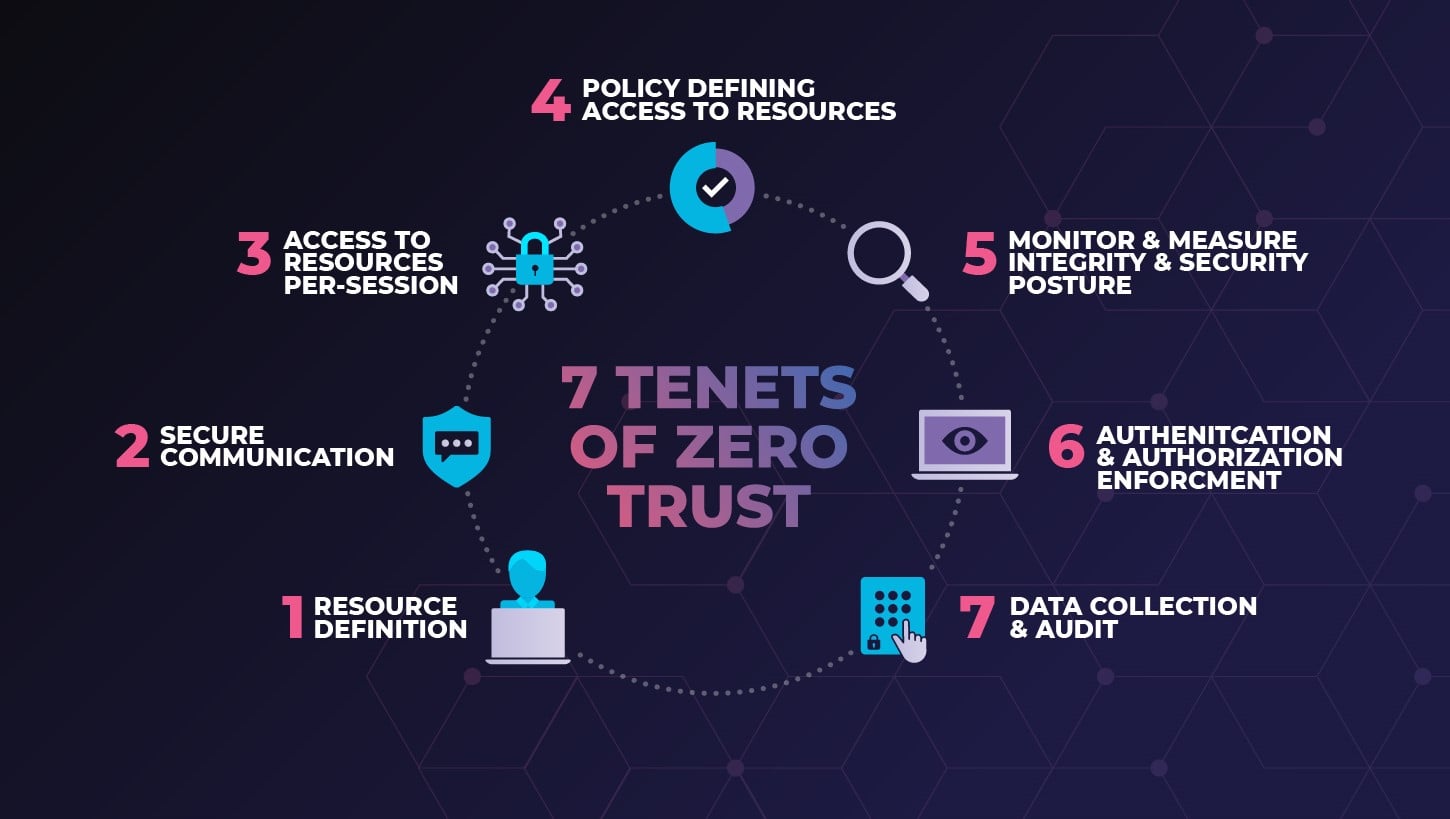
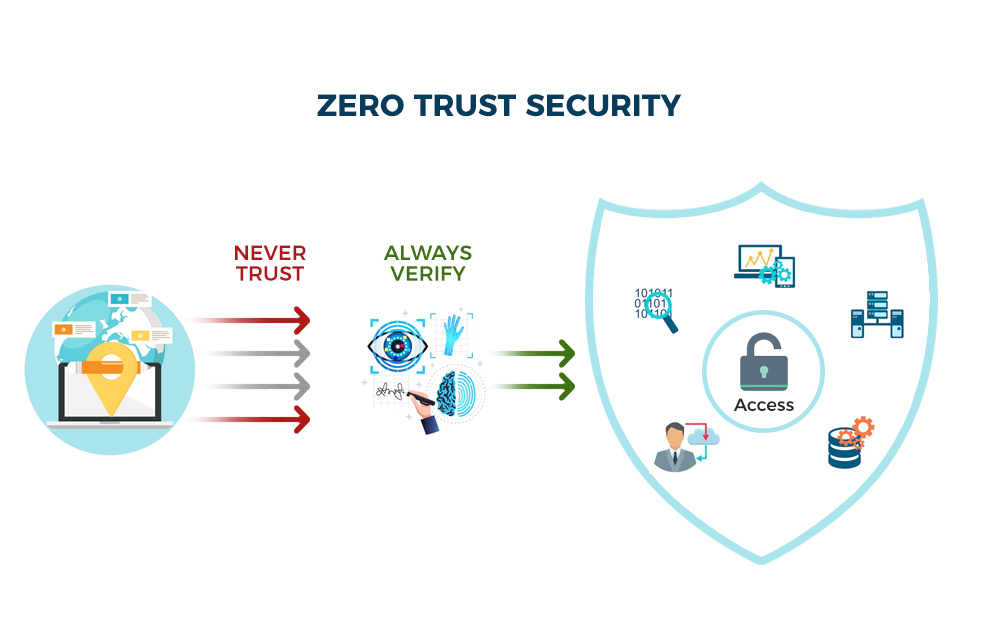
Micro-segmentation policies are only as strong as the infrastructure enforcing them. In 2026, AI-driven models shift the burden from manual rule-writing to automated policy generation, but hardware bottlenecks remain a primary failure point. If your inspection checklist skips the physical and logical choke points, your zero trust architecture will degrade into a performance liability.
Start by verifying that your network switches and routers can handle the overhead of deep packet inspection without introducing latency. AI models require real-time telemetry; if the underlying switches cannot process encrypted traffic at line rate, the segmentation engine will drop packets or delay responses, breaking application availability. This is not a theoretical risk—it is the most common cause of micro-segmentation rollout failures in enterprise environments.
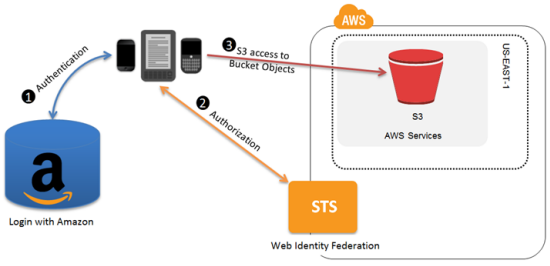
Next, audit the identity providers feeding the AI engine. AI-driven segmentation relies on continuous verification of user and device identity. If your identity provider (IdP) is slow or unreliable, the segmentation policy will either default to permissive access or block legitimate traffic. Ensure your IdP has high availability and low latency, and that it integrates seamlessly with your segmentation controller.
Finally, test the fail-open vs. fail-closed behavior of your segmentation policies. In a true zero trust model, the default should be deny. However, in practice, a misconfigured policy can lock out critical business applications. Run regular penetration tests and chaos engineering exercises to ensure that your segmentation policies are enforced correctly and that any failures result in a secure, predictable state rather than a total outage.


As an Amazon Associate, we may earn from qualifying purchases.
Ownership Costs: When Cheap Stops Being Cheap
The sticker price of micro-segmentation tools is often the easiest part of the budget to estimate. The real expense lives in the hours your team spends managing the policies that keep your network secure. AI-driven segmentation automates the creation of these rules, but it does not remove the need for human oversight. You still need to review alerts, adjust exceptions, and ensure the AI isn't blocking legitimate traffic.
Maintenance surprises usually come from two places: policy drift and integration complexity. As your infrastructure changes, the AI must constantly relearn the traffic patterns. If your team doesn't allocate time for regular audits, the segmentation can become either too restrictive or too permissive. A tool that requires extensive custom scripting to integrate with your existing SIEM or cloud environment will quickly drain your engineering resources.
Consider the total cost of ownership over three years. A cheaper solution might lack advanced AI capabilities, forcing you to hire more staff or invest in additional manual processes. Conversely, a premium tool with robust AI automation can reduce long-term operational burden. The goal is to find the balance where the tool saves more time than it consumes to manage.

As an Amazon Associate, we may earn from qualifying purchases.
No comments yet. Be the first to share your thoughts!