
Zero Trust Architecture 2026 Budget
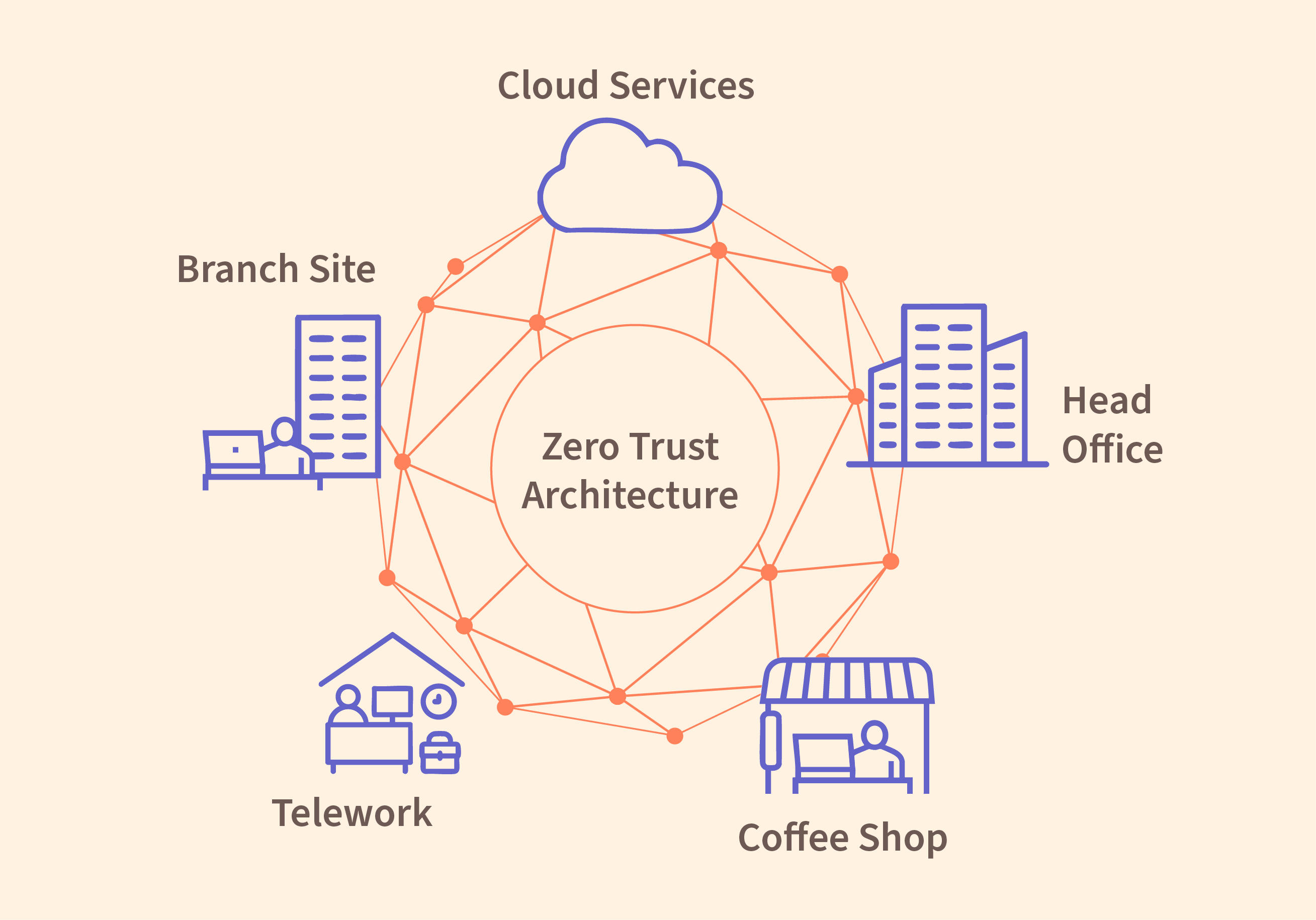
Zero trust architecture (ZTA) is a security framework that operates on the principle of “never trust, always verify.” It eliminates implicit trust based on network location, requiring continuous validation of every user, device, and workload. For enterprise security teams in 2026, this means moving away from perimeter-based defenses toward dynamic subnet segmentation and identity-centric controls. However, implementing a full ZTA can be costly, so understanding the budget fit is essential.
The cost of zero trust varies significantly based on the scale of your infrastructure and the specific components you choose. Small businesses might start with a few key tools, while larger enterprises often need a comprehensive suite of solutions. The key is to prioritize based on your most critical assets and highest-risk areas.
Essential Zero Trust Tools for 2026
Investing in the right tools is crucial for a successful zero trust implementation. Here are some of the top-rated zero trust tools available on Amazon that can help you build a robust security posture.


As an Amazon Associate, we may earn from qualifying purchases.
When selecting these tools, consider how they integrate with your existing infrastructure. Look for solutions that offer seamless integration with your current identity providers and network devices. This will help reduce implementation time and minimize disruption to your operations.
Balancing Cost and Security
While it’s tempting to go for the most feature-rich solutions, it’s important to balance cost with security needs. Start by identifying your most critical assets and prioritize protecting those first. This approach allows you to build a solid foundation before expanding to other areas.
Additionally, consider the total cost of ownership (TCO) when evaluating zero trust tools. This includes not just the upfront cost of the software or hardware, but also the ongoing costs of maintenance, updates, and support. Choosing tools with a strong community and vendor support can help reduce these long-term costs.
Implementation Tips
Implementing zero trust architecture requires careful planning and execution. Start by conducting a thorough audit of your current network and security posture. Identify any gaps or vulnerabilities that need to be addressed. Then, develop a phased implementation plan that prioritizes the most critical areas.
Training your team is also crucial. Ensure that everyone understands the principles of zero trust and how to implement them effectively. This will help ensure a smooth transition and maximize the benefits of your zero trust investment.
Zero trust architecture 2026 options
Dynamic subnet segmentation is no longer optional; it is the baseline for enterprise security in 2026. As remote work and cloud infrastructure blur traditional network boundaries, static firewalls fail to stop lateral movement. The strongest zero trust architecture 2026 options focus on identity verification, micro-segmentation, and continuous monitoring to isolate threats before they spread.
Choosing the right solution depends on your existing infrastructure and compliance requirements. Below, we compare four leading frameworks that dominate the market this year. These options range from comprehensive platform suites to specialized identity-first tools.
Zscaler leads the market for organizations prioritizing a cloud-native approach. Their Secure Service Edge (SSE) platform intercepts all traffic at the edge, ensuring that zero trust principles are applied regardless of user location. It is particularly effective for companies that have fully abandoned on-premise data centers.
Palo Alto Networks Prisma Access offers a compelling choice for enterprises already invested in their ecosystem. By integrating SASE with their existing firewall management, it reduces the operational overhead of managing separate security tools. This integration makes it a practical choice for large-scale hybrid deployments.
Microsoft Entra ID (formerly Azure AD) is the default choice for businesses heavily reliant on Microsoft 365. Its deep integration with Windows and Office applications allows for seamless conditional access policies. While it lacks some advanced network visibility features, its identity-centric model is sufficient for most standard enterprise needs.
Illumio specializes in micro-segmentation, making it ideal for protecting legacy workloads in hybrid clouds. It applies zero trust policies directly to applications rather than relying solely on network perimeter controls. This granular approach is essential for healthcare and financial institutions with complex, on-premise infrastructure.


As an Amazon Associate, we may earn from qualifying purchases.
When evaluating these options, consider your team's expertise. Cloud-native tools require different skills than on-premise segmentation software. Start with a pilot program to test visibility and latency impacts before full deployment.
The landscape of zero trust architecture 2026 favors flexibility and identity verification. By comparing these options against your specific infrastructure needs, you can build a resilient security posture that adapts to evolving threats.
Inspect the expensive parts
Use this section to make the Zero Trust decision easier to compare in real life, not just on paper. Start with the reader's actual constraint, then separate must-have requirements from details that are merely nice to have. A practical choice should survive normal use, maintenance, timing, and budget. If a recommendation only works in an ideal situation, call that out plainly and give the reader a fallback path.
-
Verify the basicsConfirm the core specs, condition, and fit before comparing extras.
-
Price the downsideLook for the repair, maintenance, or replacement cost that would change the decision.
-
Compare alternativesCheck at least two comparable options before treating one listing as the benchmark.
Plan for ownership costs
The sticker price of a zero-trust platform is rarely the final bill. Dynamic subnet segmentation requires continuous tuning as your network topology evolves. If you buy a tool that promises "set it and forget it" security, you are likely underestimating the maintenance burden. The initial configuration might take hours, but the ongoing refinement takes weeks of engineering time.
Maintenance surprises often come from identity integration. Zero trust relies on verifying every user and device. If your identity provider changes frequently, your segmentation policies need constant updates. A cheap license becomes expensive when your team spends twenty hours a month adjusting access rules instead of building features.
Consider the total cost of ownership over three years. Include the cost of training, the salary of the engineers maintaining the policies, and the potential downtime during misconfigurations. A platform that requires manual intervention for every new server deployment will drain your budget faster than a premium solution with automation.


As an Amazon Associate, we may earn from qualifying purchases.
When evaluating options, look for platforms that reduce manual policy management. Automation is not a luxury; it is a cost-control mechanism. If a tool requires significant manual oversight, it will not scale without scaling your headcount. Choose solutions that align with your team's capacity for ongoing maintenance.
Zero trust architecture 2026: what to check next
Zero trust is a security framework that eliminates implicit trust. It operates on the principle of "never trust, always verify," requiring every user, device, and workload to be verified regardless of location [src-serp-1]. This approach limits the impact of insider threats and lateral movement by removing default access [src-serp-4]. By 2026, dynamic subnet segmentation is the practical method for enforcing these boundaries [src-serp-2].
Is zero trust worth the investment?
Yes. Zero trust aligns with modern compliance and insurer standards, reducing risk exposure [src-serp-5]. It provides visibility and least-privilege access, building resilience against both external and internal threats [src-serp-3]. The framework is also mandated for many federal and critical infrastructure environments [src-serp-6].
How does dynamic segmentation work?
Dynamic segmentation uses micro-perimeters around specific workloads or data sets. Instead of broad network zones, it verifies identity and context for each request. This stops attackers from moving laterally even if they breach the perimeter.
What tools are needed?
You need identity providers, network access controllers, and policy engines. Many solutions bundle these into unified platforms. Look for tools that support automated policy enforcement and continuous monitoring.
How long does implementation take?
Implementation varies by complexity. Phased rollouts can take 6-12 months. Start with high-value assets and expand. Continuous verification is an ongoing process, not a one-time project.
No comments yet. Be the first to share your thoughts!