
Defining AI-Driven Subnet Segmentation
AI-driven subnet segmentation is the practice of dynamically dividing a network into isolated subnets using artificial intelligence to enforce security policies. Unlike traditional static segmentation, which relies on fixed IP addresses and manually configured rules, this approach continuously analyzes traffic patterns to identify threats and adjust boundaries in real time. The system treats every device and user as a potential risk, creating temporary micro-segments that only exist when necessary to contain a specific activity or threat.
Traditional network segmentation acts like a castle with fixed walls. If an attacker breaches one gate, they can often move laterally through the courtyard. AI-driven segmentation replaces these static walls with intelligent, moving barriers. Machine learning models inspect data flows, user behavior, and application interactions to determine who should talk to whom. When an anomaly is detected, the AI instantly isolates the affected subnet, preventing the spread of malware or unauthorized access.
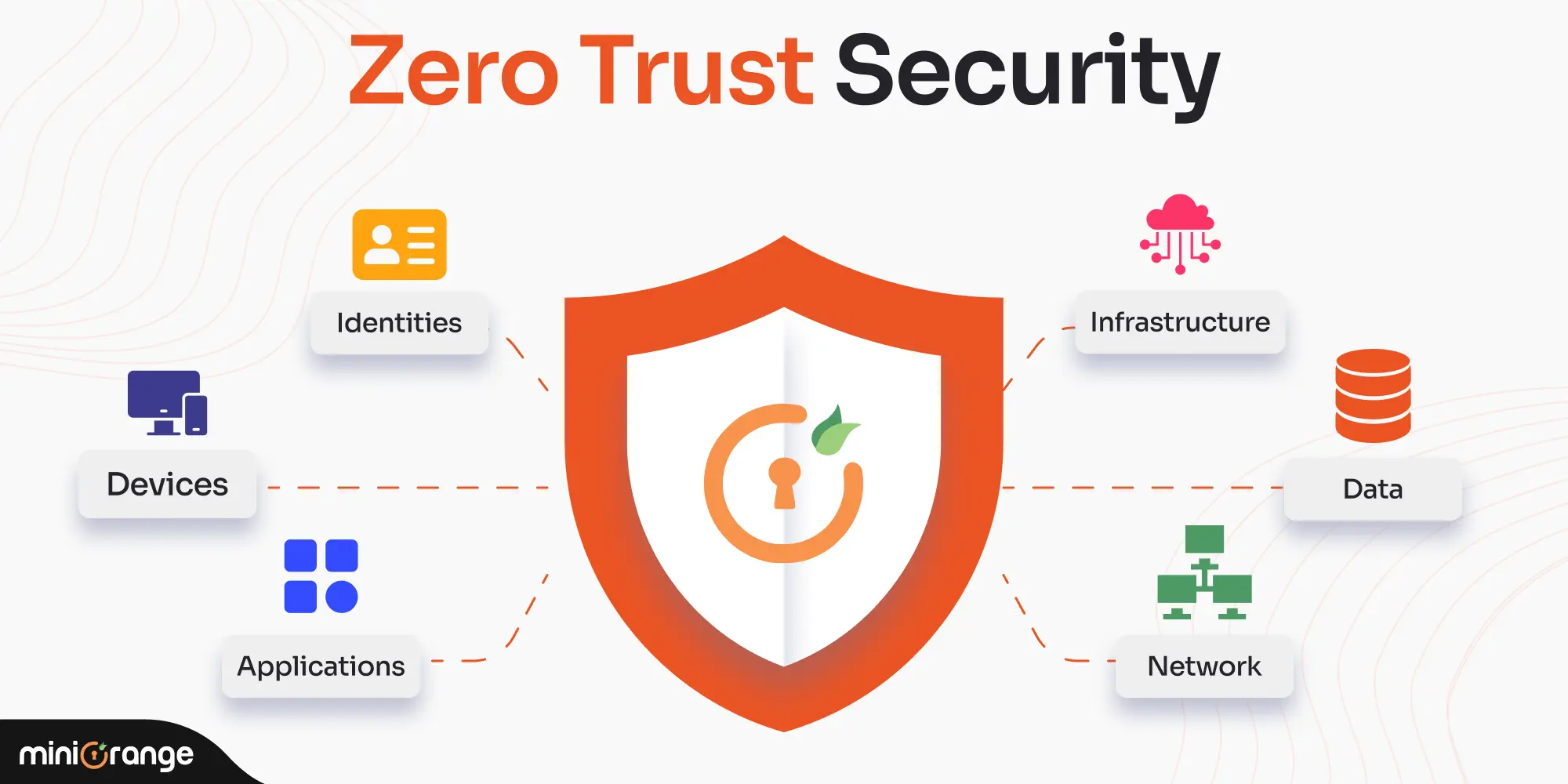
This dynamic approach is central to the modern zero trust architecture. By assuming that threats may already exist within the network, organizations can limit the blast radius of any breach. The AI continuously re-evaluates trust levels, ensuring that access permissions are granted only for the duration of a specific task. This reduces the attack surface significantly compared to legacy methods that often grant broad, long-term access based on static roles.
The shift from static IP-based rules to AI-analyzed traffic flows allows for a more responsive security posture. As networks become more complex with cloud services and remote workers, manual configuration becomes unsustainable. AI-driven segmentation automates the enforcement of least-privilege access, ensuring that security policies adapt to the evolving threat landscape without constant human intervention.
Static Segmentation vs. AI-Driven Models
Legacy network segmentation relies on static rules and manual configuration, creating a rigid infrastructure that struggles to keep pace with modern workloads. In contrast, AI-driven subnet segmentation continuously analyzes live traffic to dynamically adjust access controls. This shift moves security from a reactive, policy-heavy burden to a responsive, automated system that adapts in real time.
The primary difference lies in visibility and agility. Traditional models often suffer from "policy drift," where manual changes accumulate over time, leading to overly permissive rules or blocked legitimate traffic. AI-driven models eliminate this guesswork by observing actual application behavior. As noted by Zscaler, AI engines analyze traffic patterns to identify segmentation opportunities, presenting a data-driven blueprint that reflects how applications truly communicate rather than how administrators assume they do Zscaler.
To understand the operational impact, compare the two approaches across key dimensions:
| Dimension | Static Segmentation | AI-Driven Segmentation |
|---|---|---|
| Policy Update Speed | Manual, days to weeks | Automated, near real-time |
| Visibility Scope | Limited to configured rules | Full traffic pattern analysis |
| Operational Overhead | High, requires constant tuning | Low, self-optimizing |
| Threat Response | Reactive, post-breach | Proactive, continuous monitoring |
The transition to AI-driven subnet segmentation significantly reduces the manual overhead associated with maintaining micro-segments. Instead of security teams spending hours reviewing logs and updating firewall rules, the system continuously learns and enforces least-privilege access. This not only improves security posture but also frees up IT resources for more strategic initiatives.
How AI Enforces Zero Trust via Micro-Segmentation
AI-driven subnet segmentation moves beyond static firewall rules by treating every network request as hostile until proven otherwise. Instead of relying on broad trust zones, this approach uses machine learning to map application dependencies in real time. The system continuously monitors traffic patterns to identify which services actually need to communicate, creating granular subnets that isolate critical assets from the rest of the infrastructure.
The technical mechanism begins with deep packet inspection and behavioral analysis. AI models establish a baseline of normal communication for each workload. When a process attempts to access a database or another server, the system verifies the request against the current dependency map. If the traffic deviates from the expected pattern, the AI instantly blocks the connection and isolates the segment. This dynamic adjustment ensures that even if an attacker gains initial access, they cannot move laterally to other parts of the network.
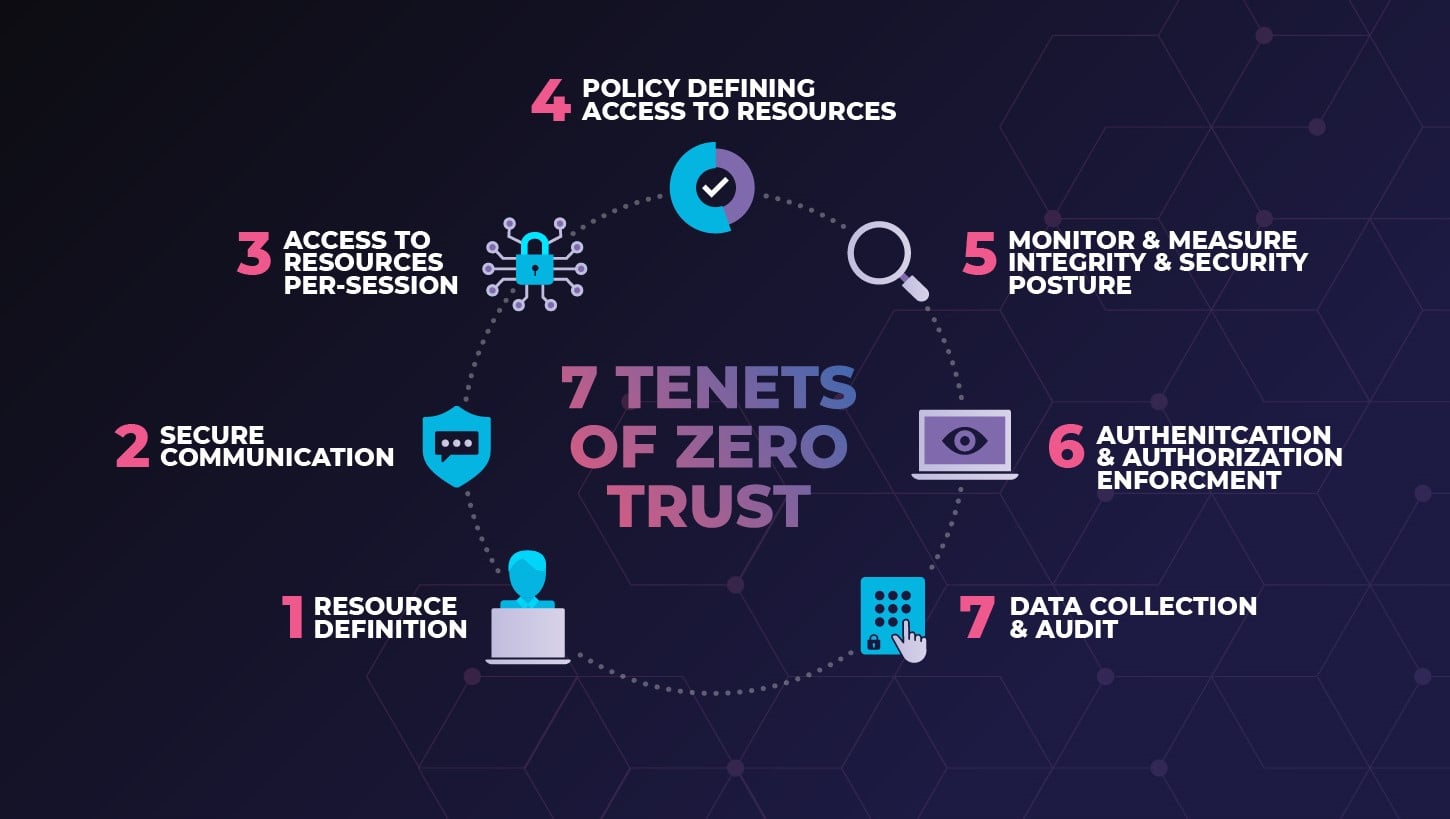
This dynamic isolation creates a "never trust, always verify" environment. Traditional networks often assume that devices inside the perimeter are safe. AI-enhanced micro-segmentation removes this assumption by enforcing strict identity-based policies for every connection. The result is a network that adapts to changes in real time, reducing the attack surface and minimizing the potential impact of a breach.
Operational Benefits of AI-Driven Subnet Segmentation
Implementing AI-driven subnet segmentation moves security from a reactive posture to an automated, continuous defense. Instead of relying on static rules that quickly become outdated, AI models analyze traffic patterns in real-time to identify anomalies and enforce micro-segments dynamically. This shift delivers three concrete operational wins for enterprise security teams: faster incident response, reduced compliance friction, and simplified network management.
Reduced Mean Time to Respond (MTTR)
Traditional segmentation requires manual intervention to isolate compromised segments, often leading to delays that allow threats to spread. AI-driven subnet segmentation automates this isolation. When the system detects suspicious behavior, it instantly updates network policies to contain the threat within its current segment, preventing lateral movement. This automation drastically cuts the mean time to respond (MTTR), turning what used to be hours of investigation into minutes of automated containment. Teams can focus on root cause analysis rather than firefighting.
Lower Compliance Risk
Regulatory frameworks like GDPR, HIPAA, and PCI-DSS require strict data isolation and access controls. Maintaining these boundaries manually is error-prone and difficult to audit. AI-driven subnet segmentation enforces least-privilege access continuously, ensuring that only authorized entities can communicate across segments. The system generates detailed logs of all access attempts and policy changes, providing clear, auditable trails for compliance officers. This reduces the risk of accidental data exposure and simplifies the audit process significantly.
Simplified Network Management
As networks grow in complexity with cloud, IoT, and remote work, manual configuration becomes unmanageable. AI-driven subnet segmentation abstracts this complexity by automatically adapting network policies to changing workloads and user behaviors. Security teams no longer need to manually update firewall rules for every new application or device. This reduction in administrative overhead allows IT teams to manage larger, more dynamic environments with fewer resources, improving overall operational efficiency.

Common implementation: what to check next
Security teams often worry that AI-driven subnet segmentation will require a complete overhaul of their existing infrastructure or a steep learning curve for staff. The reality is that modern implementations are designed to layer onto current environments rather than replace them. By analyzing live traffic patterns, the AI engine identifies segmentation opportunities and presents a data-driven blueprint, allowing teams to implement changes incrementally. This approach minimizes disruption while ensuring that legacy systems remain protected during the transition to a zero-trust architecture.
How does AI handle integration with legacy systems?
The AI engine works by observing existing network behavior rather than forcing rigid, pre-defined rules. It analyzes live traffic to identify natural groupings of applications and services, creating a blueprint that respects the operational needs of legacy systems. This means you can segment networks without breaking older applications that don't support modern authentication protocols. The system identifies which segments need tighter controls and which can remain more permissive, allowing for a phased rollout that prioritizes high-risk assets first.
What is the role of AI in policy drift detection?
Manual policy management often leads to "policy drift," where rules become outdated or contradictory over time. AI-driven segmentation continuously monitors network traffic to detect deviations from the established baseline. When the AI notices unusual communication patterns or unauthorized access attempts, it flags these anomalies for review or automatically adjusts micro-segmentation rules. This proactive approach reduces the administrative burden on security teams and ensures that segmentation policies remain effective against evolving threats.
No comments yet. Be the first to share your thoughts!