
Zero trust architecture limits to account for
Use this section to make the Why Zero Trust is the New Standard for Enterprise Subnets decision easier to compare in real life, not just on paper. Start with the reader's actual constraint, then separate must-have requirements from details that are merely nice to have. A practical choice should survive normal use, maintenance, timing, and budget. If a recommendation only works in an ideal situation, call that out plainly and give the reader a fallback path.
The simplest way to use this section is to write down the must-have criteria first, then compare each option against those criteria before weighing nice-to-have features.
Zero trust architecture choices that change the plan
Use this section to make the Why Zero Trust is the New Standard for Enterprise Subnets decision easier to compare in real life, not just on paper. Start with the reader's actual constraint, then separate must-have requirements from details that are merely nice to have. A practical choice should survive normal use, maintenance, timing, and budget. If a recommendation only works in an ideal situation, call that out plainly and give the reader a fallback path.
| Factor | What to check | Why it matters |
|---|---|---|
| Fit | Match the option to the primary use case. | A good deal still fails if it does not fit the job. |
| Condition | Verify age, wear, and service history. | Hidden condition issues erase upfront savings. |
| Cost | Compare purchase price with likely upkeep. | The cheapest option is not always the lowest-cost option. |
How to build your Zero Trust architecture
NIST 800-207 defines Zero Trust not as a single product, but as a framework that verifies every access request. For enterprise subnets, this means moving from perimeter-based trust to identity-centric verification. The three core principles are verify explicitly, use least privilege, and assume breach.
Building this architecture requires a structured approach. Use the following steps to map your implementation strategy.
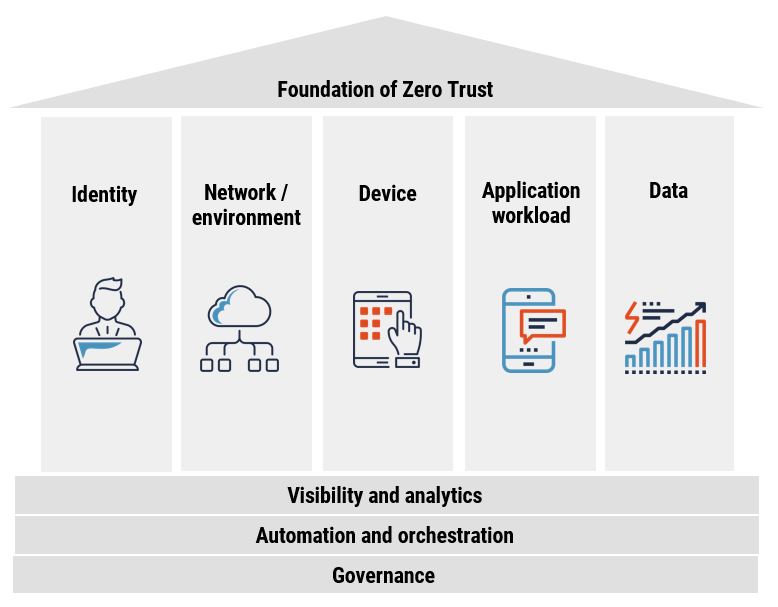
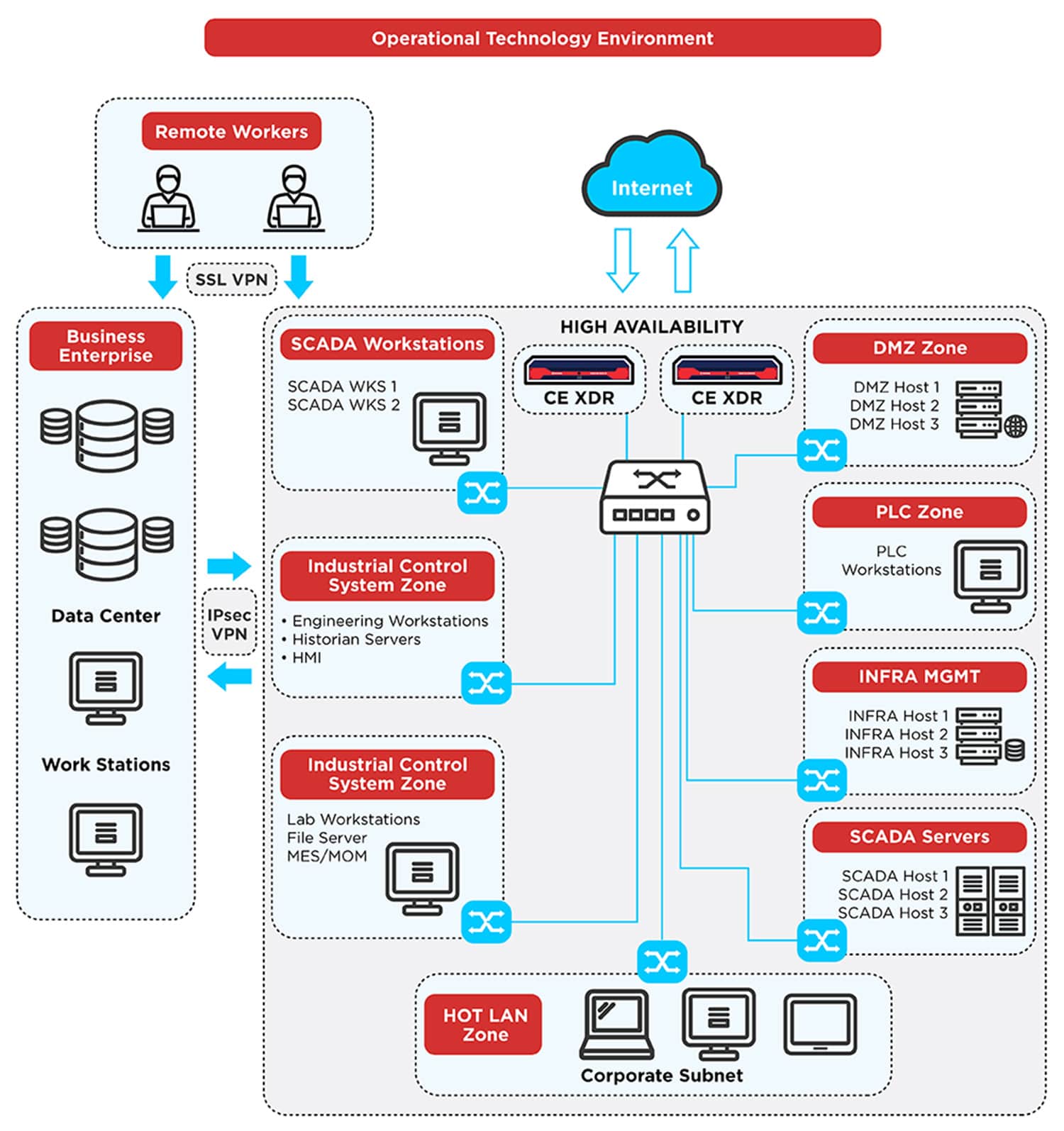
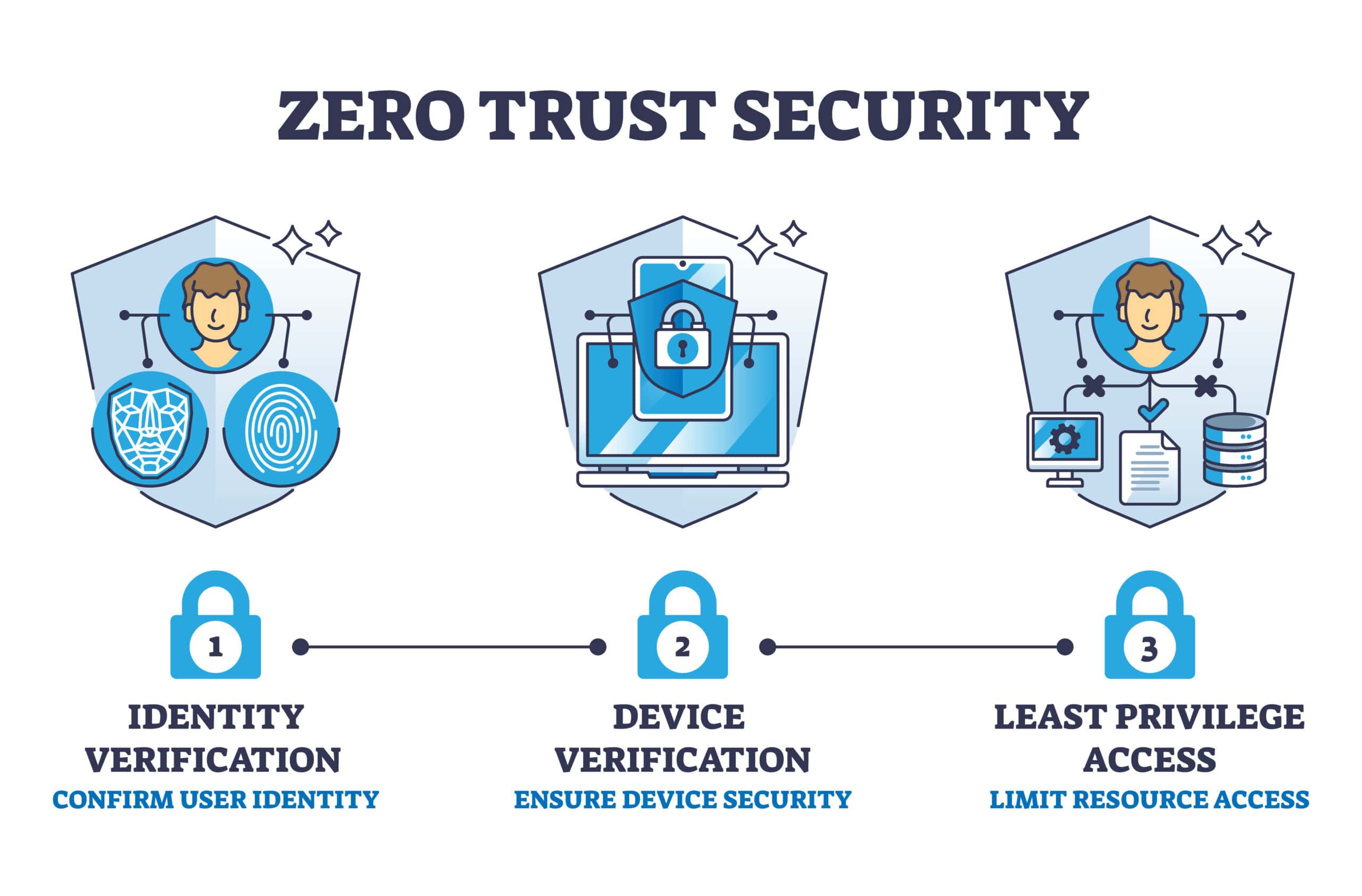
Implementing Zero Trust increases complexity but significantly reduces the attack surface. By verifying every step, you protect your enterprise subnets against both external threats and internal compromises.
Avoid the weak options
Use this section to make the Why Zero Trust is the New Standard for Enterprise Subnets decision easier to compare in real life, not just on paper. Start with the reader's actual constraint, then separate must-have requirements from details that are merely nice to have. A practical choice should survive normal use, maintenance, timing, and budget. If a recommendation only works in an ideal situation, call that out plainly and give the reader a fallback path.
The simplest way to use this section is to write down the must-have criteria first, then compare each option against those criteria before weighing nice-to-have features.
No comments yet. Be the first to share your thoughts!