Ai-Driven Subnet Segmentation Budget
Setting a budget for AI-driven subnet segmentation requires balancing upfront licensing costs against long-term operational savings. Unlike traditional static firewalls, AI-powered solutions automate threat detection and policy enforcement, reducing the manual labor that often inflates IT overhead. You are paying for intelligence that adapts in real-time, rather than just a static rule set.
When evaluating products, focus on the total cost of ownership. Entry-level tools may seem cheap but often lack the machine learning depth required for true zero trust microsegmentation. Mid-range solutions typically offer the best balance of automation and granular control, while enterprise-grade platforms provide advanced analytics and integration with broader security orchestration.
Consider the age and condition of your existing infrastructure. Legacy systems may require additional gateway appliances or software agents to support AI segmentation, adding to the hardware budget. Newer deployments can leverage cloud-native segmentation, which often reduces capital expenditure in favor of predictable subscription models.


As an Amazon Associate, we may earn from qualifying purchases.
The tradeoff is rarely just about price. It is about agility. AI segmentation reduces the time security teams spend on manual rule updates, allowing them to focus on strategic threats. Ensure your budget accounts for training and integration, as these are often overlooked costs that can derail a deployment.
Compare AI-driven subnet segmentation options
AI segmentation is shifting from a dashboard feature to a core infrastructure requirement. Traditional static rules can't keep pace with the speed of AI-driven attacks, where adversaries identify weaknesses and move laterally faster than manual policy updates allow. The strongest tools now use behavioral modeling to turn device intelligence into automated enforcement, reducing the manual effort required to maintain zero trust.
When evaluating these platforms, focus on how they handle dynamic visibility and deterministic control. The following comparison table outlines the core capabilities of leading AI-driven segmentation solutions. These options prioritize real-time adaptability over rigid, pre-set thresholds.
| Platform | Primary Focus | AI Automation Level | Key Integration |
|---|---|---|---|
| Zero Networks | AI Agent Control | Real-time visibility & deterministic control | Identity providers & cloud workloads |
| ORDR | Behavioral Policy Enforcement | Automated policy from device intelligence | Agentless endpoint discovery |
| Gopher Security | Post-Quantum Readiness | Threat intelligence & agility | Zero Trust network access (ZTNA) |
| Tufin | Policy Orchestration | Change impact analysis & remediation | Multi-cloud & hybrid environments |
Zero Networks emphasizes deterministic control over AI agents, ensuring that machine-to-machine traffic doesn't bypass human oversight. ORDR focuses on transforming device intelligence into automated policy, which is critical for environments with high device turnover. Gopher Security addresses the emerging threat of post-quantum vulnerabilities, while Tufin provides the orchestration layer needed to manage complex, multi-cloud segmentation policies without breaking existing workflows.
Choose the solution that best aligns with your current infrastructure maturity. If your primary concern is managing AI-specific traffic, Zero Networks offers the most direct control. For organizations needing broad, agentless visibility, ORDR's behavioral approach reduces deployment friction. Always verify that the selected tool integrates seamlessly with your existing identity providers and zero trust architecture.
Inspect the expensive parts
AI-driven subnet segmentation shifts the burden of security from manual rule-tuning to automated policy enforcement. This shift is powerful, but it introduces new failure points that can disrupt operations if not verified. A standard audit checklist won't catch the nuances of dynamic segmentation. You need to inspect the expensive parts—the components where automation meets critical infrastructure.
Start by validating the AI's visibility layer. If the segmentation engine cannot see the traffic, it cannot enforce policies. Check that the AI agents are properly deployed across all network edges and that they are ingesting flow data without latency spikes. A blind spot here means a silent breach.
Next, audit the policy enforcement points (PEPs). These are the gates that actually block or allow traffic. Ensure that the AI's decisions are being applied in real-time and that there is no fallback to "allow all" during system anomalies. Test the fail-safe mechanisms. If the AI goes down, does the network collapse, or does it revert to a secure, restrictive baseline?
Finally, verify the feedback loop. AI segmentation relies on continuous learning. Check that the system is correctly logging anomalies and that these logs are feeding back into the model to refine future decisions. A broken loop leads to stale policies and missed threats.
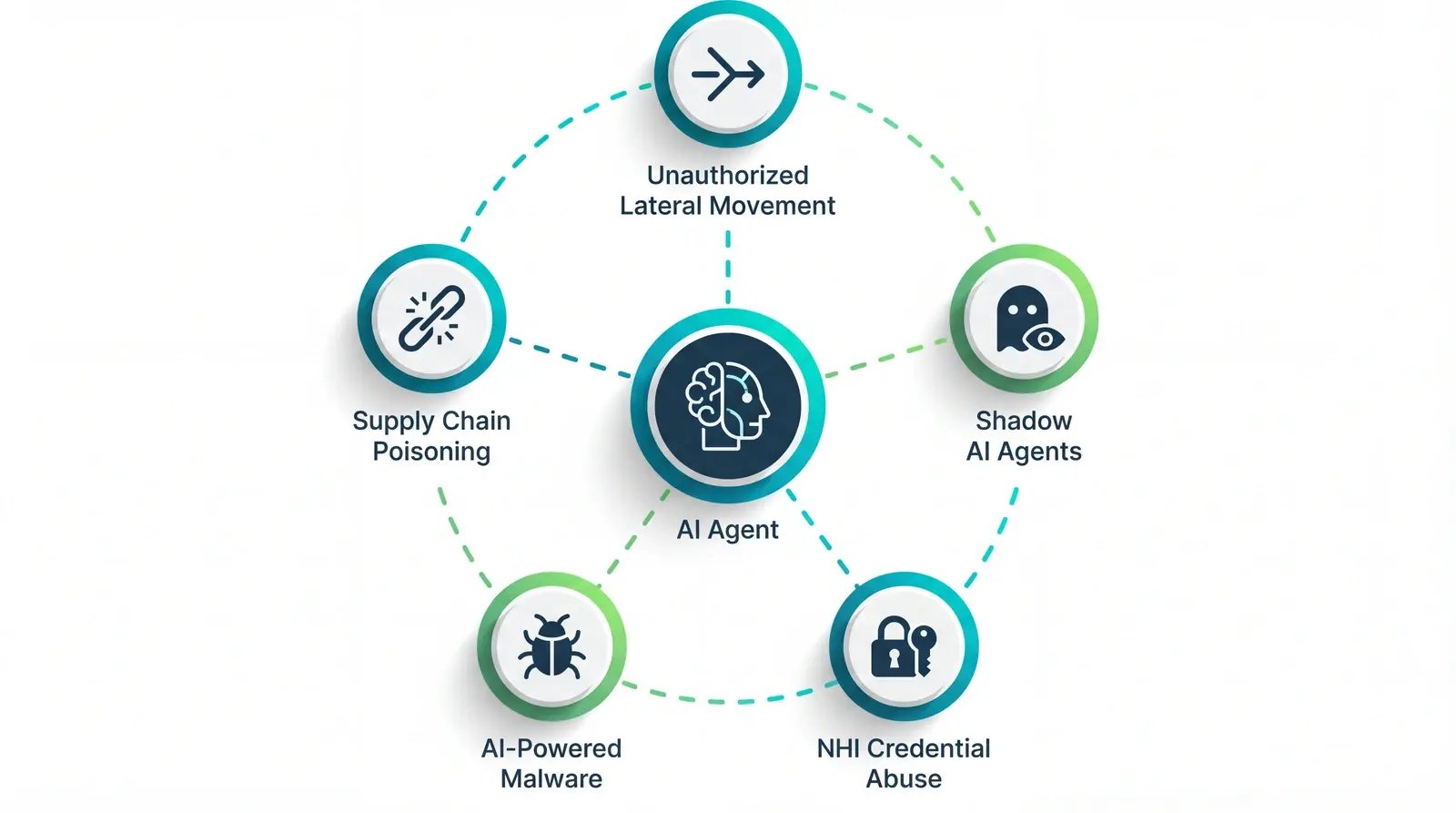
Ensure AI agents are deployed on all critical network segments. Verify that traffic flow data is being ingested without significant latency. If visibility is incomplete, the segmentation engine will make blind decisions, leaving critical assets exposed to lateral movement.
Check the PEPs where traffic is actually blocked or allowed. Confirm that the AI's decisions are applied in real-time. Test the fail-safe: if the AI engine goes offline, does the network revert to a secure, restrictive baseline, or does it open up? A broken fail-safe is an expensive failure.
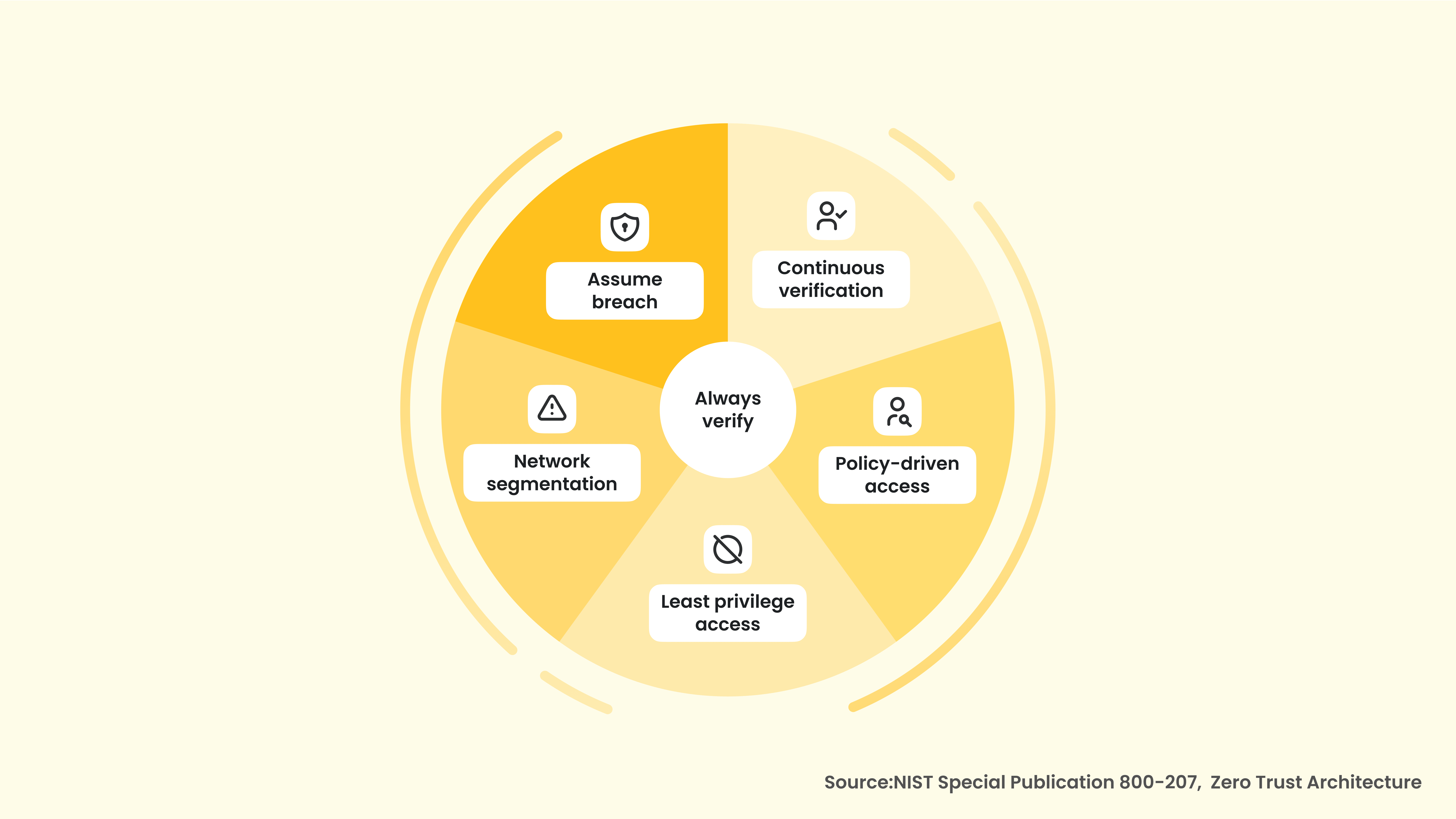
AI segmentation relies on continuous learning. Ensure that anomalies detected by the PEPs are being logged and fed back into the model. A broken loop leads to stale policies and missed threats. Regularly review the model's refinement cycles to ensure it is adapting to new traffic patterns.


As an Amazon Associate, we may earn from qualifying purchases.
Plan for ownership costs
A low purchase price rarely reflects the true cost of AI-driven subnet segmentation. While the initial license might look attractive, the real expense comes from the ongoing maintenance, tuning, and integration work required to keep the system effective. Without a clear ownership cost model, a "cheap" solution can quickly become a budget drain through hidden labor and unexpected software upgrades.
The hidden labor of manual tuning
Even with AI capabilities, these systems are not entirely plug-and-play. They require initial configuration, policy refinement, and regular audits to ensure the AI isn't creating false positives or blocking legitimate traffic. This means you need dedicated security engineers or a managed service provider to monitor the segmentation rules. If your team is already stretched thin, the labor cost of managing these tools can exceed the software subscription itself.
Integration and upgrade surprises
AI segmentation tools often rely on continuous data feeds from other security platforms like SIEMs, firewalls, and endpoint detection systems. If your existing infrastructure isn't fully compatible, you may face costly integration projects or need to purchase additional middleware. As the AI model evolves, expect mandatory upgrades that may require downtime or reconfiguration, adding to the overall financial burden.
When cheap stops being cheap
The most expensive segmentation tool is the one that fails to adapt to your network's changing needs. If a low-cost solution requires constant manual intervention or fails to detect new threats, the operational burden shifts back to your team. Always calculate the total cost of ownership over three to five years, including labor, integration, and potential upgrade fees, rather than focusing solely on the upfront license fee.


As an Amazon Associate, we may earn from qualifying purchases.
No comments yet. Be the first to share your thoughts!