
Zero Trust Architecture 2026 Budget
Zero trust architecture (ZTA) shifts security from perimeter-based defenses to identity-centric verification. In 2026, this means replacing traditional subnets with solutions that verify every user and device, regardless of location. The budget impact is significant because you are moving from capex-heavy hardware to subscription-based software and services.
When planning your ZTA budget, consider the total cost of ownership. This includes licensing, integration with existing cloud providers, and training for your IT team. The shift from physical firewalls to cloud-native security tools changes how you allocate funds. You will likely see a decrease in hardware maintenance but an increase in software subscription costs.
The following products represent key components of a 2026 zero trust budget. They range from identity management to network segmentation tools. Each option offers different features to address specific security needs in a cloud-first environment.

As an Amazon Associate, we may earn from qualifying purchases.
Choosing the right mix depends on your current infrastructure. If you are heavily invested in AWS or Azure, native tools might offer better integration and lower costs. For multi-cloud environments, third-party solutions like Zscaler or Palo Alto provide consistent security policies across platforms. Always evaluate how these tools integrate with your existing identity providers to avoid siloed security data.
Shortlist real options
Use this section to make the The Shift decision easier to compare in real life, not just on paper. Start with the reader's actual constraint, then separate must-have requirements from details that are merely nice to have. A practical choice should survive normal use, maintenance, timing, and budget. If a recommendation only works in an ideal situation, call that out plainly and give the reader a fallback path.
| Factor | What to check | Why it matters |
|---|---|---|
| Fit | Match the option to the primary use case. | A good deal still fails if it does not fit the job. |
| Condition | Verify age, wear, and service history. | Hidden condition issues erase upfront savings. |
| Cost | Compare purchase price with likely upkeep. | The cheapest option is not always the lowest-cost option. |
Inspect the expensive parts
Moving to zero trust isn’t just about swapping firewalls; it’s about verifying identity at every layer. When you migrate enterprise subnets to the cloud, the most expensive failures happen when you assume trust where none exists. A misconfigured identity provider or a forgotten micro-segment can expose your entire workload to ransomware or data exfiltration.
Before you cut over, run through these four inspection points. They focus on the high-cost failure modes that break cloud security postures.

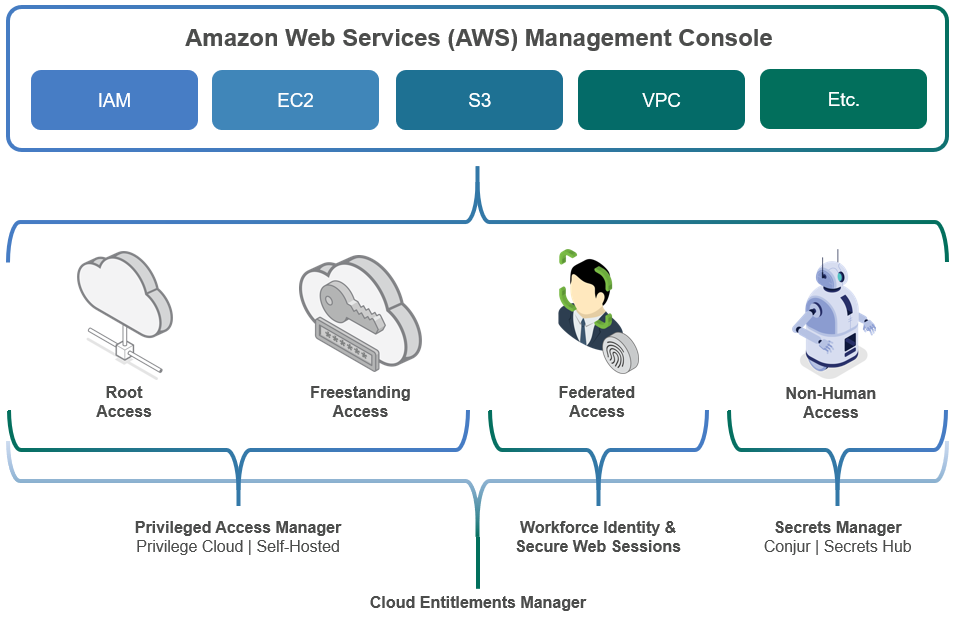
Zero trust relies on identity, not perimeter. Check that every service account has the minimum permissions required. Over-provisioned IAM roles are the number one cause of cloud breaches. Ensure multi-factor authentication is enforced for all human and machine identities before granting access to cloud resources.
Traditional subnets relied on broad network rules. In the cloud, you need micro-segmentation to isolate workloads. Inspect your network policies to ensure east-west traffic is strictly controlled. If a database server can be reached from the public internet, your security posture is already compromised.
You can’t secure what you can’t see. Verify that all cloud activity logs are flowing to your SIEM or security information and event management system. Test alert thresholds for anomalous behavior, such as unusual login locations or data egress spikes. Without real-time visibility, you won’t detect a breach until it’s too late.
Zero trust extends to the devices accessing your cloud resources. Ensure all endpoints have up-to-date antivirus, encryption, and patch management enabled. If a device fails a health check, it should be denied access to sensitive cloud applications. This prevents compromised laptops from becoming entry points for attackers.


As an Amazon Associate, we may earn from qualifying purchases.
Plan for ownership costs
Buying a zero trust license is rarely the end of the expense. Traditional enterprise subnets often hide their true cost in manual patching and reactive troubleshooting. Zero trust shifts that burden to software, but the monthly subscription fees add up quickly when you scale across multiple cloud providers and hybrid environments.
The biggest surprise usually comes from integration. If your existing identity provider or endpoint detection tools don't play nicely with the new zero trust platform, you will pay for professional services to bridge the gap. These implementation fees can double the first-year cost, turning a "cheap" entry-level plan into a premium enterprise contract.
When a low-cost option stops being cheap is when you hit the complexity wall. If your team spends more time configuring policies than securing assets, the tool is costing you in labor hours. Look for platforms that offer pre-built connectors for your specific stack to avoid these hidden engineering debts.


As an Amazon Associate, we may earn from qualifying purchases.
Zero trust architecture 2026: what to check next
Migrating to a zero trust model is less about buying new perimeter walls and more about verifying every request, regardless of where it originates. As traditional subnets fade in relevance for cloud-first organizations, practical questions about implementation and scope dominate the planning phase.
No comments yet. Be the first to share your thoughts!