
Set the mic distance
Before you begin segmenting your enterprise network, you need to know exactly what you are protecting. Enterprise network security is not just about firewalls; it is a broad set of strategies designed to prevent unauthorized access to your infrastructure [src-serp-1]. Think of this preparation like setting the mic distance for a live broadcast. If the mic is too close, you get distortion; too far, and the signal is lost. You need the perfect balance between visibility and control.
Start by creating a comprehensive map of your current network assets. You cannot secure what you cannot see. List every device, user, and application that connects to your system. This inventory becomes your baseline. Without it, any segmentation you implement will be blind, leaving gaps that attackers can exploit.
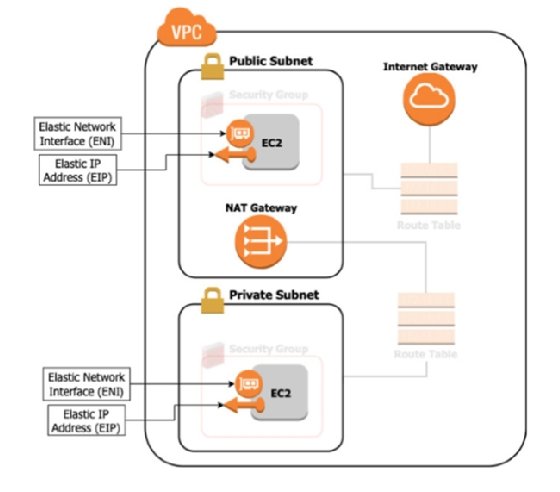
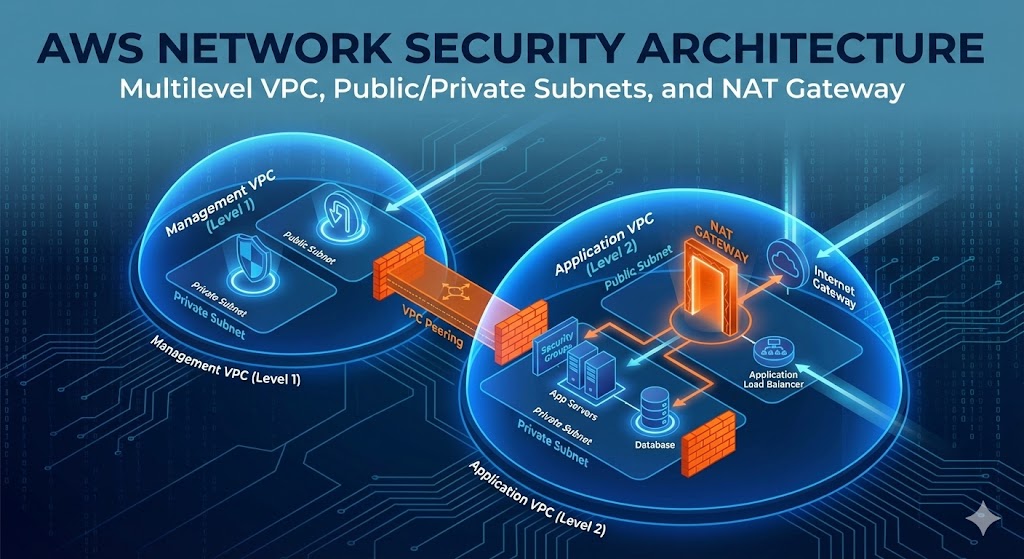
Next, define the zones. Divide your enterprise network into logical segments based on function and sensitivity. A financial database should never sit on the same subnet as the guest Wi-Fi. Clear boundaries make it easier to apply strict access controls and monitor traffic for anomalies. This zoning is the foundation of a zero-trust architecture.
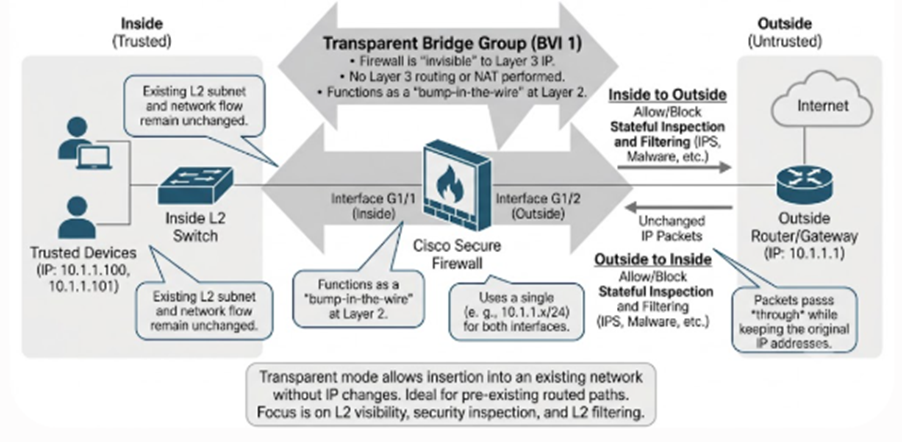
Finally, ensure your hardware and software firewalls are configured to support these zones. Traditional perimeter defenses are no longer enough. You need micro-segmentation that applies policies at the workload level. This approach limits lateral movement, containing threats before they spread across your entire infrastructure.
Place the mic step by step
Zero Trust works best as a clear sequence: define the constraint, compare the realistic options, test the tradeoff, and choose the path with the fewest hidden costs. That order keeps the advice usable instead of decorative. After each step, pause long enough to check whether the recommendation still fits the reader's actual situation. If it depends on perfect timing, unusual access, or a best-case budget, include a simpler fallback.
Mistakes that muddy the sound
Enterprise micro-segmentation often fails not because the technology is lacking, but because implementation choices create noise rather than clarity. When AI-driven subnets are confused by poor data or rigid policies, security teams waste time investigating false positives instead of stopping real threats. These errors degrade performance and obscure the actual security posture of your network.
Treating legacy systems as if they are cloud-native
Many enterprises attempt to apply strict zero-trust policies to legacy applications that were never designed for dynamic IP changes. These older systems often rely on static network configurations or hardcoded dependencies that break when traffic is routed through micro-segmented paths. Forcing these applications into rigid AI-driven subnets without first modernizing their communication protocols causes constant connectivity drops. The result is a fragmented network where security teams are blind to actual traffic flows because the legacy noise drowns out legitimate signals.
Over-segmenting without understanding application dependencies
Another common error is dividing the network into too many micro-segments without mapping how applications actually talk to each other. AI models need accurate baseline data to distinguish between normal behavior and anomalies. If you create hundreds of tiny subnets based on guesses rather than actual traffic analysis, the AI struggles to learn what "normal" looks like. This leads to excessive alert fatigue, where security teams are overwhelmed by false positives from benign traffic that doesn't fit the overly strict, unverified policies. Effective segmentation requires a clear map of application dependencies before any division occurs.
Ignoring the visibility gap in hybrid environments
Micro-segmentation in hybrid environments often fails when visibility tools cannot track traffic across on-premises and cloud boundaries. AI-driven segmentation relies on continuous monitoring to adjust policies dynamically. If your monitoring tools are siloed, the AI makes decisions based on incomplete data. This creates blind spots where attackers can move laterally undetected. Ensure your visibility layer covers the entire hybrid infrastructure before implementing strict segmentation policies.
No comments yet. Be the first to share your thoughts!