
Set the mic distance
Use this section to make the The Zero Trust Blueprint decision easier to compare in real life, not just on paper. Start with the reader's actual constraint, then separate must-have requirements from details that are merely nice to have. A practical choice should survive normal use, maintenance, timing, and budget. If a recommendation only works in an ideal situation, call that out plainly and give the reader a fallback path.
The simplest way to use this section is to write down the must-have criteria first, then compare each option against those criteria before weighing nice-to-have features.
Place the mic step by step
Implementing AI-driven micro-segmentation requires a structured approach. You are not just cutting a network; you are building a dynamic, adaptive security fabric. The goal is to isolate workloads so that even if an attacker breaches the perimeter, they cannot move laterally. This process blends traditional network architecture with machine learning models that learn traffic patterns over time.
The implementation follows a logical sequence: discovery, policy definition, agent deployment, and continuous optimization. Each step depends on the previous one. Skipping discovery leads to over-permissive policies. Skipping agent validation leads to blind spots. Here is the exact sequence to follow.
Start by installing passive sensors or enabling flow logging on your core switches. You need a complete picture of north-south and east-west traffic before you can define boundaries. The AI model needs this historical data to establish a baseline. Without it, the system cannot distinguish between normal application chatter and anomalous behavior. Aim for at least two weeks of clean traffic data.

Instead of relying solely on IP addresses, which are ephemeral, define policies based on workload identity. Tag your containers, virtual machines, and servers with unique identifiers. The AI engine uses these tags to create dynamic rules. For example, allow "payment-service" to talk to "database" only on port 5432. This approach survives IP changes and cloud migrations, ensuring security moves with the asset.
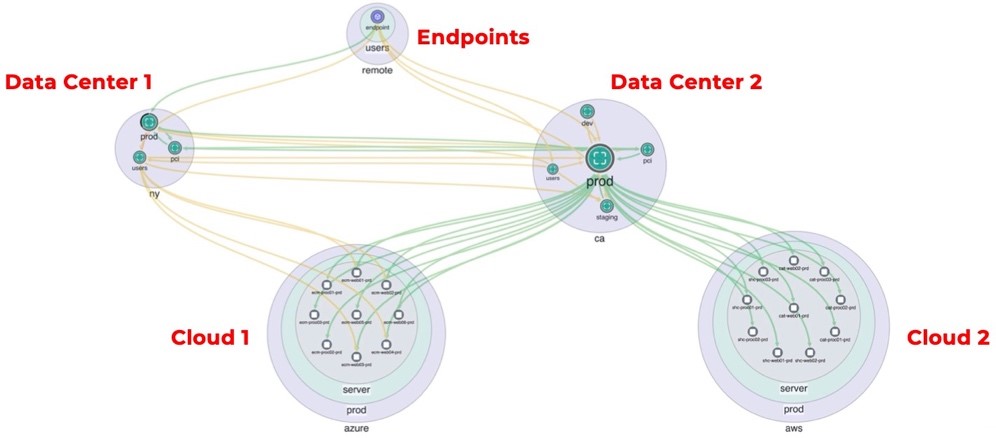
Install lightweight agents on each endpoint or hypervisor. These agents enforce the policies defined in the previous step. They act as the gatekeepers, dropping packets that violate the rules. Ensure the agents are configured in "monitor-only" mode initially. This allows you to see what would be blocked without actually blocking it, preventing operational disruptions.
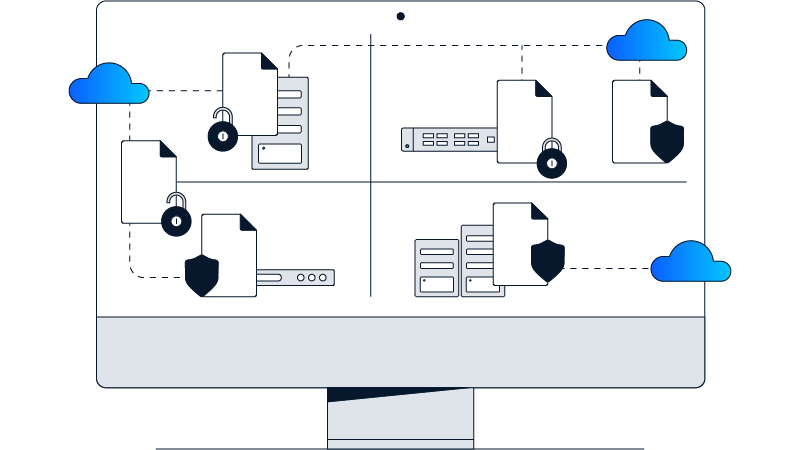
Run the AI model against the historical traffic data and the new policies. The simulation will highlight conflicts, such as legitimate traffic that would be blocked or suspicious traffic that is allowed. Adjust the policies based on these findings. This step is critical for tuning the sensitivity of the AI. Too strict, and you cause downtime. Too loose, and you gain no security value.
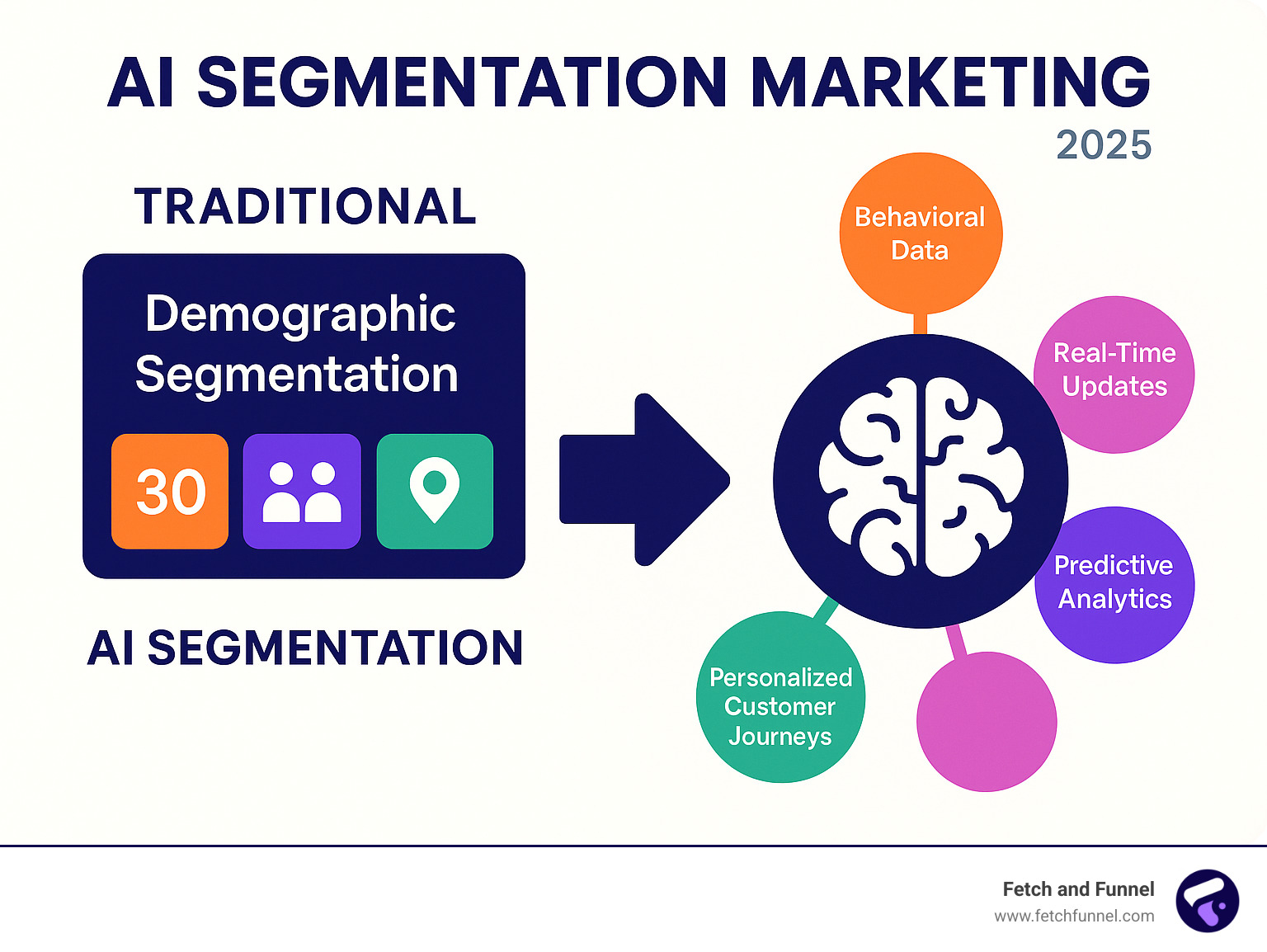
Switch the agents to "enforce" mode. The AI now actively monitors traffic in real-time. It updates policies dynamically as new workloads are deployed or traffic patterns shift. Set up alerts for policy violations and periodic reviews of the AI’s recommendations. Continuous monitoring ensures that the micro-segmentation remains effective against evolving threats.
After implementing these steps, use the following checklist to verify your setup.
-
Traffic baseline established for all critical subnets
-
Identity tags applied to all workloads
-
Agents deployed in monitor-only mode
-
AI simulation completed with no critical conflicts
-
Enforcement mode activated for production workloads
-
Monitoring alerts configured for policy violations
Mistakes That Muddy the Sound
Micro-segmentation is not just about drawing tighter lines; it is about ensuring those lines do not break the network itself. When AI-driven policies are applied to enterprise subnets, the goal is security without latency. The common failure point is treating segmentation like a static firewall rule set. In a dynamic environment, static rules create friction, and friction creates errors. These errors manifest as "noise"—alerts that drown out real threats or, worse, blocked traffic that halts business operations.
Ignoring Application Dependencies
One of the most frequent errors is segmenting without mapping the full dependency graph. AI models need context to distinguish between a malicious lateral move and a legitimate service-to-service call. If you block traffic between a web server and its database because the policy is too broad, you break the application. The fix is to let the AI observe normal traffic patterns for a learning period before enforcing strict deny rules. This "shadow mode" approach prevents accidental outages while the model refines its understanding of legitimate behavior.
Over-Reliance on IP-Based Rules
Traditional segmentation relies heavily on IP addresses. This is a mistake in cloud-native and containerized environments where IPs are ephemeral. An AI-driven micro-segmentation strategy must shift to identity-based policies. Instead of allowing traffic from 192.168.1.5 to 10.0.0.2, you allow the payment-service identity to talk to the ledger-db identity. When you tie policies to identities rather than static IPs, you reduce the administrative burden and eliminate the "noise" caused by IP churn. This approach aligns with the zero-trust principle that every request must be authenticated, regardless of its source.
Failing to Tune Alert Fatigue
AI systems generate thousands of policy suggestions. If you enable all of them, you will drown in alerts. This is the "noise" that causes security teams to ignore the system. The mistake is assuming that more data equals better security. In reality, unfiltered data leads to alert fatigue. You must tune the AI to prioritize high-confidence threats and suppress low-risk anomalies. Start with a small subset of critical subnets. Monitor the false-positive rate closely. Only expand the scope when the signal-to-noise ratio is acceptable. This disciplined rollout ensures that the AI enhances security rather than becoming a distraction.
FAQ: AI-Driven Micro-Segmentation
What does micro-segmentation mean?
Micro-segmentation divides a network into small, isolated zones to restrict traffic between workloads. Unlike traditional perimeter security, it applies policies at the workload level, ensuring that even if one server is compromised, lateral movement is blocked. This approach aligns with Zero Trust principles by verifying every connection request.
How to do micro-segmentation?
Start by mapping your application dependencies to understand which workloads communicate. Use AI tools to automatically discover these relationships and generate default-deny policies. Deploy agents or leverage virtual switches to enforce rules at the host level, then iteratively refine access controls based on actual traffic patterns rather than assumptions.
What is identity-based microsegmentation?
Identity-based microsegmentation ties access permissions to the identity of the workload or user rather than static IP addresses. As workloads move or scale, the identity remains constant, allowing policies to follow the asset. This reduces management overhead and prevents unauthorized access even if network addresses change.
What is micro and macro segmentation?
Macro segmentation divides a network into large subnets, such as separating the finance department from engineering. Micro-segmentation operates within those subnets, isolating individual applications or databases. Together, they create a layered defense: macro segmentation limits the blast radius of a breach, while micro-segmentation contains it entirely.
No comments yet. Be the first to share your thoughts!