
Defining AI-Driven Network Security for 2026
AI-driven network security represents a fundamental shift from static, rule-based perimeter defense to dynamic, behavior-aware protection. In 2026, this approach leverages artificial intelligence to continuously analyze network traffic patterns, identify anomalies, and automate responses to emerging threats without human intervention. Unlike traditional systems that rely on predefined signatures or static access control lists, AI-driven solutions adapt in real-time to the evolving threat landscape, offering a more resilient defense for modern enterprise subnets.
The core distinction lies in the analytical method. Legacy systems operate on a "trust but verify" model, allowing traffic that matches known good patterns while blocking known bad ones. AI-driven security, however, assumes breach and focuses on identifying deviations from established baselines. This behavioral analysis allows organizations to detect zero-day exploits and sophisticated lateral movement that would otherwise bypass conventional firewalls. As noted in industry overviews, this capability enables real-time threat detection and automated response, mitigating risks faster than traditional approaches can manage.
This transition is critical for compliance with modern regulatory frameworks, such as those outlined by NIST and CISA, which increasingly emphasize adaptive security measures. By automating micro-segmentation and threat containment, AI-driven security reduces the attack surface and limits the blast radius of potential breaches. The focus is no longer just on preventing entry but on rapidly containing and neutralizing threats within the network infrastructure, ensuring operational continuity and data integrity in high-stakes environments.
Micro-Segmentation vs Traditional Perimeter Defense
Traditional network security relied on a static perimeter model, often described as a castle-and-moat strategy. This approach assumed that traffic inside the internal network was trusted, while traffic outside was hostile. As organizations adopted cloud infrastructure and remote work, this boundary dissolved. The National Institute of Standards and Technology (NIST) has long advocated for shifting away from perimeter-only defenses toward zero-trust architectures that verify every request (NIST SP 800-207).
Micro-segmentation addresses this shift by applying security controls at the workload level rather than the network edge. Instead of relying on broad network zones, it isolates individual applications and services. AI-driven automation enhances this process by continuously analyzing traffic patterns to enforce dynamic policies. According to industry analysis from Palo Alto Networks, this allows security teams to detect and respond to threats faster by analyzing vast amounts of data in real time.
The following table compares the operational characteristics of traditional perimeter defense against AI-driven micro-segmentation.
| Feature | Traditional Perimeter | AI-Driven Micro-Segmentation |
|---|---|---|
| Boundary | Network edge (firewalls) | Workload or application level |
| Trust Model | Implicit trust inside network | Zero-trust, verify every request |
| Policy Enforcement | Static, manual rules | Dynamic, AI-analyzed patterns |
| Lateral Movement | Limited control | Rapid containment |
| Scalability | Complex with growth | Automated and elastic |
Automating network policy enforcement
AI-driven network security shifts policy management from manual configuration to dynamic, automated enforcement. This transition reduces the operational overhead associated with managing enterprise subnets and minimizes the risk of human error. By leveraging machine learning models, systems can identify traffic patterns and behavioral anomalies in real time, enabling immediate response before damage occurs [src-serp-5]. AI tools further assist by monitoring for abnormalities in data access and alerting professionals to potential threats from malicious actors [src-serp-6].
The implementation of automated policy enforcement follows a structured workflow to ensure compliance and security integrity.
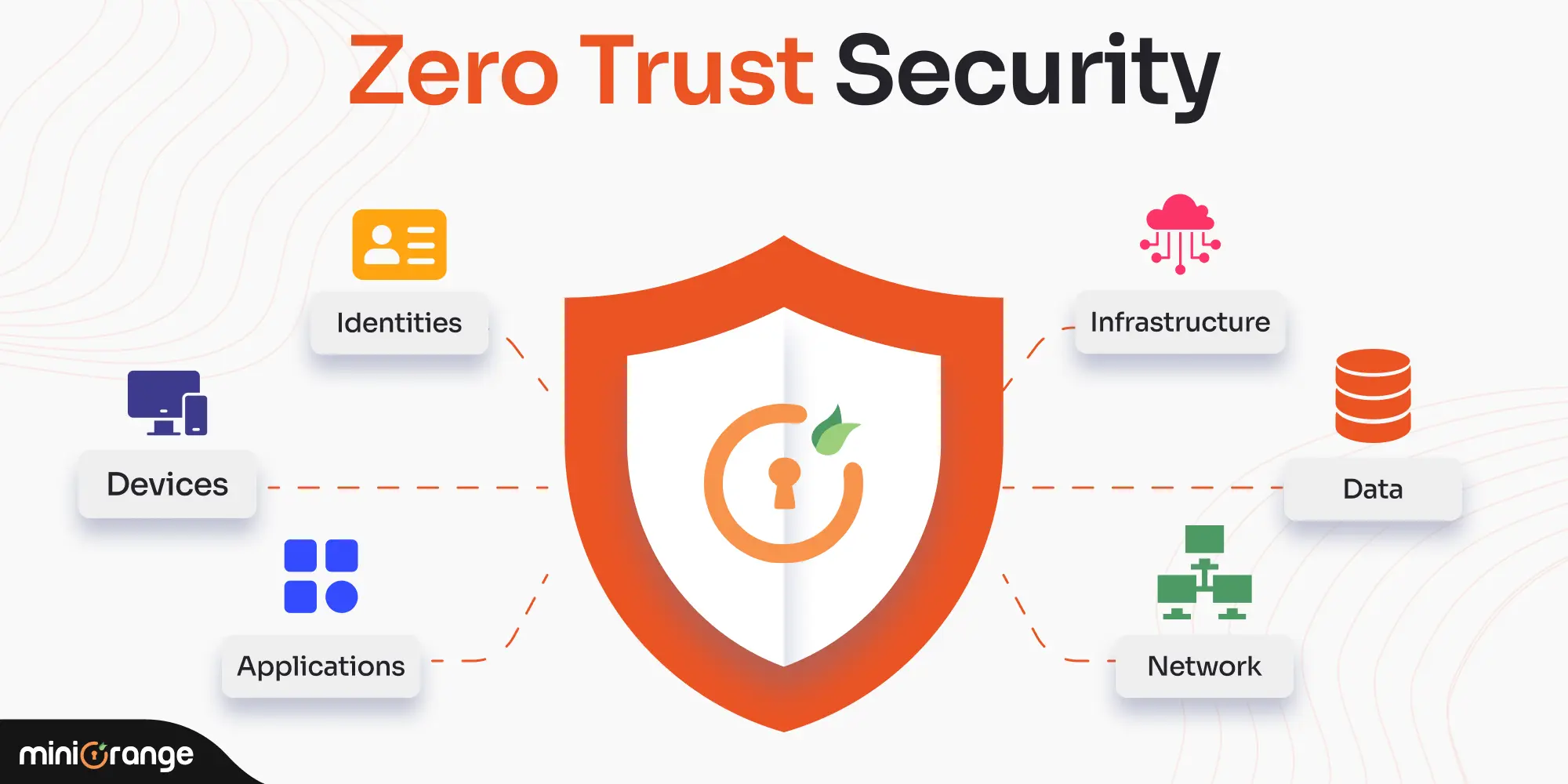
Begin by cataloging all network traffic within the enterprise environment. AI agents establish a baseline of normal behavior by analyzing historical data, identifying legitimate communication patterns between endpoints, servers, and users. This foundational step ensures that subsequent policy enforcement distinguishes between routine operations and potential threats.
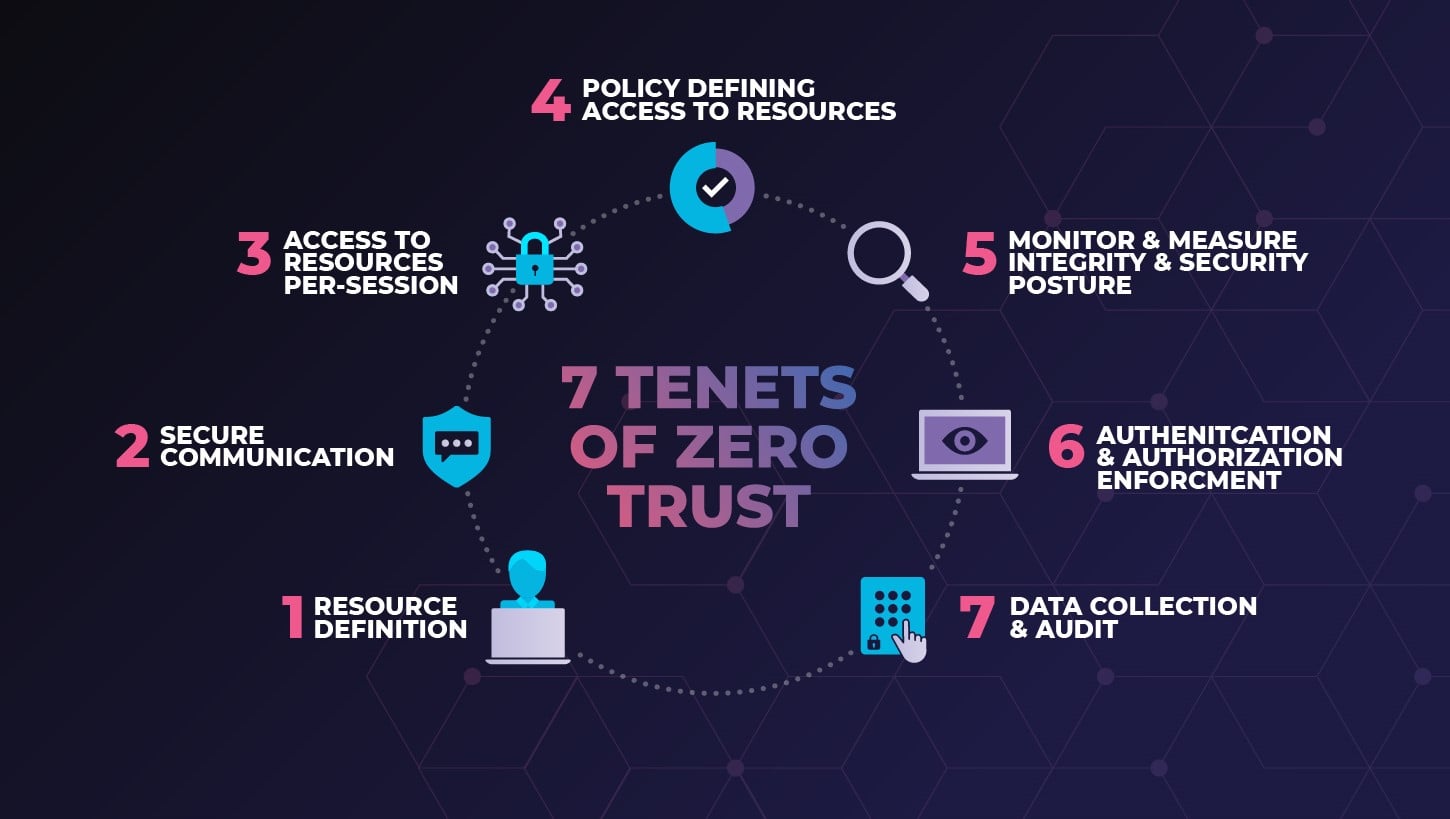
Establish strict policy rules based on the identified baseline. These rules dictate which connections are permitted, restricted, or blocked. The AI system uses this baseline to continuously evaluate network activity, ensuring that any deviation from established norms is flagged for immediate review or automated containment.
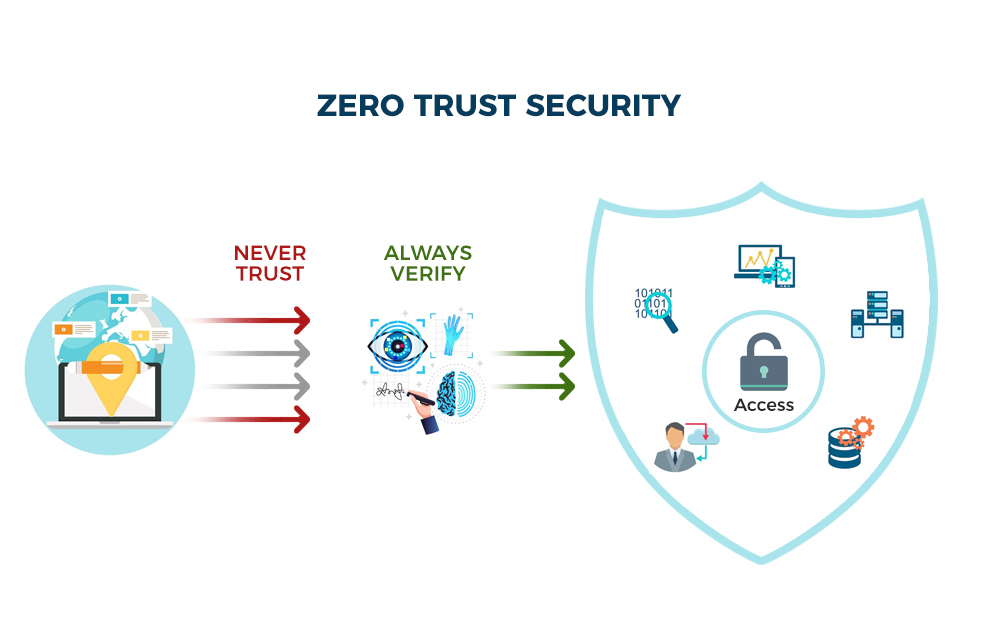
Integrate AI-driven agents into the network infrastructure to enforce policies dynamically. These agents operate at the micro-segmentation level, applying granular controls that adapt to changing conditions. This deployment reduces the need for manual intervention, allowing security teams to focus on strategic initiatives rather than routine configuration tasks.
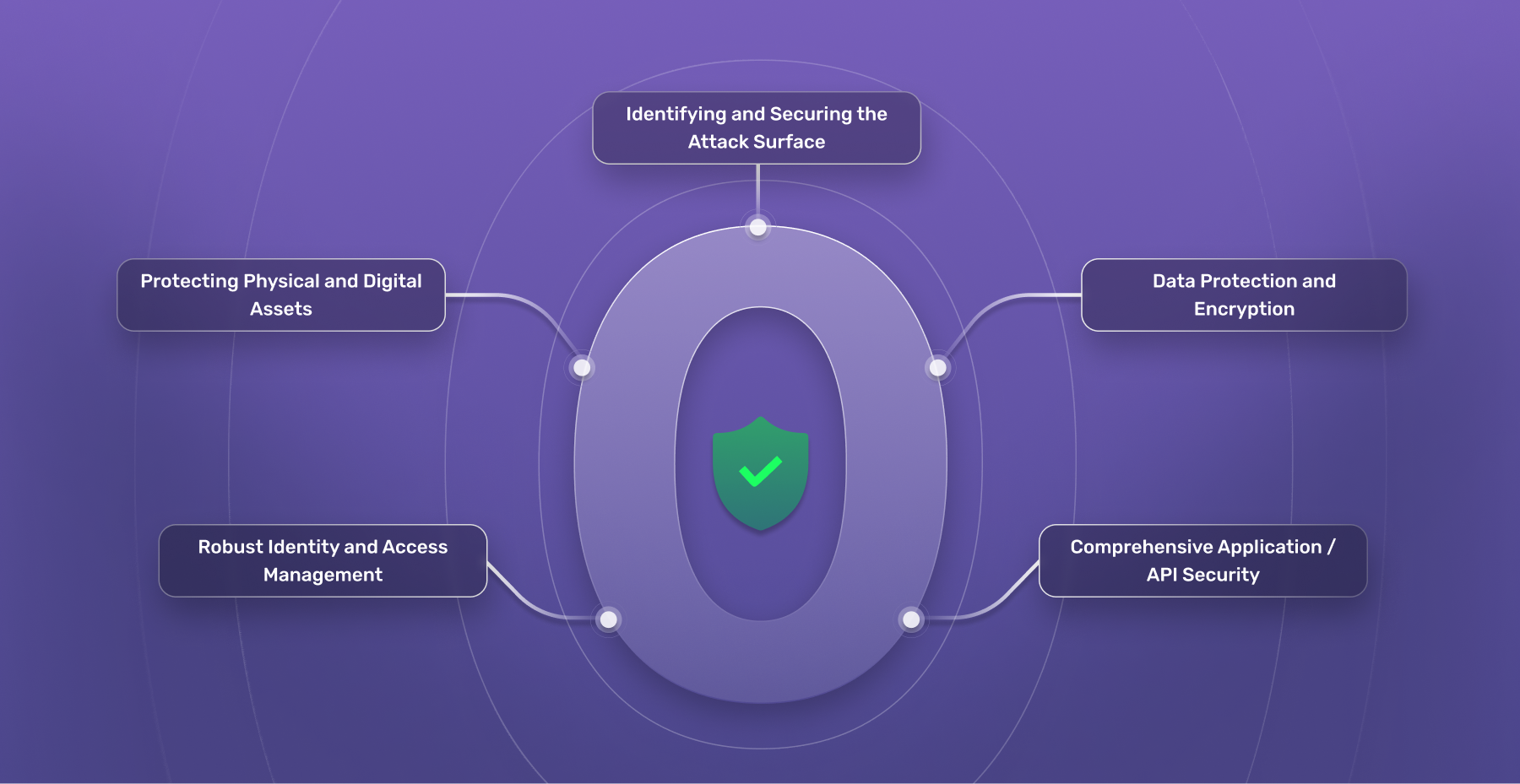
Continuously monitor network activity for deviations from the baseline. The AI system analyzes real-time data to detect subtle signs of compromise, such as unusual data transfers or unauthorized access attempts. Upon detection, the system can automatically isolate affected segments, mitigating the risk of lateral movement and limiting the impact of potential breaches.
-
Map all internal and external traffic flows
-
Define behavioral baselines for all network segments
-
Deploy AI agents for real-time policy enforcement
-
Monitor for anomalies and automate incident response
Zero Trust architecture trends in 2026
By 2026, Zero Trust frameworks are transitioning from static policy enforcement to dynamic, AI-driven verification. The core principle remains constant: never trust, always verify. However, the mechanism for verification has shifted. Traditional perimeter-based models relied on fixed rules, whereas modern architectures use continuous authentication to assess risk in real time.
Artificial intelligence enables this shift by analyzing vast amounts of network data to detect anomalies that human analysts might miss. According to Fortinet, AI in cybersecurity allows for automated response and large-scale data analysis, mitigating risks faster than traditional approaches. This capability is essential for maintaining least-privilege access, as AI can dynamically adjust permissions based on user behavior and context.
The integration of AI into Zero Trust also addresses the growing complexity of cyber threats. As Harvard Extension School notes, AI is making cyberattacks faster and more scalable, automating tasks such as phishing and malware deployment. To counter this, security operations must leverage AI for proactive defense, ensuring that verification processes adapt to evolving threat landscapes.
For legal and regulatory audiences, this evolution implies a need for updated compliance frameworks. Organizations must ensure that their AI-driven security measures align with standards such as NIST SP 800-207, which outlines Zero Trust architecture principles. Failure to adopt these technologies may result in increased liability and regulatory scrutiny, particularly in sectors handling sensitive data.
Timeline of AI security adoption
The integration of artificial intelligence into network security has evolved from experimental anomaly detection to automated micro-segmentation. This progression reflects a shift from reactive defense to proactive, policy-driven isolation of network traffic.
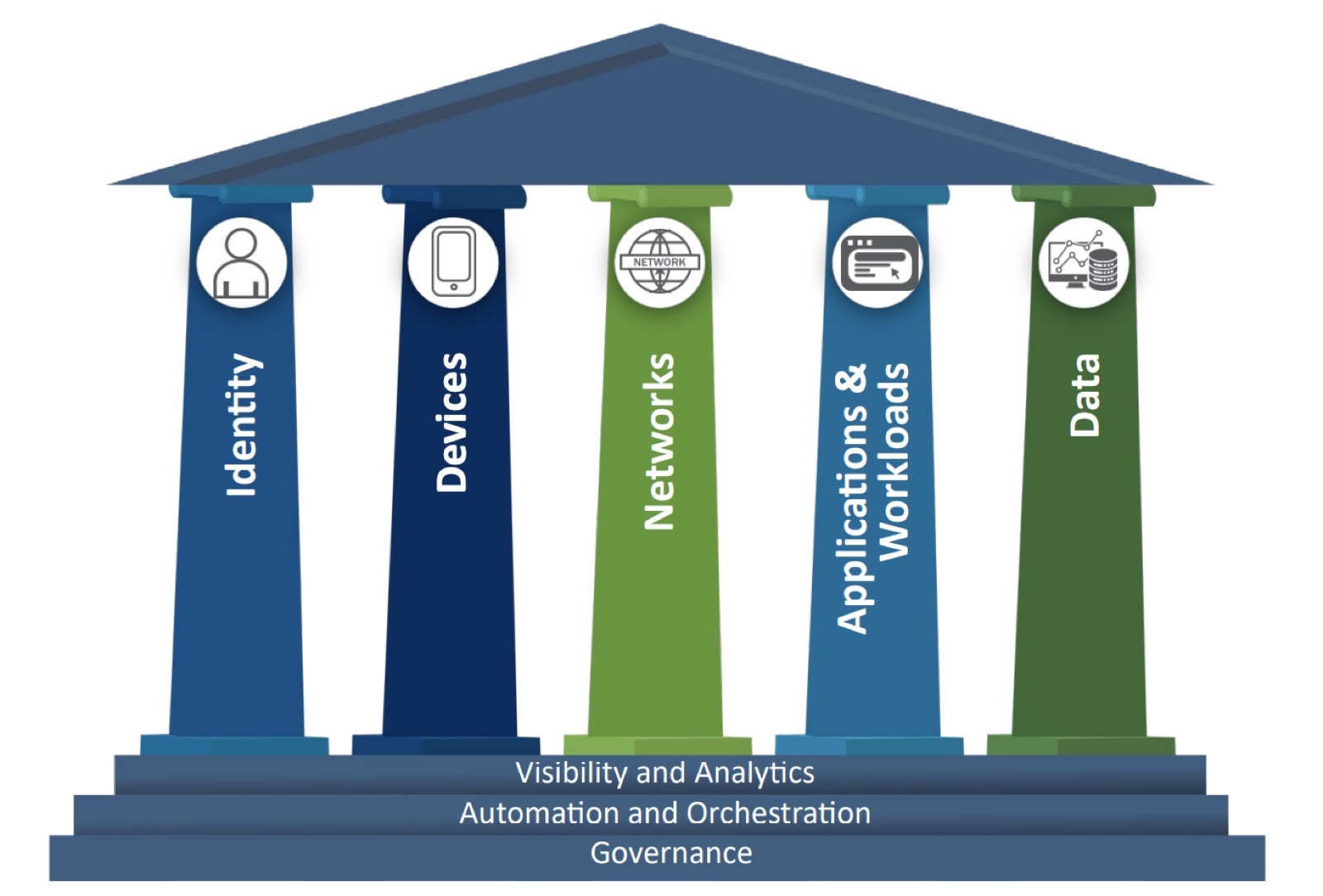
Early adoption focused on aligning AI-driven analytics with Zero Trust architectures. Organizations began deploying machine learning models to identify baseline network behavior, enabling initial automated responses to lateral movement threats. This period established the technical groundwork for dynamic policy enforcement.
AI capabilities expanded to automate micro-segmentation policies in real time. Security platforms leveraged continuous data analysis to dynamically adjust network access controls, reducing the attack surface without manual intervention. This phase marked the transition from static rules to adaptive, AI-driven segmentation.

Current and near-future developments emphasize predictive threat modeling and automated compliance reporting. AI systems now anticipate potential vulnerabilities and enforce segmentation policies before breaches occur, aligning with emerging regulatory standards for network integrity and data protection.
No comments yet. Be the first to share your thoughts!