
Zero trust architecture 2026 budget
Building a secure perimeter in 2026 requires balancing hardware, software, and the labor to manage it. The "never trust, always verify" model shifts costs from passive firewalls to active identity verification and micro-segmentation tools. Your budget should reflect three core principles: strict access controls, continuous monitoring, and least-privilege access.
Start by auditing your current infrastructure. Legacy appliances often lack the API integrations needed for modern identity-centric subnets. Replacing them with cloud-native or hybrid solutions reduces long-term maintenance but increases subscription fees. Factor in the cost of training staff to manage these dynamic policies; labor often exceeds software licensing in the first year.
For small to mid-sized teams, bundled security platforms offer the best price-to-performance ratio. They combine endpoint detection, network segmentation, and identity management into a single dashboard. This reduces the complexity of juggling multiple vendors and lowers the risk of configuration gaps that attackers exploit.


As an Amazon Associate, we may earn from qualifying purchases.
When evaluating options, prioritize solutions that support zero trust network access (ZTNA) over traditional VPNs. ZTNA provides granular access based on user identity and device health, not just IP addresses. This approach minimizes the attack surface and simplifies compliance reporting, which is critical for 2026 regulatory standards.
Compare Zero Trust Architecture 2026 Options
Zero trust has shifted from a buzzword to a baseline requirement. In 2026, the focus isn’t just on perimeter defense but on identity-centric subnets that verify every request. Choosing the right framework depends on your existing infrastructure and verification needs.
The following comparison highlights leading zero trust architecture options available today. These solutions prioritize continuous verification, least-privilege access, and visibility across hybrid environments.
| Solution | Core Focus | Key Integration | Best For |
|---|---|---|---|
| Palo Alto Prisma Access | SASE & Network Security | CNAPP & Cloud Workloads | Organizations with heavy cloud migration |
| Microsoft Entra ID | Identity & Access Management | Microsoft 365 Ecosystem | Enterprises already on Microsoft stack |
| Zscaler Zero Trust Exchange | Cloud-Native Security | Global Private Edge Network | Distributed workforces & SaaS-heavy ops |
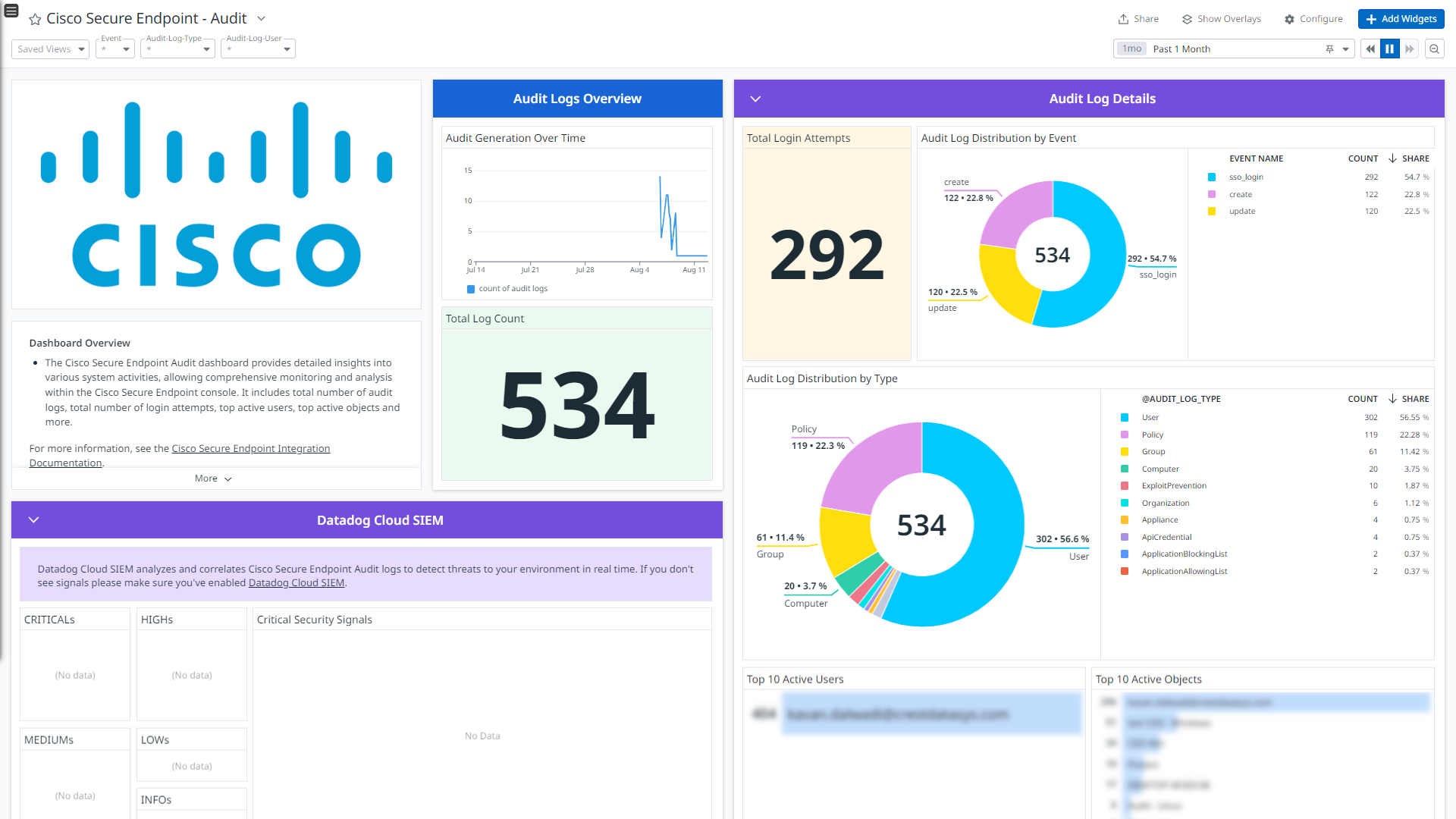
| Cisco Secure Zero Trust | Network & Endpoint Convergence | Cisco Umbrella & Meraki | Hybrid IT with existing Cisco gear |
Each option offers distinct advantages. Palo Alto Prisma Access excels in combining network and cloud security. Microsoft Entra ID is the natural choice for Microsoft-centric shops. Zscaler provides robust cloud-native protection for distributed teams. Cisco Secure Zero Trust leverages existing hardware investments for seamless convergence.
When evaluating these options, consider your current tech stack. Integration depth often matters more than feature count. A solution that fits your identity provider and network infrastructure will reduce deployment friction and improve adoption rates.
Inspect the expensive parts
Use this section to make the Why Zero Trust is Dead decision easier to compare in real life, not just on paper. Start with the reader's actual constraint, then separate must-have requirements from details that are merely nice to have. A practical choice should survive normal use, maintenance, timing, and budget. If a recommendation only works in an ideal situation, call that out plainly and give the reader a fallback path.
-
Verify the basicsConfirm the core specs, condition, and fit before comparing extras.
-
Price the downsideLook for the repair, maintenance, or replacement cost that would change the decision.
-
Compare alternativesCheck at least two comparable options before treating one listing as the benchmark.
Plan for ownership costs
Use this section to make the Why Zero Trust is Dead decision easier to compare in real life, not just on paper. Start with the reader's actual constraint, then separate must-have requirements from details that are merely nice to have. A practical choice should survive normal use, maintenance, timing, and budget. If a recommendation only works in an ideal situation, call that out plainly and give the reader a fallback path.
The simplest way to use this section is to write down the must-have criteria first, then compare each option against those criteria before weighing nice-to-have features.
No comments yet. Be the first to share your thoughts!