
Why AI-driven subnet segmentation matters now
The traditional security perimeter has collapsed. Network boundaries are no longer defined by firewalls at the edge but by identity and context. As global cyber incidents climb, static segmentation fails to keep pace with the velocity of modern threats. AI-driven subnet segmentation addresses this gap by dynamically adjusting access controls based on real-time behavior rather than rigid, pre-defined rules.
This shift is not merely theoretical; it is a measurable defense mechanism. Organizations with mature zero-trust architectures experience 70% fewer successful breaches, even as attack surfaces expand. By leveraging AI to continuously analyze traffic patterns and user intent, security teams can isolate potential threats before they propagate across the network.
Implementing this approach requires moving beyond manual policy management. AI-driven segmentation automates the identification of sensitive assets and enforces micro-segmentation policies that adapt to changes in the environment. This ensures that access is granted only when necessary, reducing the attack surface and minimizing the impact of any single compromise.
Core components of zero trust
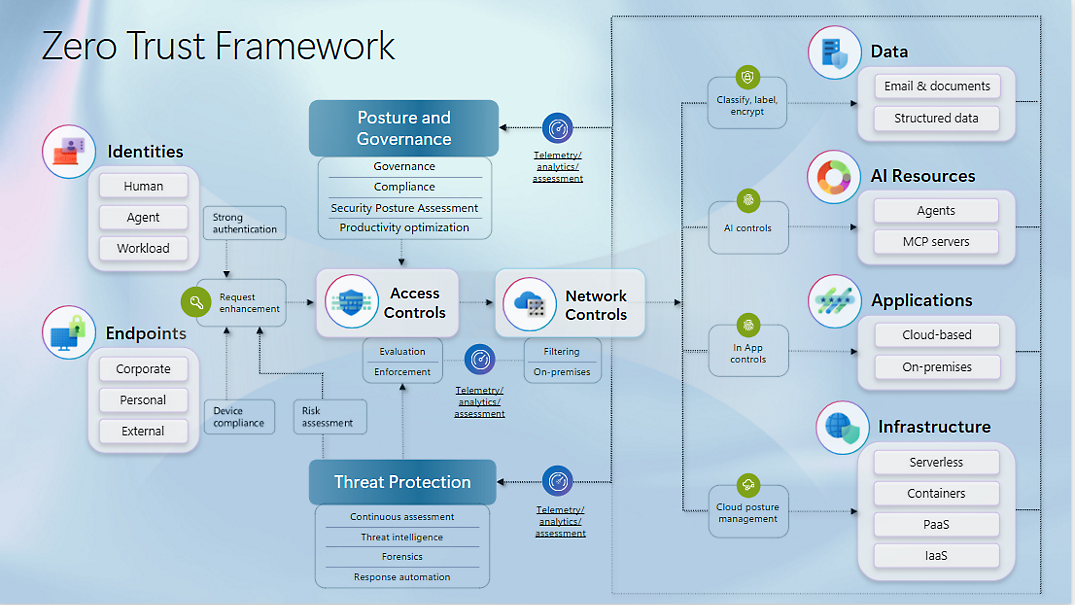
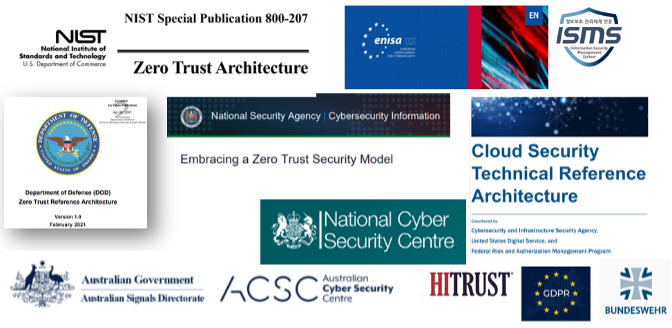
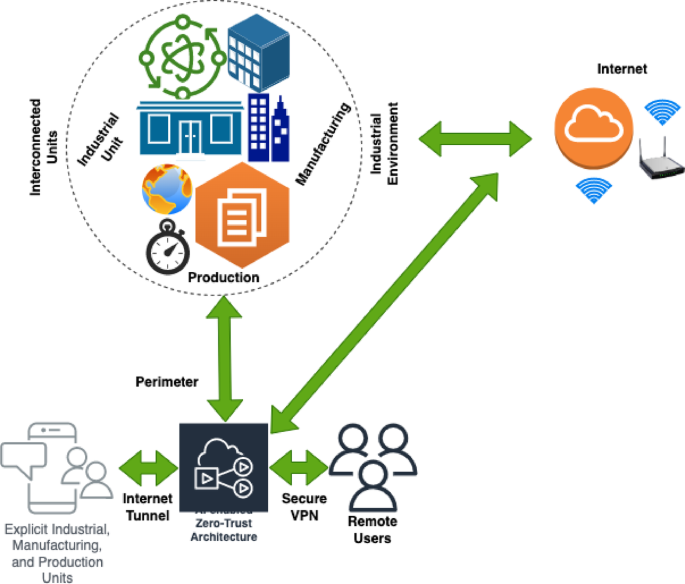
Zero Trust Architecture (ZTA) relies on four distinct pillars: Identity, Device, Network, and Application. These components work together to enforce verification, visibility, and least-privilege access across all physical and virtual infrastructure [src-serp-5]. In an AI-driven segmentation model, these pillars are not static boundaries but dynamic signals that inform real-time policy decisions.
AI models analyze user behavior and credentials to establish a continuous trust score. Instead of a one-time login, identity is treated as a persistent signal. Systems must validate user context—location, time, and device health—before granting access to any resource.
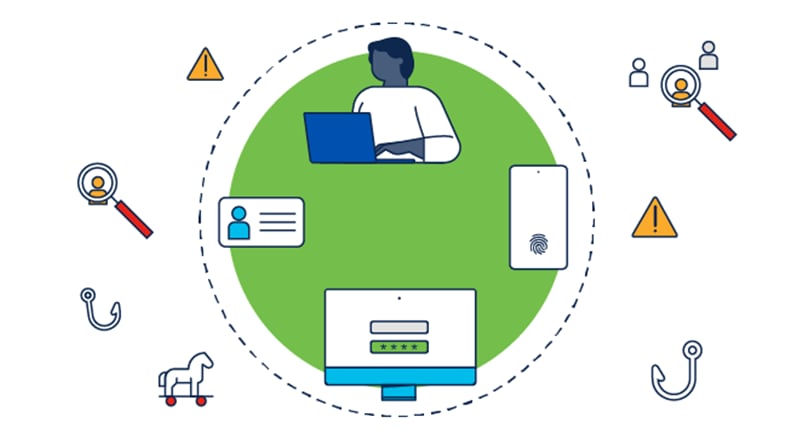
Every endpoint must prove its security state before connecting. AI-driven tools scan for patch levels, encryption status, and malware presence. Devices that fail to meet the organization’s compliance baseline are automatically quarantined or denied network access, regardless of user credentials.
Traditional perimeter defenses are replaced by granular, AI-managed subnets. Traffic between services is inspected at the packet level. AI identifies anomalous communication patterns and dynamically adjusts firewall rules to isolate potential threats before they spread laterally across the infrastructure.
Access to software and data is granted based on specific context, not broad roles. AI analyzes the sensitivity of the application and the risk level of the request. This ensures that users and devices only interact with the specific applications necessary for their current task, minimizing the attack surface.

Implementing these components requires integrating AI capabilities into each layer. Identity providers must feed real-time data to network controllers. Device management platforms must report posture changes instantly. Application gateways must enforce policies based on the aggregated trust score. This integration creates a cohesive defense where AI continuously evaluates risk and adjusts segmentation dynamically.
Implementing AI subnet segmentation
Zero Trust Architecture works best as a sequence, not a scramble through settings. Do the minimum first: confirm compatibility, connect the core hardware, update only when needed, and test the result before adding optional features. That order keeps the task understandable and makes failures easier to isolate. After each step, pause long enough for the interface to finish syncing. Many setup problems are timing problems disguised as configuration problems. If the same step fails twice, record the exact error, restart the smallest affected piece, and retry before moving deeper.
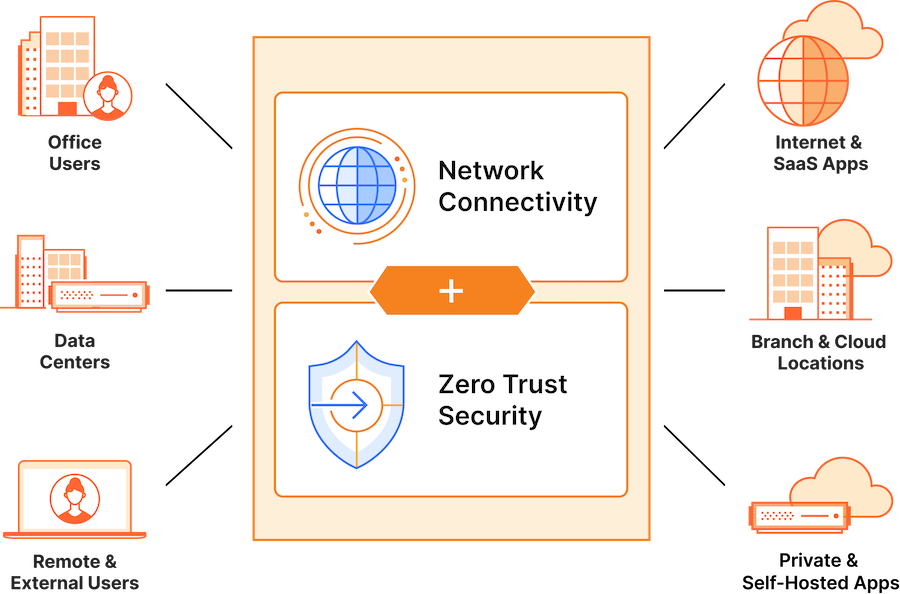

Integrating Next-Gen Firewalls
AI segmentation engines define the policy, but next-generation firewalls (NGFWs) enforce it. In a zero trust architecture, the firewall acts as the granular enforcement point, translating high-level intent into packet-level actions. Instead of relying on static IP rules, these devices inspect application-layer traffic, ensuring that only authorized micro-segmented flows reach their destination.
Enforcement Mechanics
Modern NGFWs integrate directly with AI-driven controllers to receive dynamic segmentation policies. This integration allows for real-time adjustment of access controls without manual rule updates. The firewall inspects encrypted traffic using TLS interception capabilities, identifying applications and users regardless of the port or protocol used. This visibility is critical for verifying that segmented zones remain isolated and that lateral movement is blocked.
Comparison: Traditional vs. Next-Gen Firewalls
The shift from perimeter-based security to micro-segmentation requires a fundamental change in firewall capability. Traditional firewalls operate at the network layer, while NGFWs operate at the application layer, providing the depth needed for zero trust enforcement.
Common implementation pitfalls
AI-driven subnet segmentation fails when organizations treat identity as static. The most frequent error is relying on legacy IP-based allowlists in dynamic cloud environments. When containers scale or virtual machines migrate, static rules create blind spots that allow lateral movement. AI models trained on historical IP data quickly become obsolete, leading to either over-permissive access or service outages.
Identity drift is another silent killer of zero trust. As user roles change or service accounts accumulate privileges without review, the AI segmentation engine may continue to grant access based on outdated profiles. This drift undermines the core principle of least privilege. Regular audits of identity attributes are essential to keep the segmentation logic aligned with current organizational reality.
Finally, many teams underestimate the complexity of policy conflict resolution. When multiple AI agents suggest different segmentation boundaries, manual intervention is often required to resolve contradictions. Without a clear governance framework, these conflicts result in fragmented security postures that are difficult to audit or remediate.
No comments yet. Be the first to share your thoughts!