
Set the mic distance
Before you begin segmenting your enterprise subnets, you need to know exactly what you are protecting. Micro-segmentation is only as strong as the inventory behind it. You cannot enforce strict access controls if you do not know who or what is asking for access.
Start by mapping your assets. This includes physical servers, virtual machines, containers, and IoT devices. Use official source definitions to guide your inventory, ensuring every endpoint is accounted for in your security framework. If an asset is not on the list, it cannot be protected.
Next, define your trust boundaries. Identify which workloads communicate with each other and why. Map these flows clearly. This baseline allows you to spot anomalies later. Without this clarity, your segmentation rules will either be too loose or too restrictive, breaking business operations.
Finally, verify your network topology. Ensure your subnets are logically separated and that you have visibility into east-west traffic. This preparation prevents the common mistake of applying segmentation policies to the wrong network segments, which can lead to security gaps or service outages.
Place the micro-segmentation piece by piece
Micro-segmentation turns a flat network into a grid of secure zones. Instead of trusting any device inside the perimeter, you isolate workloads and enforce policy at the subnet or container level. This reduces lateral movement and limits blast radius when a threat appears. The process is iterative: map, define, apply, verify, and refine.
1. Map your current network topology
You cannot segment what you cannot see. Begin by inventorying all active subnets, workloads, and traffic flows. Use network discovery tools to identify north-south and east-west connections. Document which applications communicate with each other and which protocols are in use. This baseline reveals implicit trust relationships that legacy firewalls may not enforce. Without this map, segmentation policies will either block legitimate traffic or leave gaps.
2. Define security zones and policies
Group workloads by function, sensitivity, or compliance requirement. Typical zones include web front-ends, application back-ends, databases, and administrative consoles. For each zone, define allowed traffic sources and destinations. Start with a deny-all stance and whitelist only necessary communications. Use tags or labels to automate policy assignment as new resources are provisioned. This step ensures that segmentation aligns with business logic rather than just network geometry.
3. Deploy segmentation controls
Implement micro-segmentation using software-defined networking (SDN) or host-based firewalls. Deploy agents on endpoints or configure virtual switches to enforce policies. Ensure that policies are applied consistently across physical servers, virtual machines, and containers. Test the deployment in a non-production environment first to avoid disrupting critical services. This phase translates your policy definitions into actionable network controls.
4. Verify enforcement and monitor traffic
After deployment, validate that policies are working as intended. Use network monitoring tools to confirm that unauthorized traffic is blocked and legitimate flows continue. Look for anomalies or policy violations that indicate misconfiguration. Continuous monitoring ensures that segmentation remains effective as the environment changes. This verification step is critical to maintaining the integrity of the security framework.
5. Refine and scale
Segmentation is not a one-time project. As new applications are added or infrastructure changes, update policies accordingly. Regularly review access logs to identify overly permissive rules. Optimize policies to reduce complexity and improve performance. Scaling segmentation requires a disciplined approach to policy management and automation. This ongoing refinement keeps the security posture aligned with evolving threats and business needs.
Mistakes that muddy the sound
Even with a solid security framework in place, poor implementation can create security blind spots that are worse than having no strategy at all. When teams rush micro-segmentation without addressing foundational hygiene, they often introduce complexity that obscures visibility rather than enhancing it. These common errors don't just delay deployment; they actively undermine the verification principle by creating false confidence in compromised subnets.
Ignoring Identity as the New Perimeter
Many organizations focus exclusively on network controls while neglecting identity verification. Treating network segmentation as a replacement for strong identity management is a critical error. Zero Trust requires verifying every user and device, regardless of location. Without robust identity governance, micro-segments become easy targets for credential theft. Ensure your identity provider is integrated with all segmentation policies, not just as an afterthought.
Over-Segmentation Leading to Shadow IT
Creating too many micro-segments without clear business justification leads to operational chaos. When legitimate traffic is blocked by overly restrictive policies, users bypass security controls to get their work done. This creates "shadow IT" environments that exist outside your security framework. Start with broad categories and refine based on actual traffic flows. Use continuous monitoring to identify which segments are actually needed, rather than guessing.
Failing to Validate Policies Regularly
Static policies become obsolete quickly as applications evolve. Many teams configure micro-segments once and never revisit them. This leads to policy drift, where outdated rules either block legitimate traffic or leave gaps for attackers. Implement automated policy validation tools that test segmentation rules against real-world traffic patterns. Regular audits ensure that your micro-segments remain effective and aligned with current security requirements.
Neglecting Lateral Movement Prevention
Micro-segmentation's primary goal is to stop lateral movement. However, many implementations fail to account for east-west traffic patterns within the data center. If segmentation only protects north-south traffic, attackers who breach the perimeter can move freely between servers. Ensure your security framework covers all internal traffic flows, including database-to-application and service-to-service communications. Test your segmentation with red team exercises to verify it actually blocks lateral movement.
Zero trust architecture 2026: what to check next
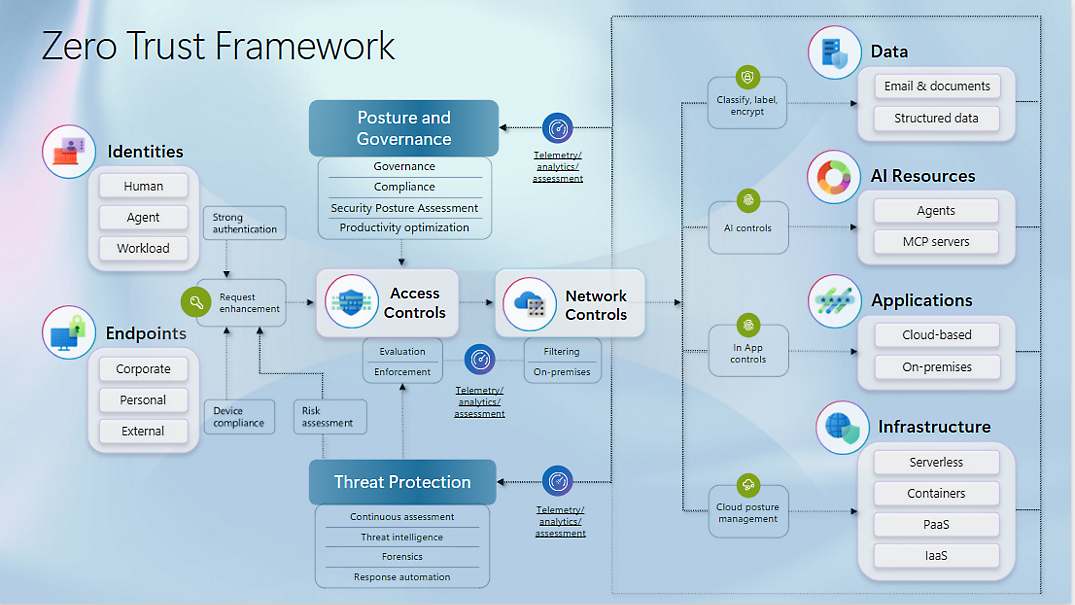
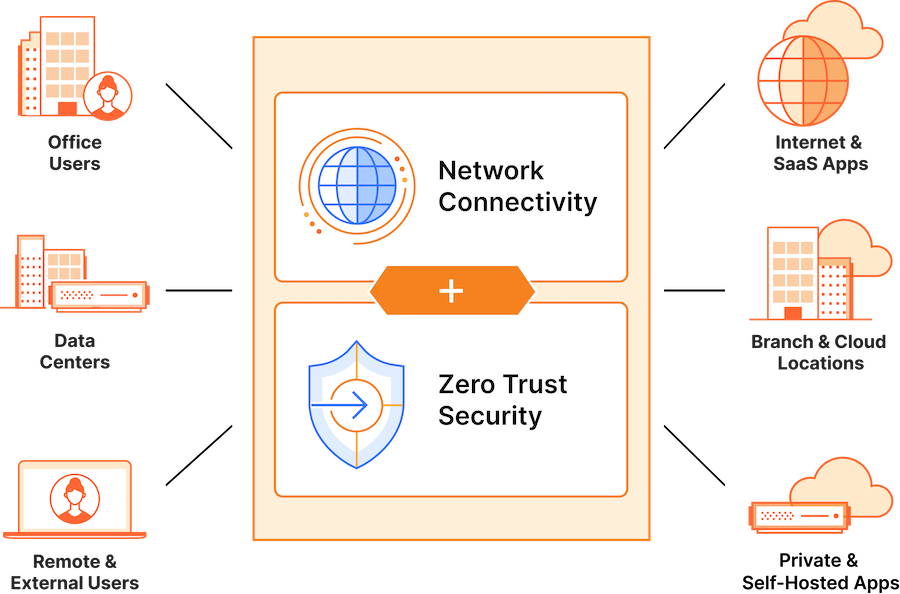
Before committing to a micro-segmentation strategy, it helps to clarify the core definitions and structural requirements that define modern zero trust. The following answers address the most common questions regarding zero trust architecture pillars, examples, and foundational concepts.
Work through The to Zero Trust Architecture

No comments yet. Be the first to share your thoughts!