Ai-driven subnet segmentation budget
Zero Trust network segmentation and how it works requires a shift from flat infrastructure to dynamic, micro-segmented environments. In 2026, AI-driven subnet segmentation moves beyond static ACLs to real-time policy enforcement, but this capability comes with distinct cost tiers. You are not just buying software; you are purchasing the operational overhead reduction that AI provides.
Tier 1: Entry-Level Automation ($5k–$15k/year)
At the lower end, solutions offer basic AI-assisted mapping and static rule generation. These tools reduce manual configuration time but lack true dynamic adaptation. They are suitable for small enterprises with stable, predictable traffic patterns. The tradeoff is that you still manage most policy exceptions manually during traffic spikes or anomaly events.
Tier 2: Mid-Market Dynamic Control ($20k–$50k/year)
This tier introduces real-time visibility and deterministic control over network traffic. AI models here analyze behavioral baselines to auto-segment new devices and applications. This is the sweet spot for most mid-sized enterprises running hybrid cloud workloads. The cost reflects the compute resources needed for continuous analysis and the integration complexity with existing SIEM tools.
Tier 3: Enterprise-Grade Autonomous Segmentation ($75k+/year)
For large enterprises, AI-driven segmentation becomes fully autonomous. These platforms predict threats before they cross segment boundaries and automatically adjust subnet policies in milliseconds. The high price includes advanced threat intelligence feeds, dedicated support, and the ability to handle millions of endpoints. The ROI here is measured in avoided breaches and reduced incident response time, not just licensing fees.
Choosing Your Budget Fit
Your budget should align with your risk tolerance and traffic volatility. If your network is largely static, Tier 1 may suffice. For dynamic, cloud-native environments, Tier 2 or 3 is essential to maintain Zero Trust integrity. Always calculate the total cost of ownership, including implementation, training, and ongoing maintenance, before committing to a vendor.
Shortlist real options
Use this section to make the Zero Trust decision easier to compare in real life, not just on paper. Start with the reader's actual constraint, then separate must-have requirements from details that are merely nice to have. A practical choice should survive normal use, maintenance, timing, and budget. If a recommendation only works in an ideal situation, call that out plainly and give the reader a fallback path.
| Factor | What to check | Why it matters |
|---|---|---|
| Fit | Match the option to the primary use case. | A good deal still fails if it does not fit the job. |
| Condition | Verify age, wear, and service history. | Hidden condition issues erase upfront savings. |
| Cost | Compare purchase price with likely upkeep. | The cheapest option is not always the lowest-cost option. |
Inspect the expensive parts
When deploying AI-driven dynamic subnet segmentation, the cost of failure isn't just downtime—it's lateral movement by an attacker who found a gap in your logic. Most breaches happen because segmentation policies were static, misconfigured, or ignored by legacy devices. Before you go live, audit these four high-risk areas where zero trust architectures typically fracture.

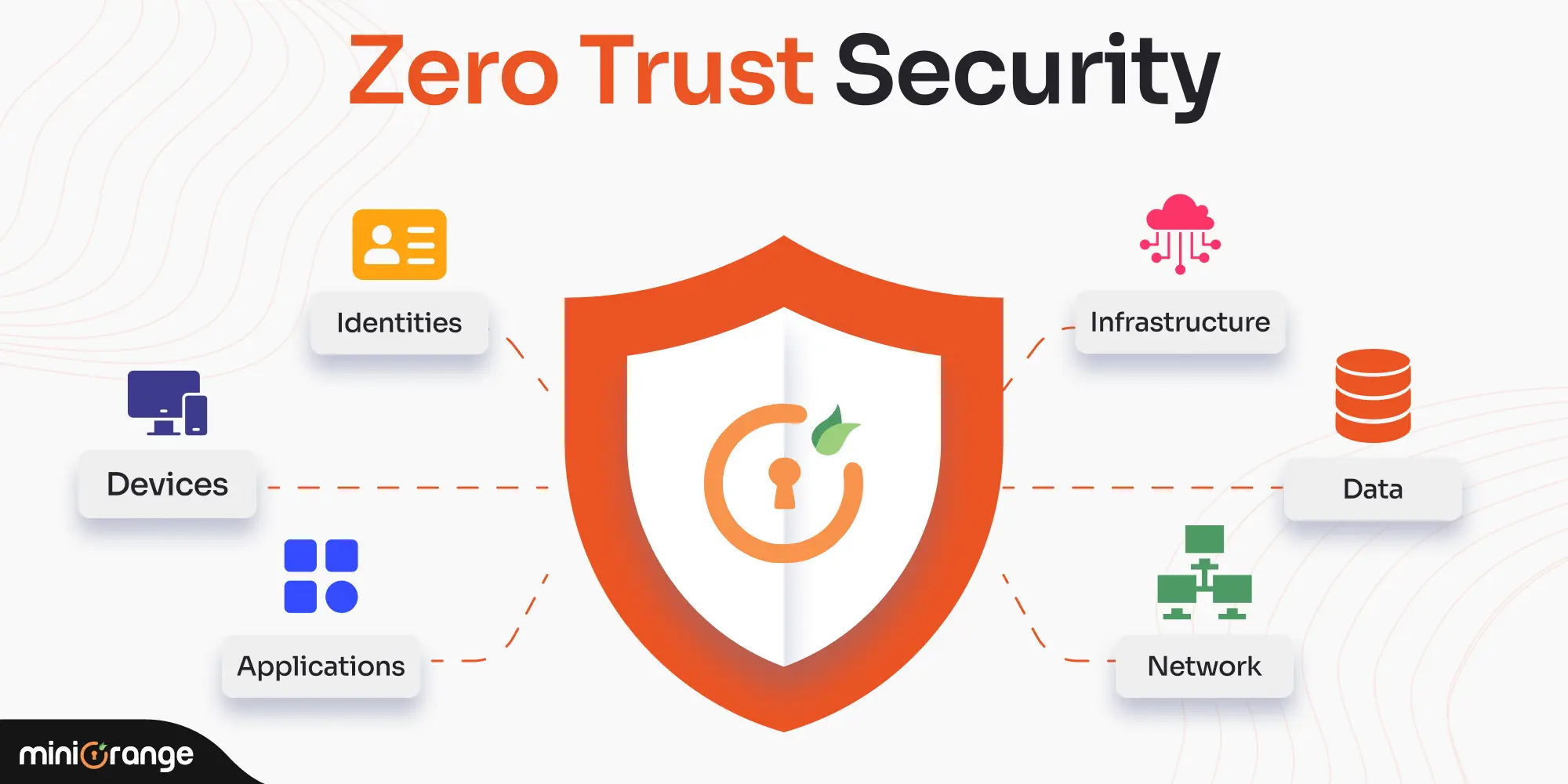
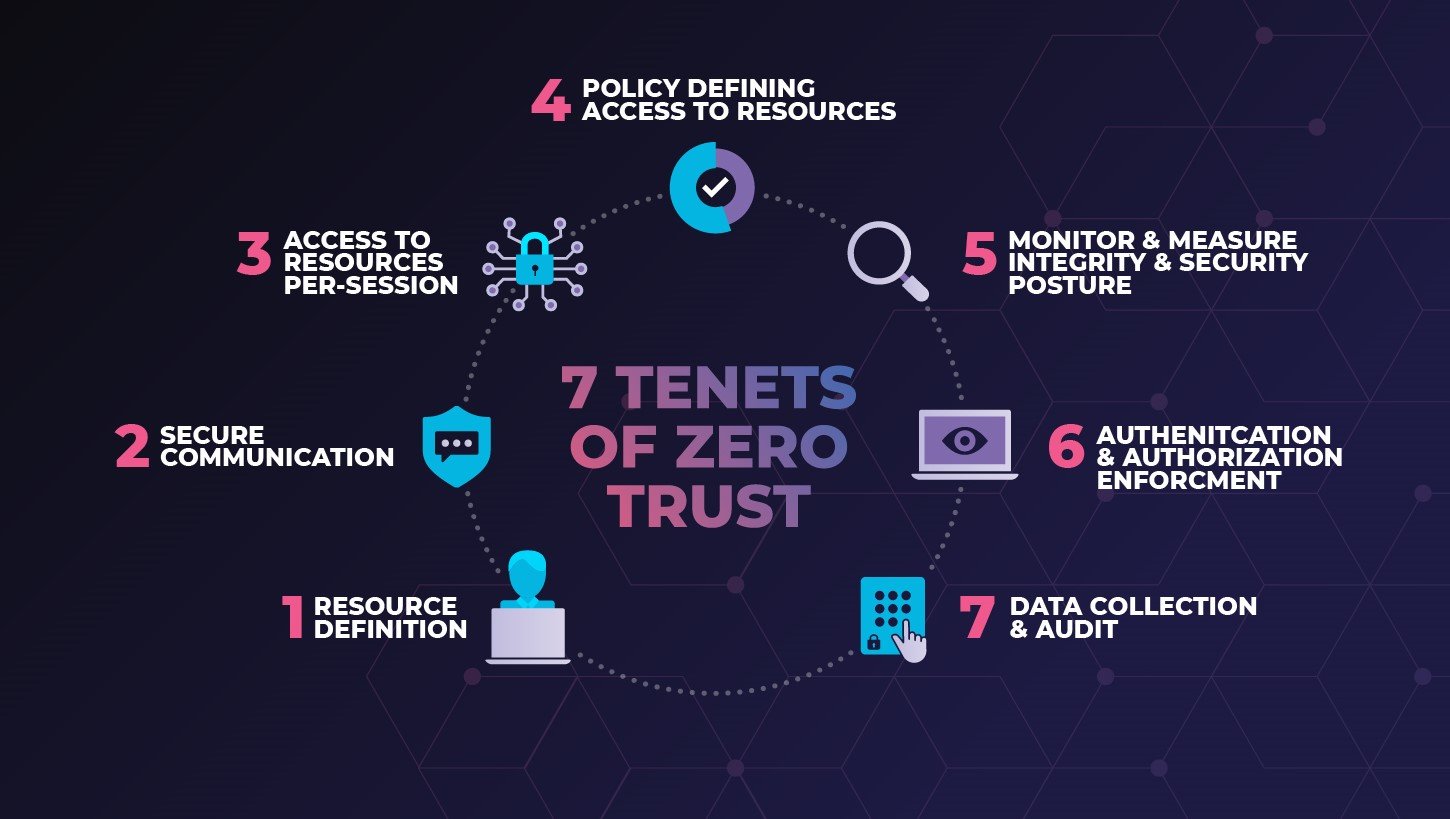
These checks prevent the most common failure modes. By focusing on visibility, enforcement, performance, and exceptions, you ensure your AI-driven segmentation actually delivers on the zero trust promise.
Plan for ownership costs
The sticker price of AI-driven dynamic subnet segmentation is only the first line item. The real cost of ownership emerges in the ongoing maintenance, the integration complexity, and the specialized skills required to keep the system from making mistakes. When a cheap buy stops being cheap, it is usually because the hidden labor of configuration and monitoring scales faster than the initial deployment savings.
Maintenance surprises
Dynamic segmentation relies on continuous data ingestion and policy refinement. Unlike static rules that you set once and forget, AI-driven models require regular tuning to adapt to shifting network behaviors. This means allocating budget for ongoing software updates, threat intelligence feeds, and the engineering hours needed to review false positives. If your team lacks the time to audit these policies weekly, the system can drift, creating security gaps or blocking legitimate traffic.
The hidden cost of integration
Implementing zero trust segmentation often requires integrating with existing identity providers, SIEMs, and endpoint detection tools. Each integration point introduces potential friction. You may need to invest in additional middleware or pay for professional services to ensure the AI segmentation engine can read the necessary telemetry. A solution that appears affordable in isolation might require expensive custom development to fit into your current stack.
Skill gaps and training
AI-driven networking tools are not plug-and-play. They require a deeper understanding of network architecture and machine learning concepts. Your team will need training to interpret the AI’s recommendations and to override them when necessary. If you rely on managed services to handle this, your monthly costs will rise significantly. If you handle it in-house, you must budget for hiring or upskilling staff with niche expertise in AI networking.
When cheap stops being cheap
A low-cost solution often lacks the granular visibility or the automated remediation capabilities needed for true zero trust. This forces your team to manually patch the gaps, increasing the risk of human error. In contrast, a higher-priced platform that offers deterministic control and real-time visibility reduces the long-term burden on your security team. The initial investment pays off by lowering the operational overhead and reducing the likelihood of a costly breach.


As an Amazon Associate, we may earn from qualifying purchases.
No comments yet. Be the first to share your thoughts!