
Set the mic distance
Before you configure policies, you need to understand the terrain. Zero trust micro-segmentation isn't just about locking down servers; it's about securing every connection between workloads, whether they live on-premises or in the cloud. If you start segmenting without a clear map, you will create blind spots that attackers can exploit or, worse, break critical business applications.
Start by identifying your "crown jewels." These are the specific databases, APIs, or services that hold the most sensitive data or drive the most revenue. Not all assets need the same level of scrutiny. A public-facing marketing site has different requirements than your internal HR payroll system. Group your assets by sensitivity and function to prioritize your efforts.
Next, inventory your traffic flows. You cannot segment what you cannot see. Use network monitoring tools to capture baseline traffic patterns for a full business cycle, including peak hours. This baseline reveals which services talk to each other and how often. Without this visibility, your segmentation policies will likely block legitimate traffic, causing outages that force you to roll back your changes.
Finally, define your segmentation boundaries. Decide whether you will segment by application tier, by user role, or by data classification. Each approach has trade-offs. Application-tier segmentation is easier to manage but may miss lateral movement between similar services. Role-based segmentation is more flexible but harder to enforce at the network layer. Choose the model that aligns with your existing security operations and compliance requirements.
Place the mic step by step
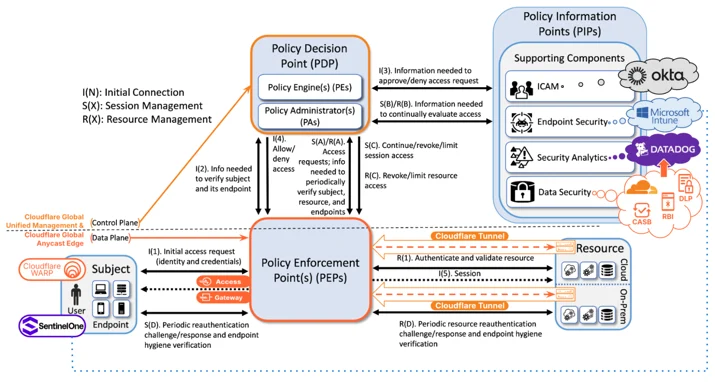
The to Zero Trust Micro-Segmentation works best as a clear sequence: define the constraint, compare the realistic options, test the tradeoff, and choose the path with the fewest hidden costs. That order keeps the advice usable instead of decorative. After each step, pause long enough to check whether the recommendation still fits the reader's actual situation. If it depends on perfect timing, unusual access, or a best-case budget, include a simpler fallback.

Mistakes that muddy the sound
When implementing zero trust micro-segmentation, the goal is clear visibility and strict enforcement. However, several common errors create "noise" in your policy logs. This noise obscures legitimate traffic, causes false positives, and ultimately leads to operational paralysis or security gaps. Understanding these pitfalls helps you maintain a clean, effective segmentation strategy.
Overly Broad Default-Deny Policies
A common mistake is applying broad default-deny rules without first establishing a baseline of normal traffic. If you block everything without logging or allowing known-good flows, you will generate thousands of alerts for legitimate applications. This makes it impossible to distinguish between malicious activity and routine business operations. Start by allowing essential services and gradually tighten restrictions based on actual usage patterns.
Ignoring Lateral Movement Paths
Another critical error is focusing only on north-south traffic (inbound/outbound) while ignoring east-west traffic (internal). Attackers often move laterally within the network after an initial breach. If your micro-segmentation policies do not account for internal communication between servers, databases, and applications, you leave a wide-open path for attackers. Ensure your policies cover all internal traffic flows, not just external-facing services.
Failing to Update Policies Regularly
Network environments are dynamic. Applications change, new services are deployed, and legacy systems are retired. Static micro-segmentation policies quickly become outdated, leading to either excessive blocking or unnecessary access. Regularly review and update your segmentation policies to reflect the current state of your infrastructure. Automated policy management tools can help keep your rules aligned with actual network behavior.
No comments yet. Be the first to share your thoughts!